Through the Years
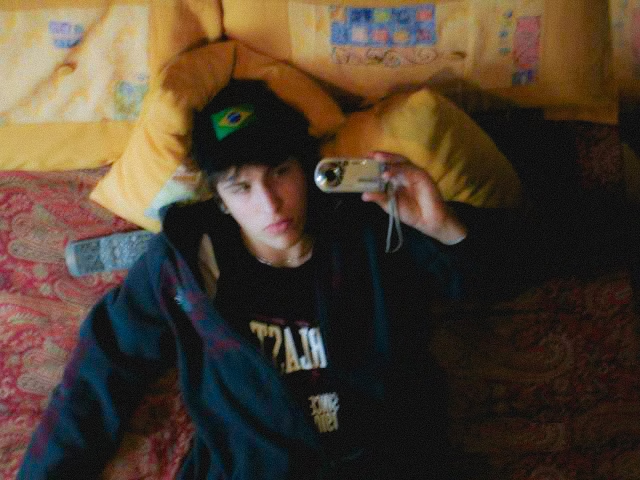
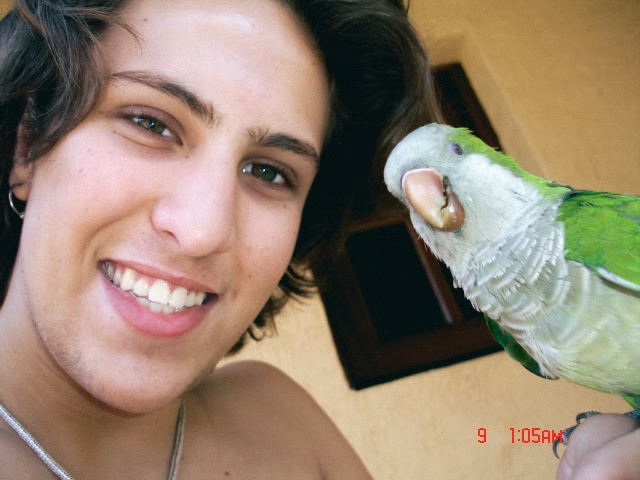
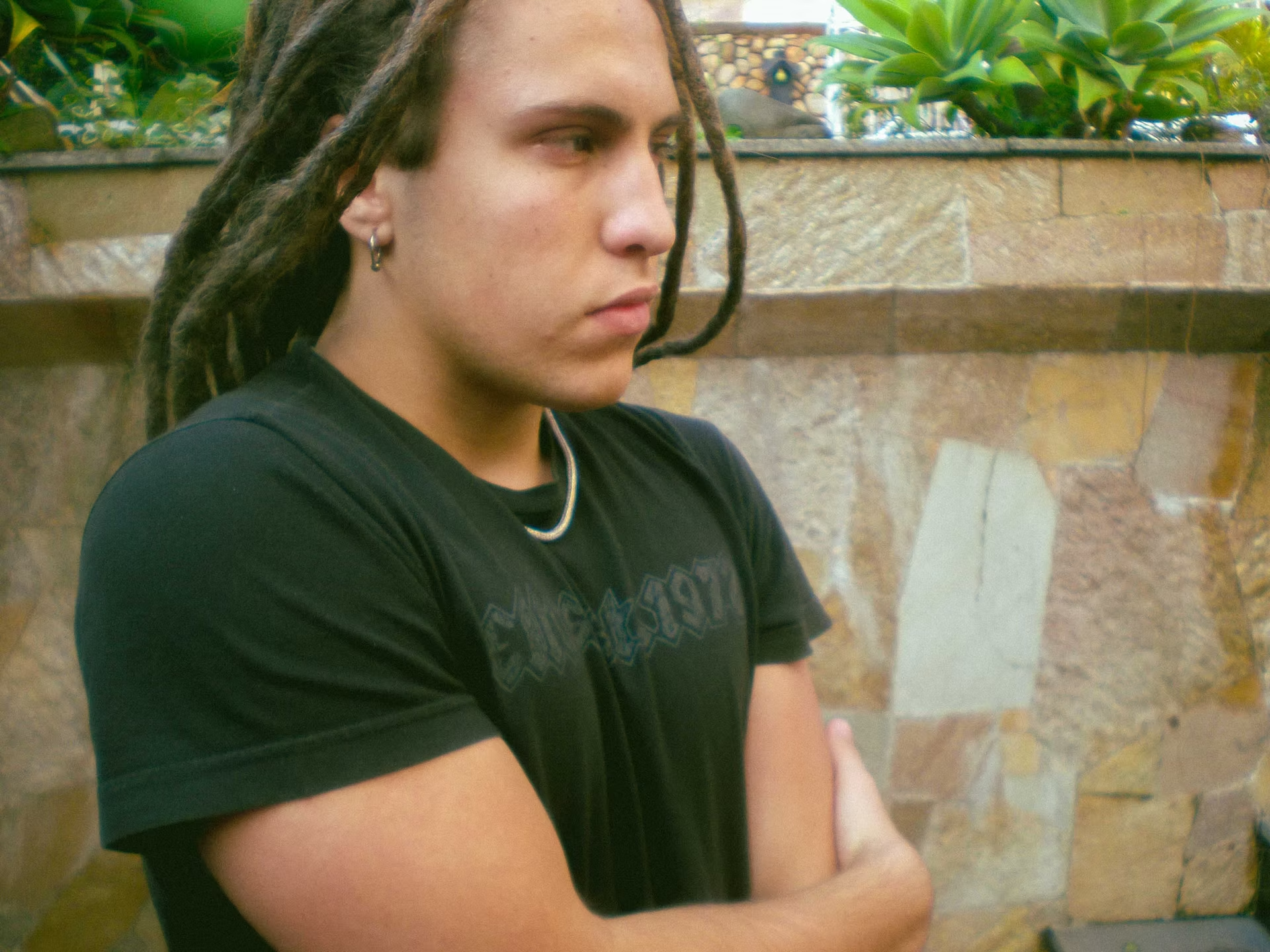
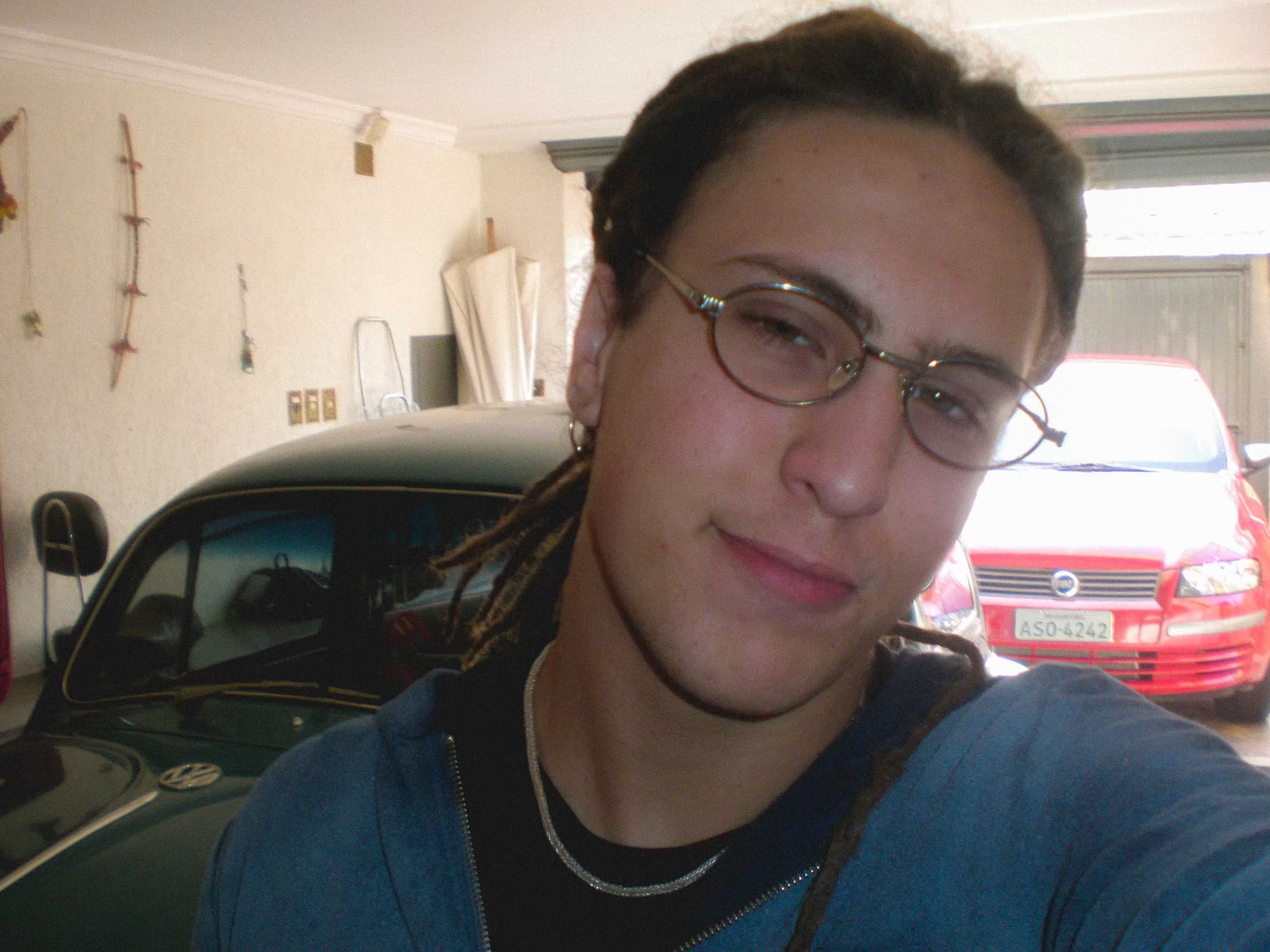
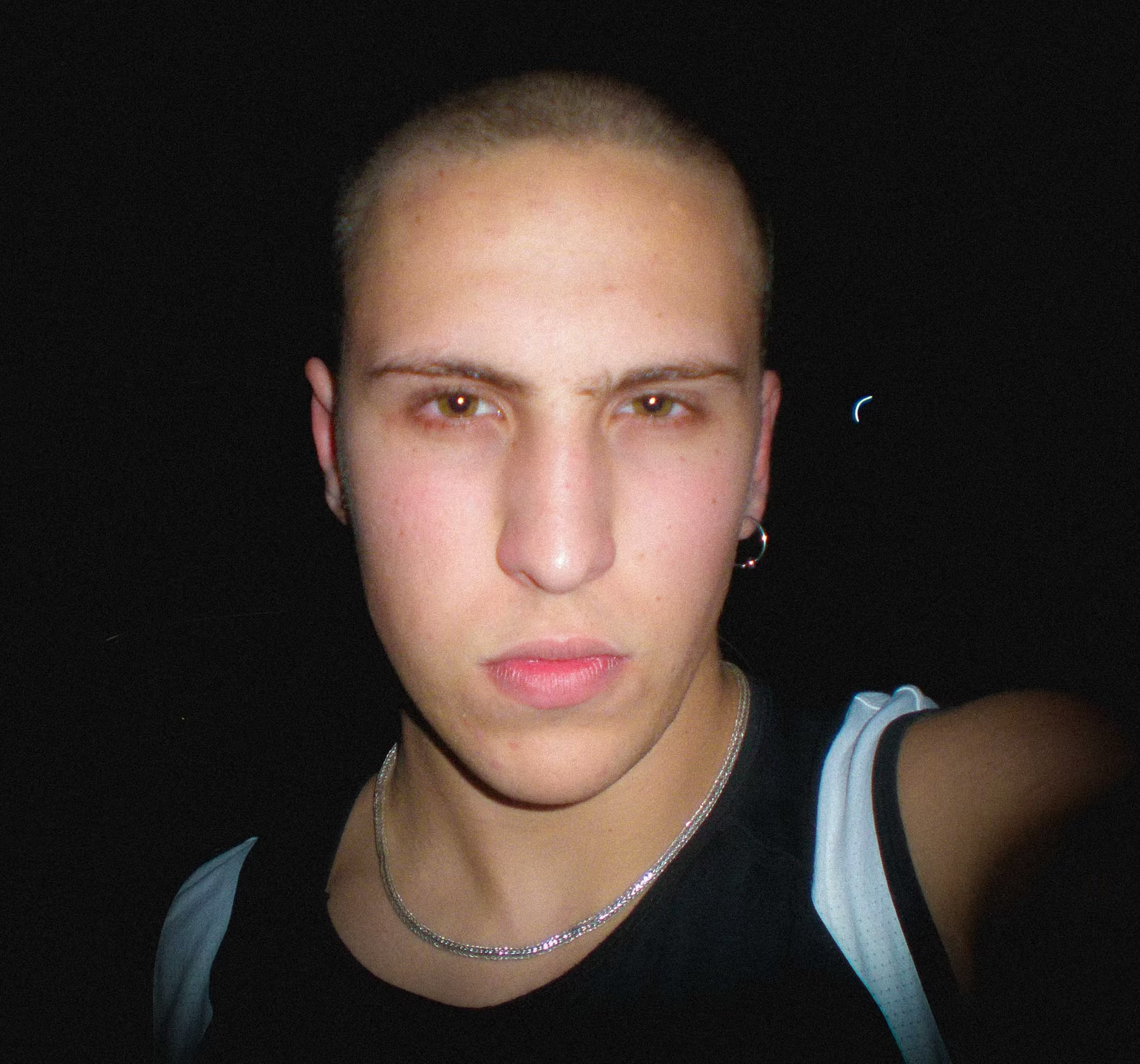
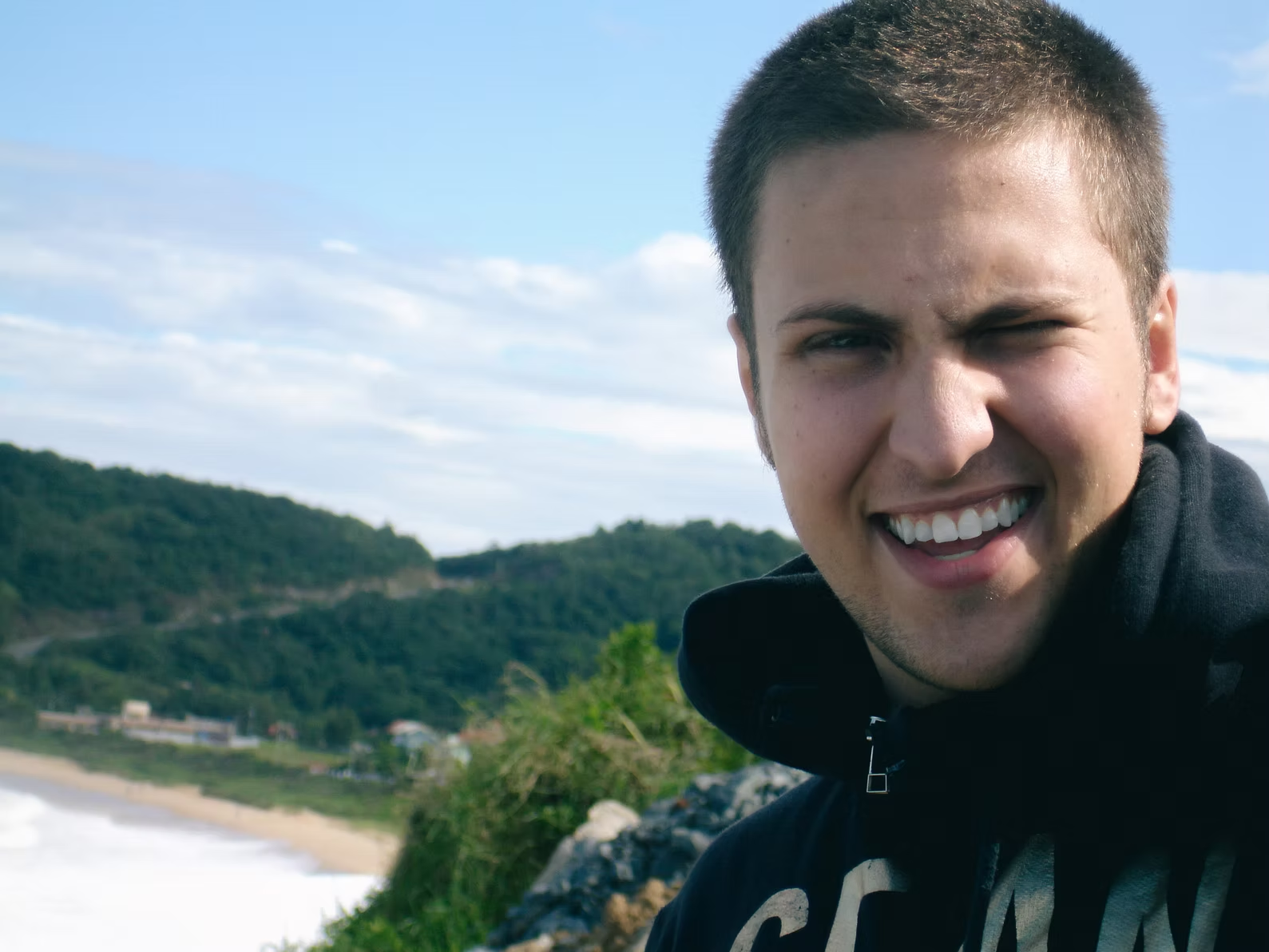


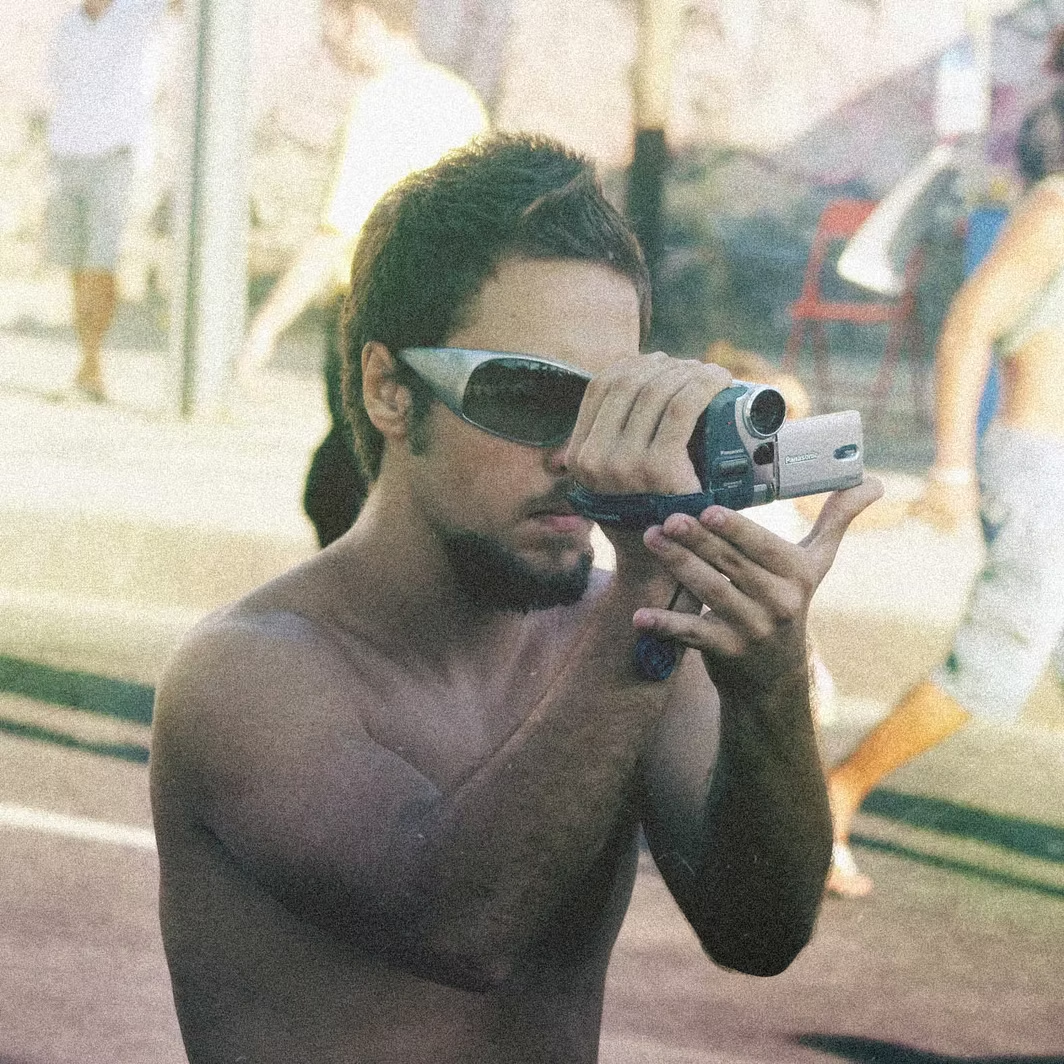
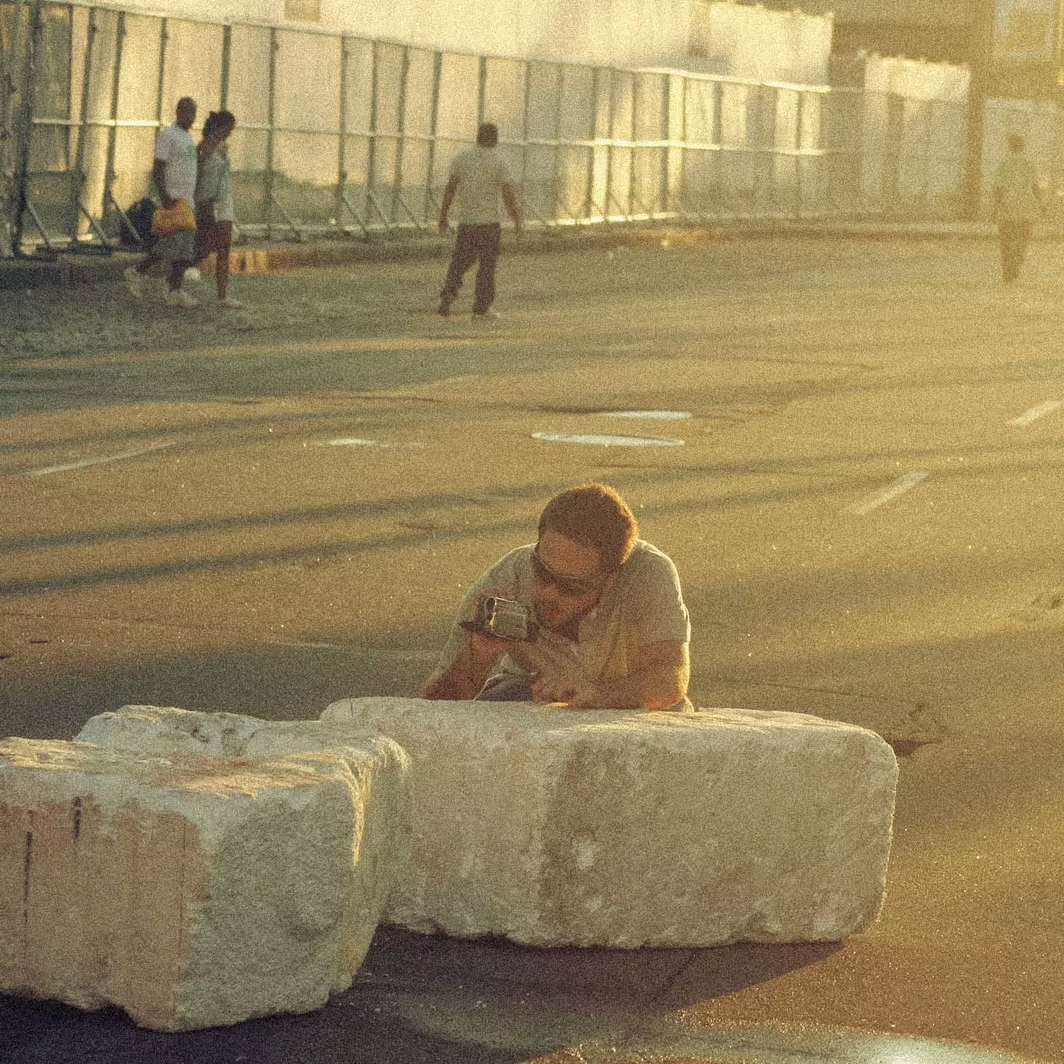
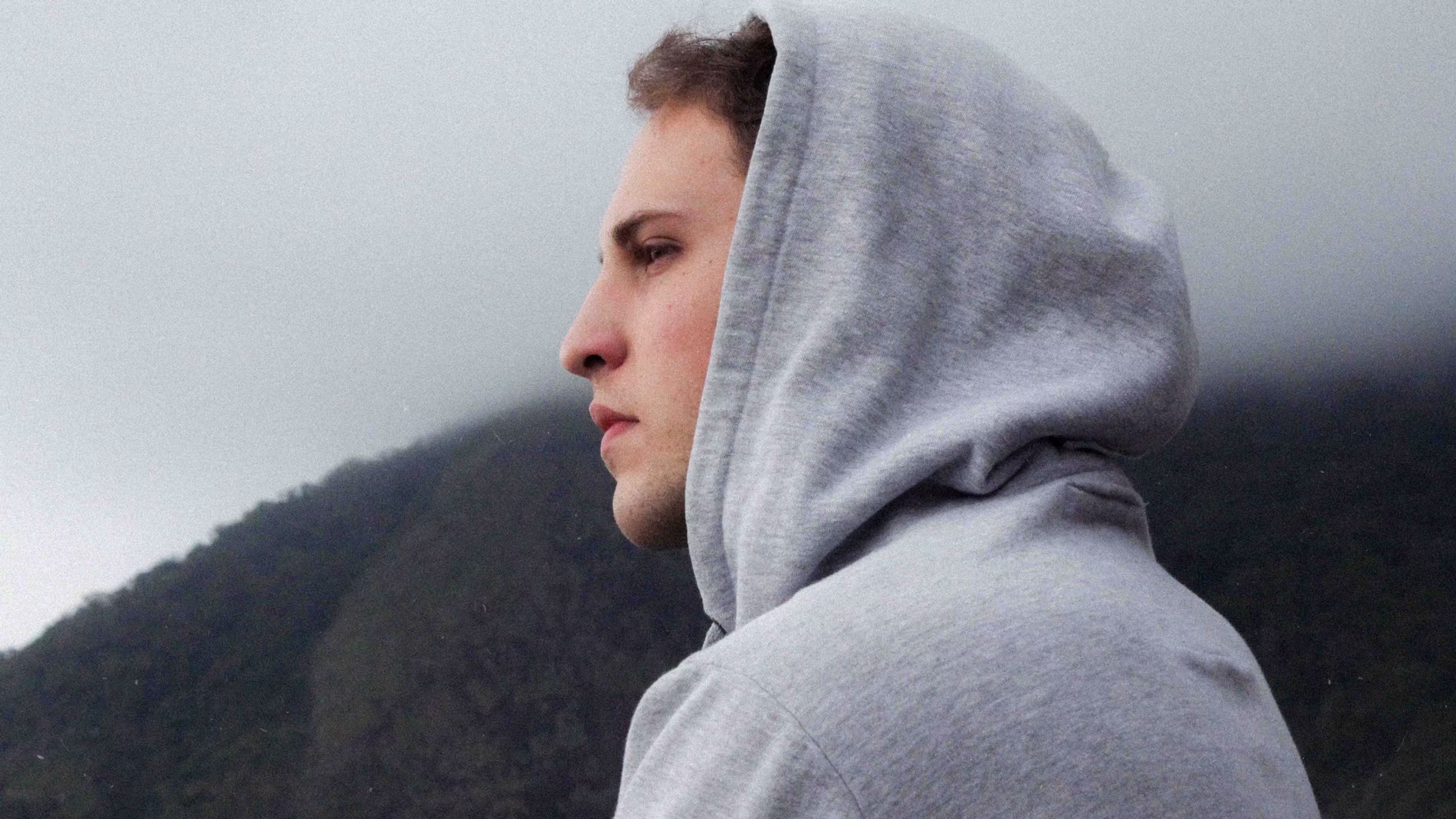
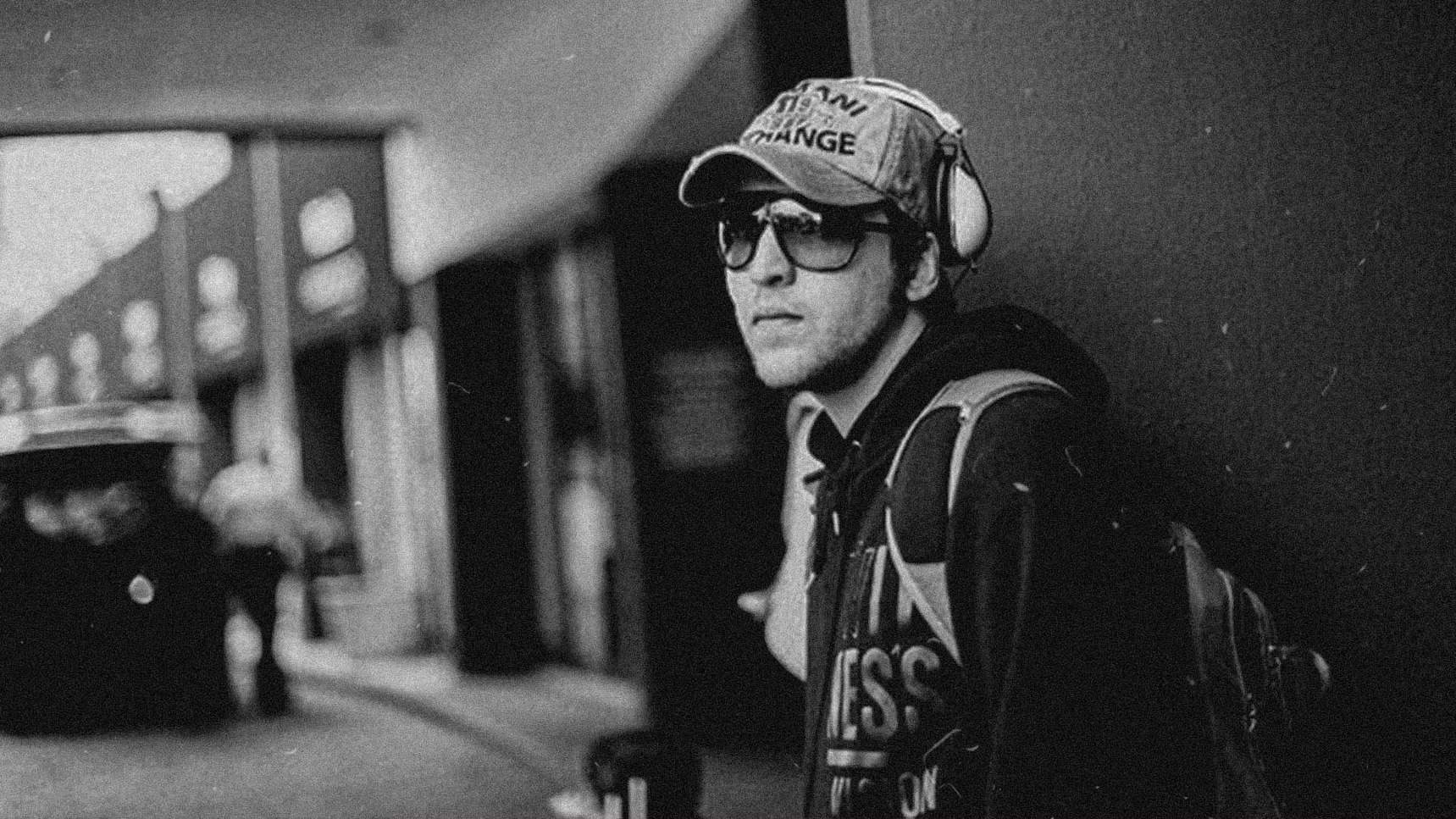
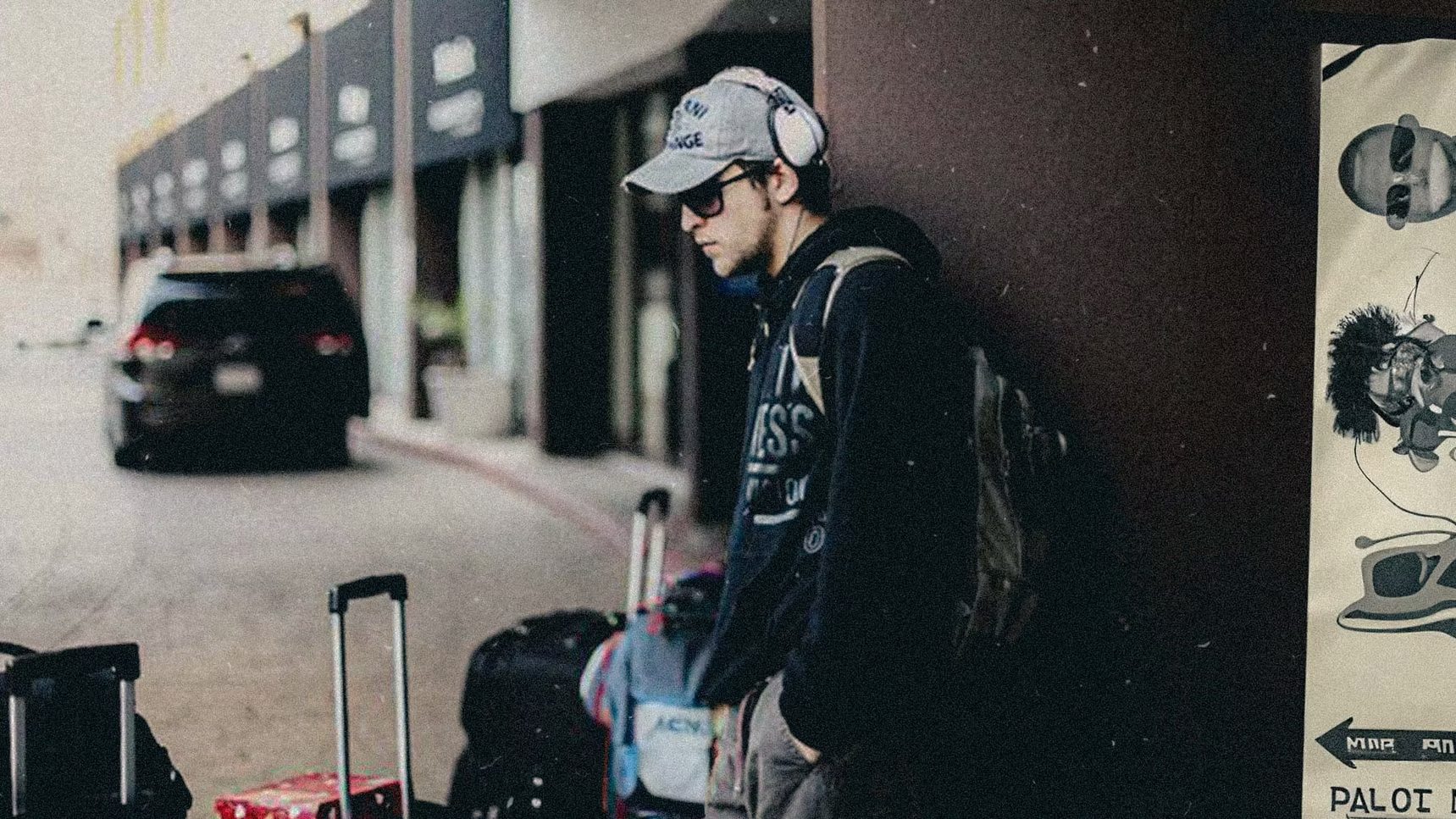
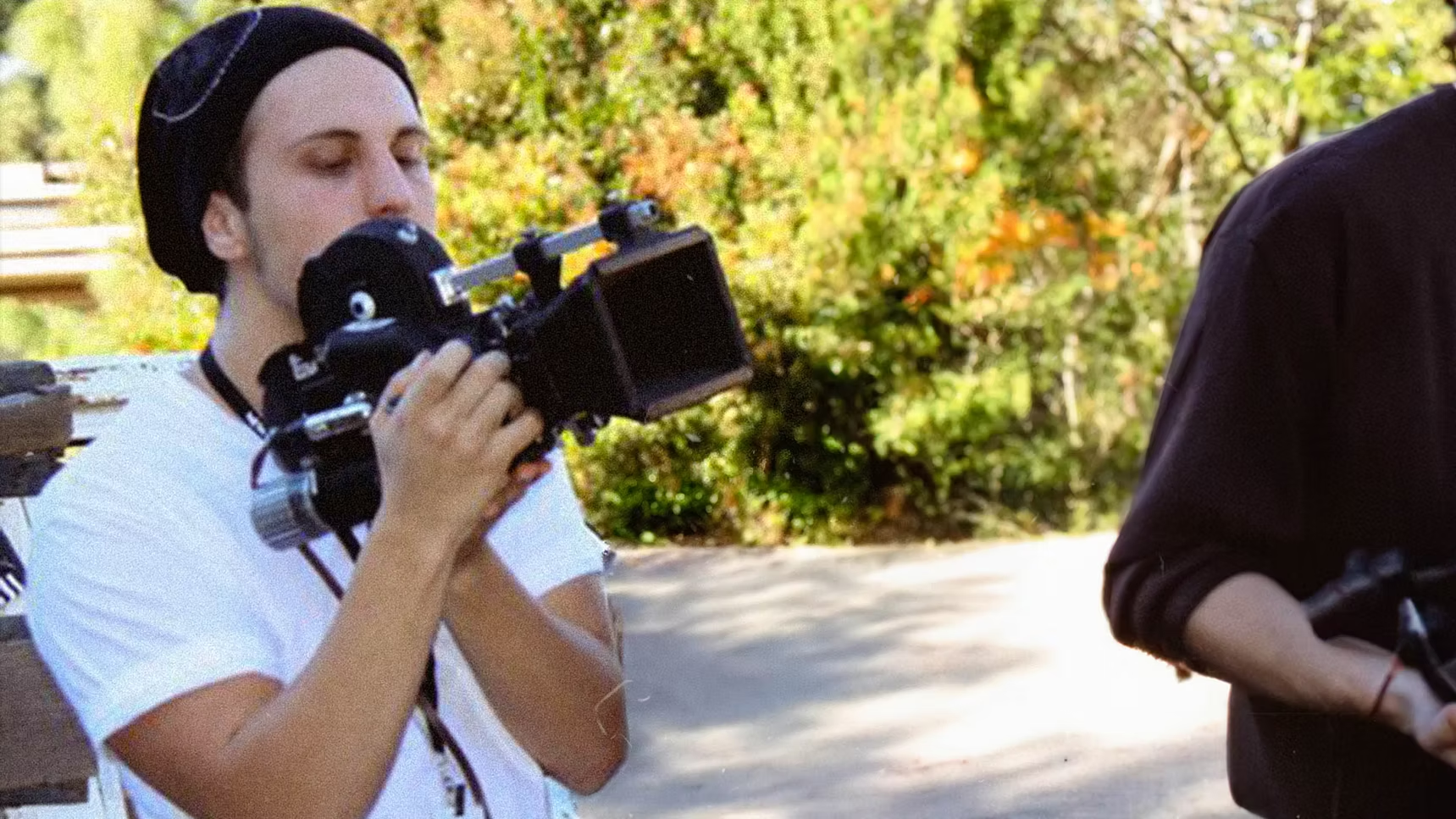

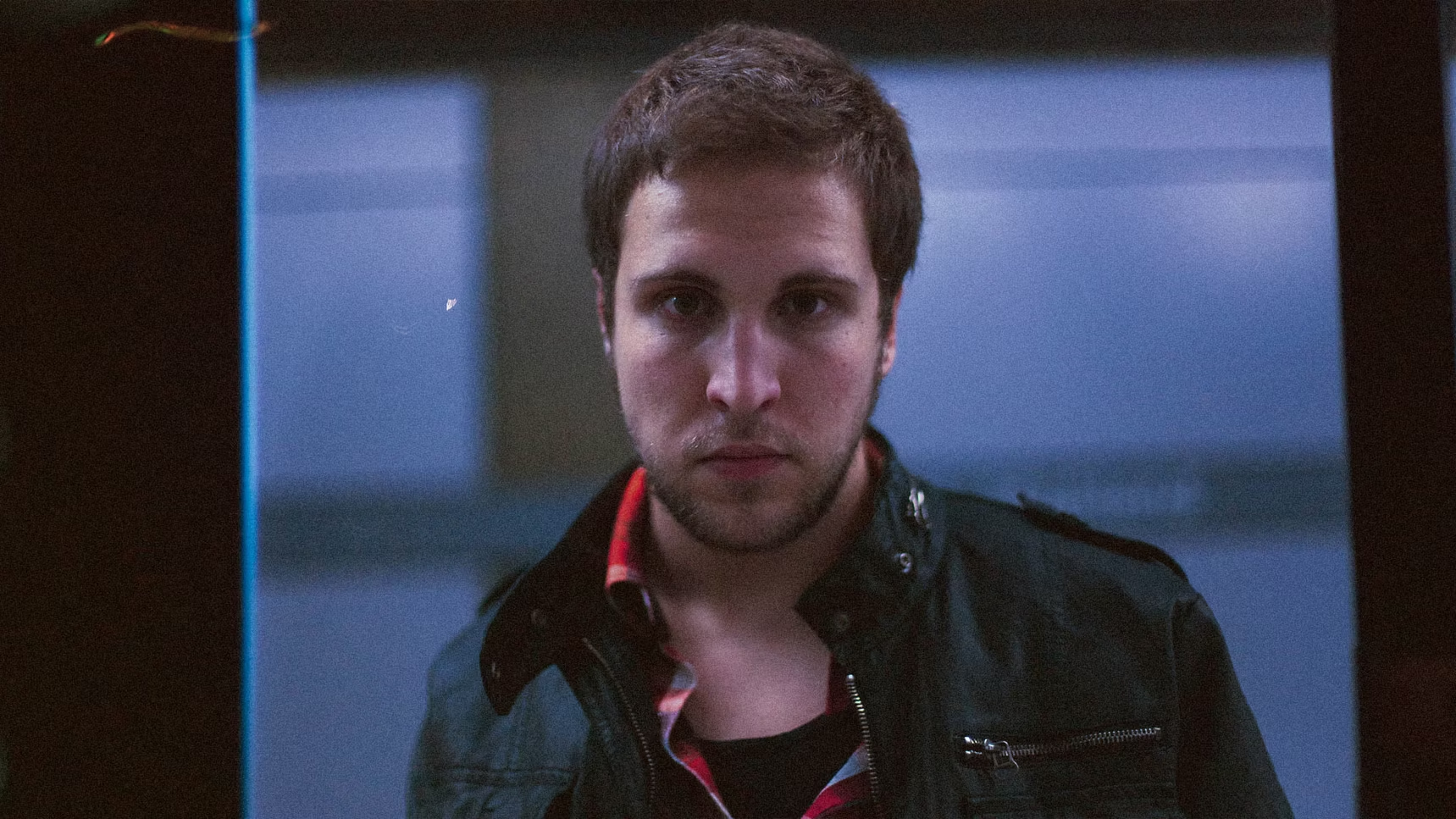


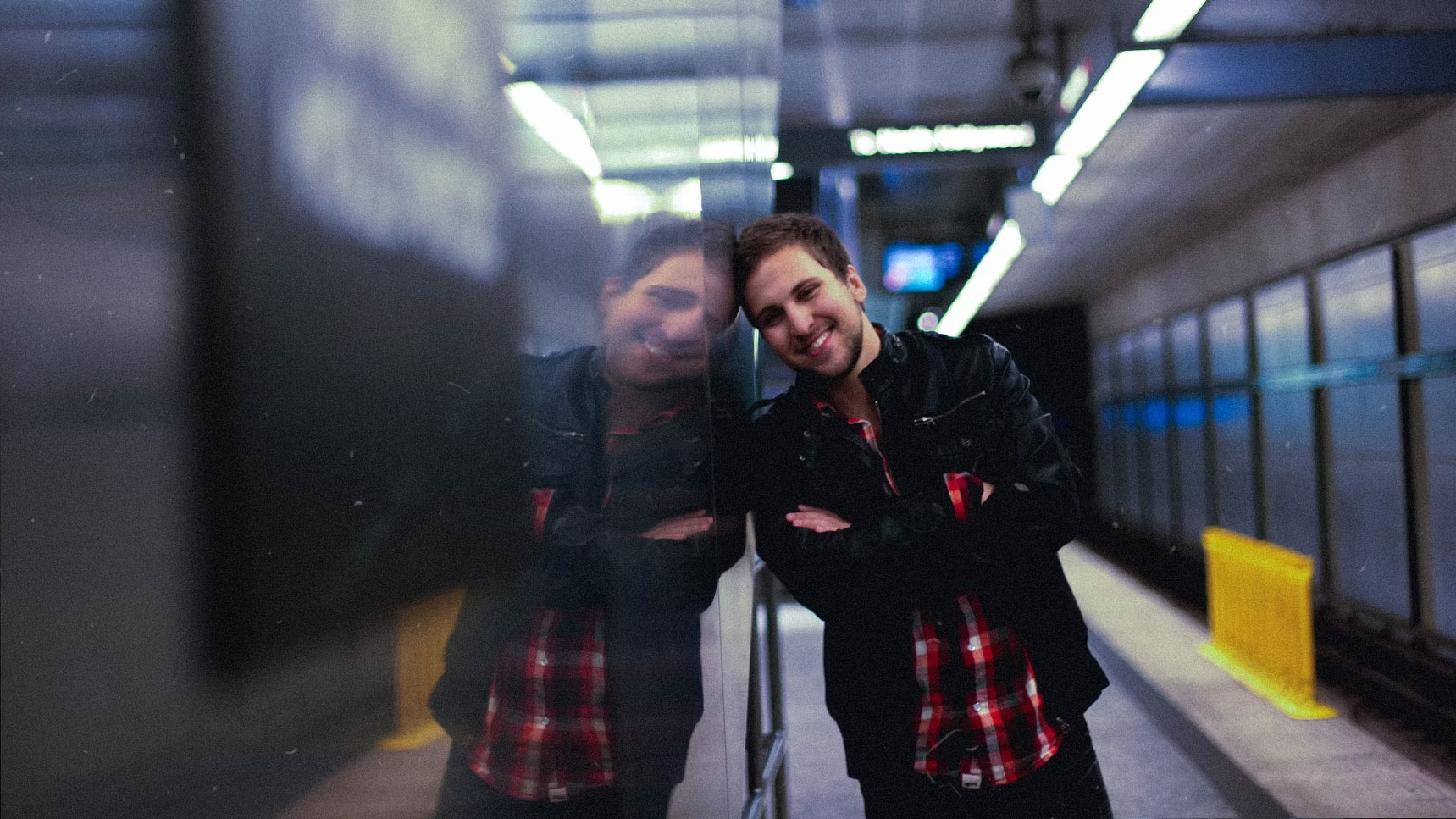
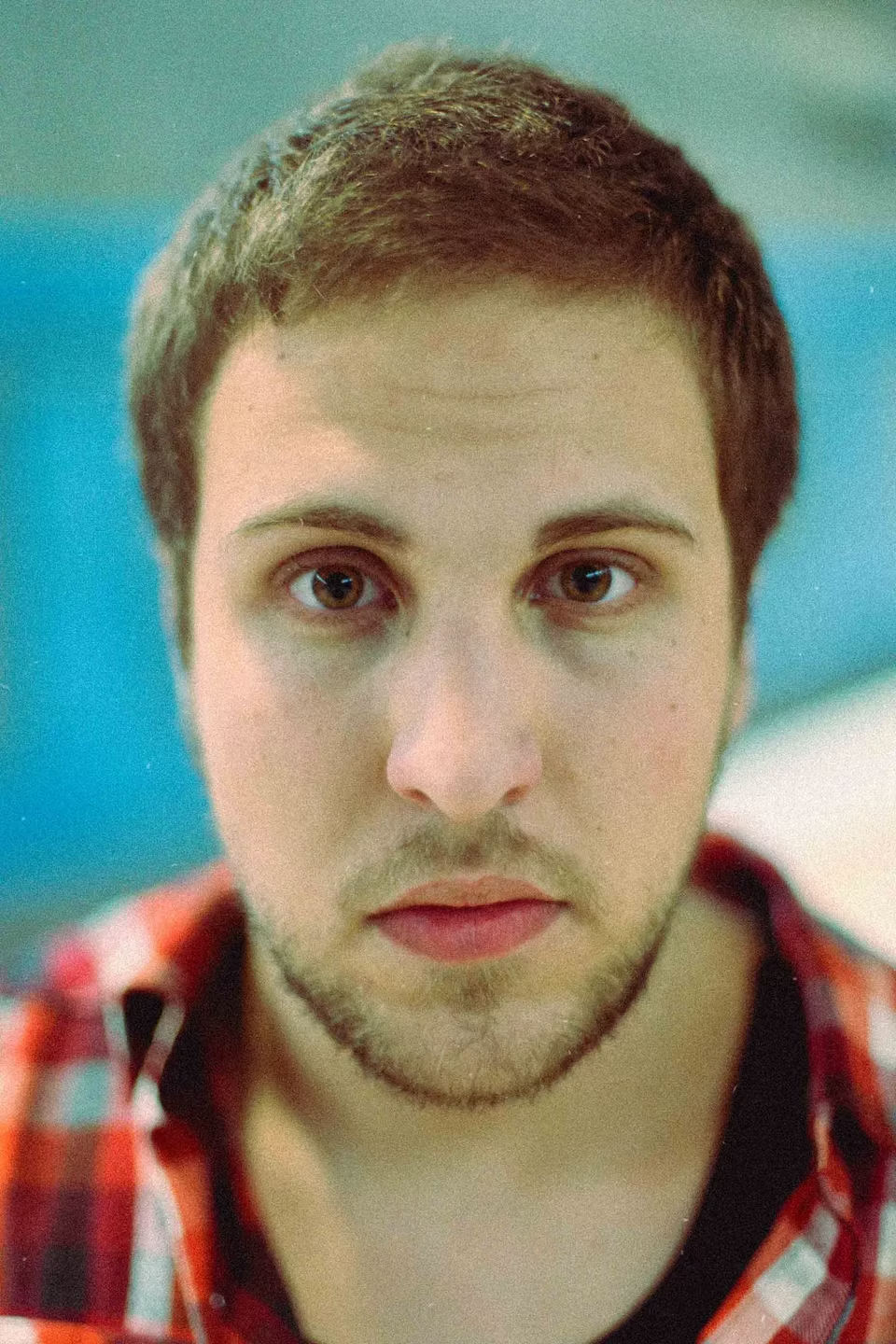
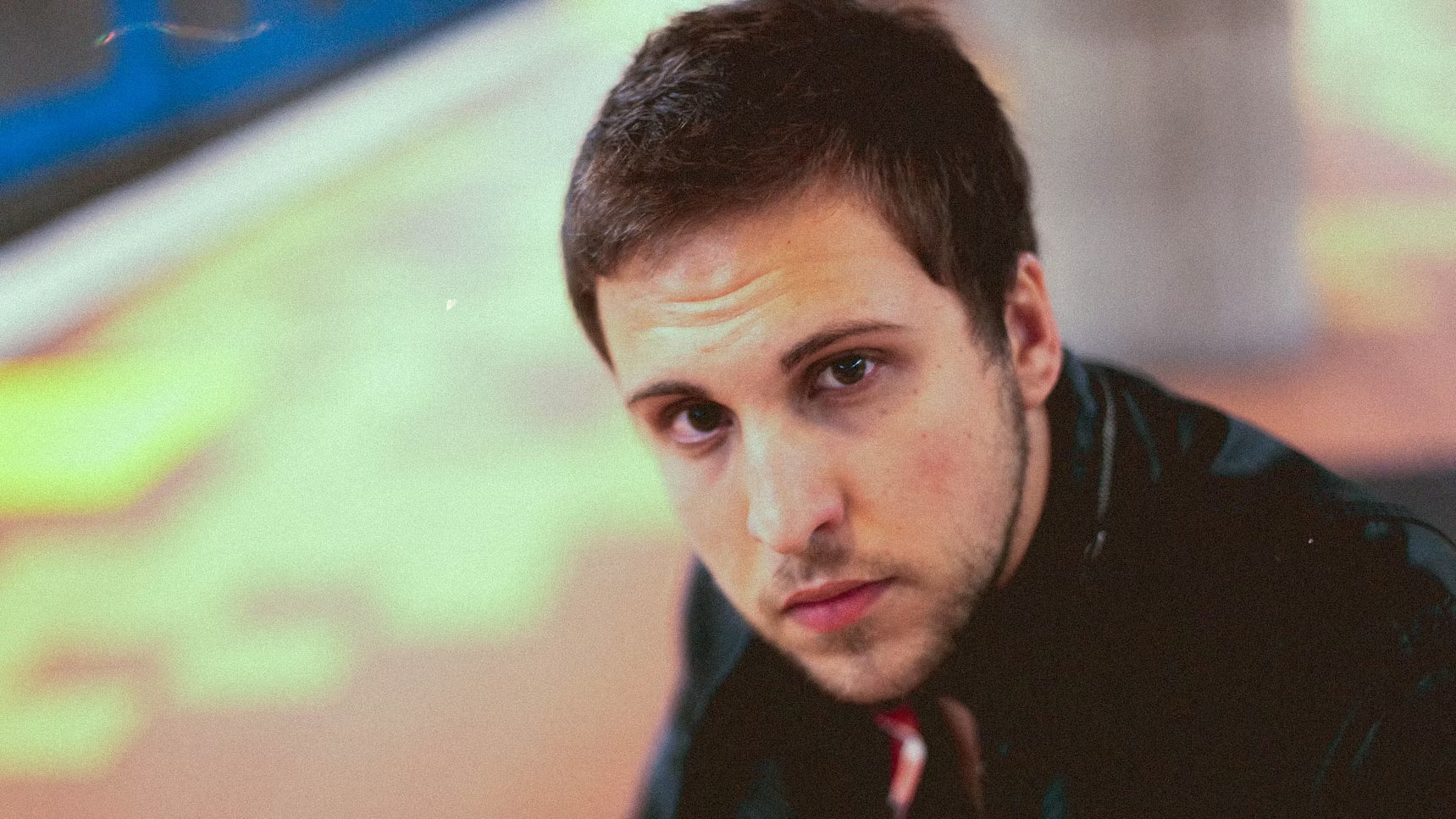

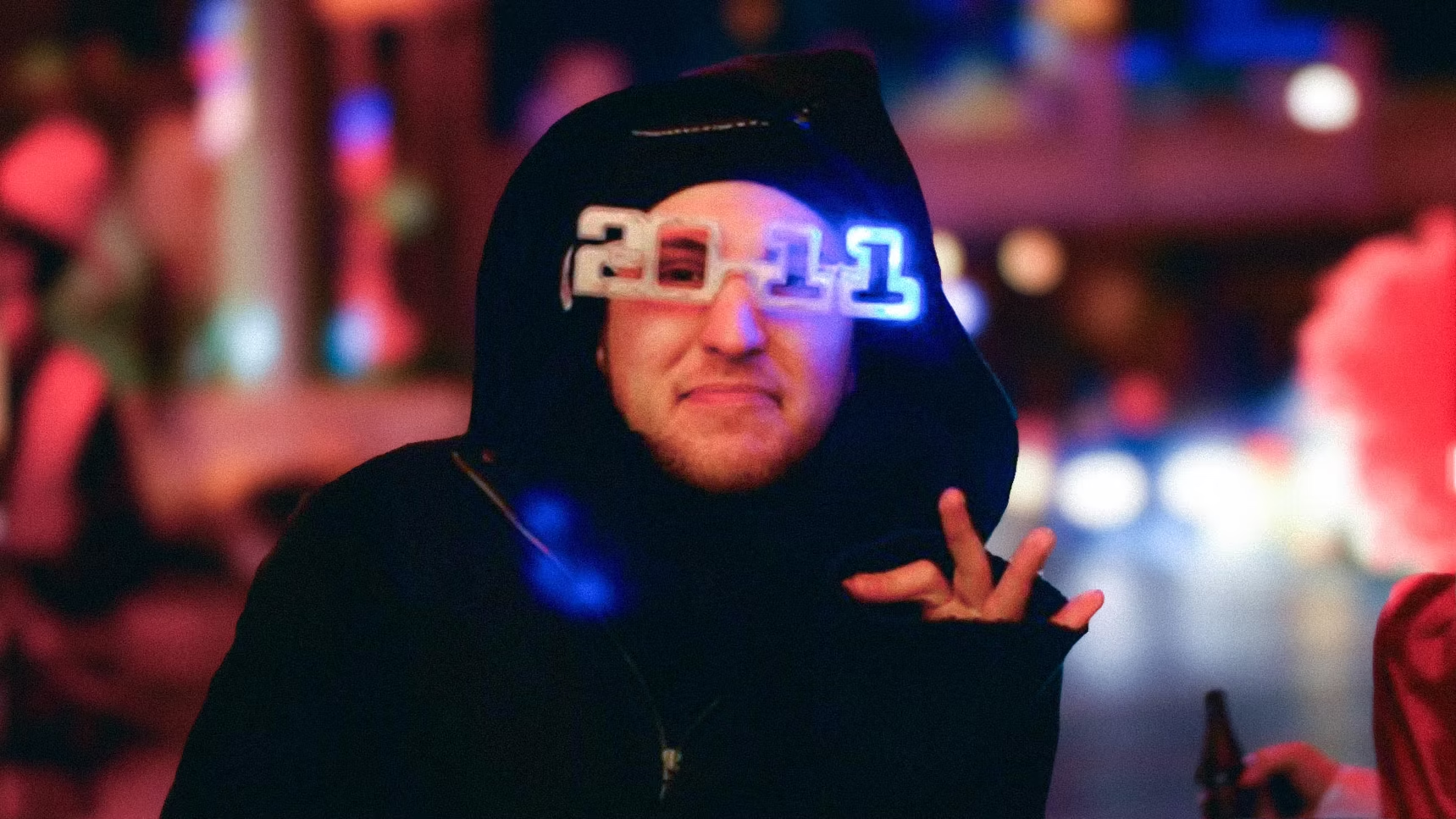
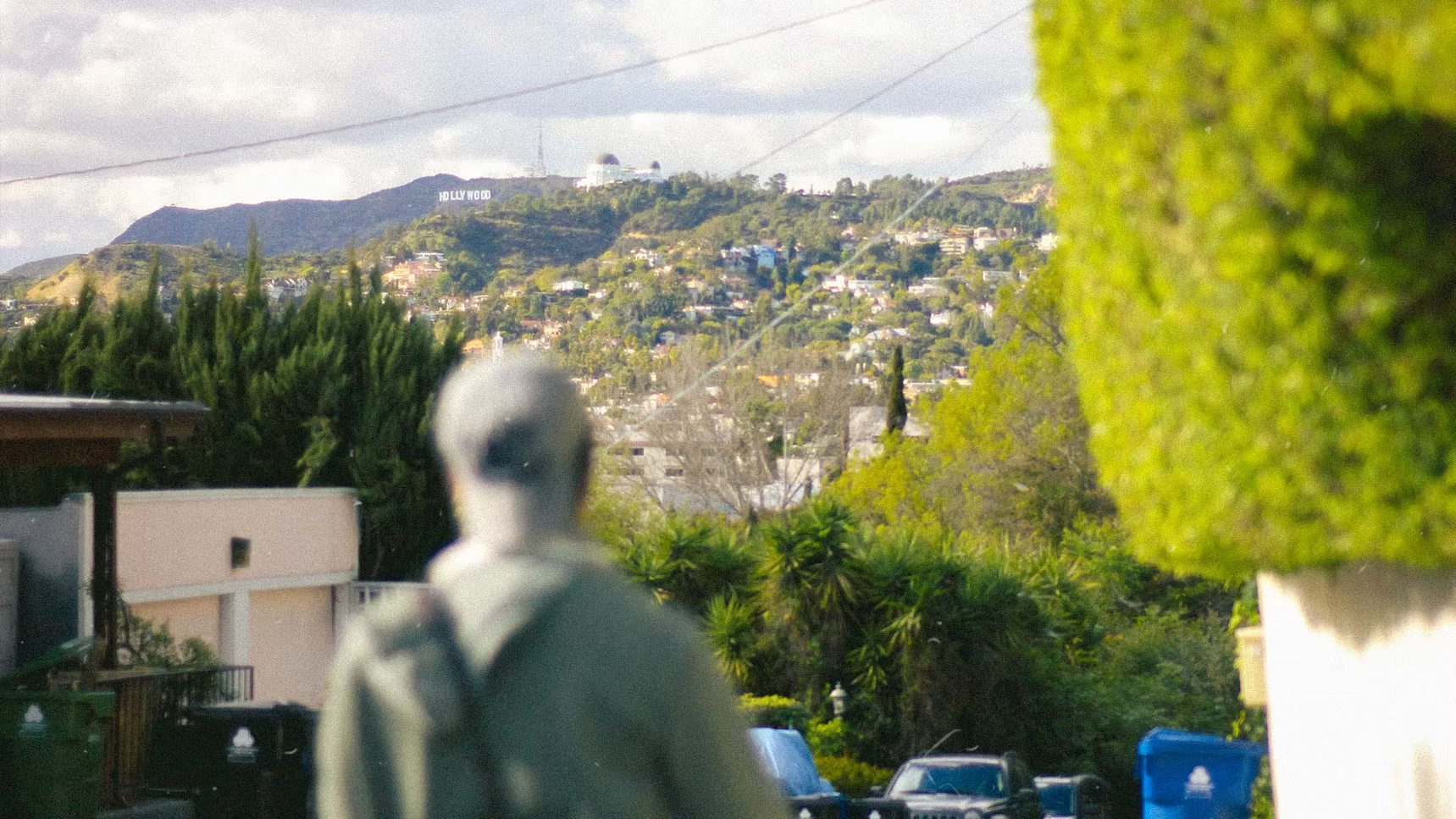
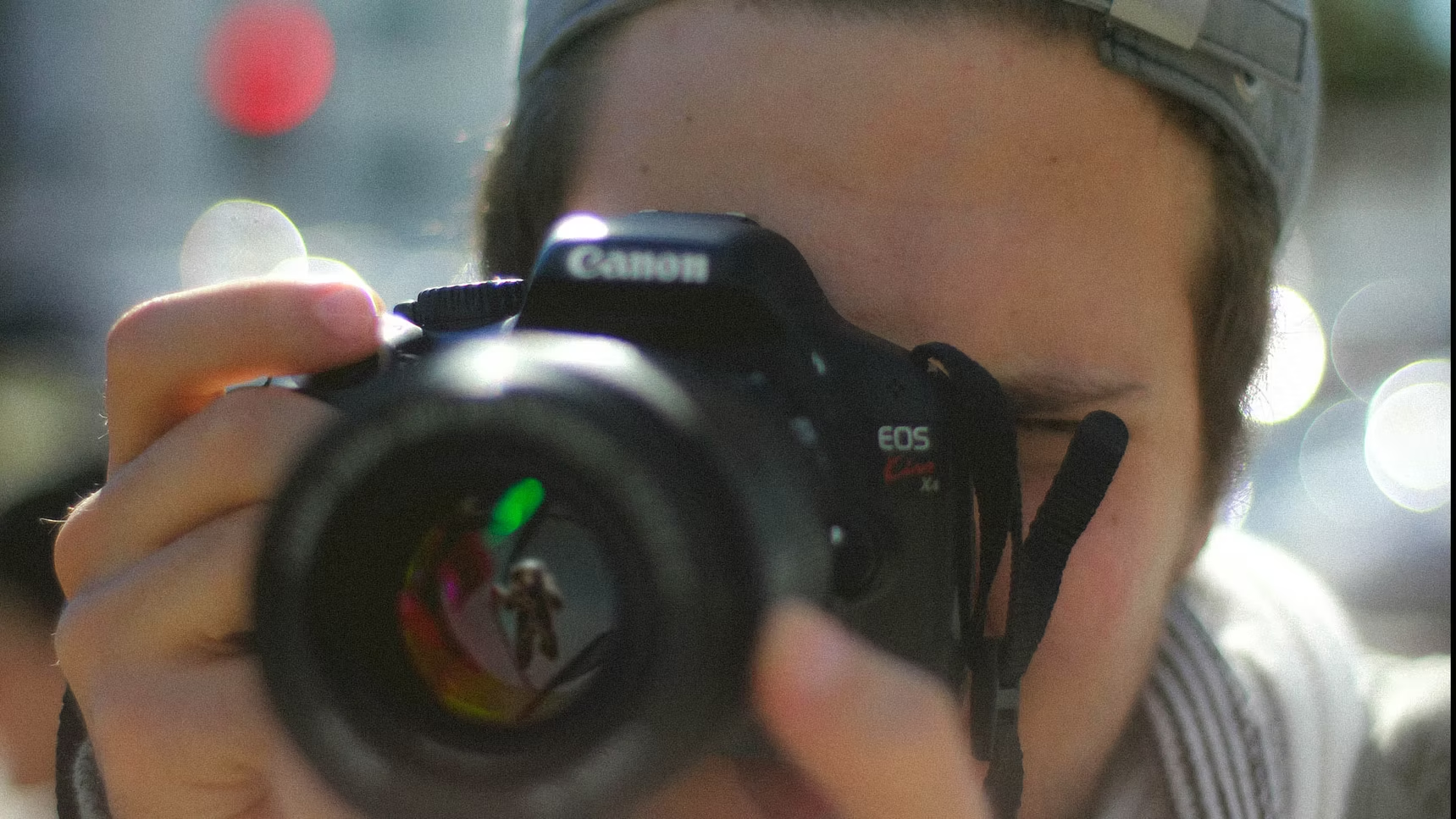
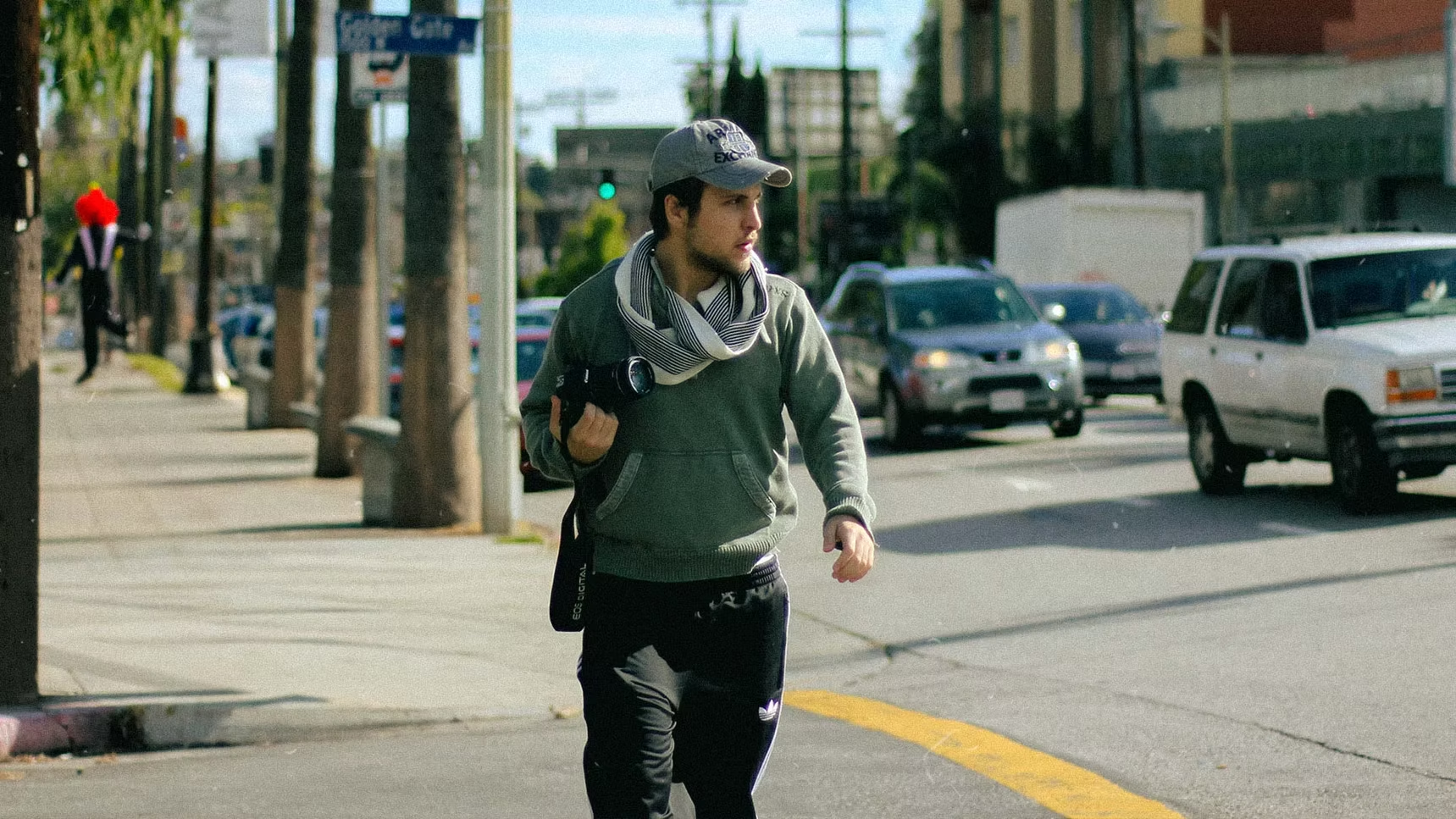
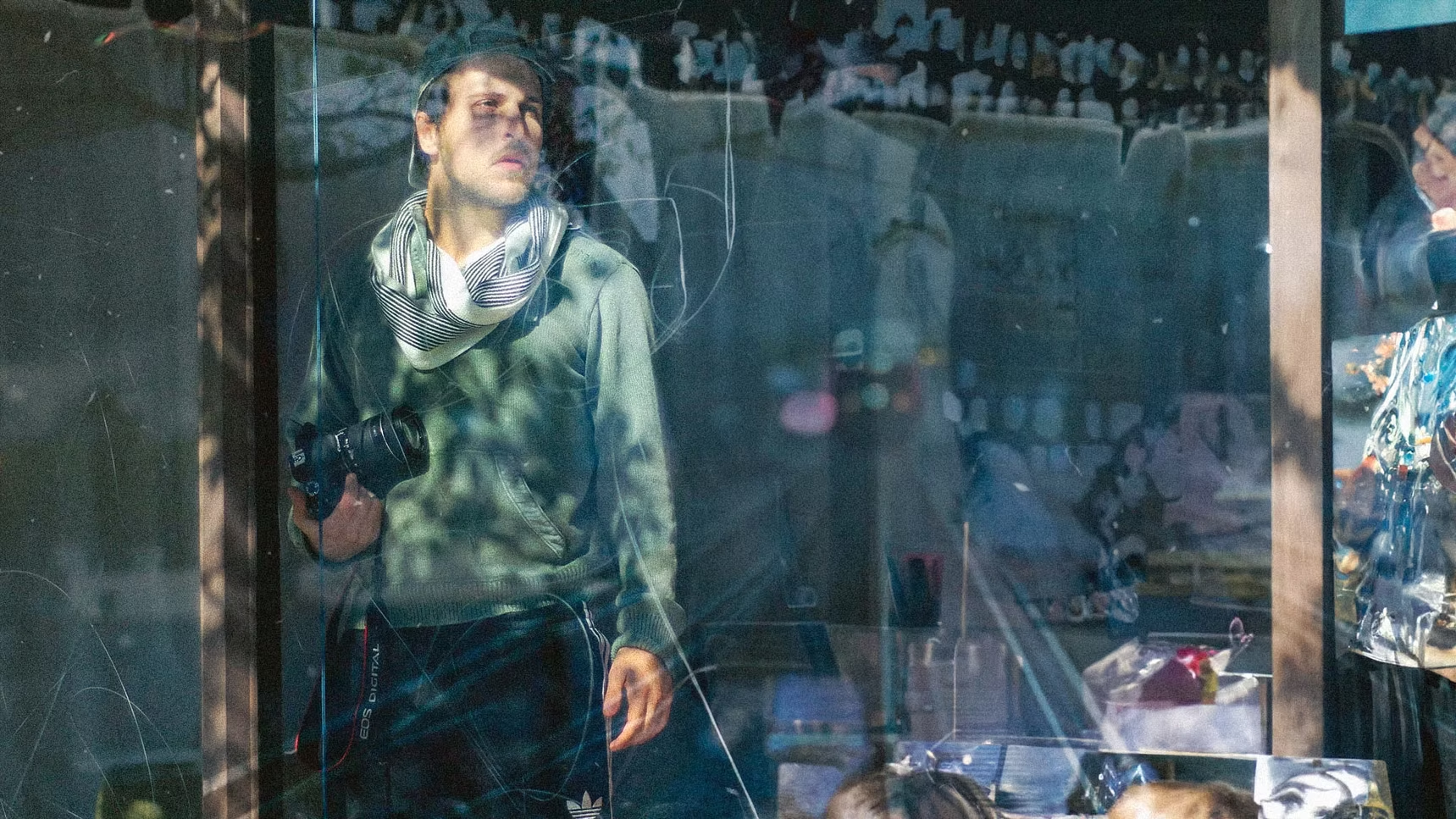
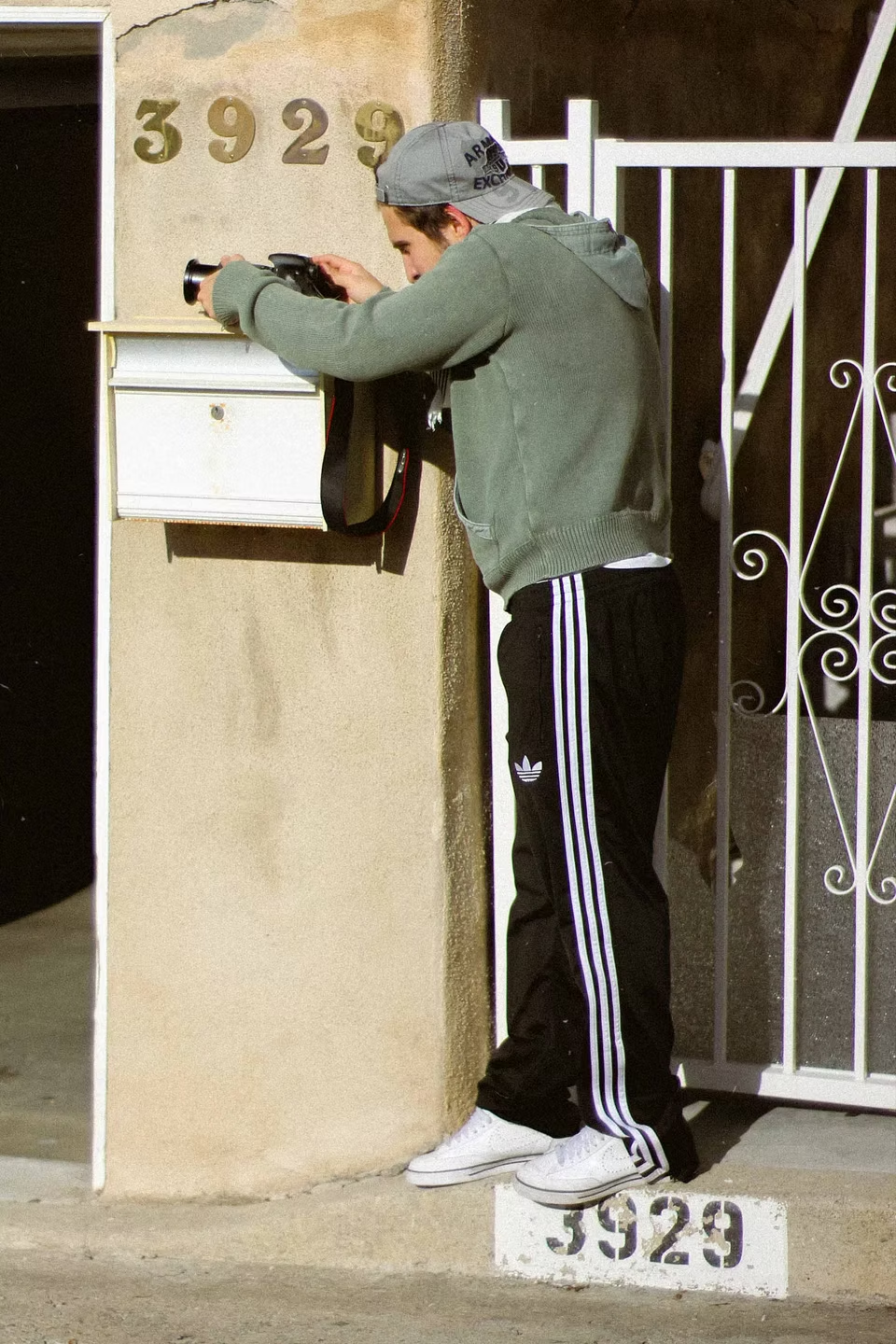
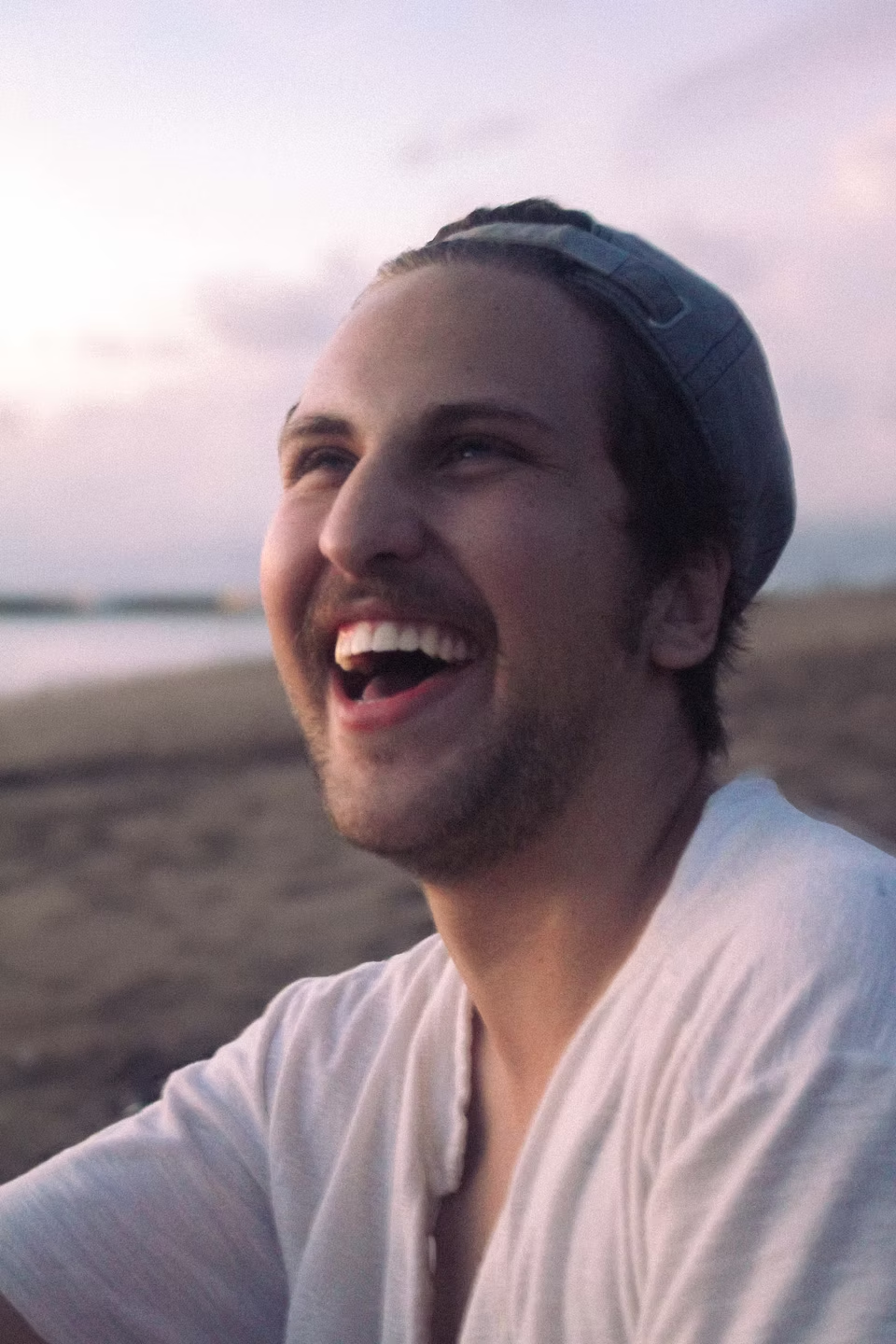
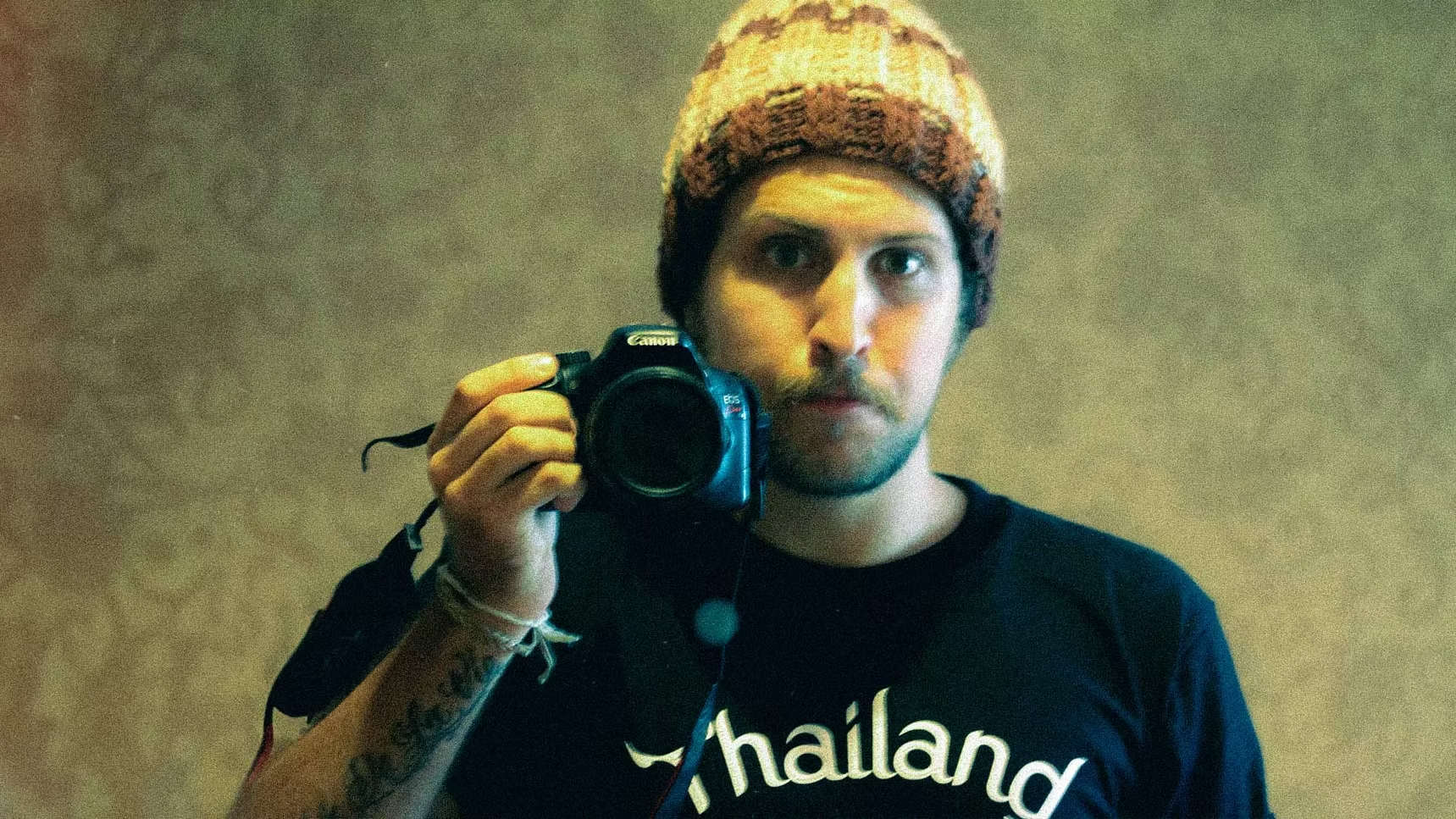
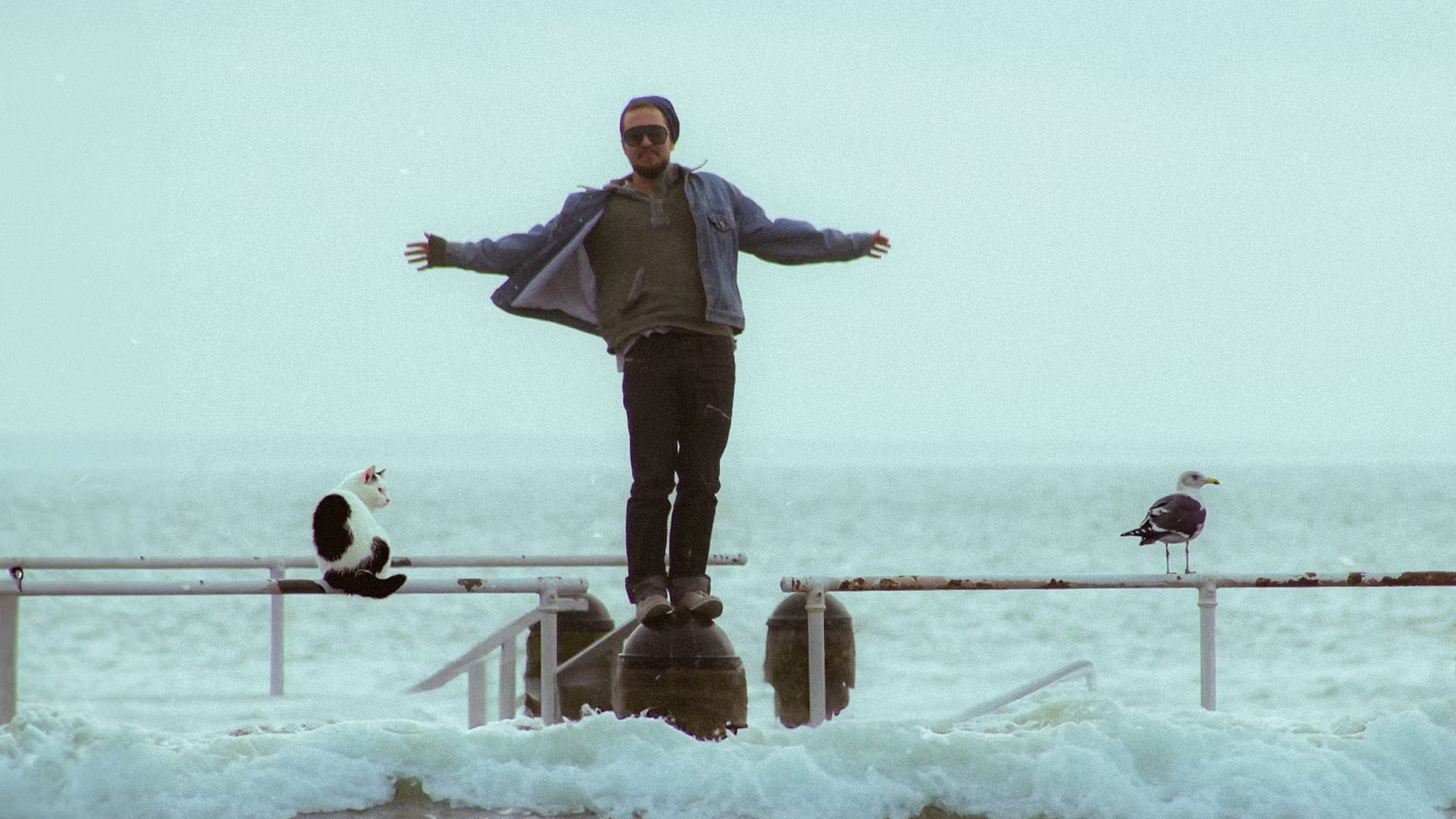
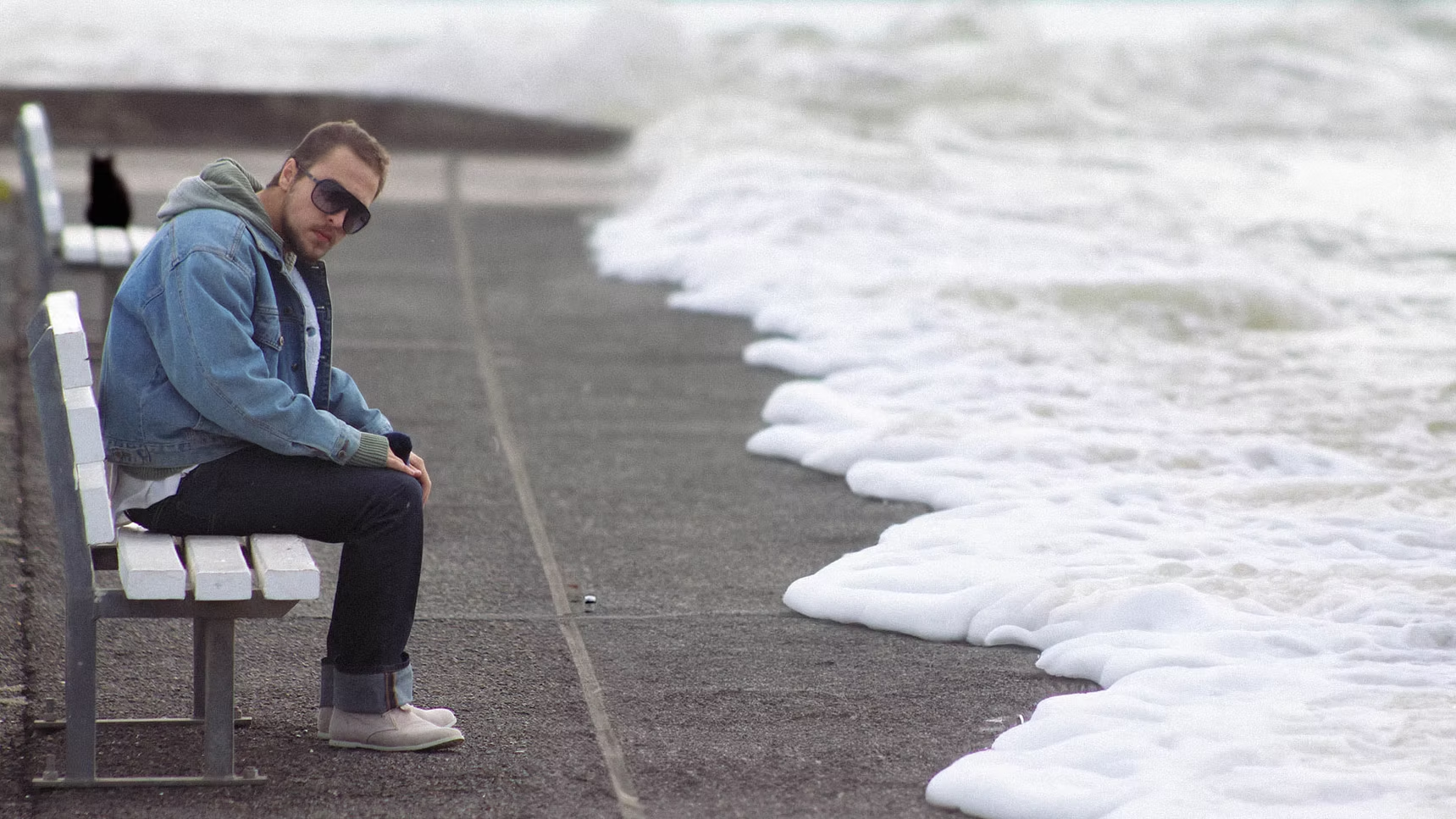
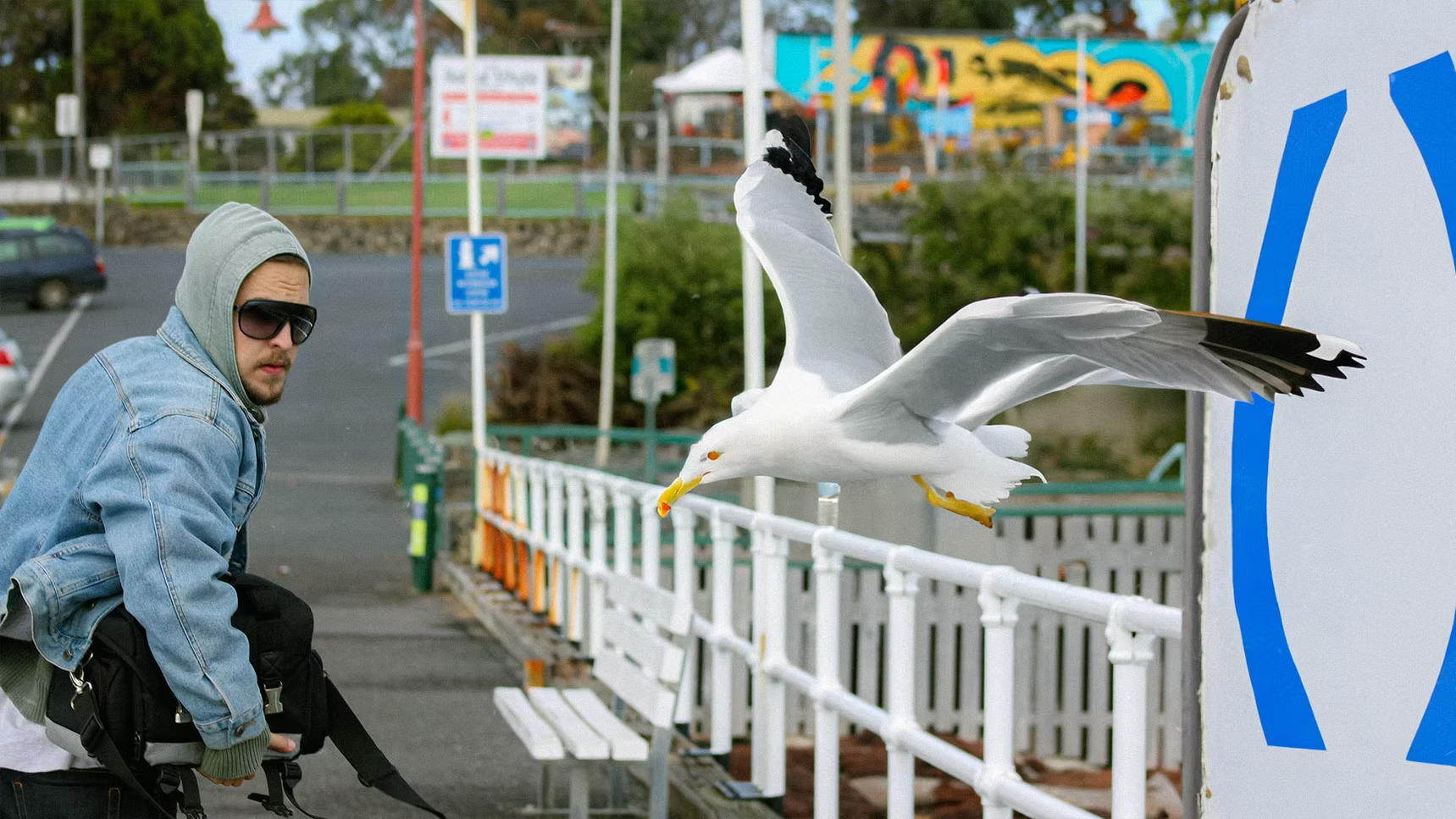
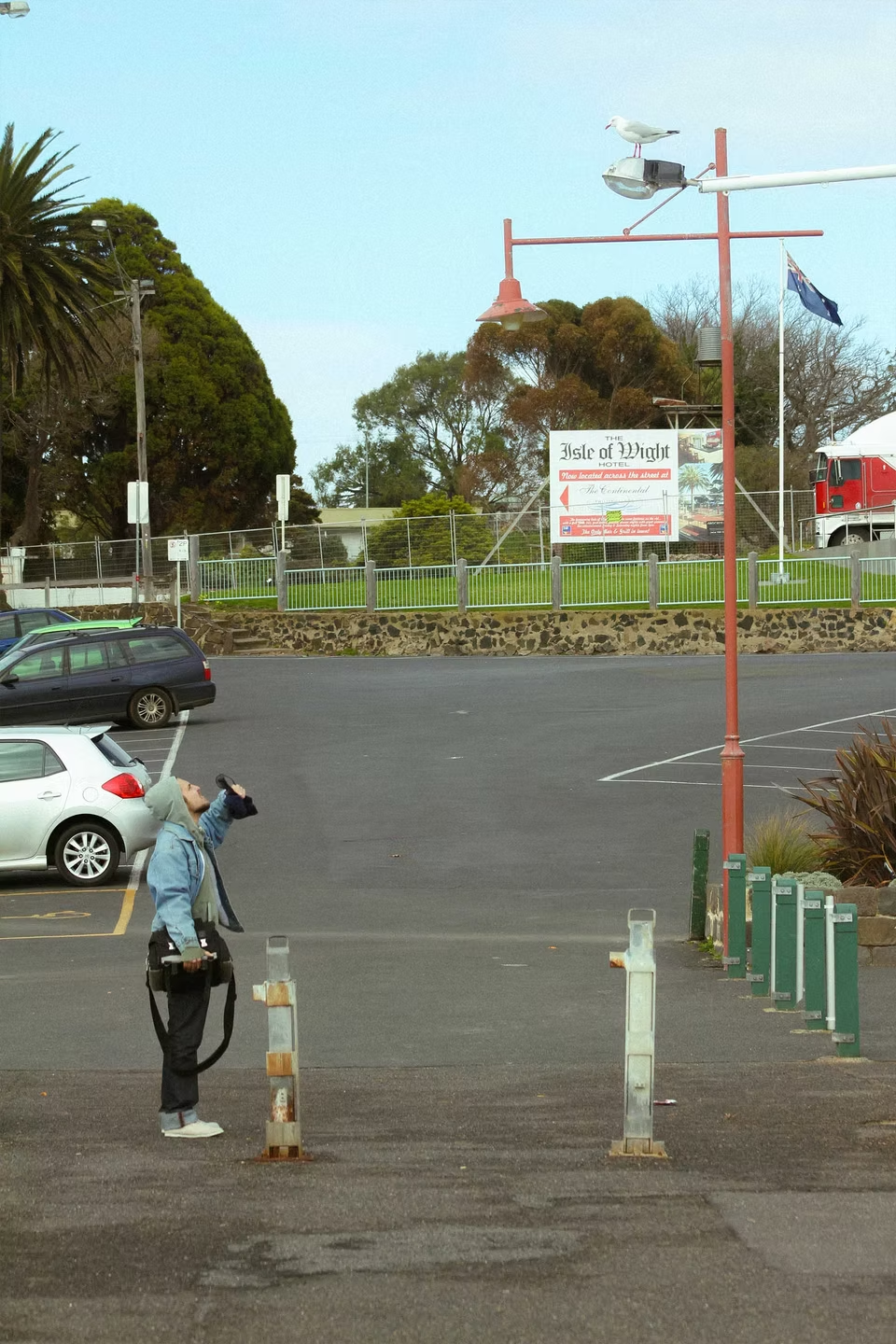

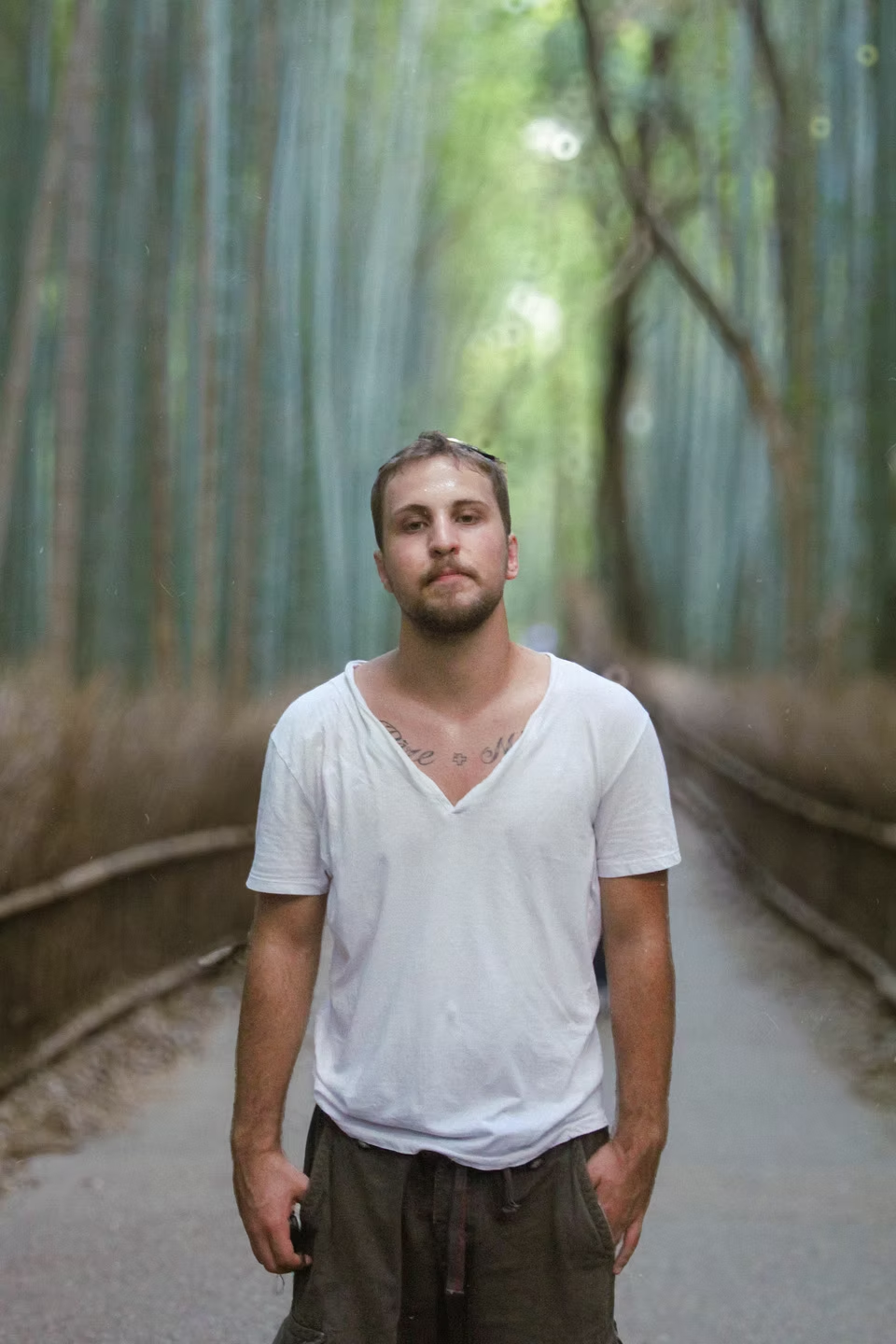
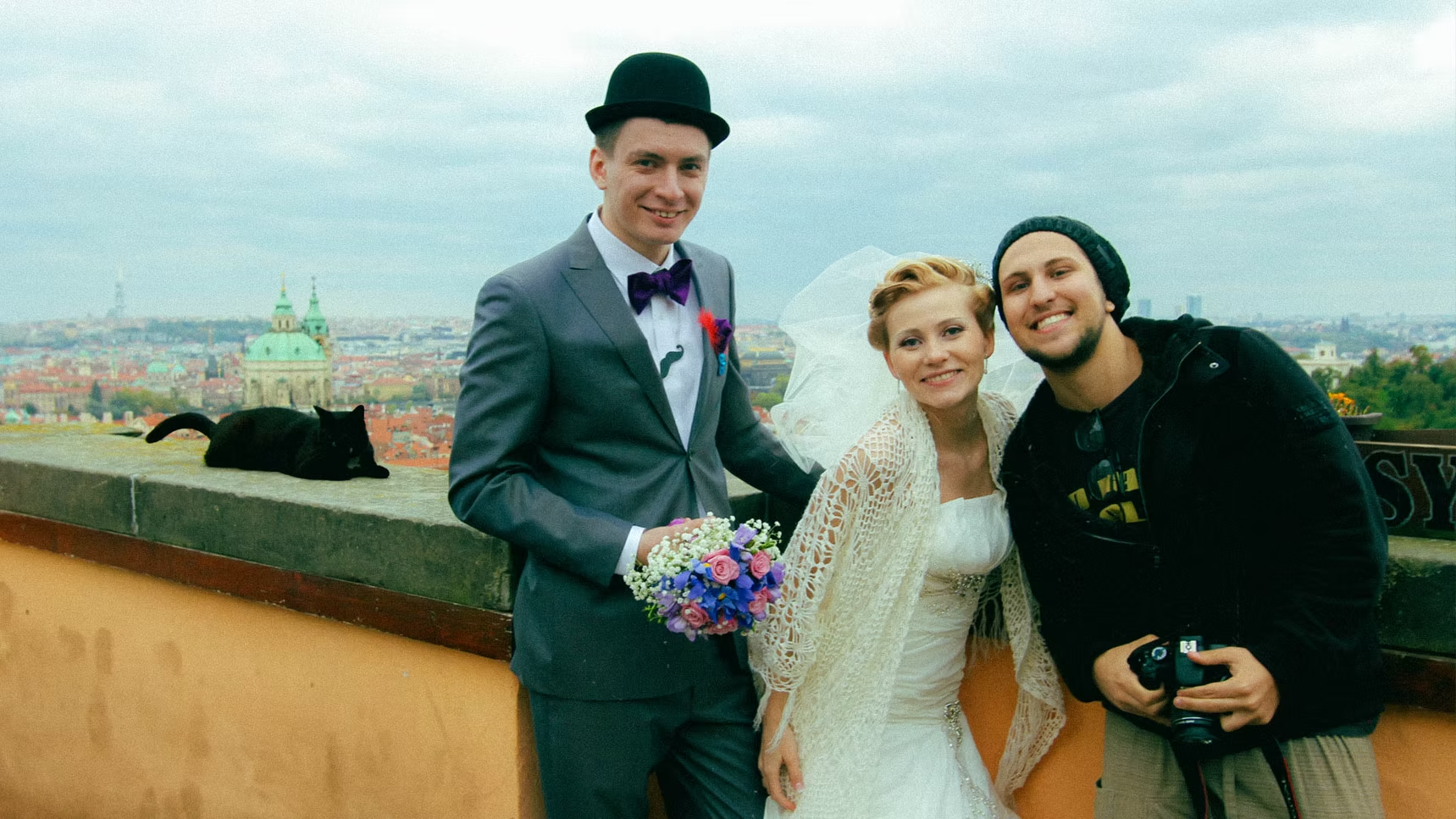
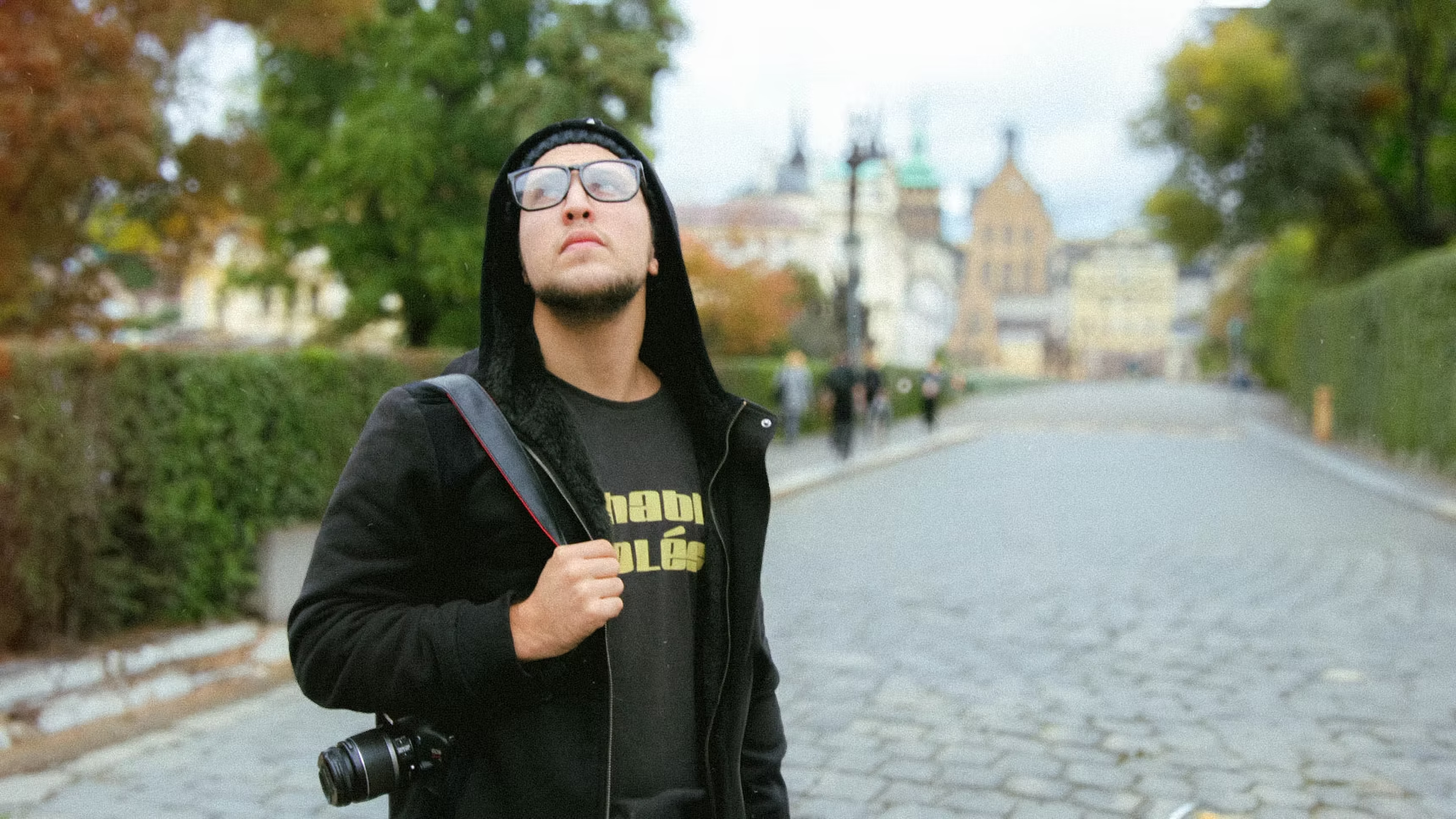
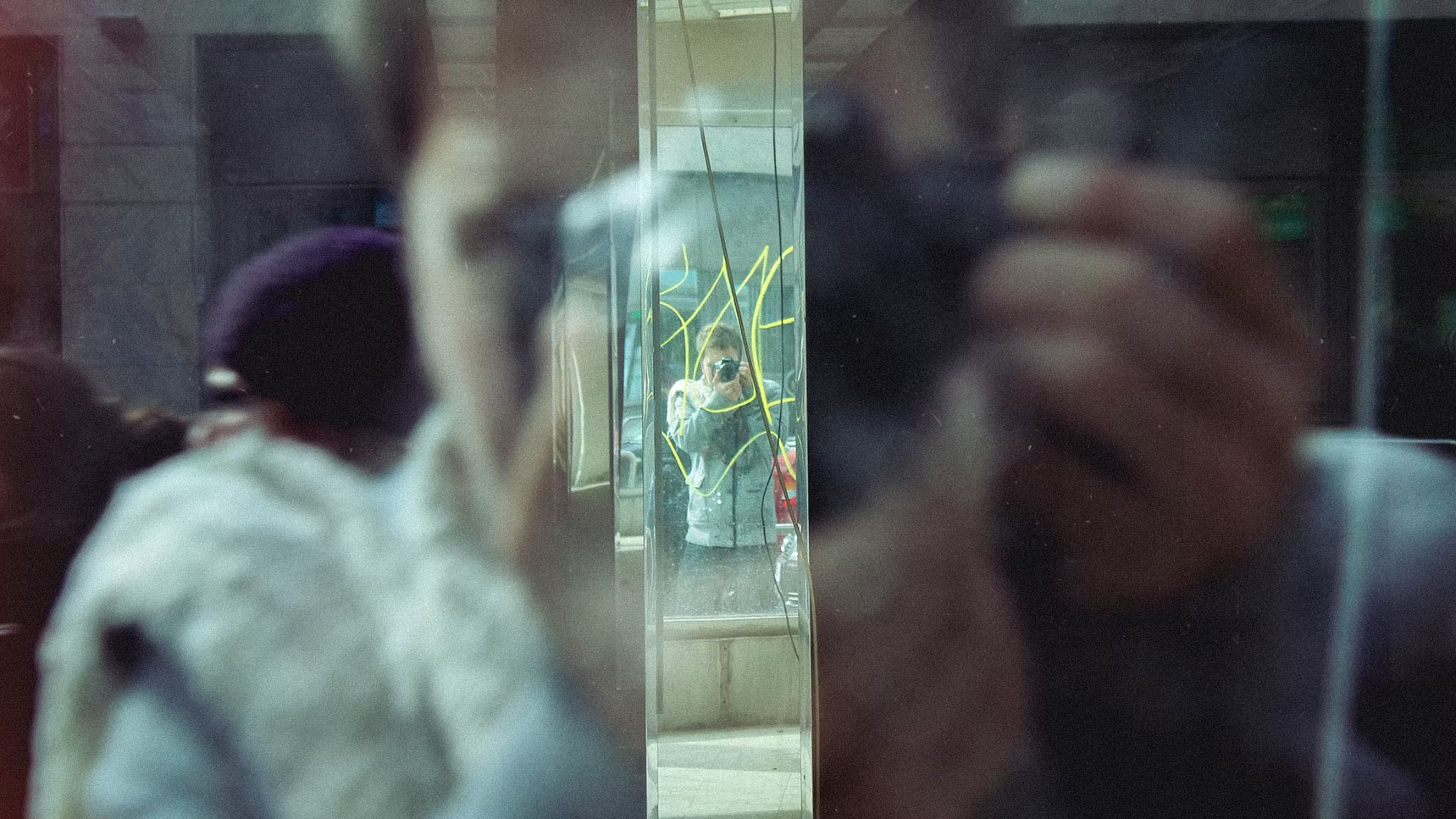


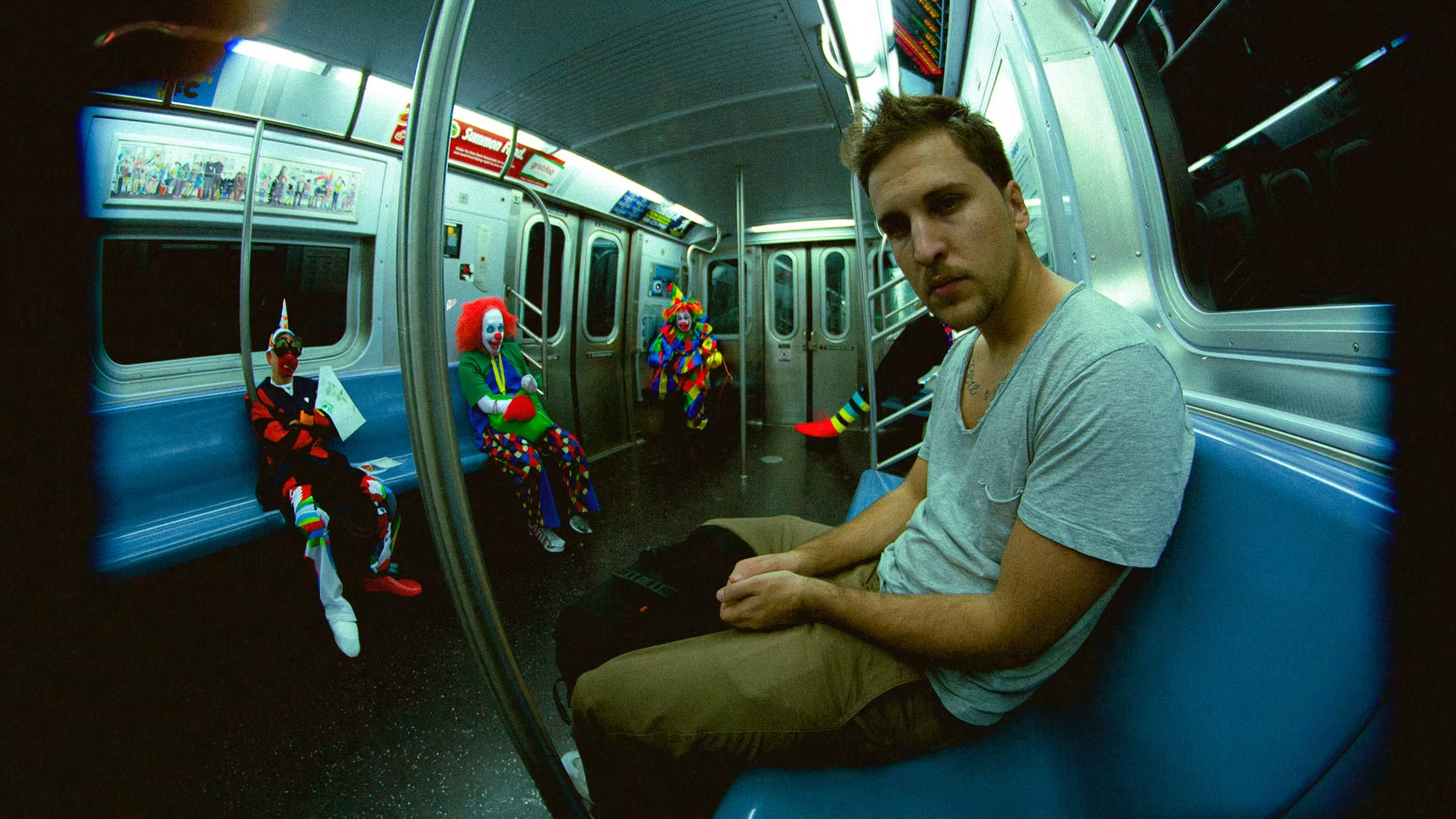
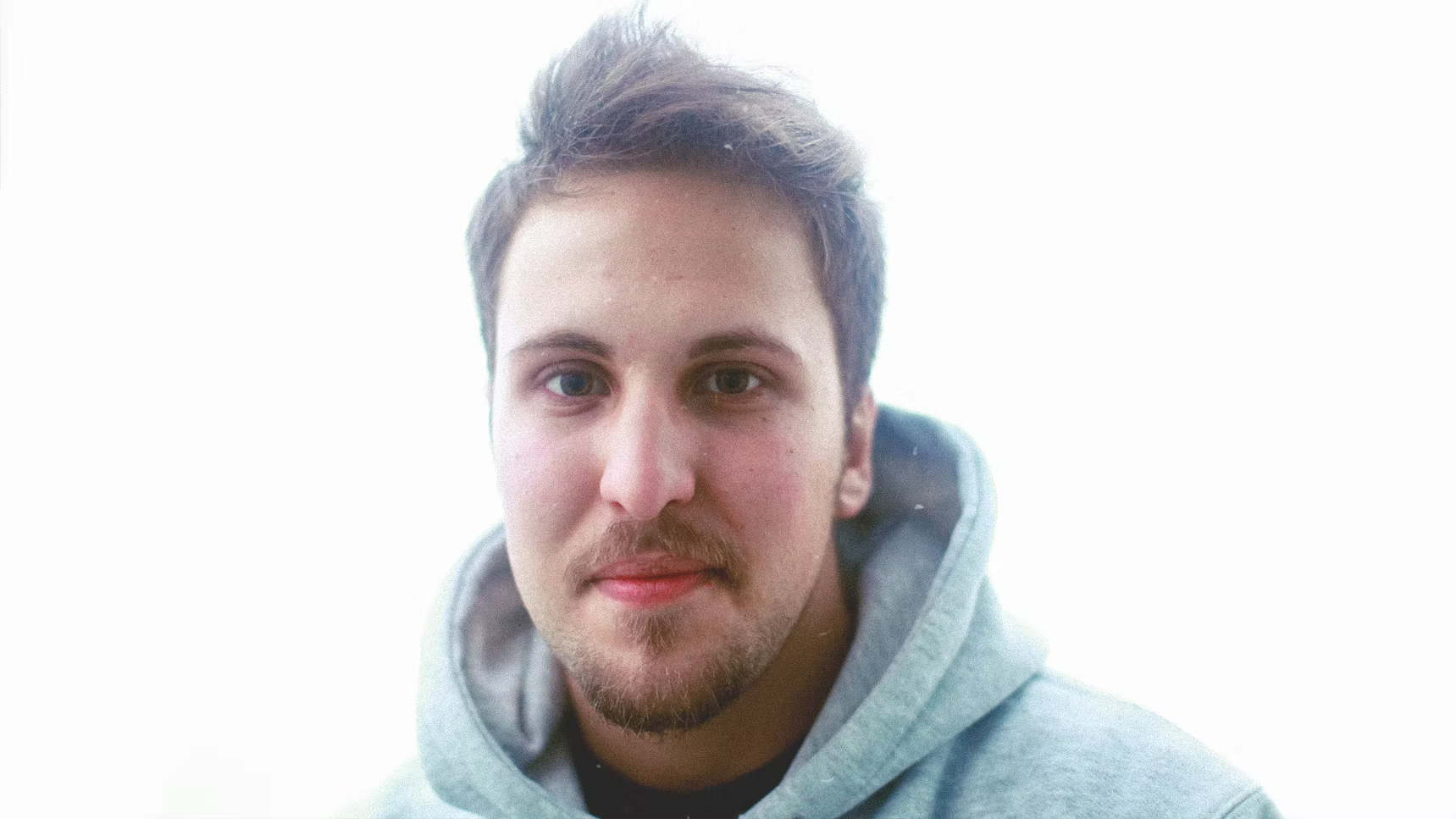
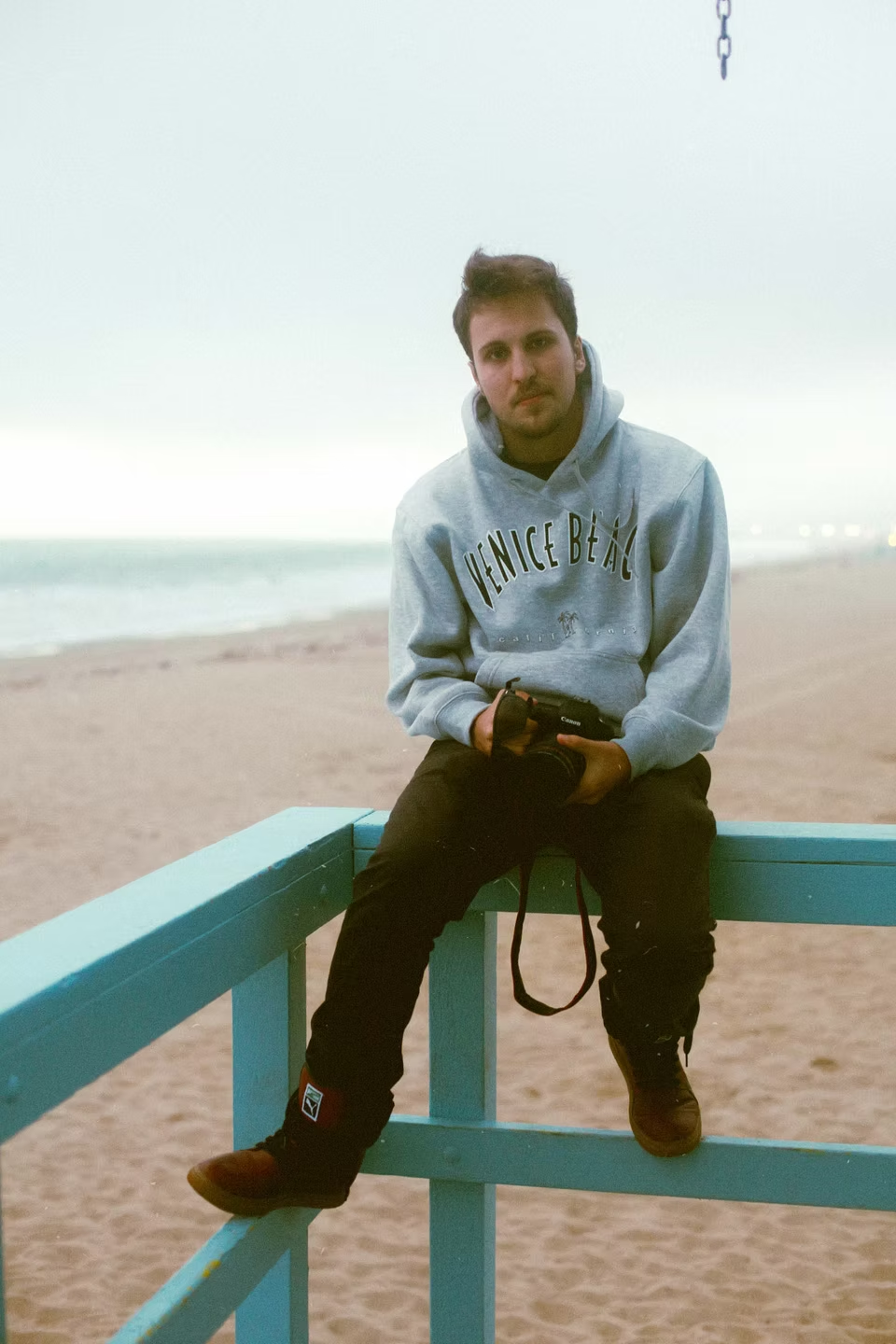

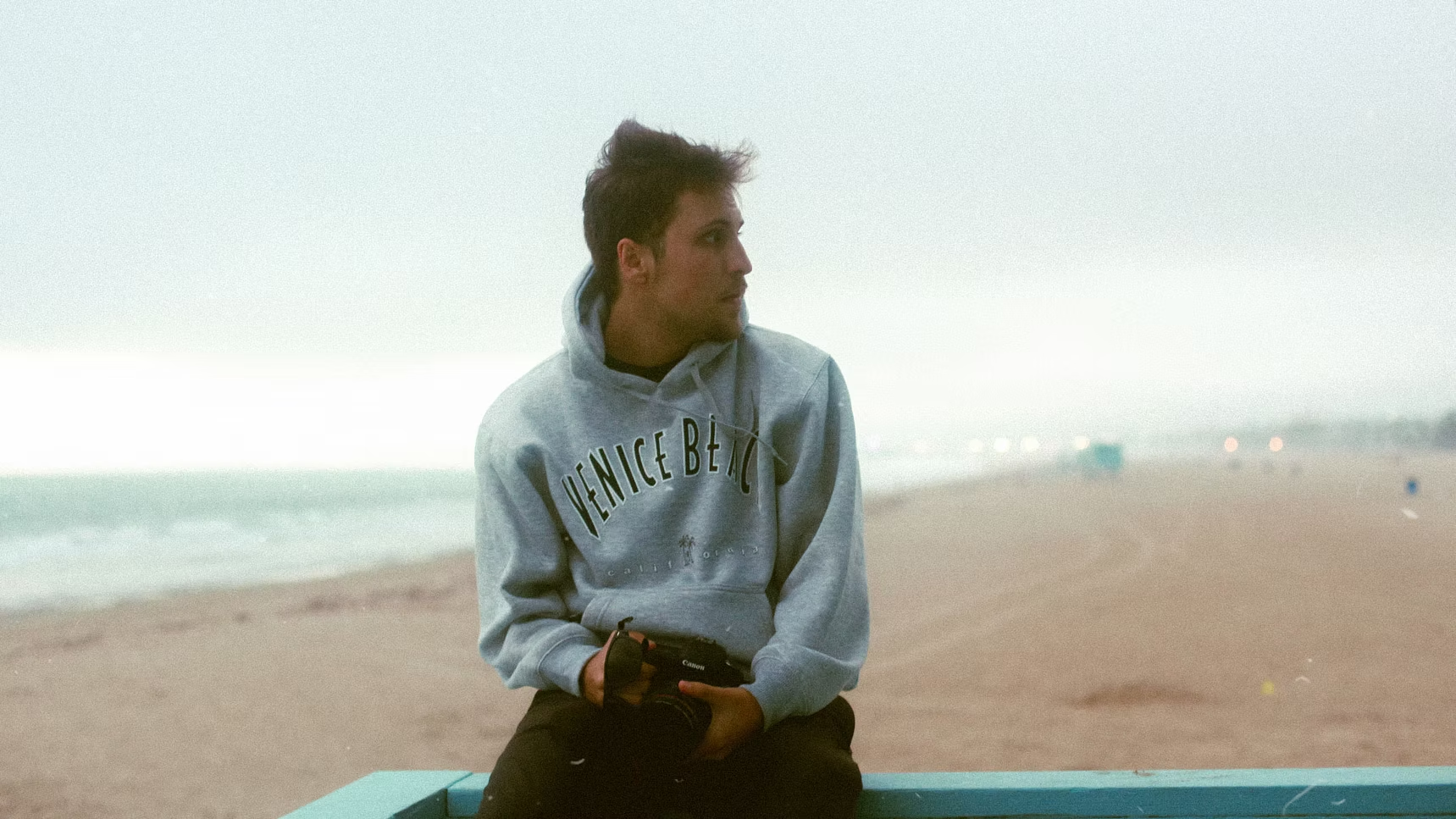


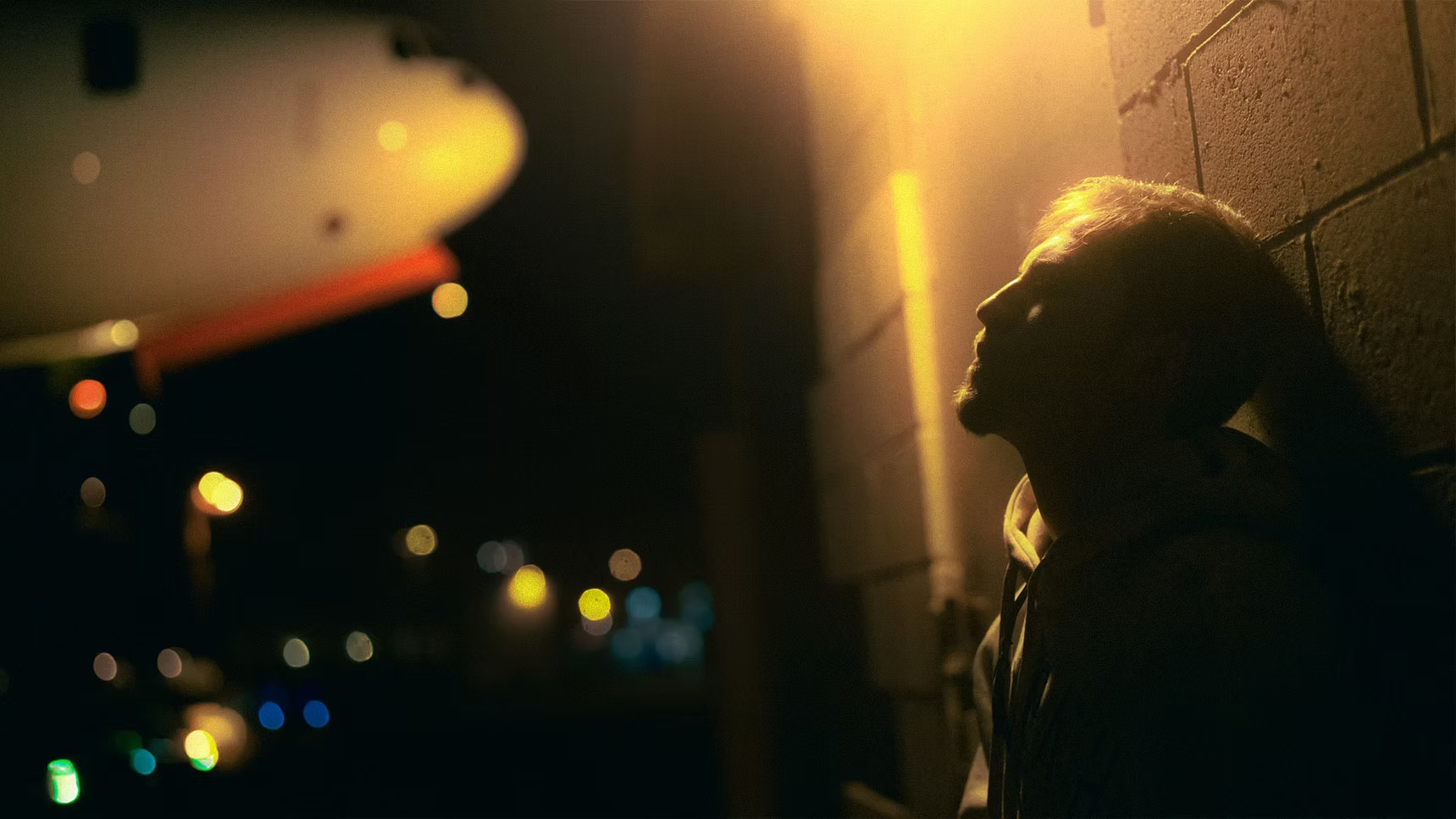
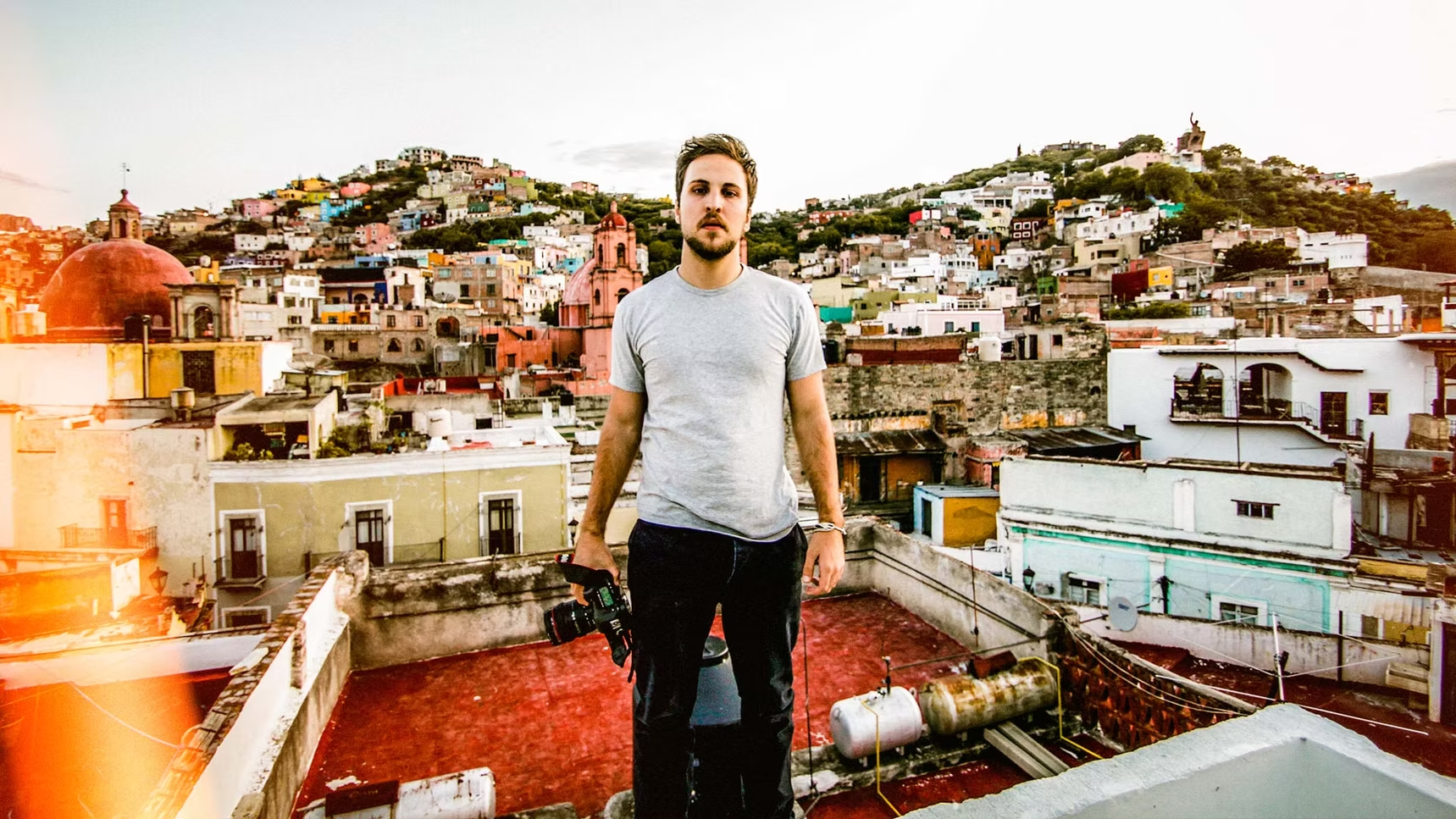
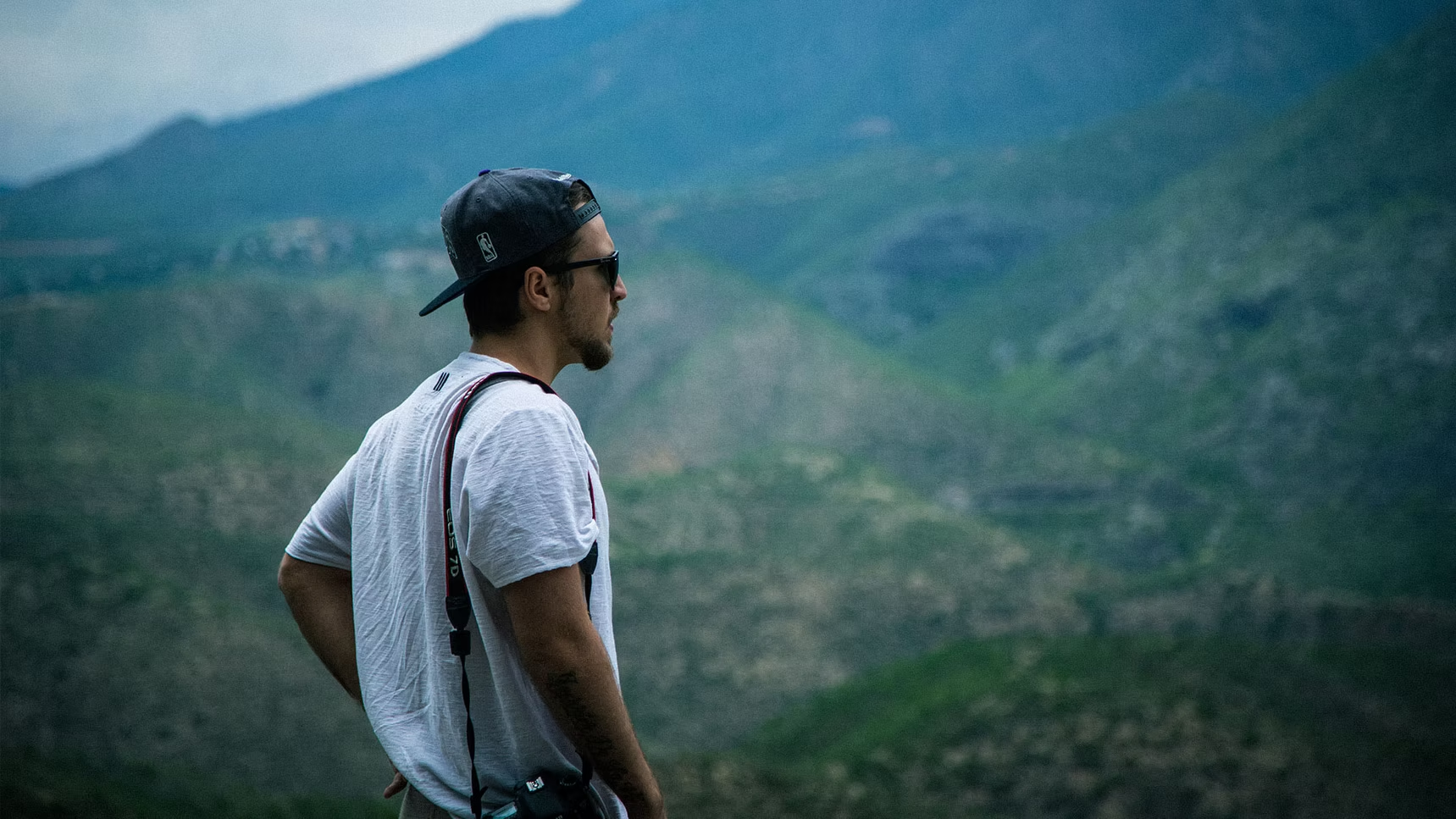
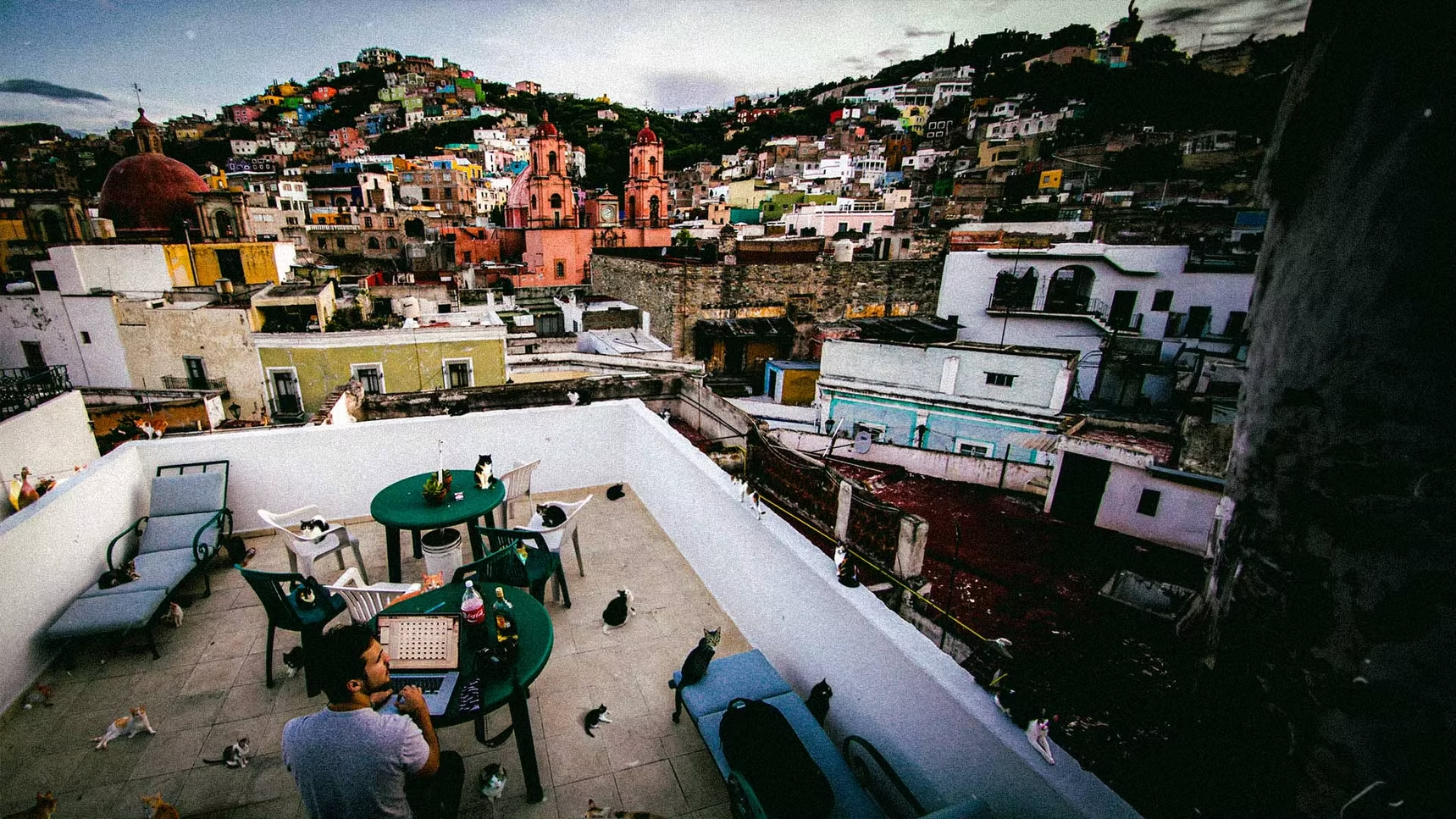

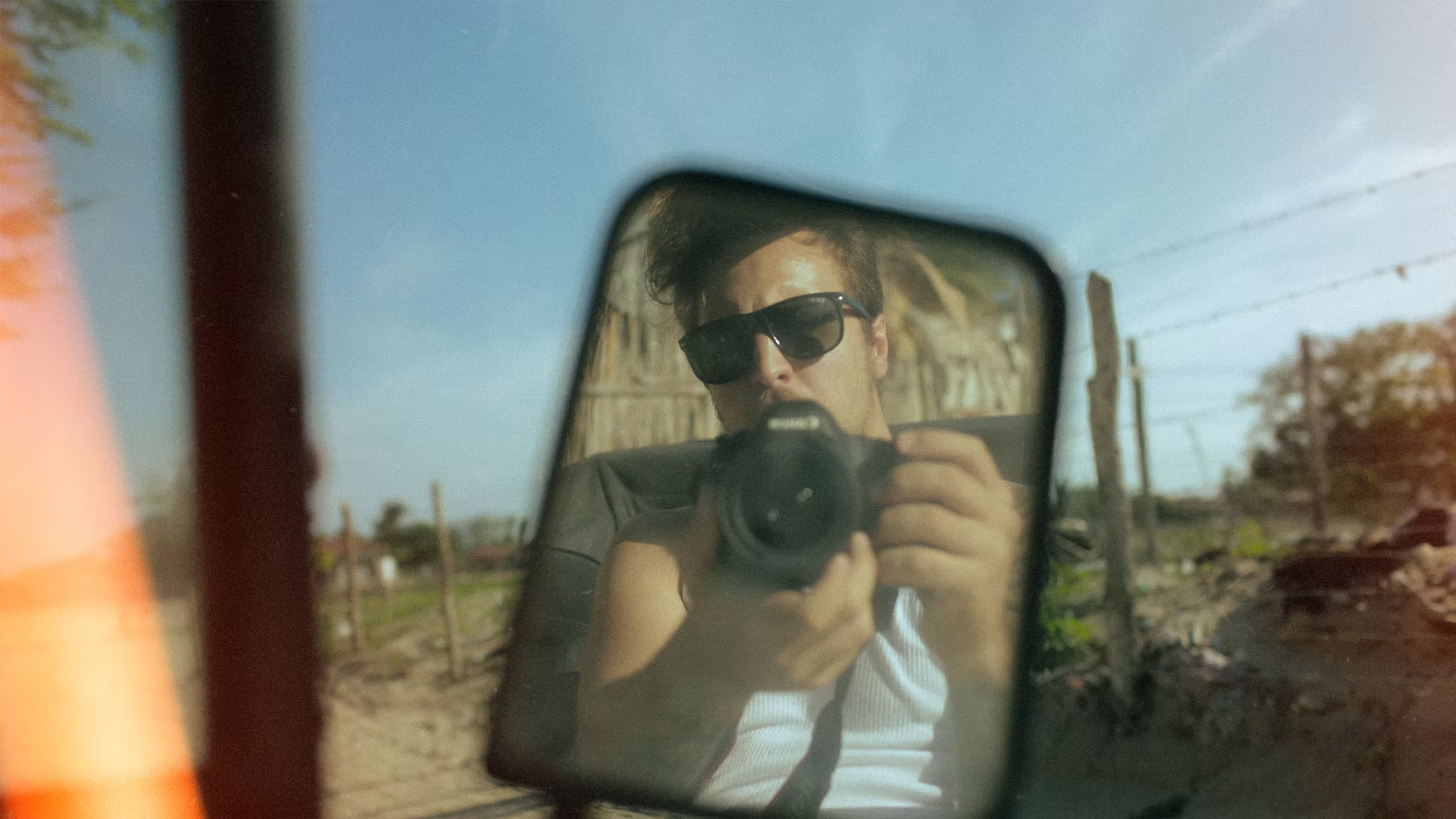
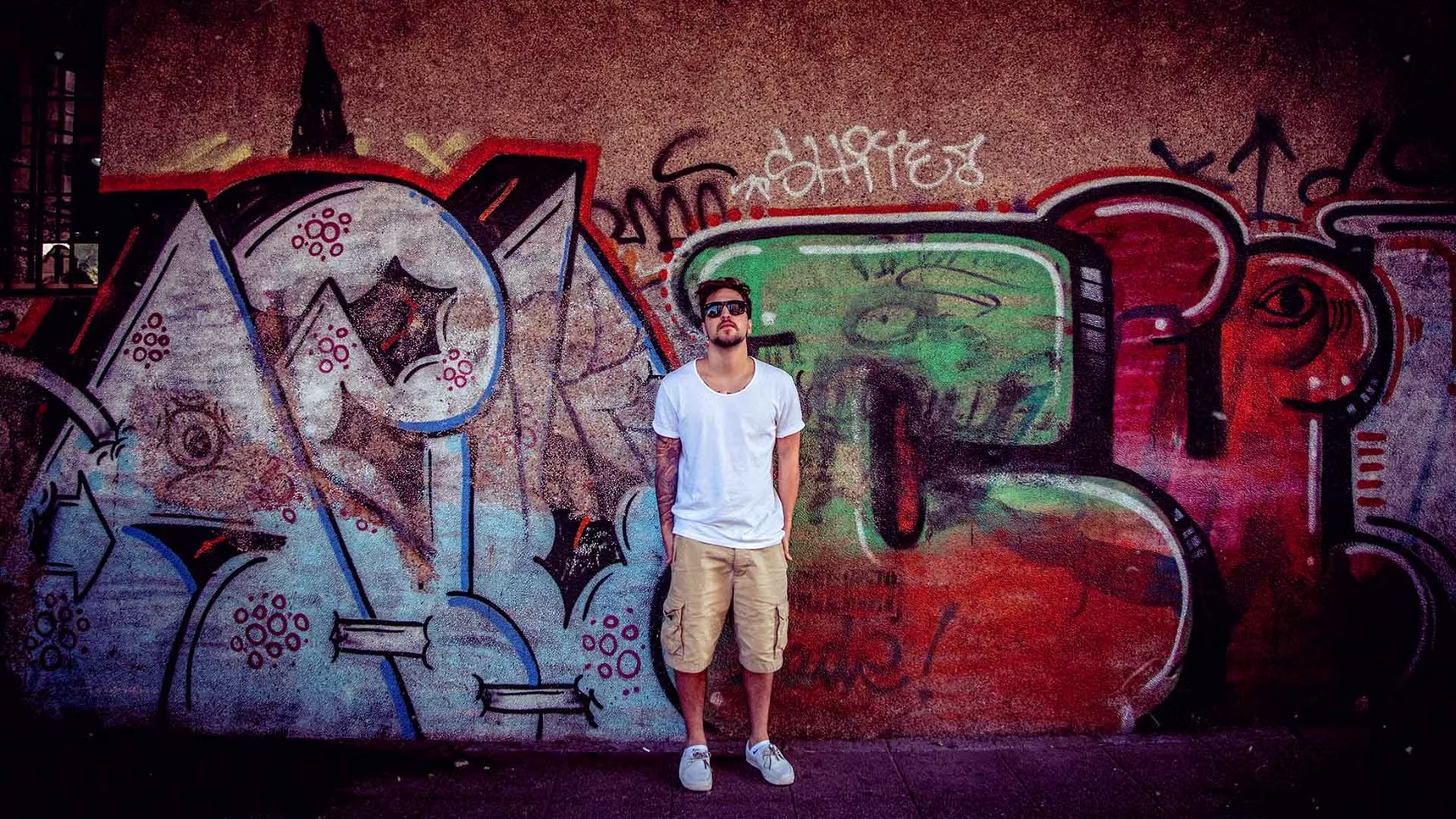
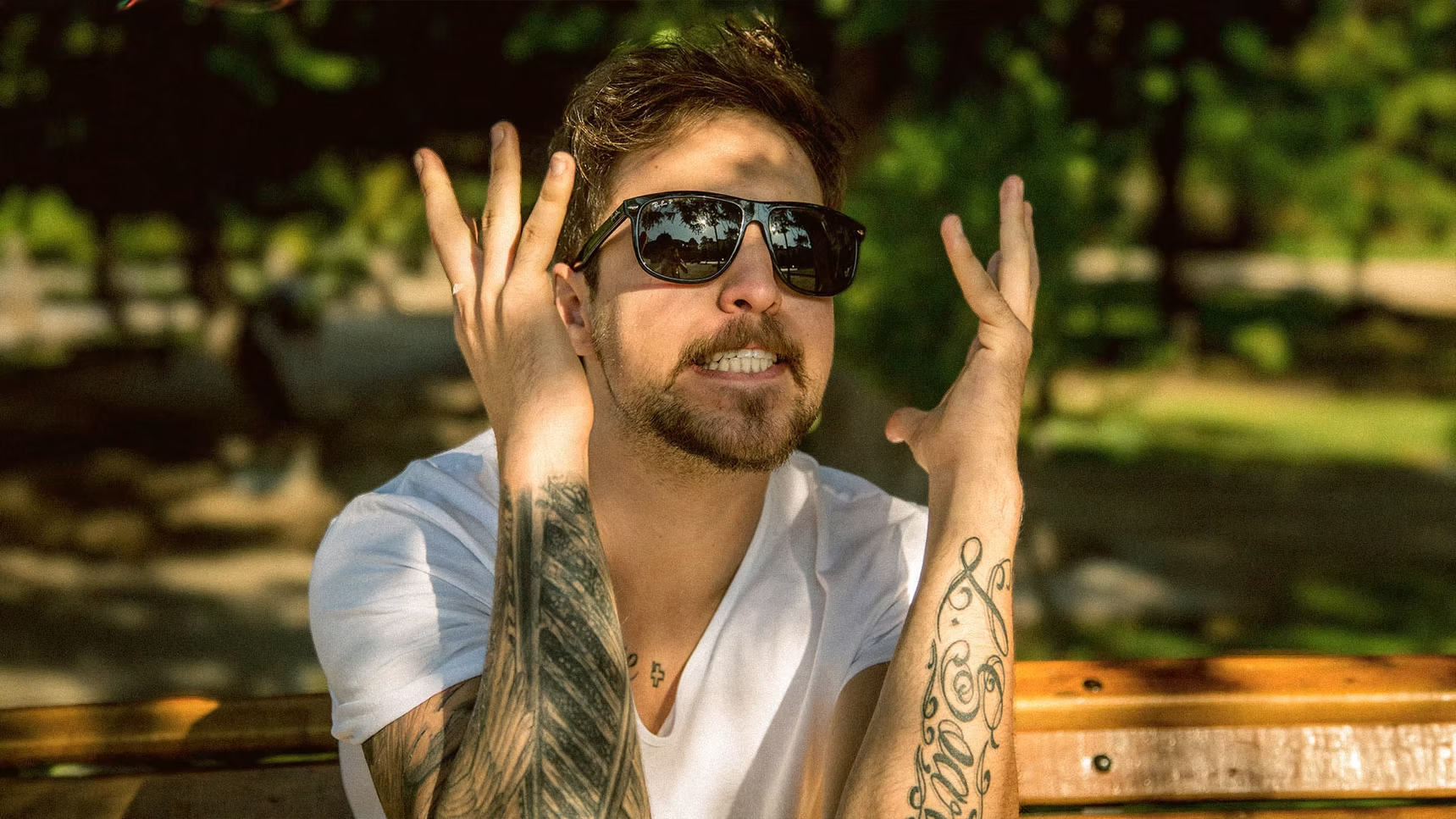
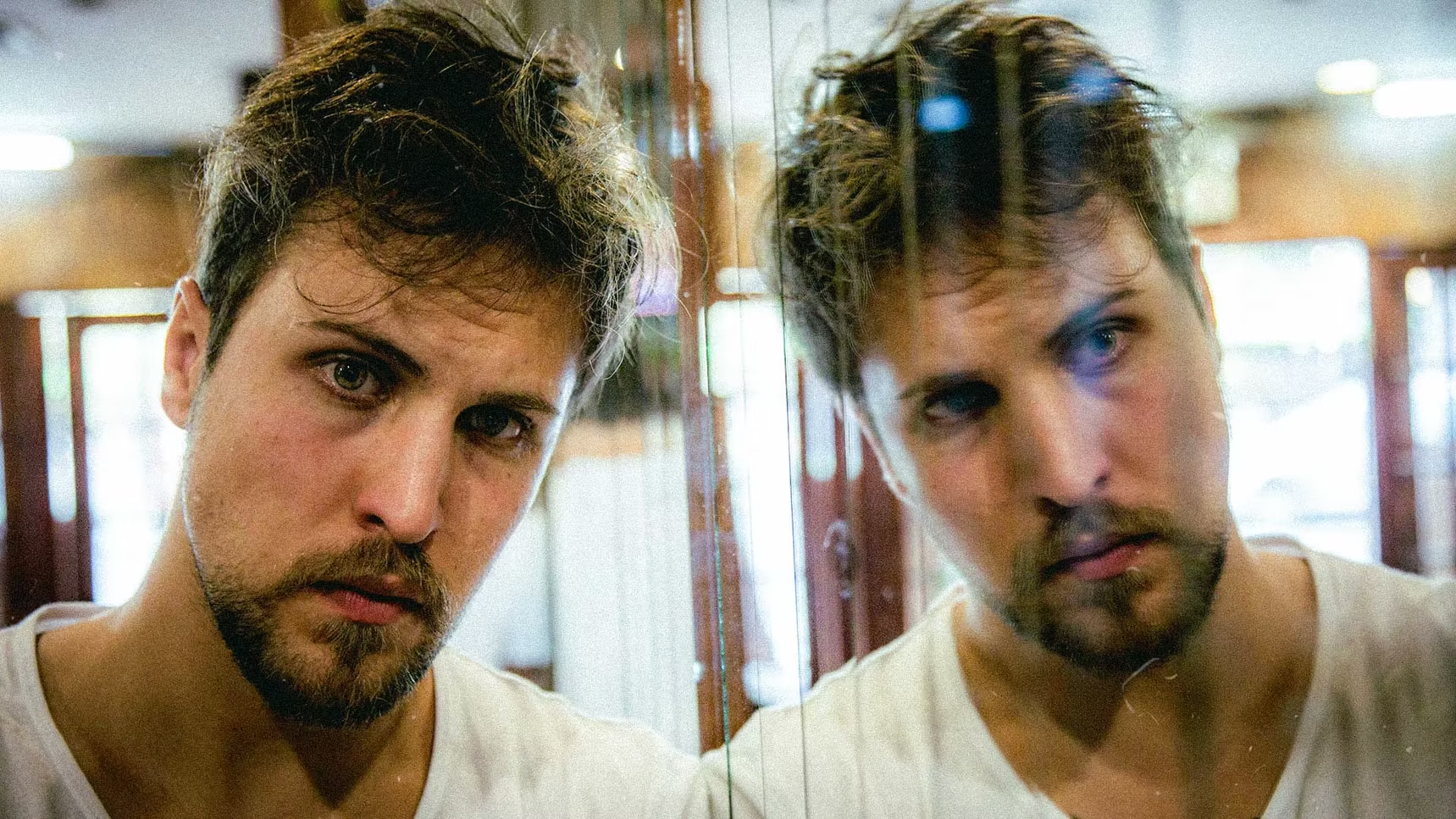


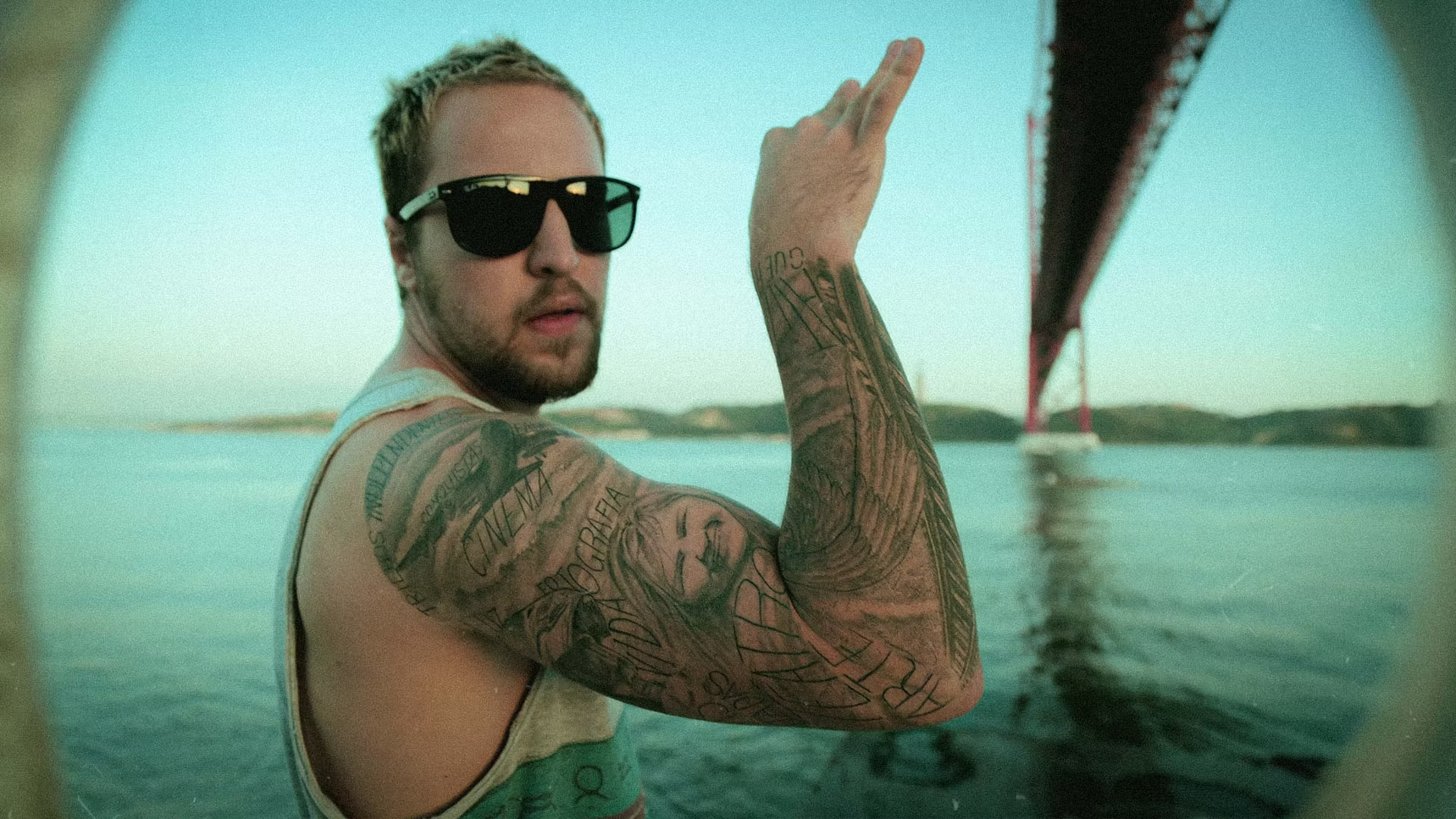
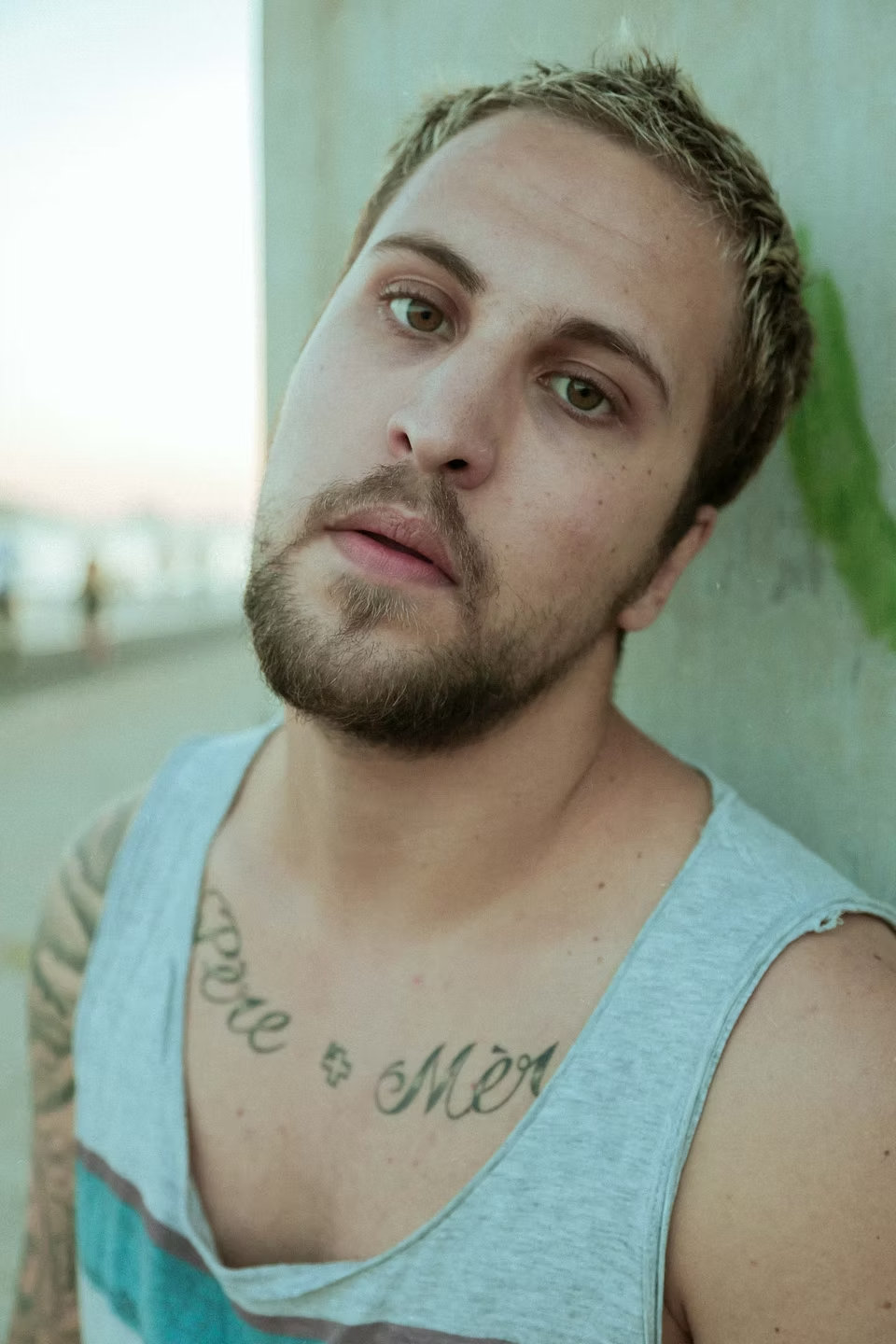
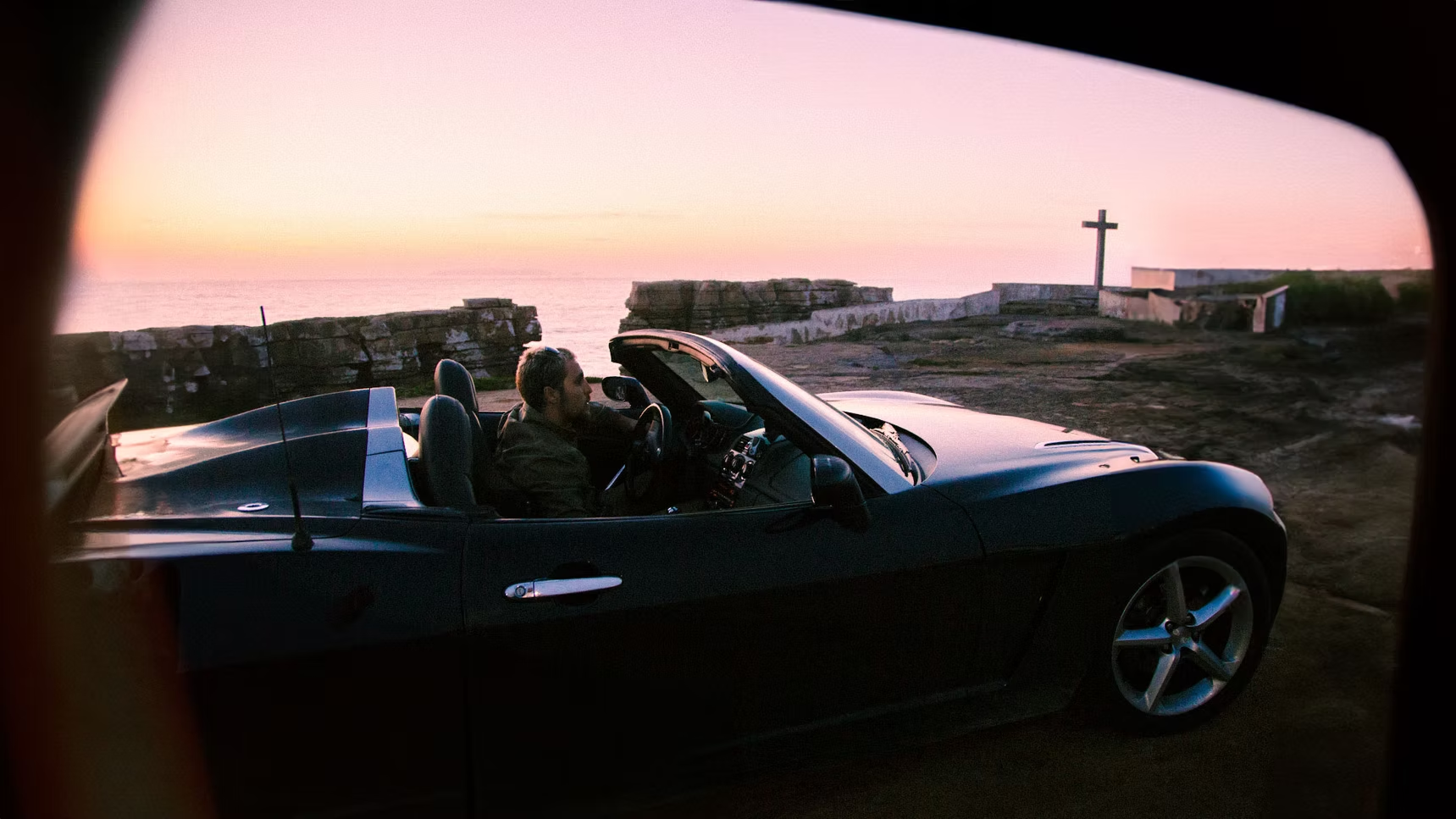
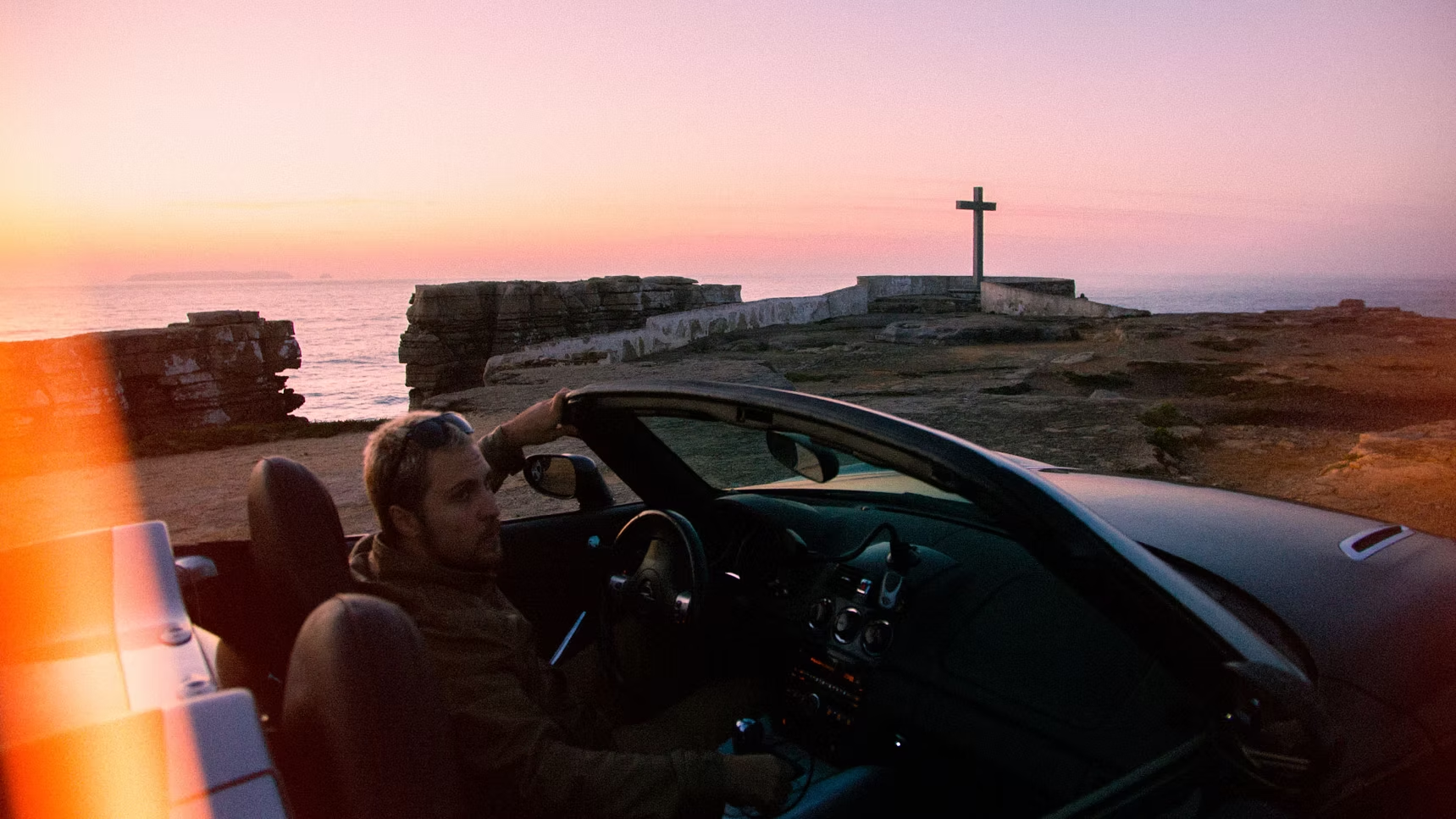
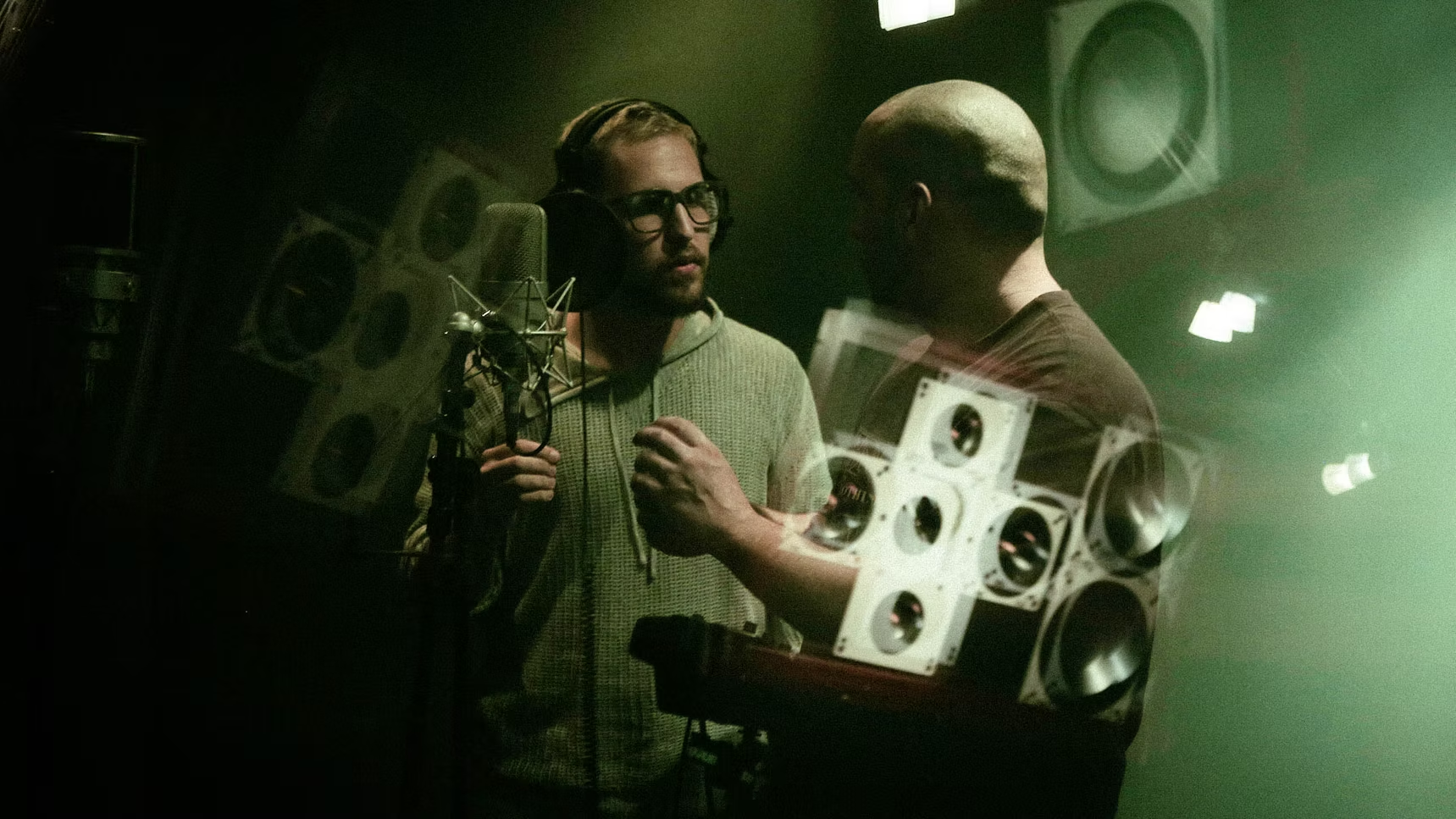
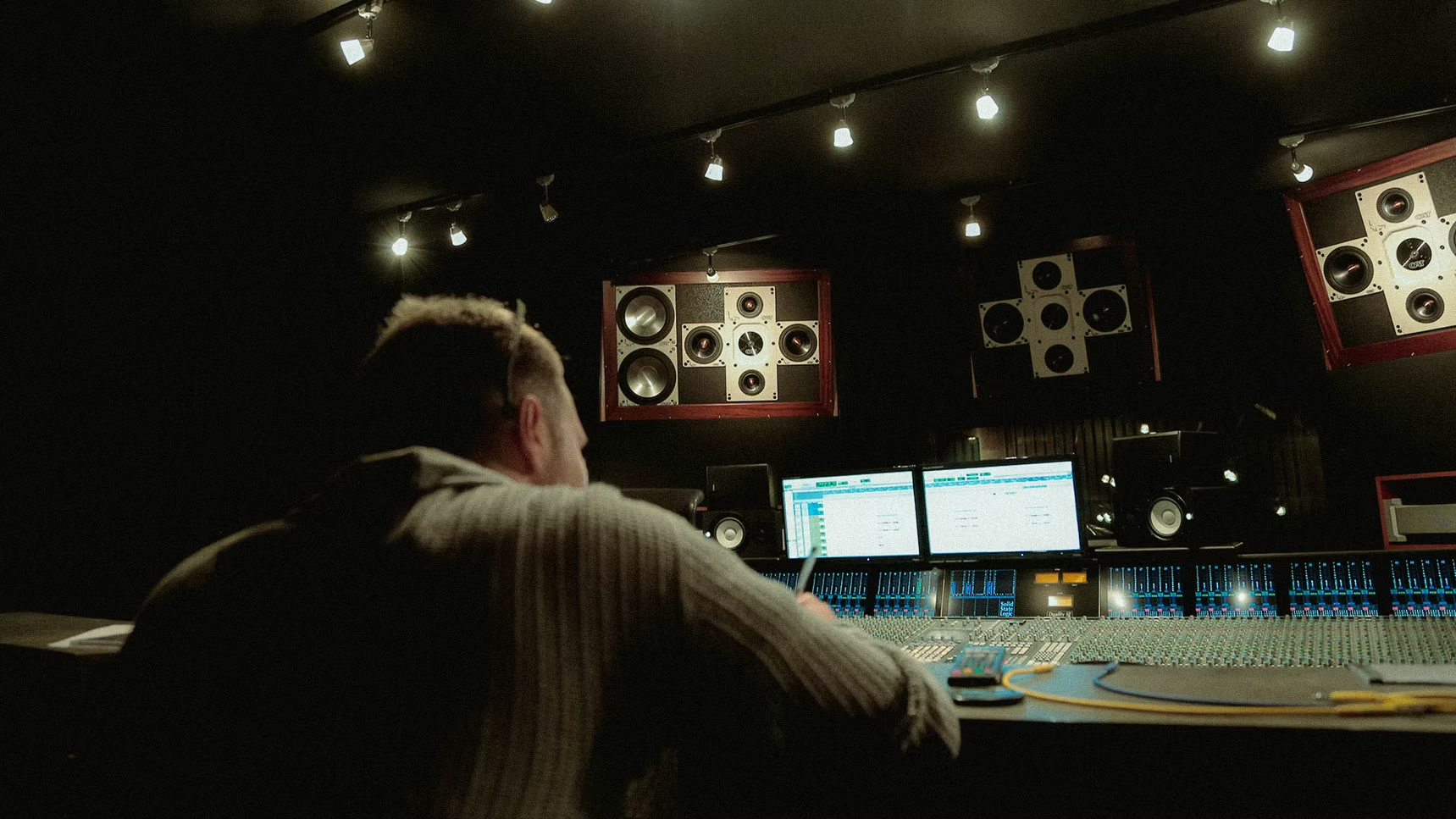
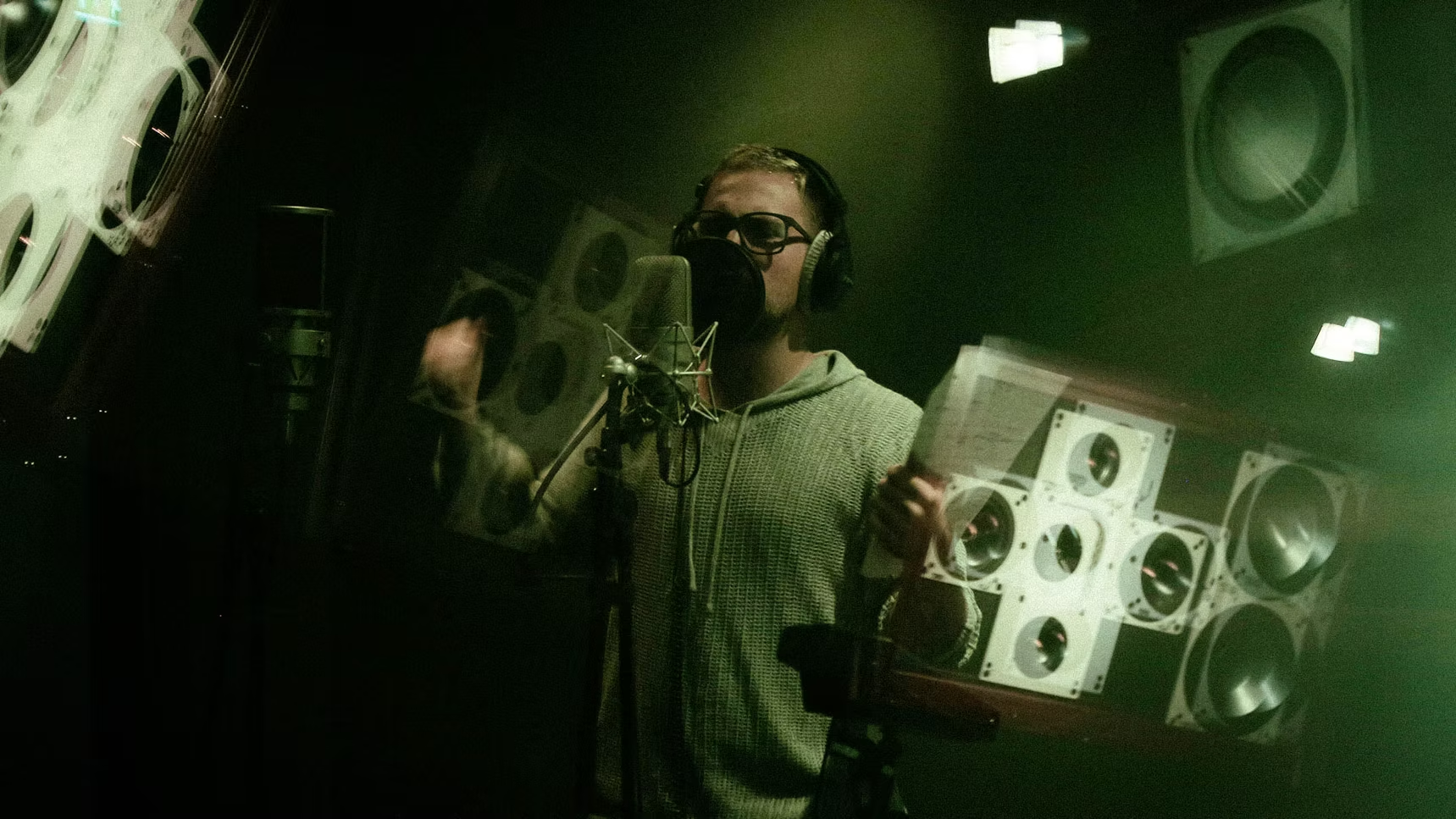

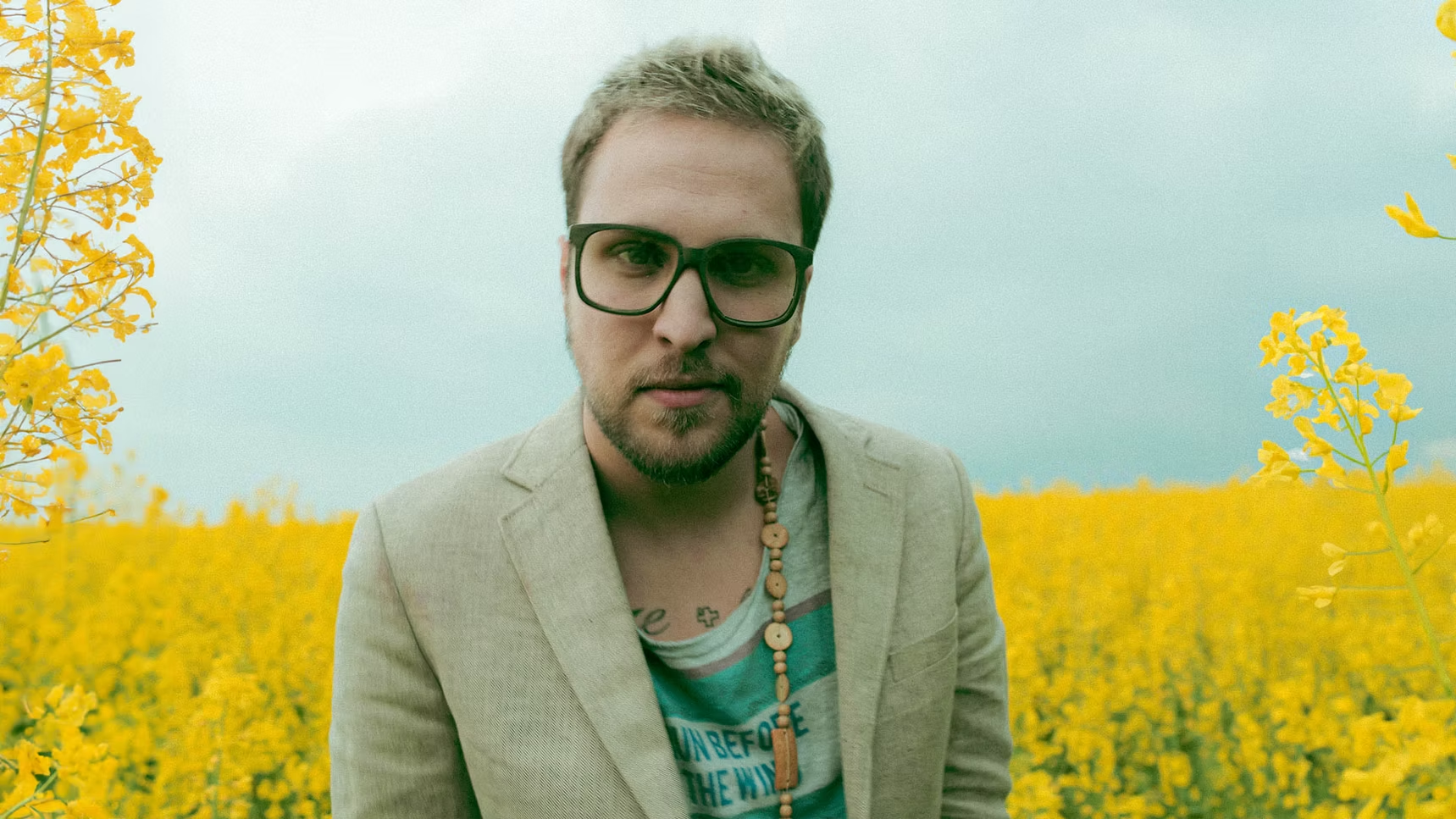
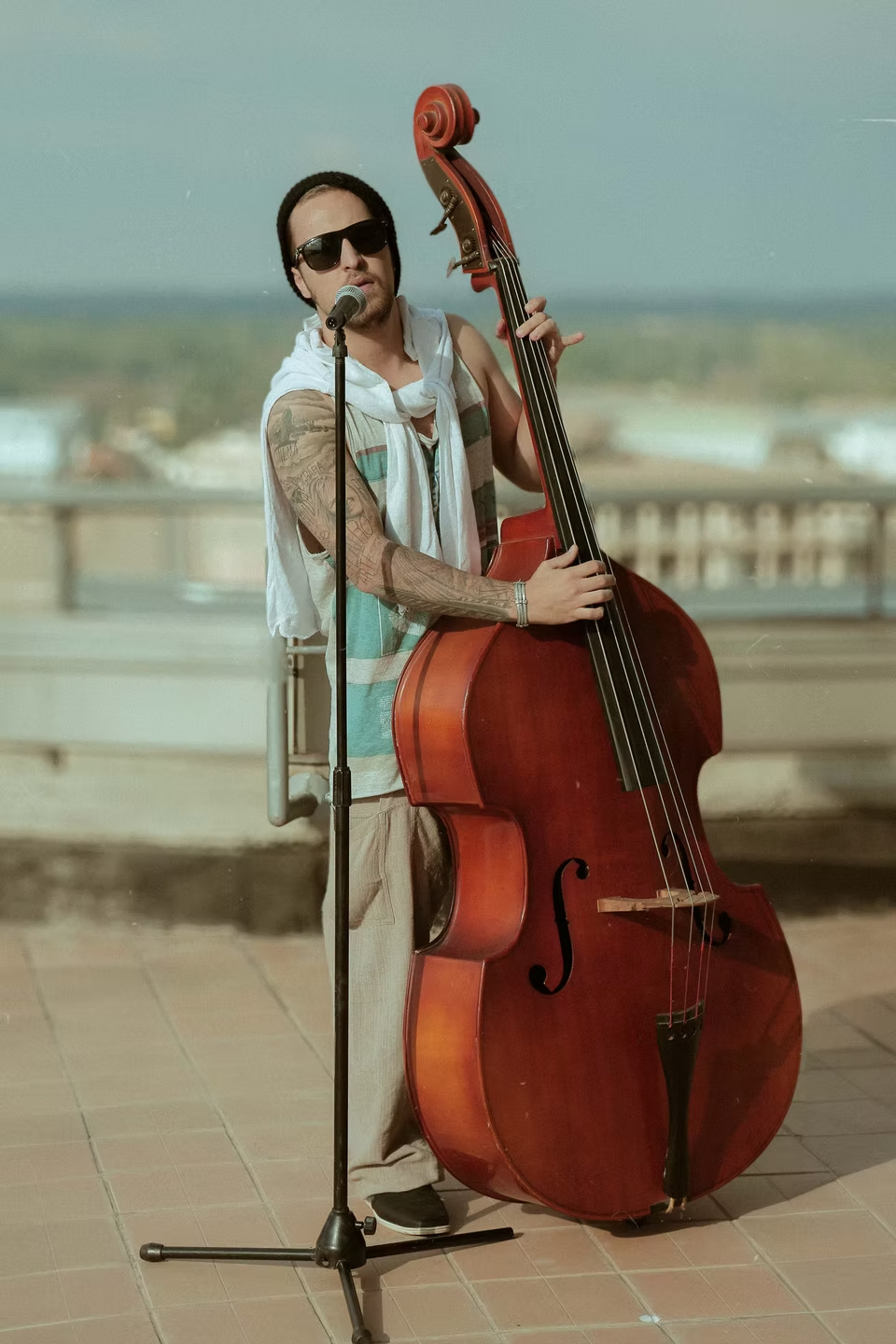
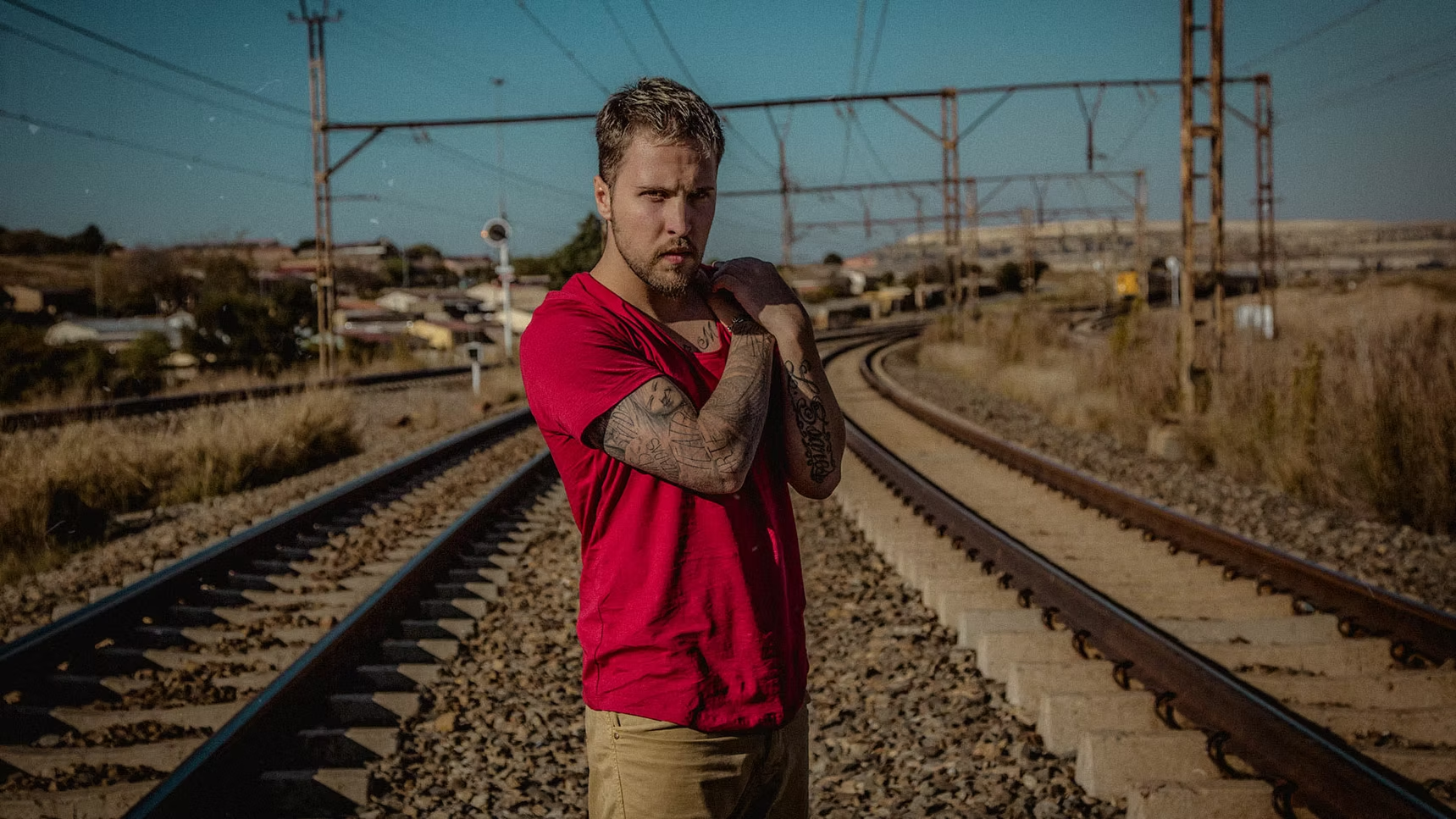
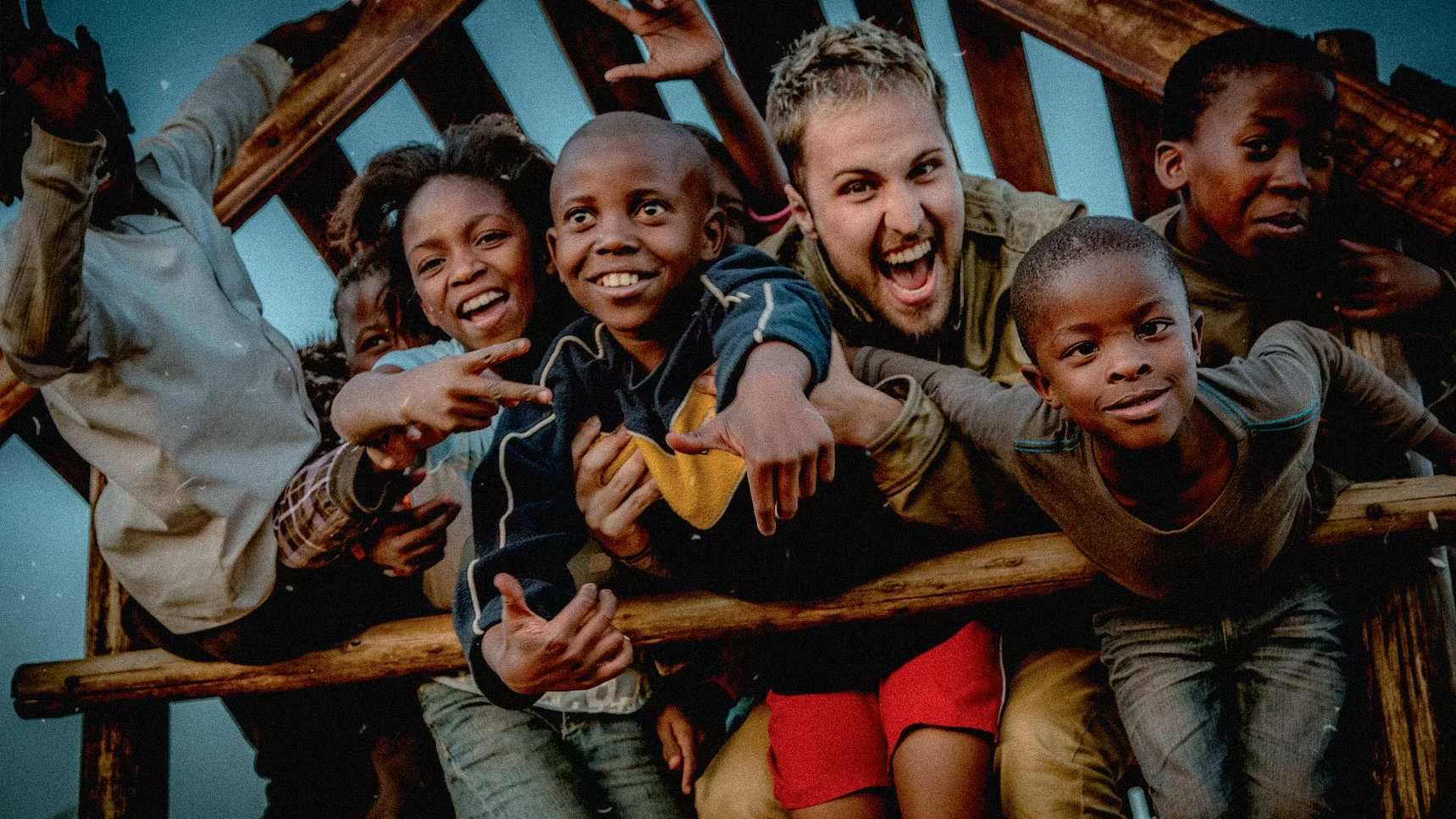
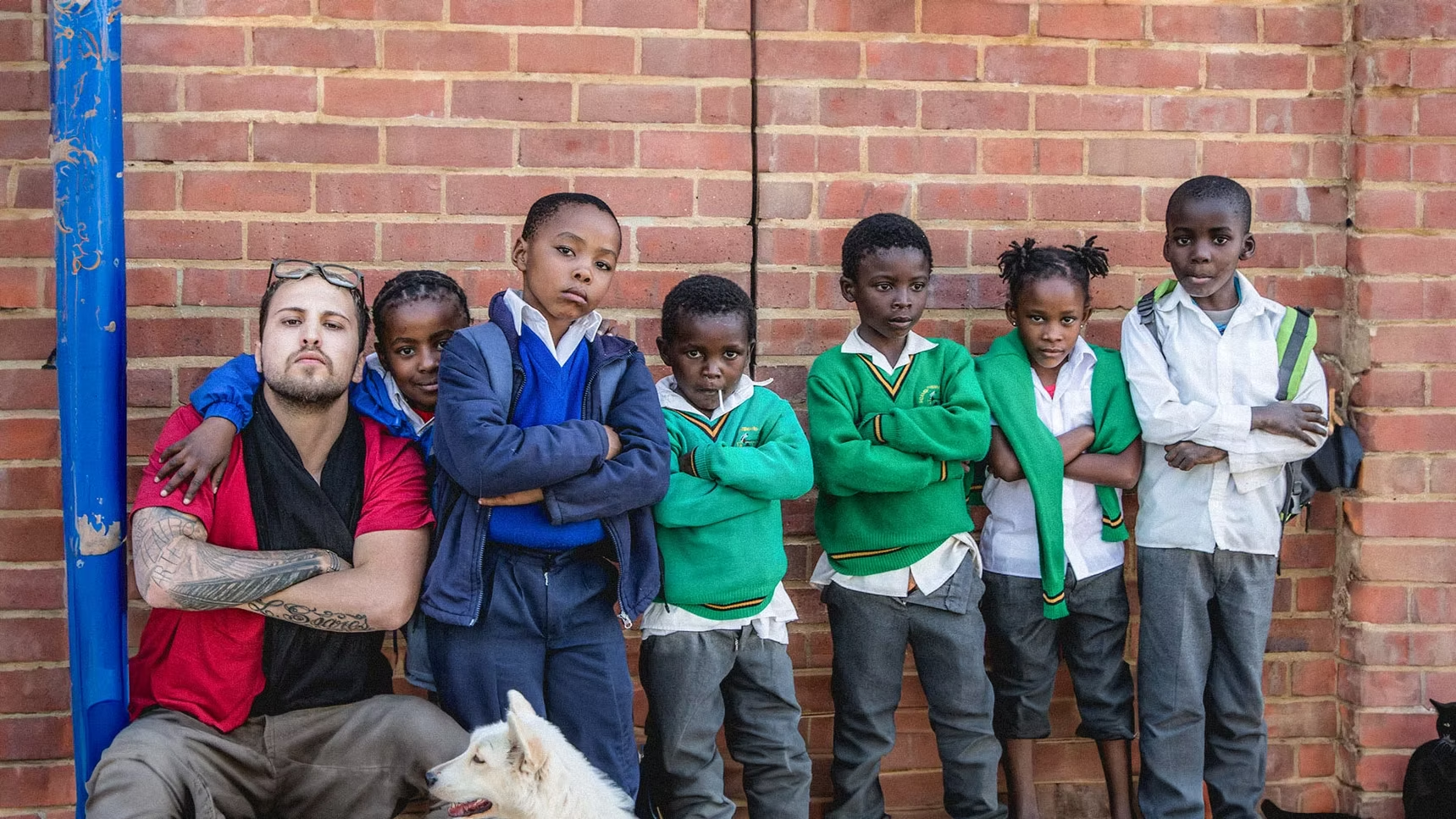
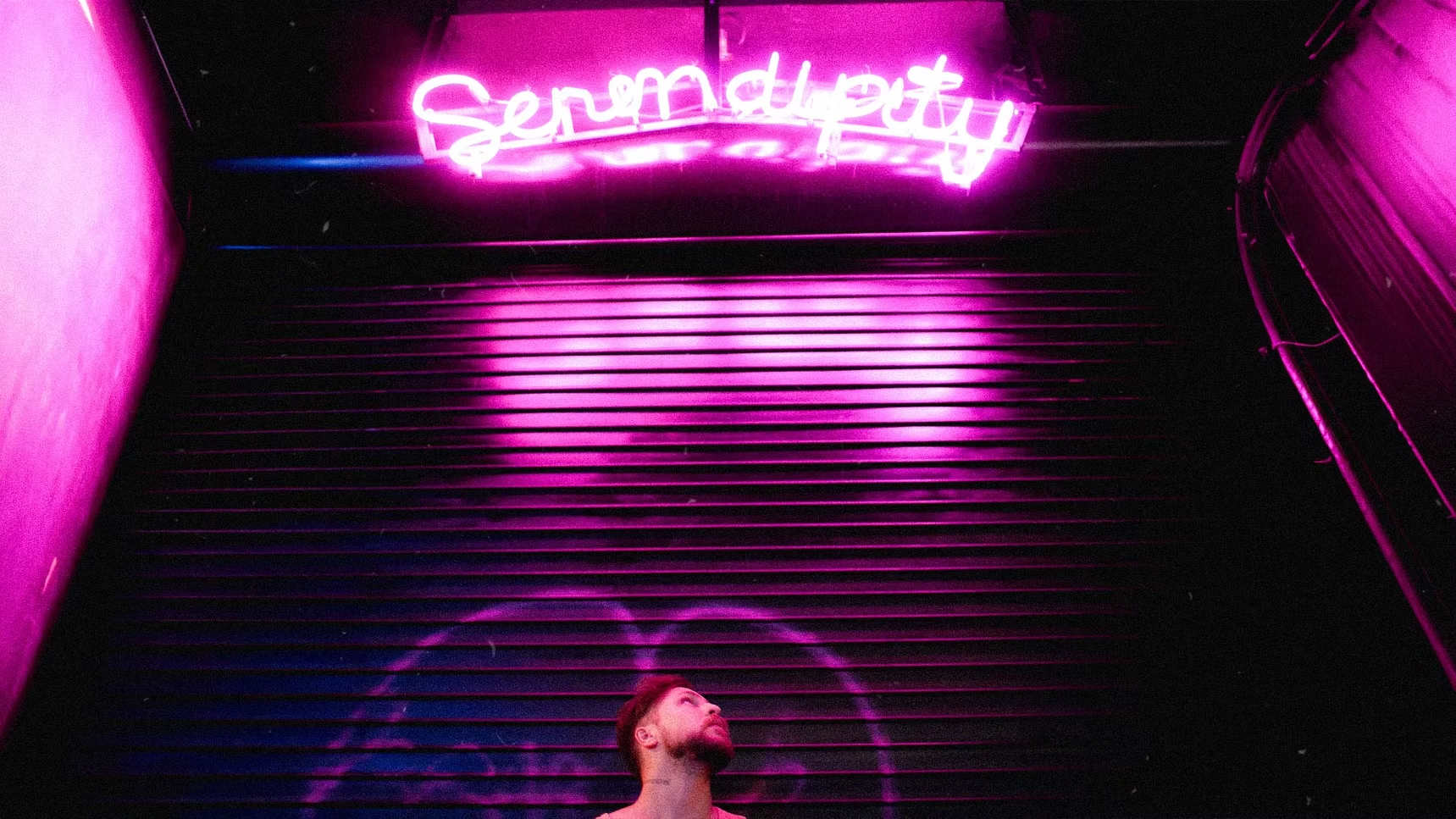
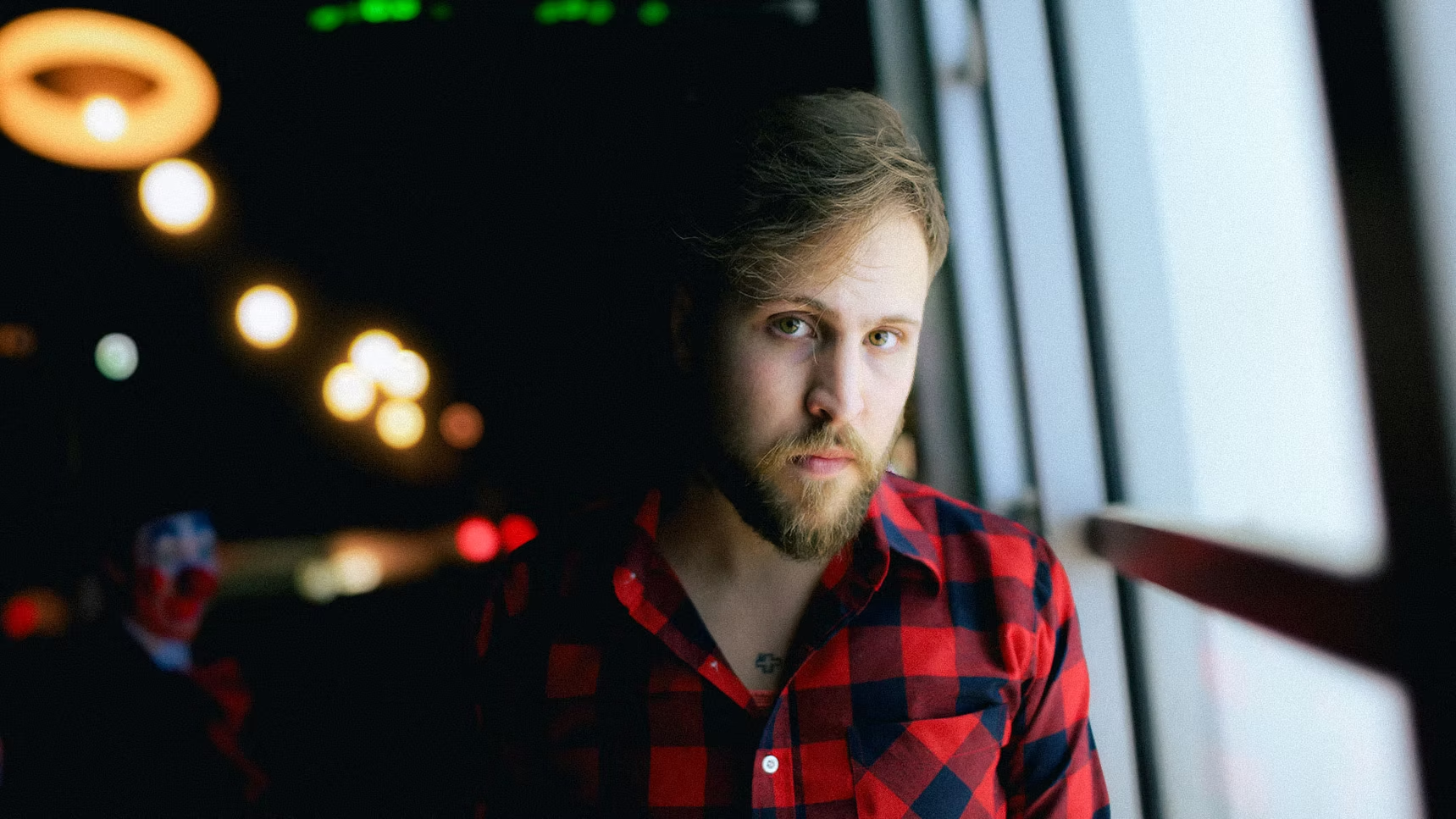
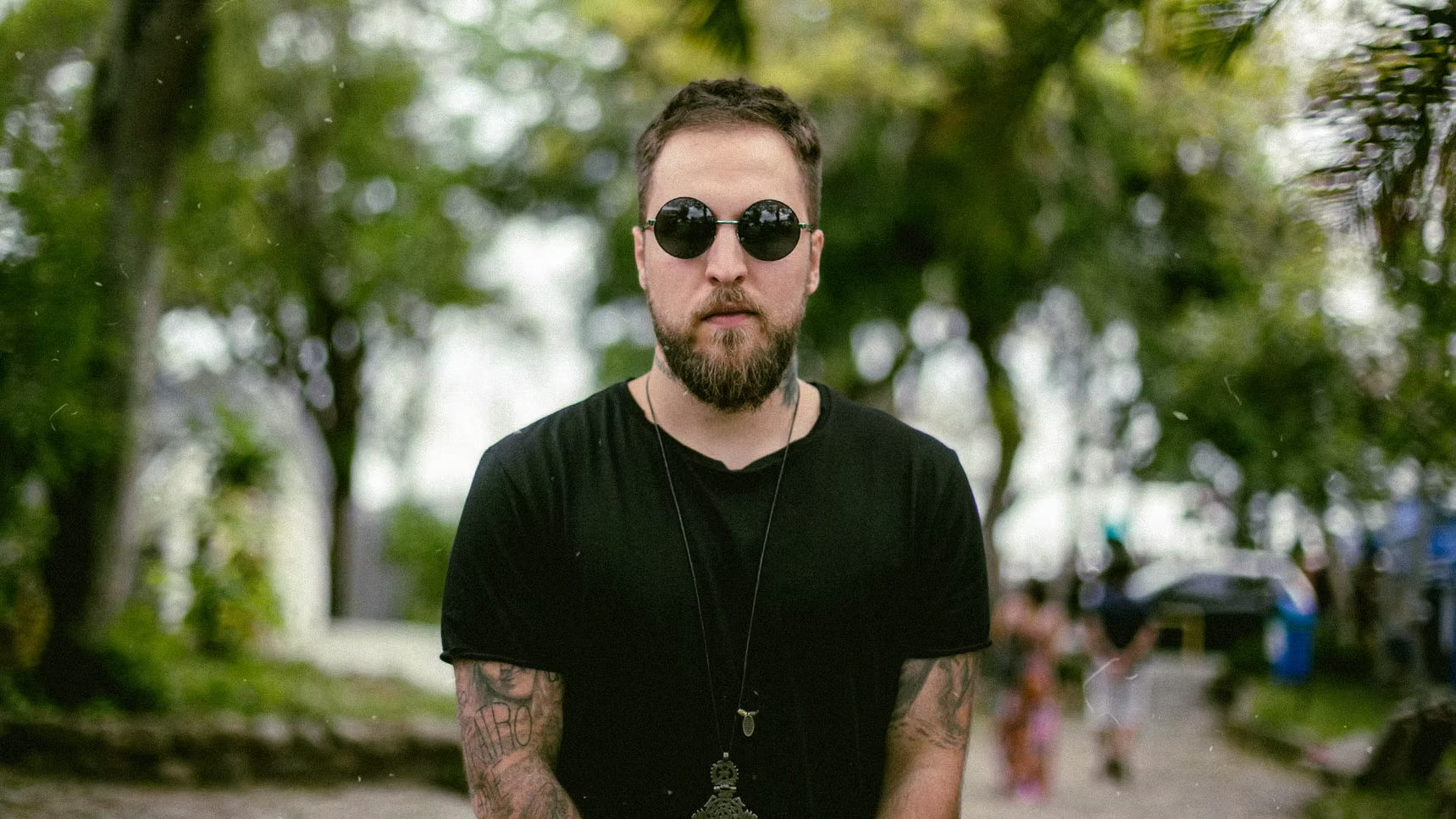
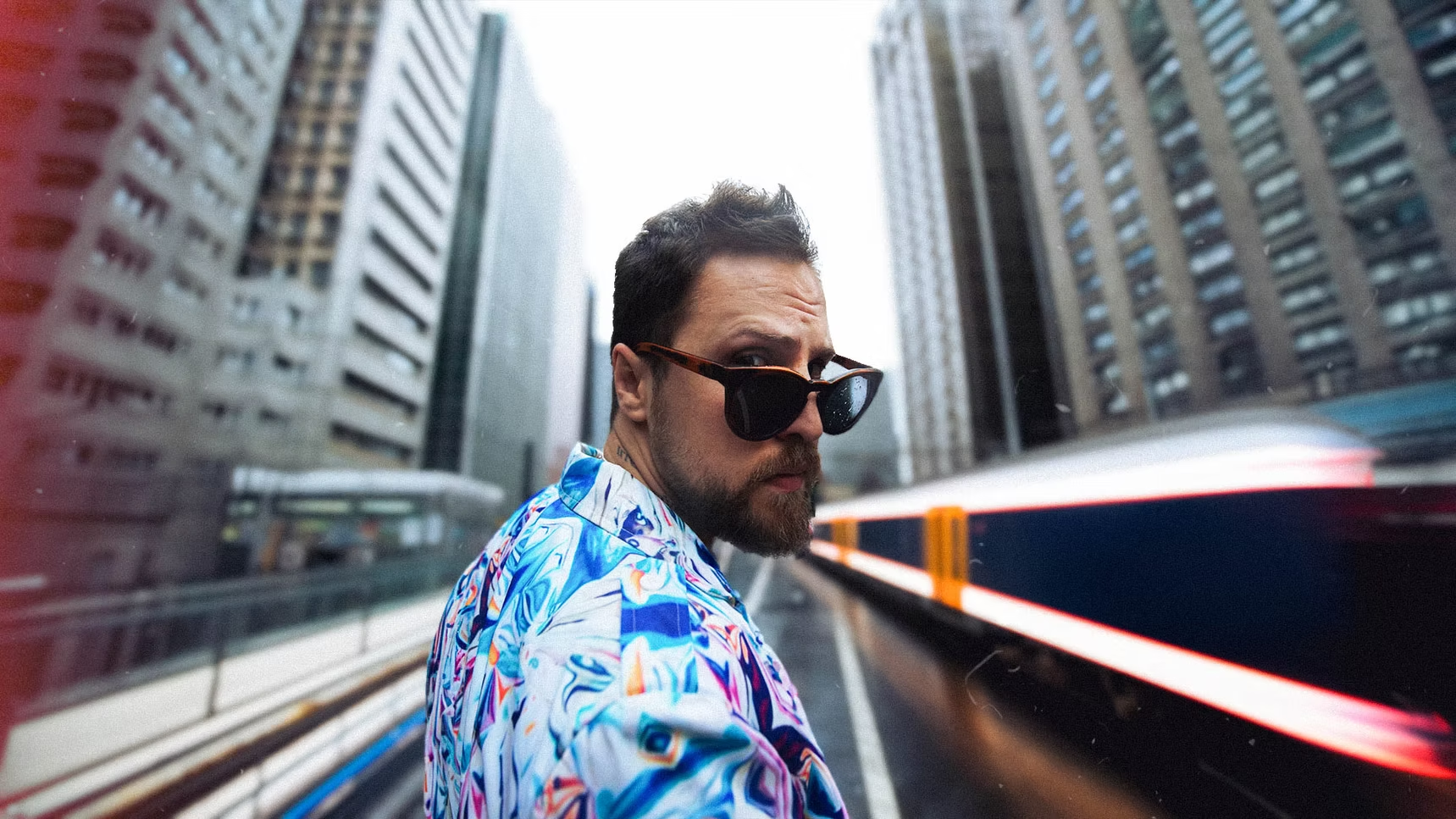
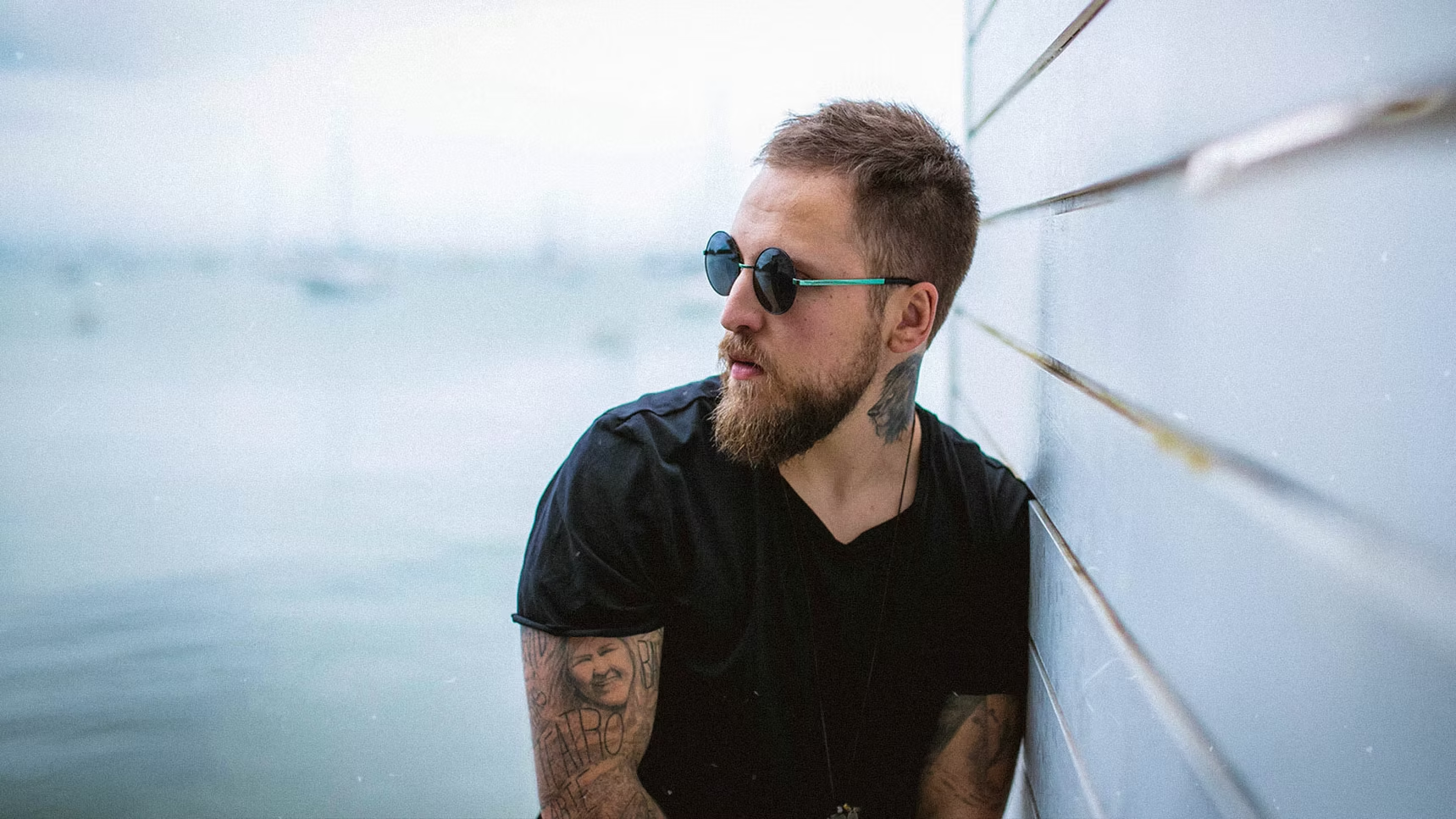

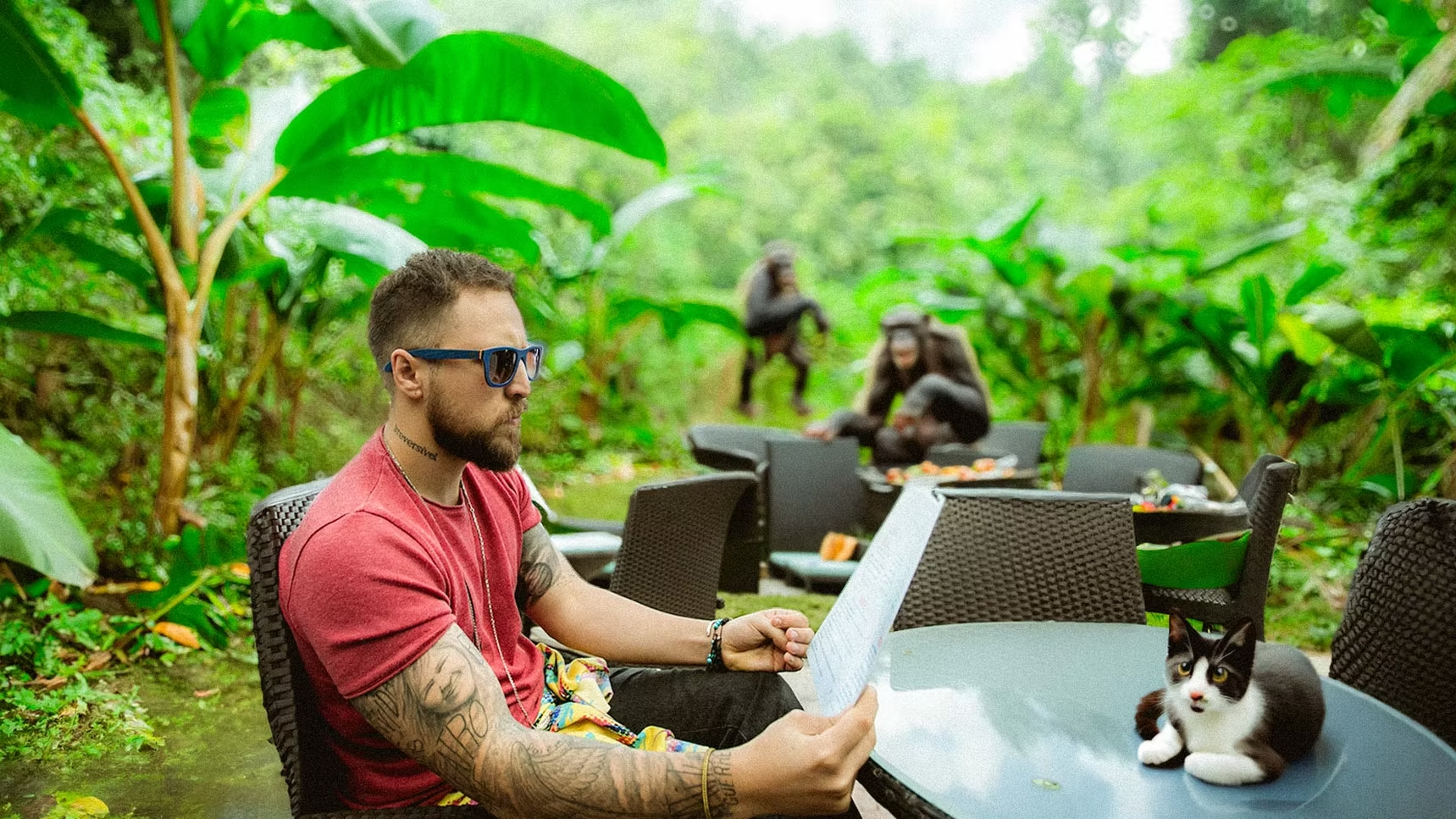
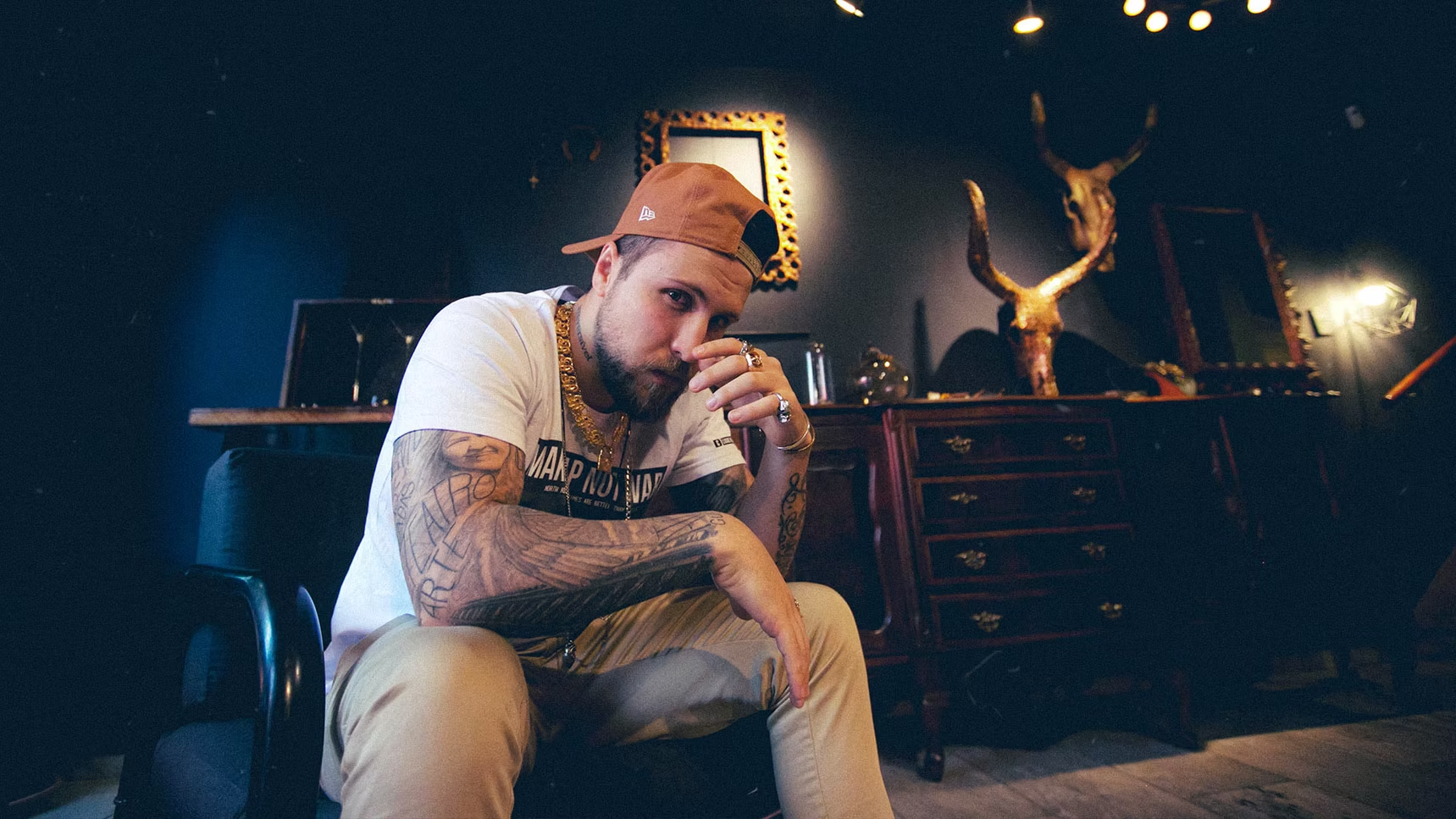
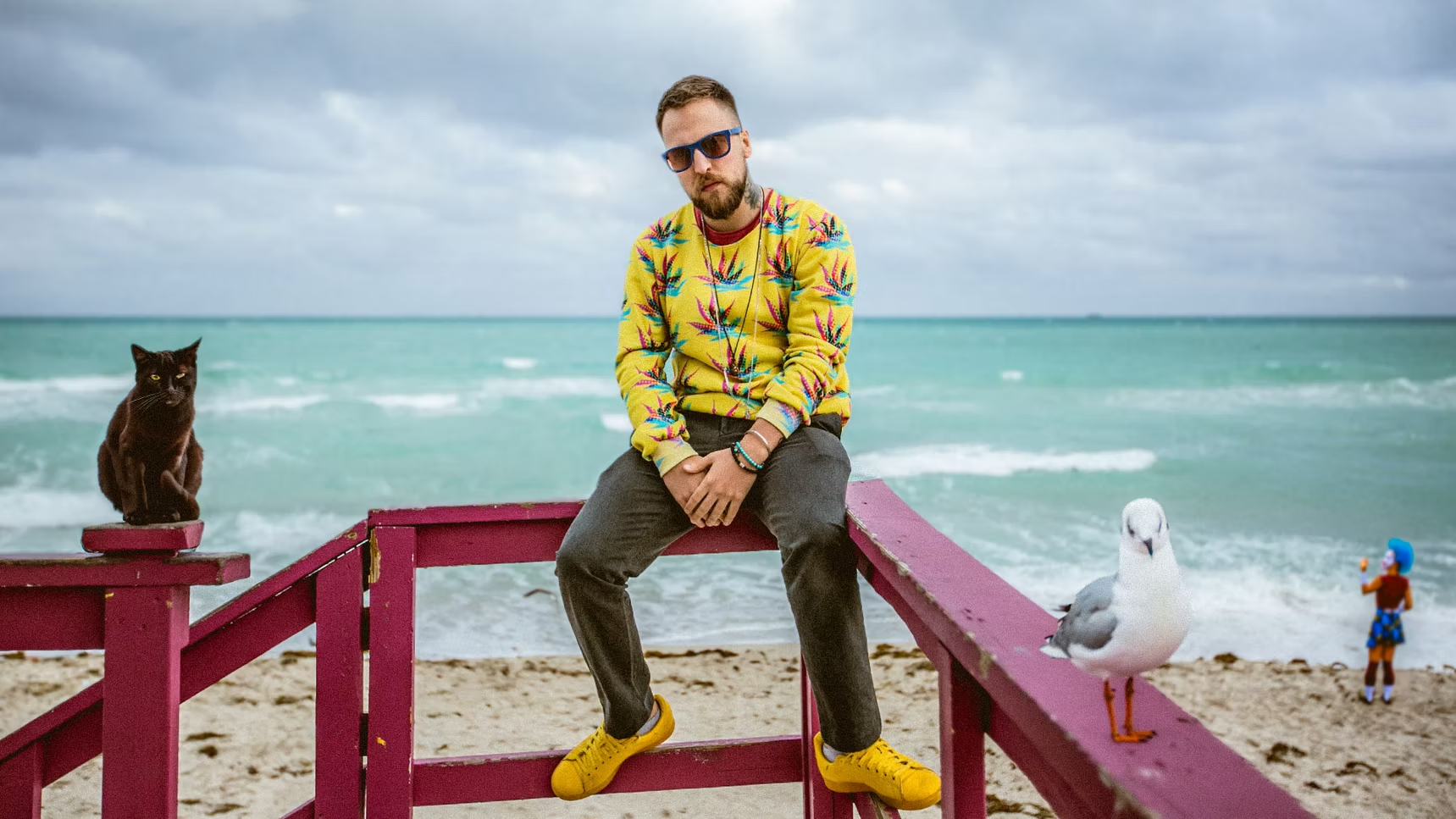
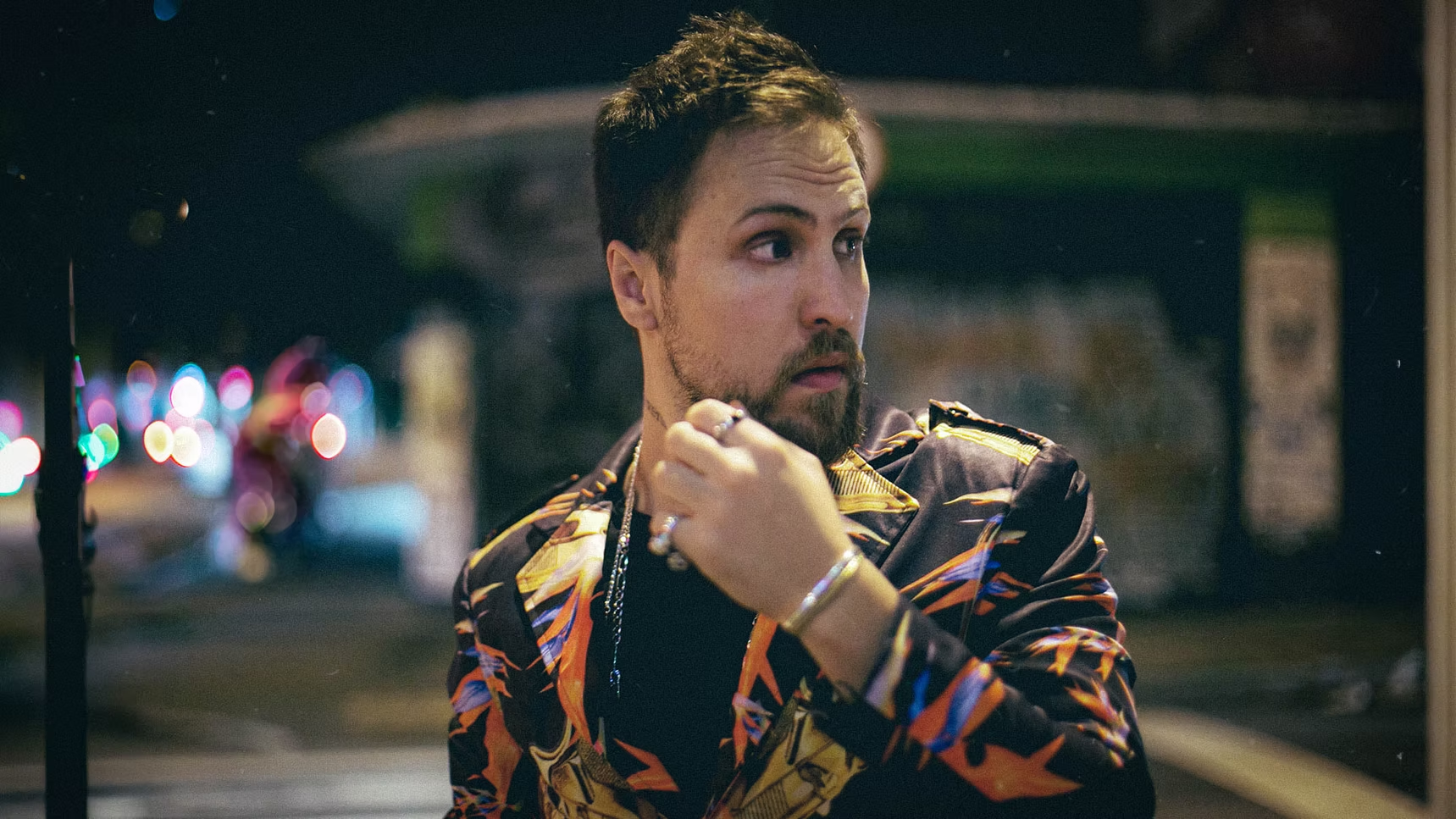
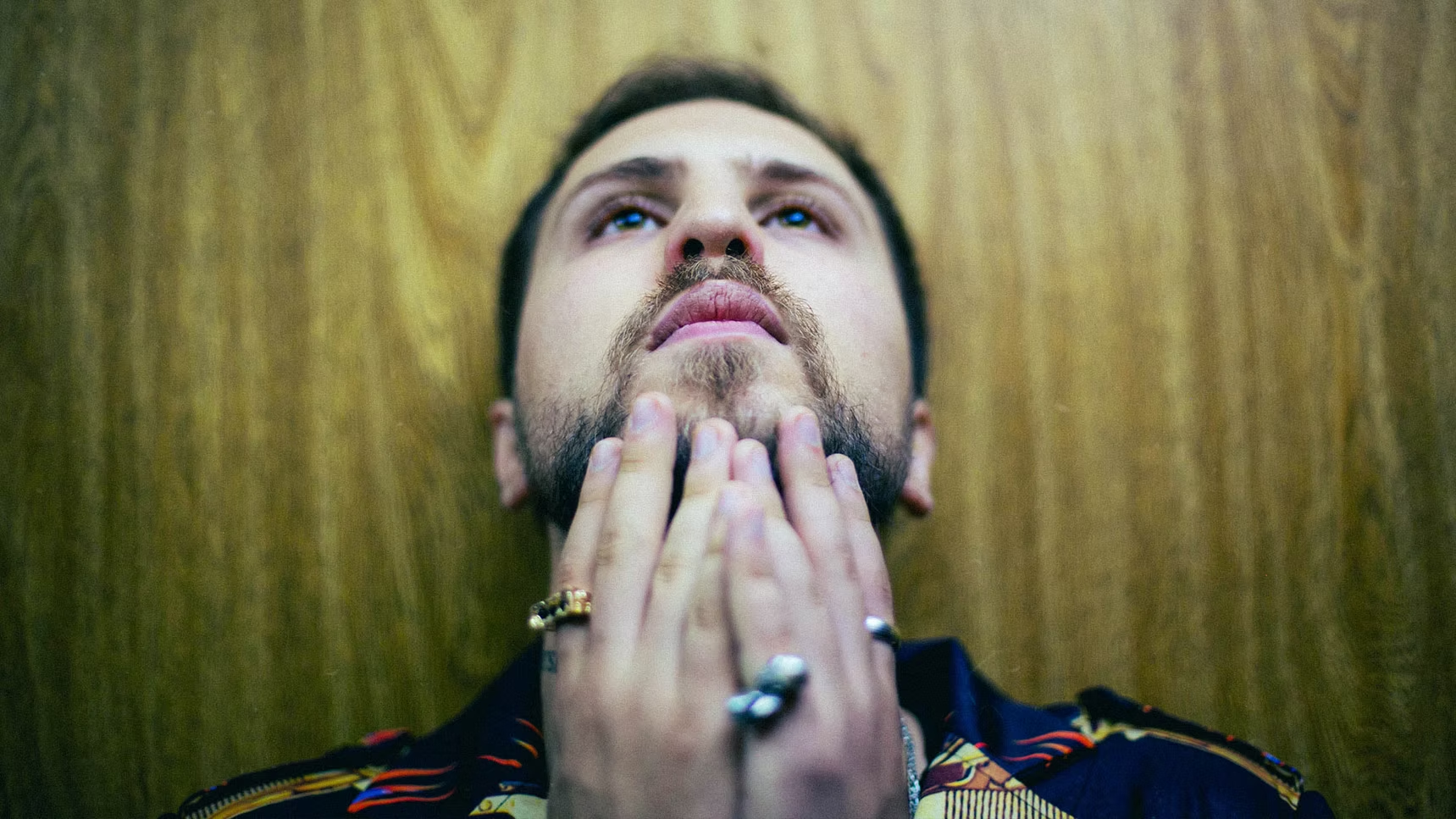
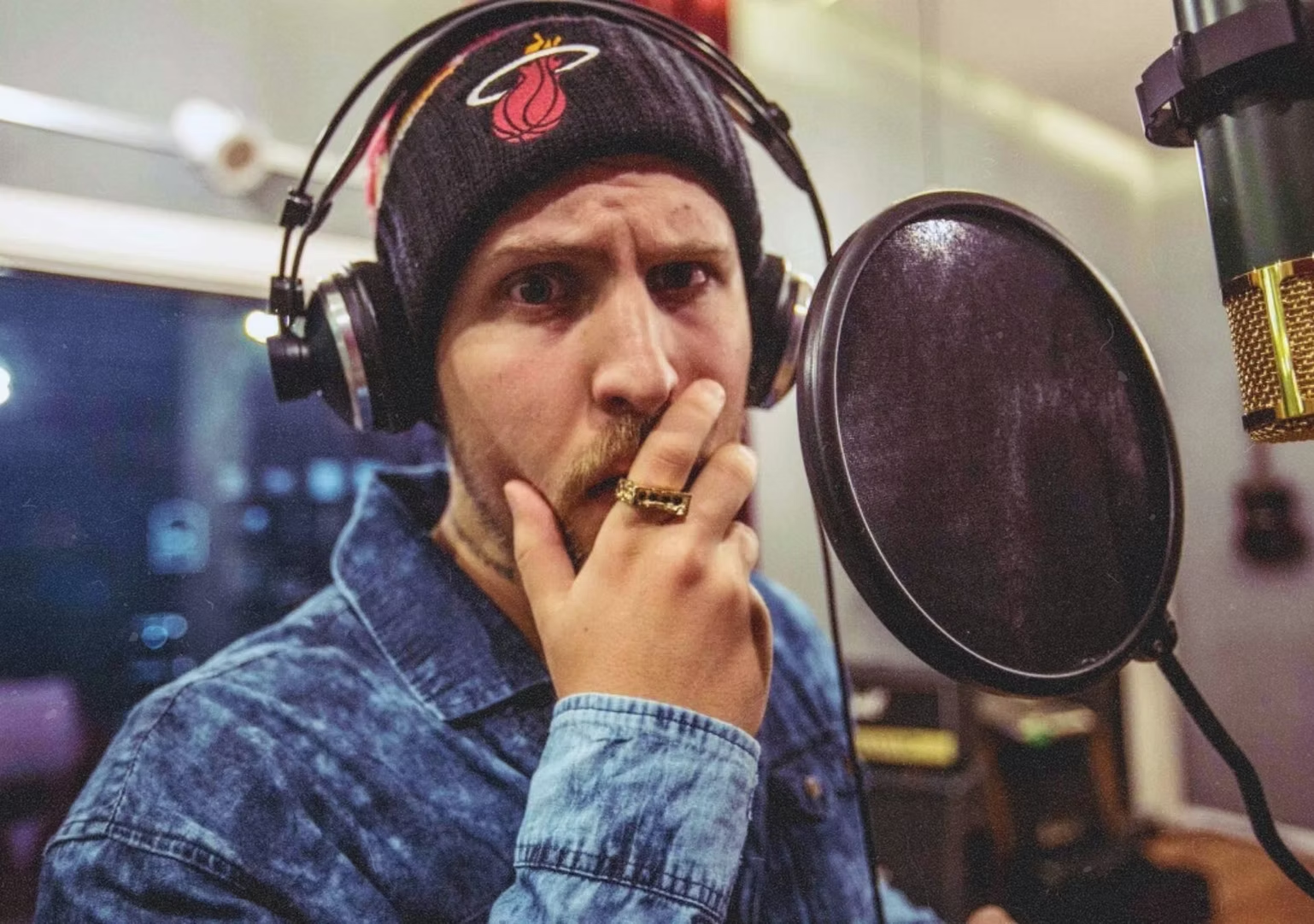
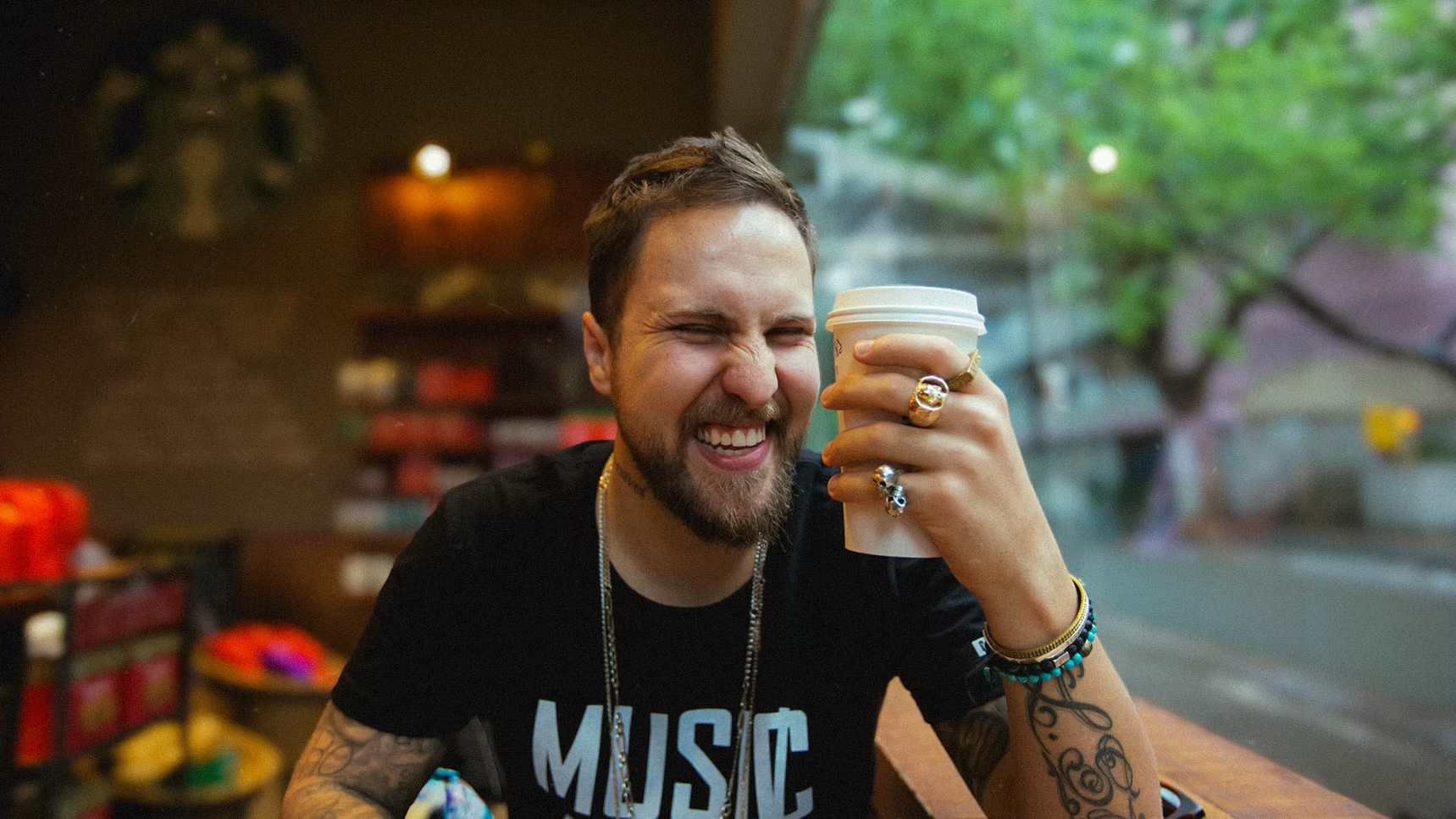
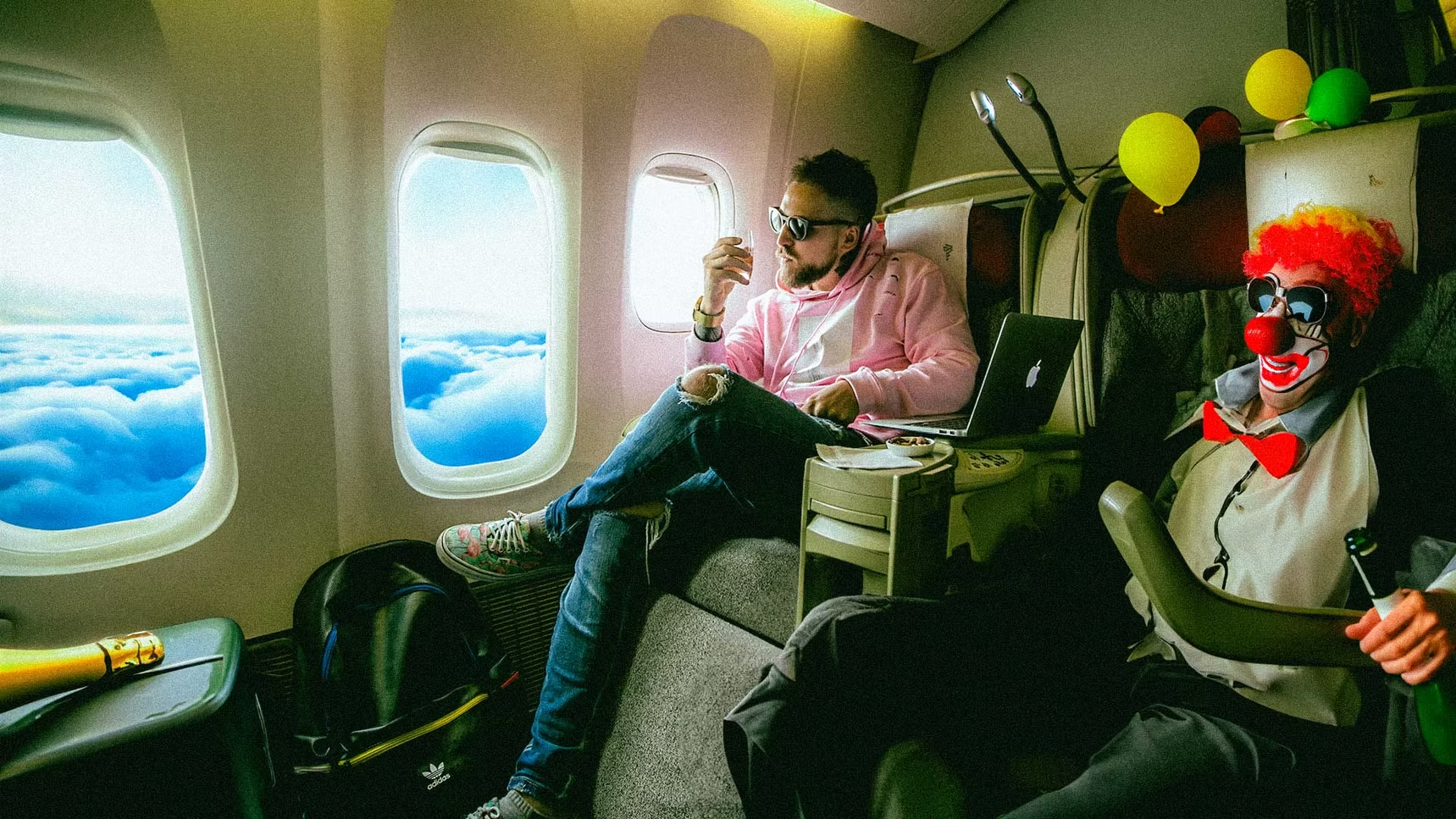
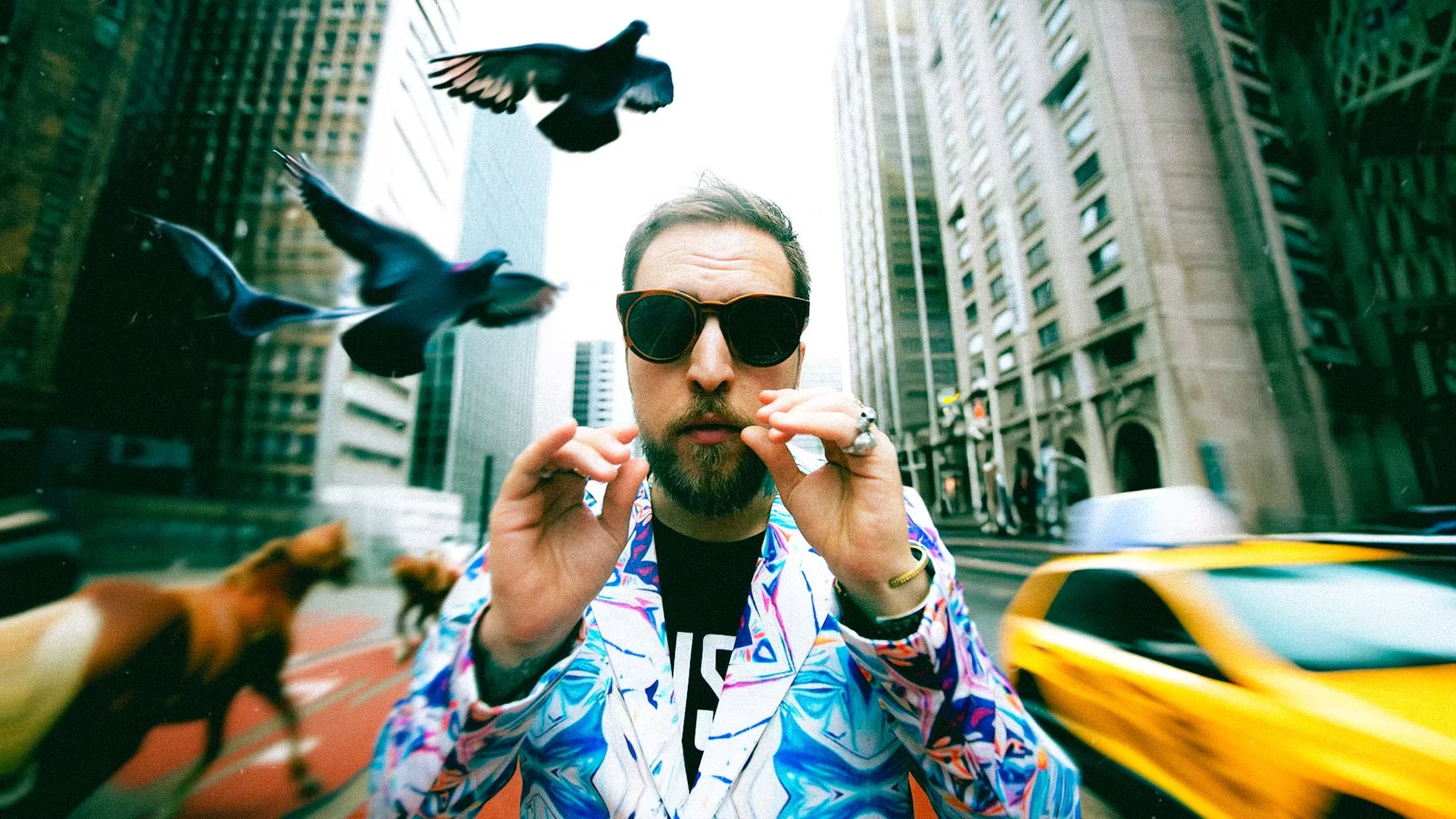
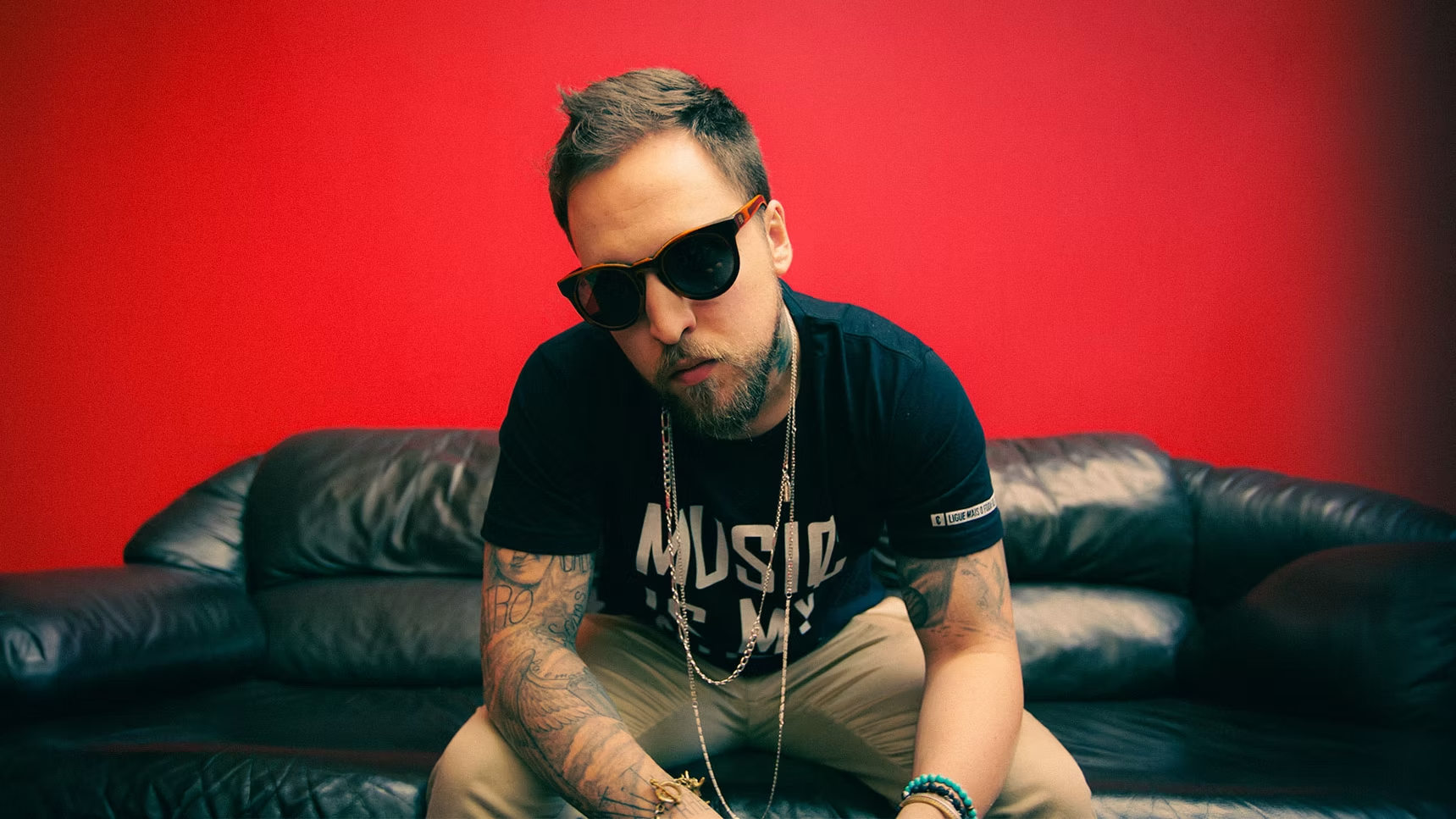
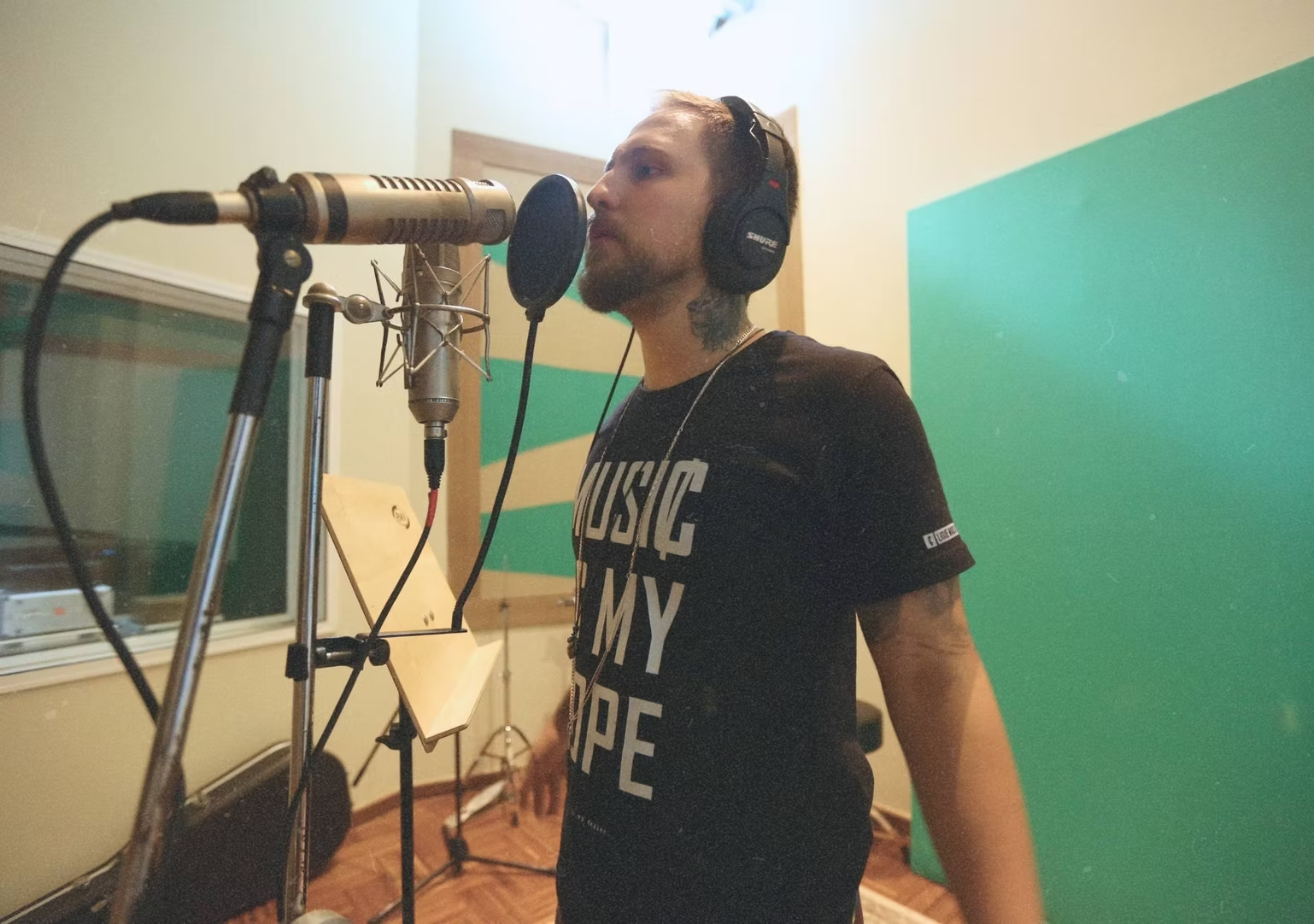
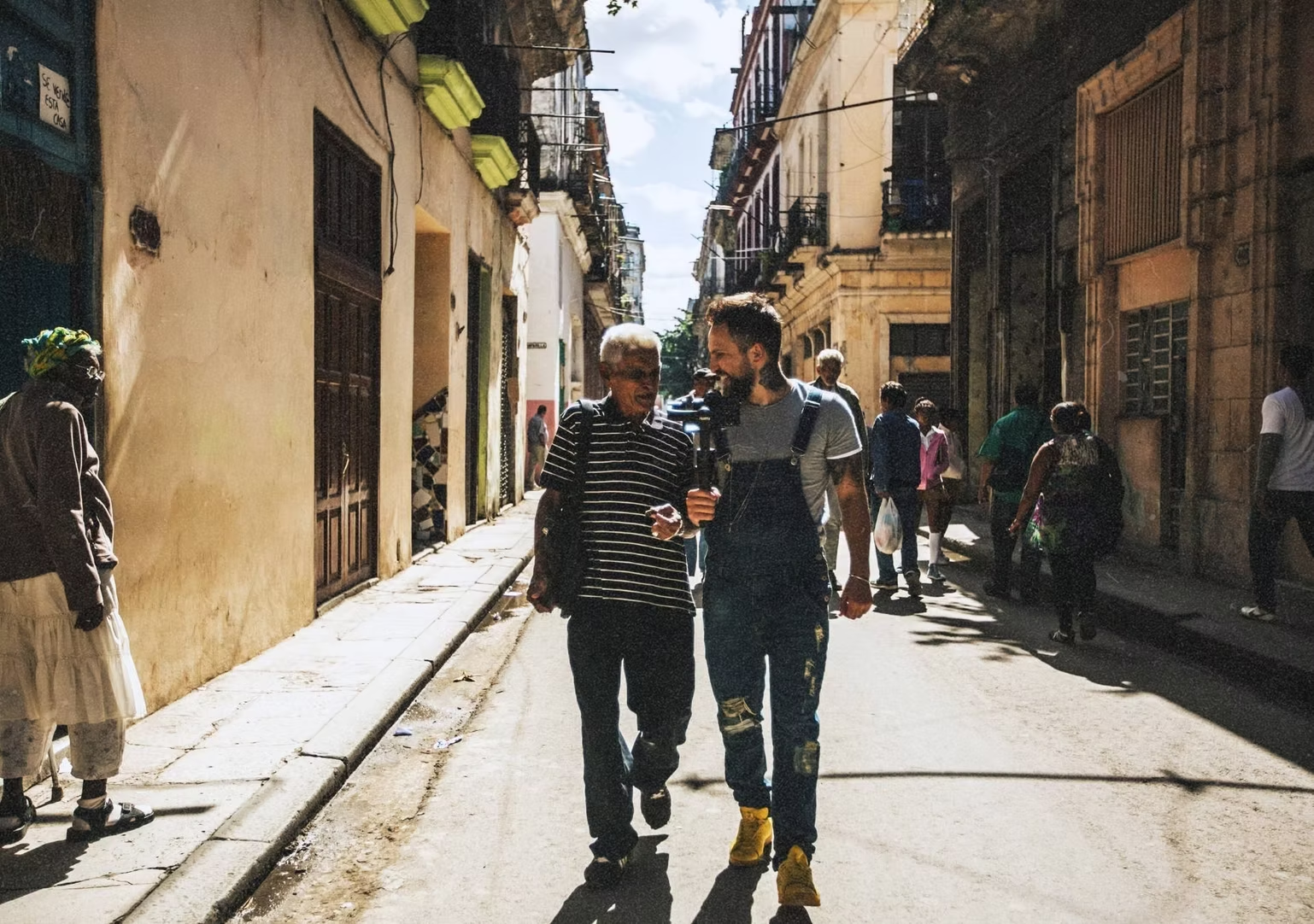
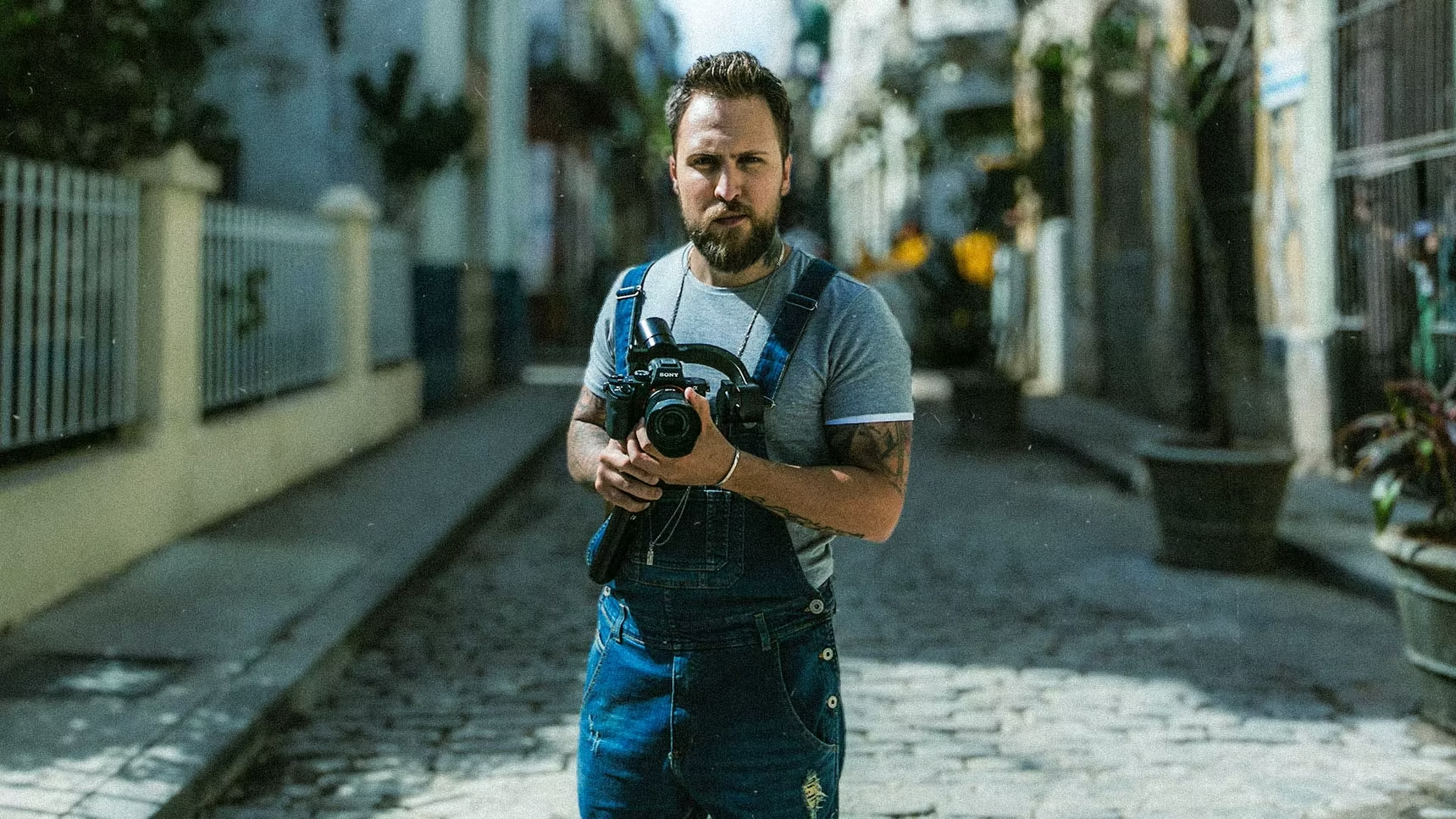
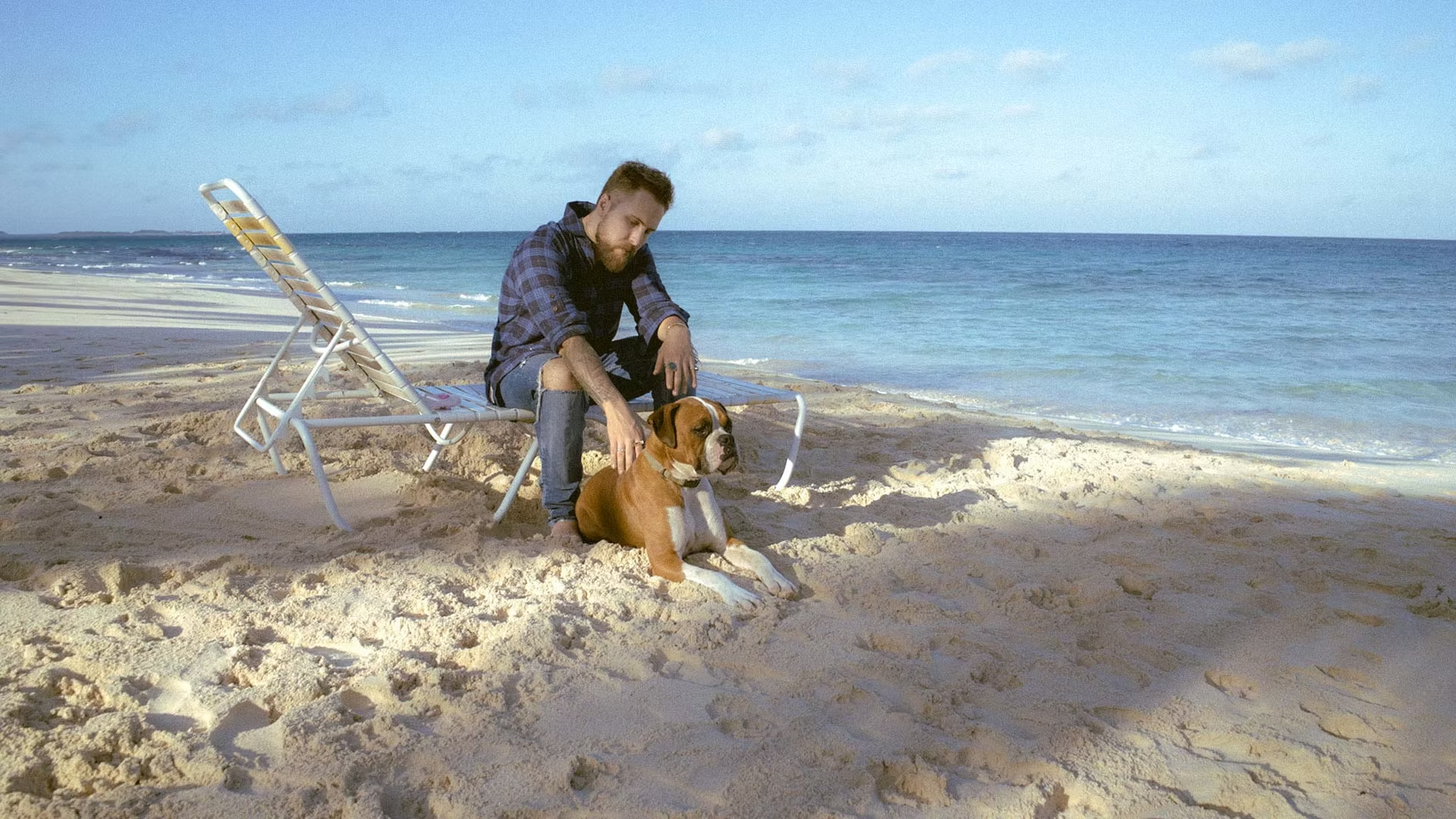

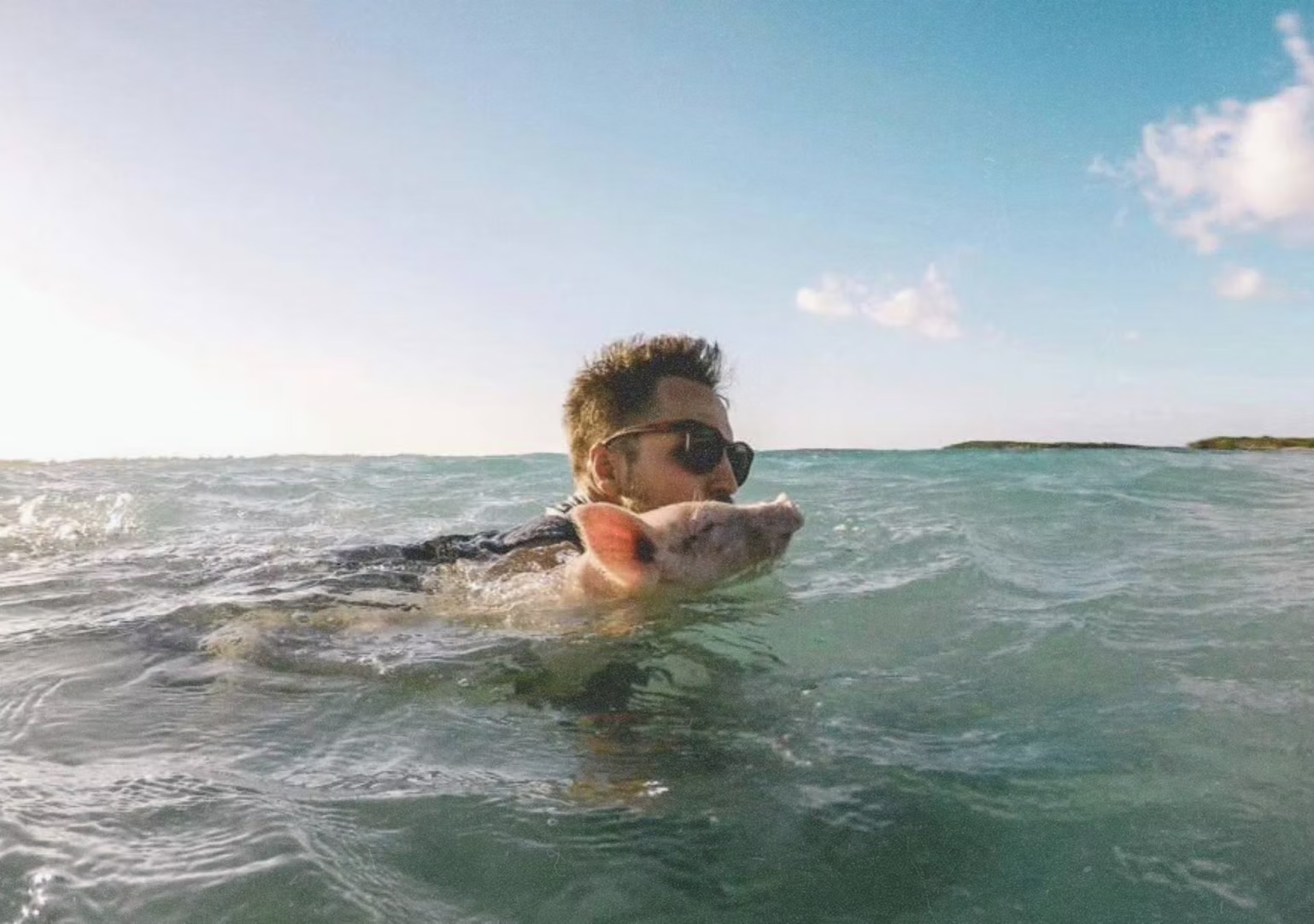
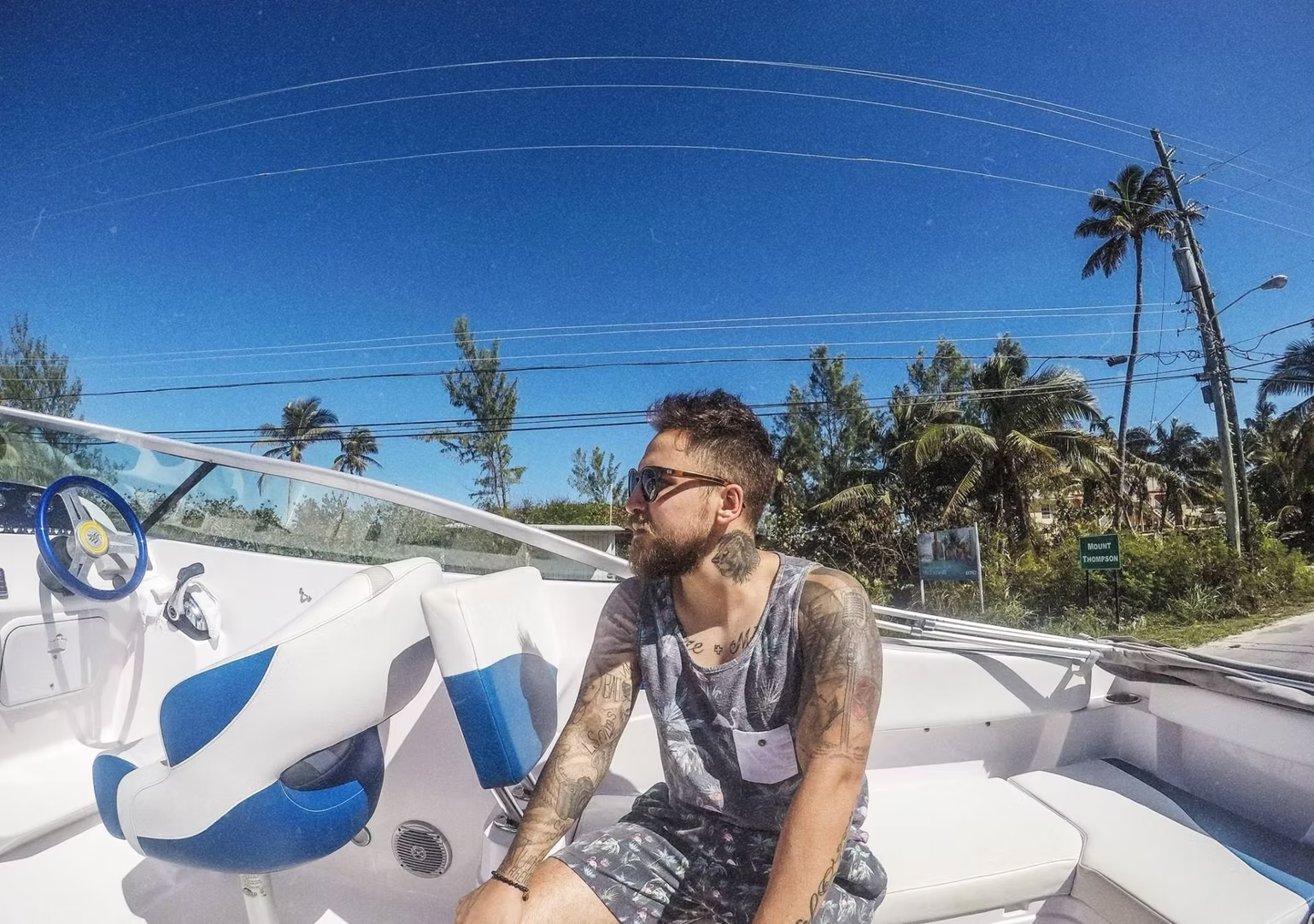
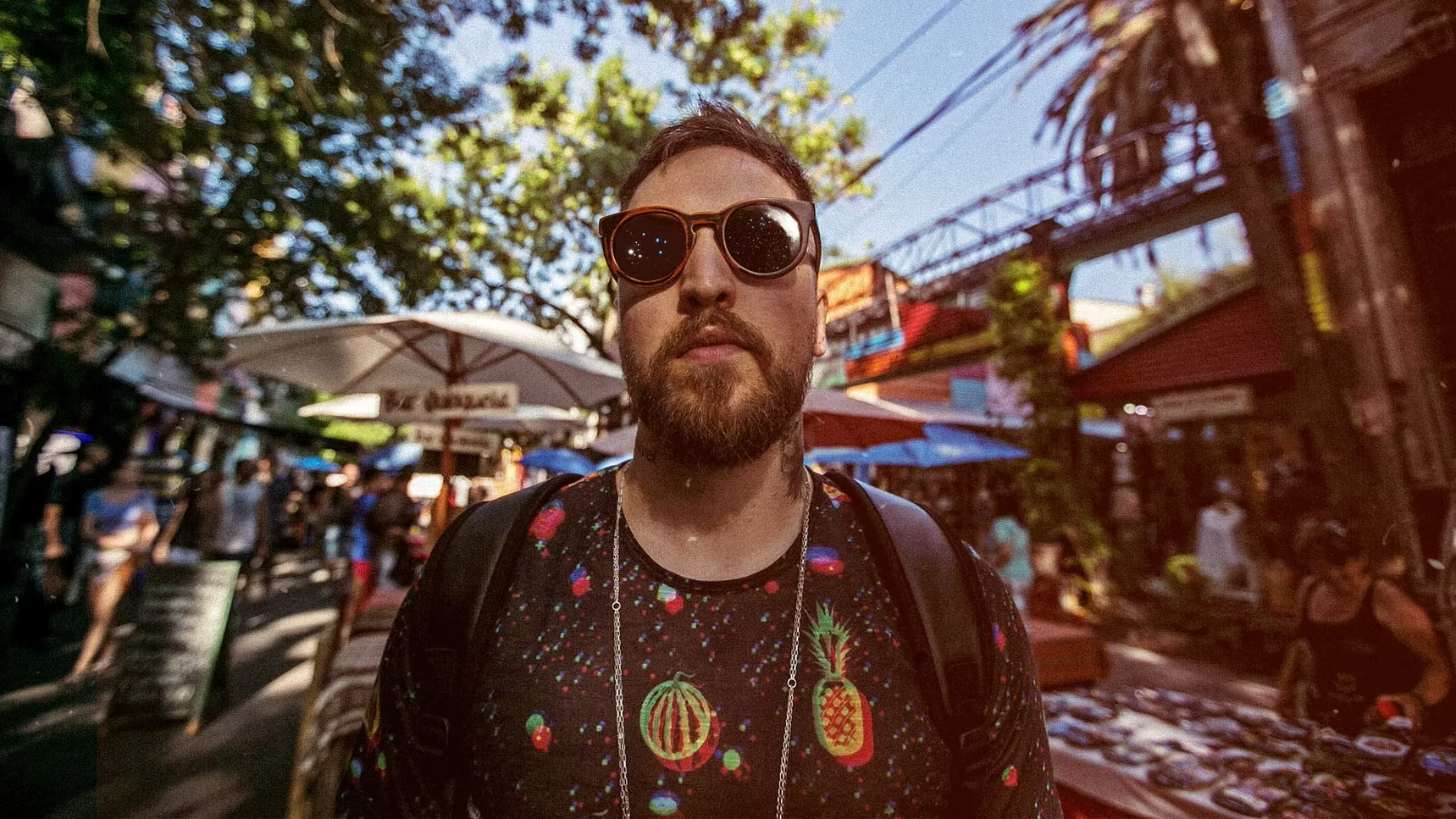
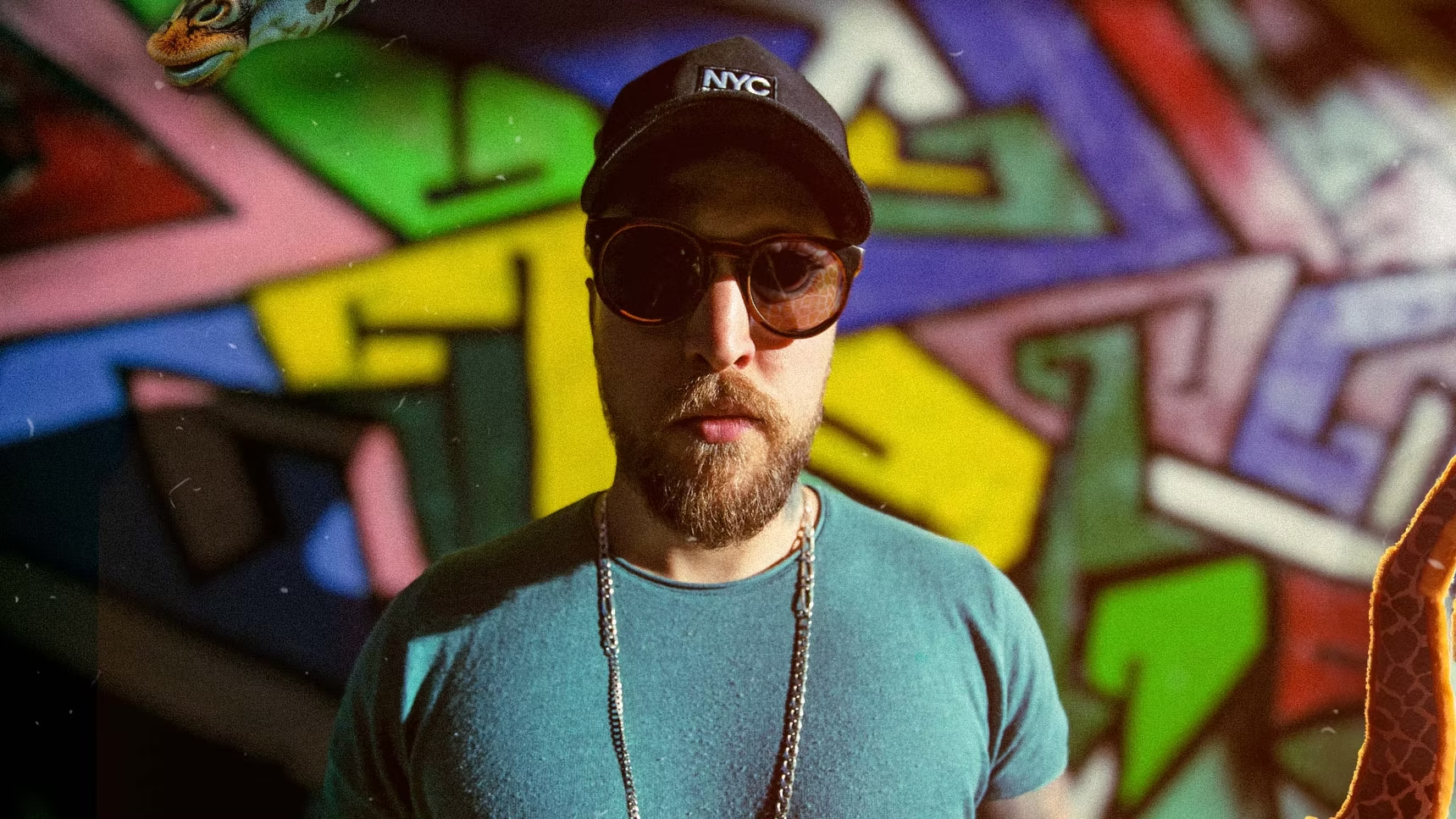
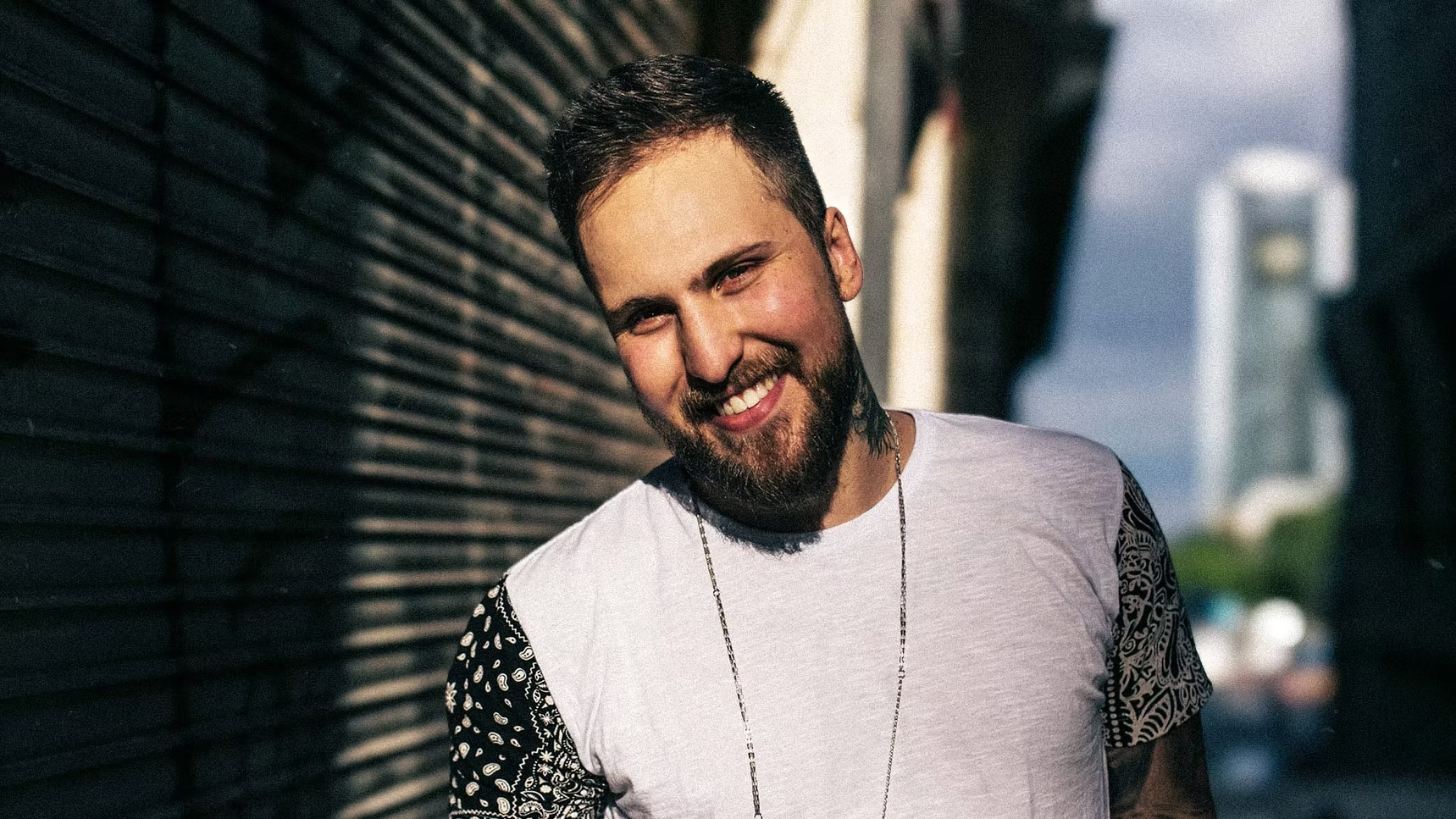
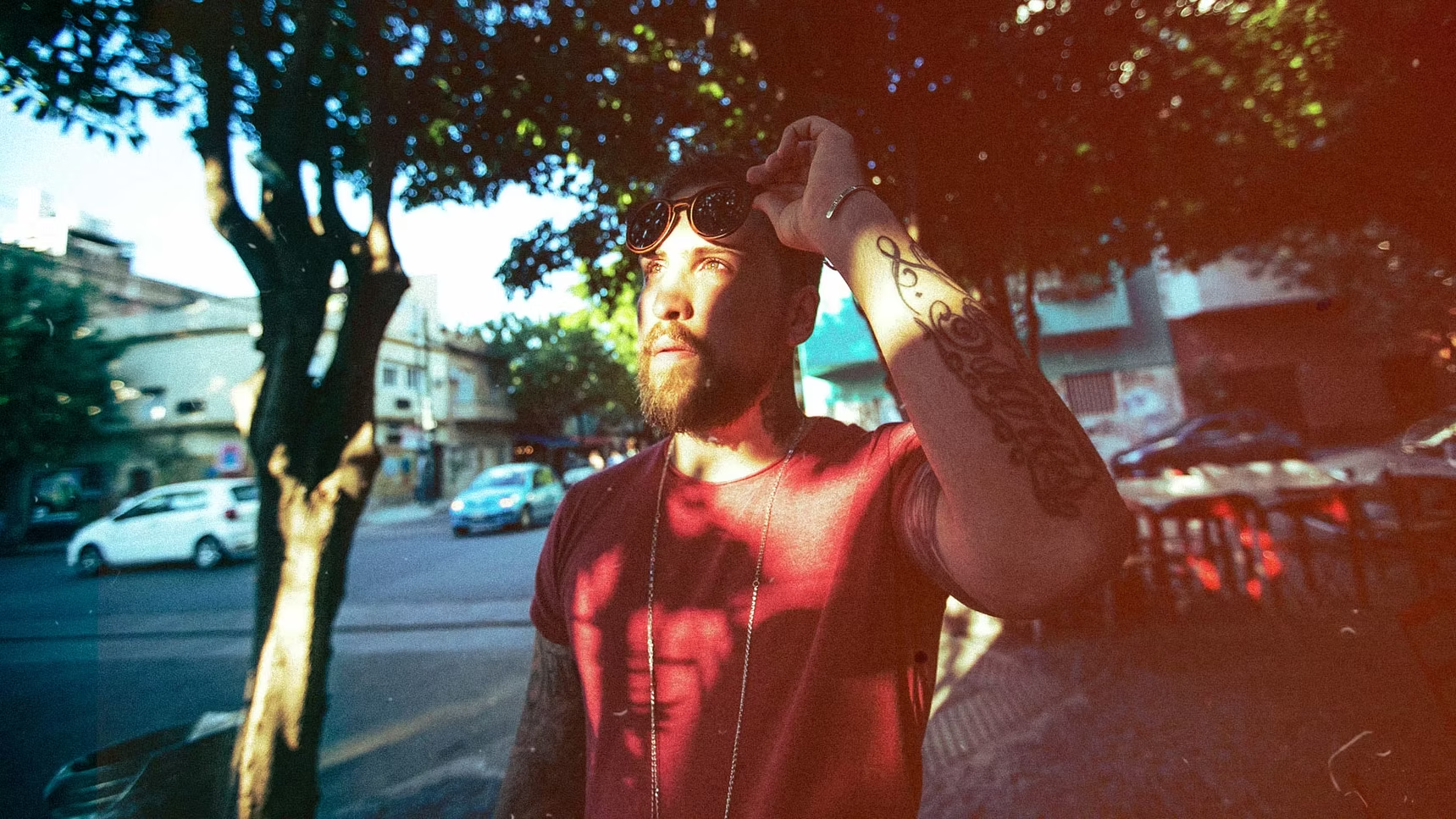
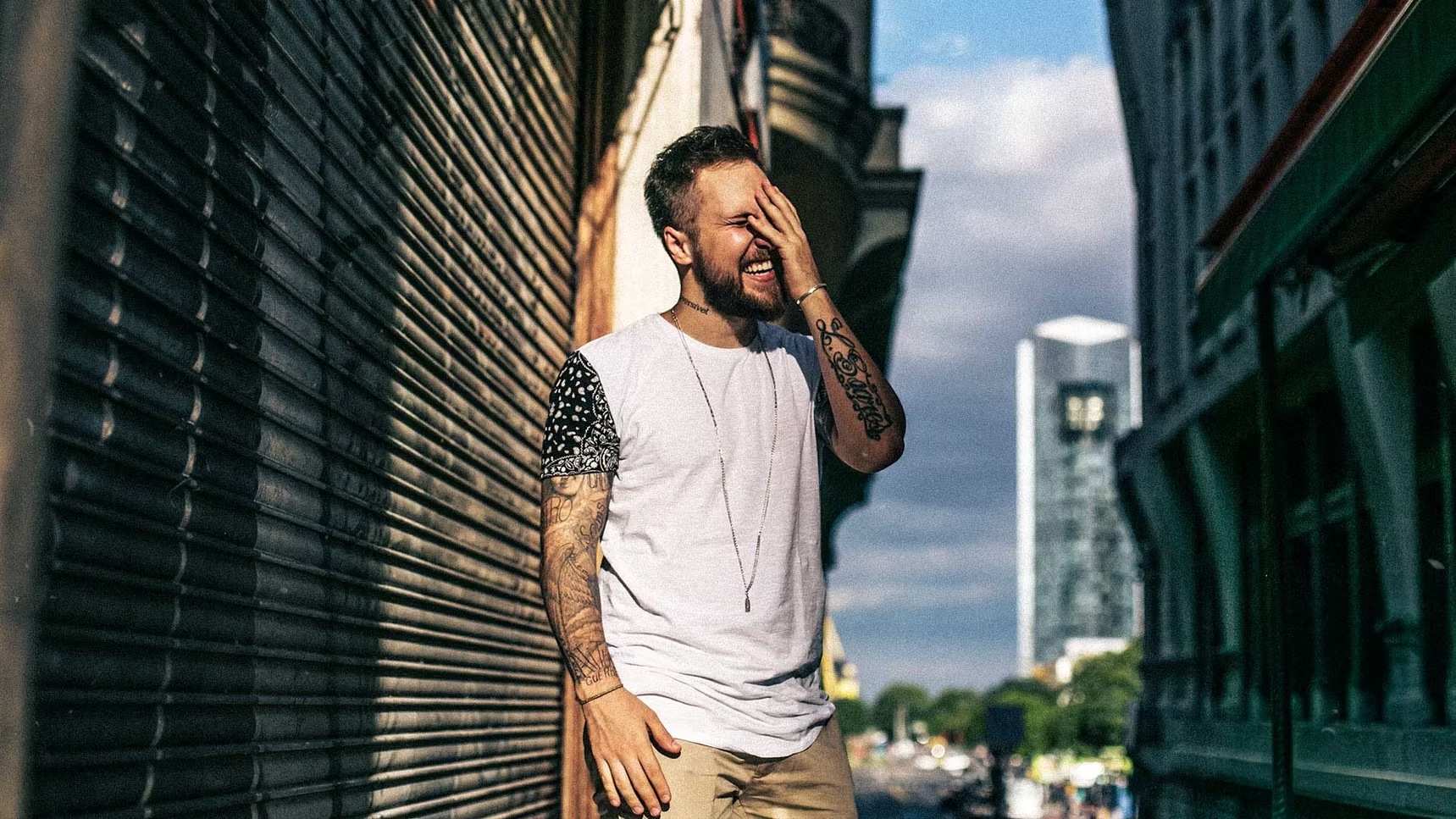
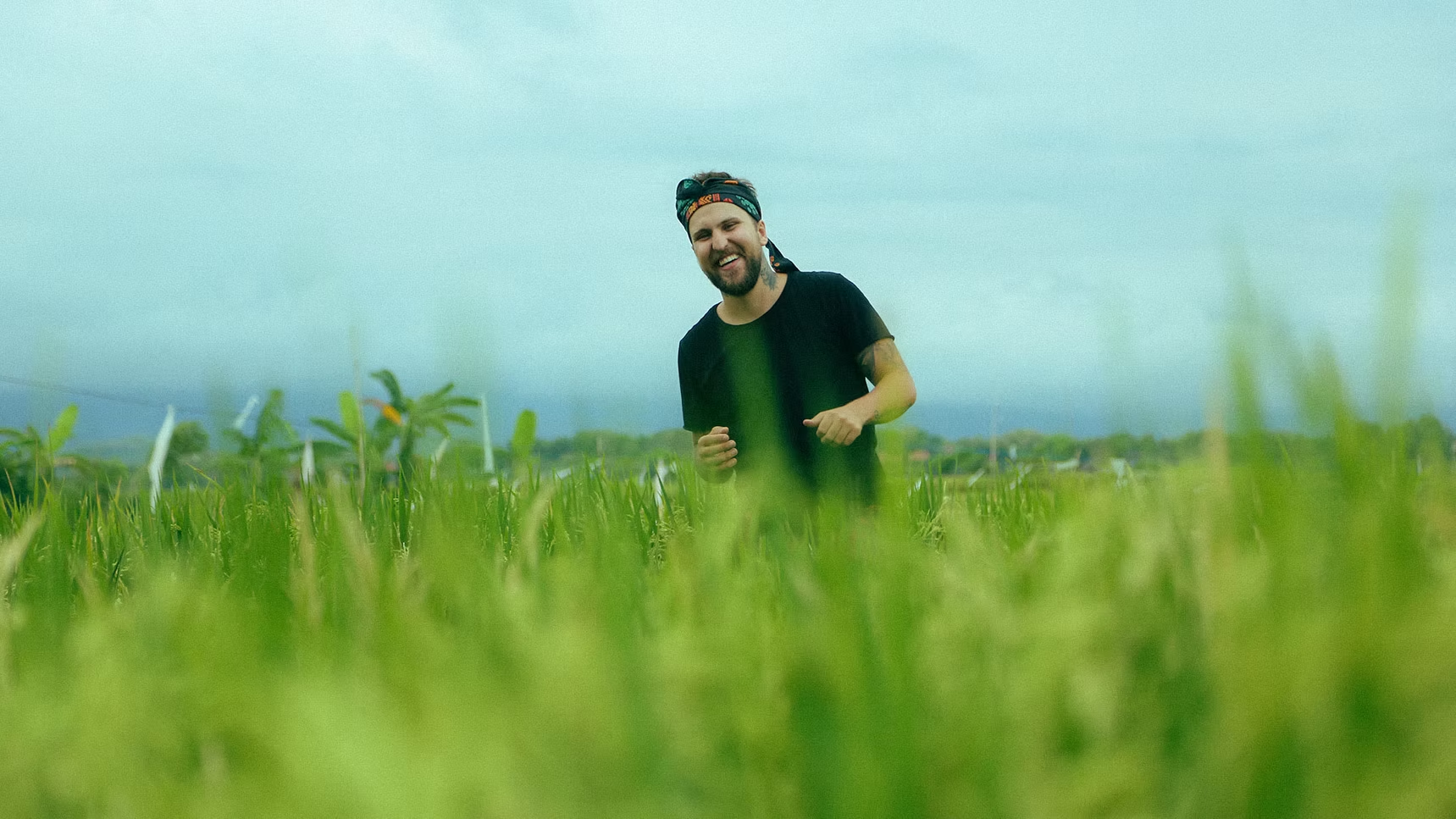
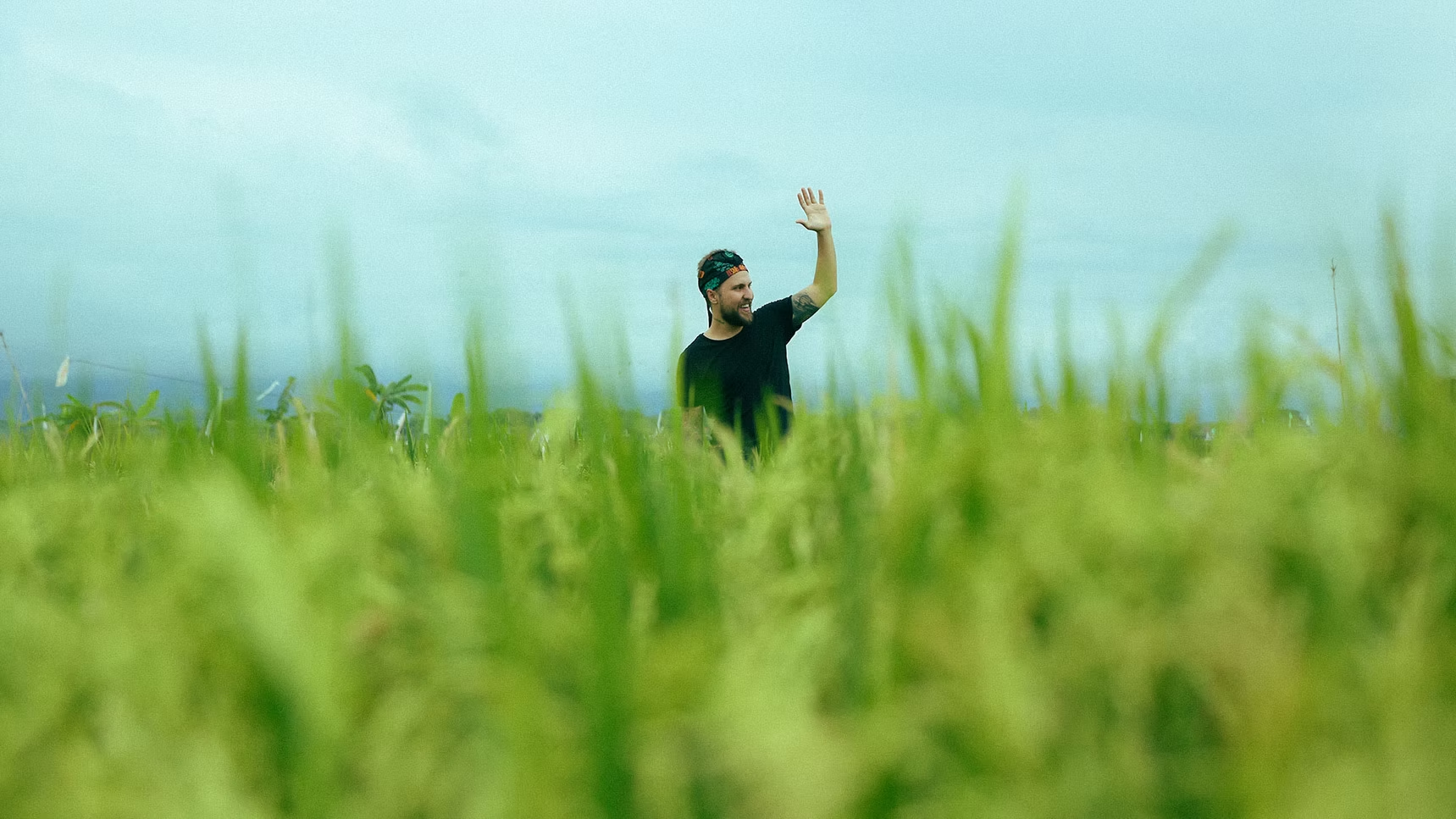

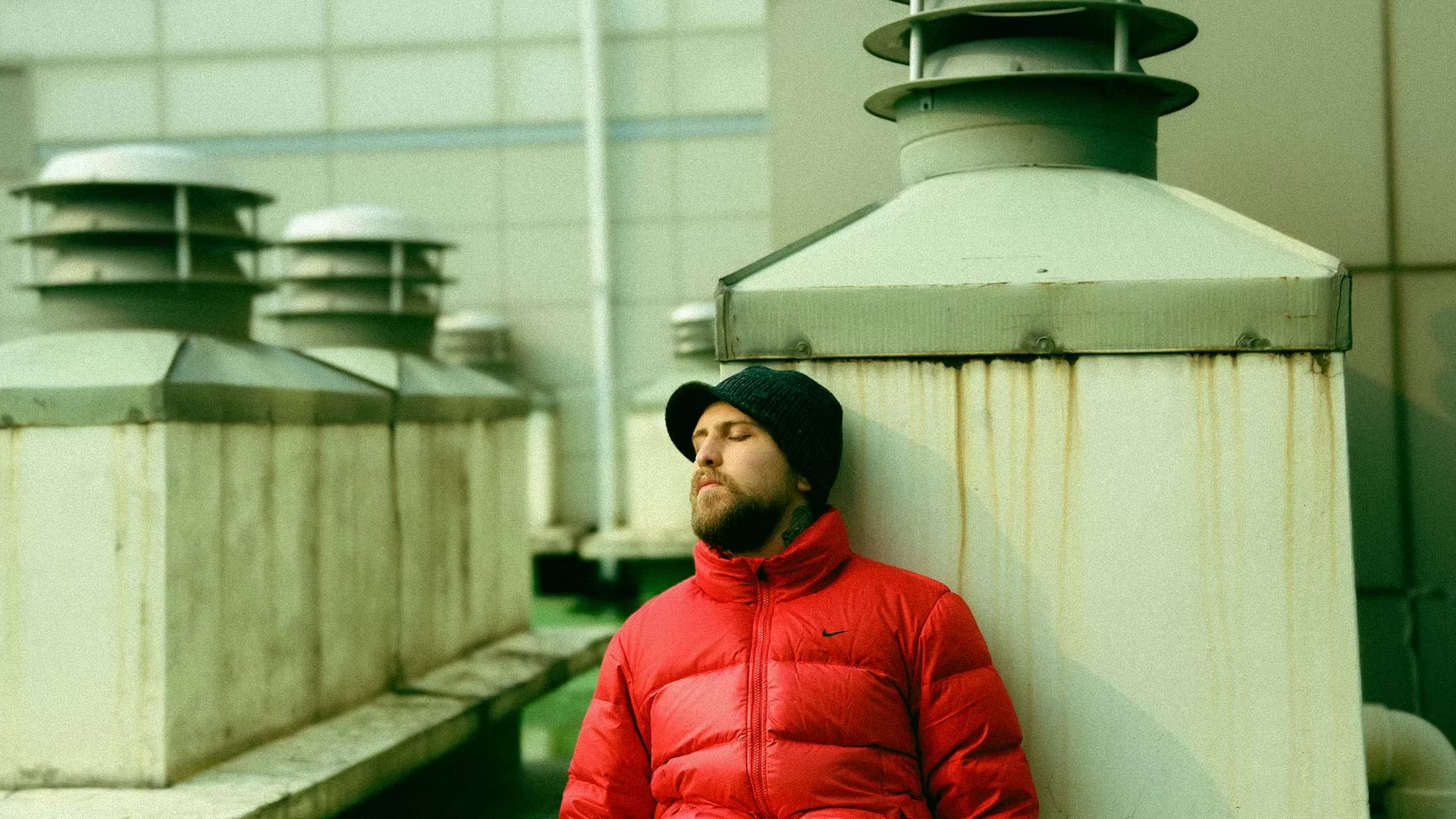

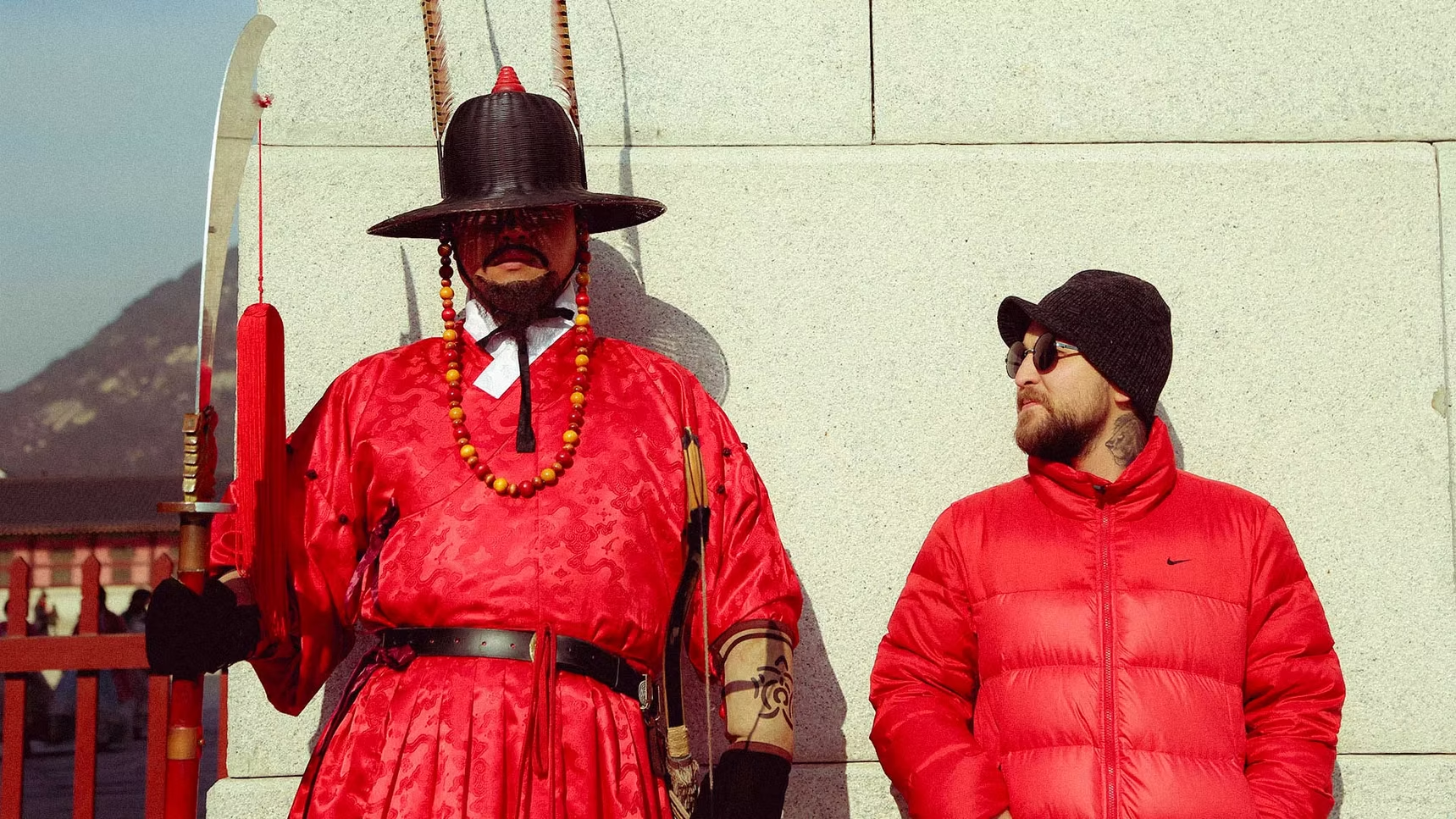
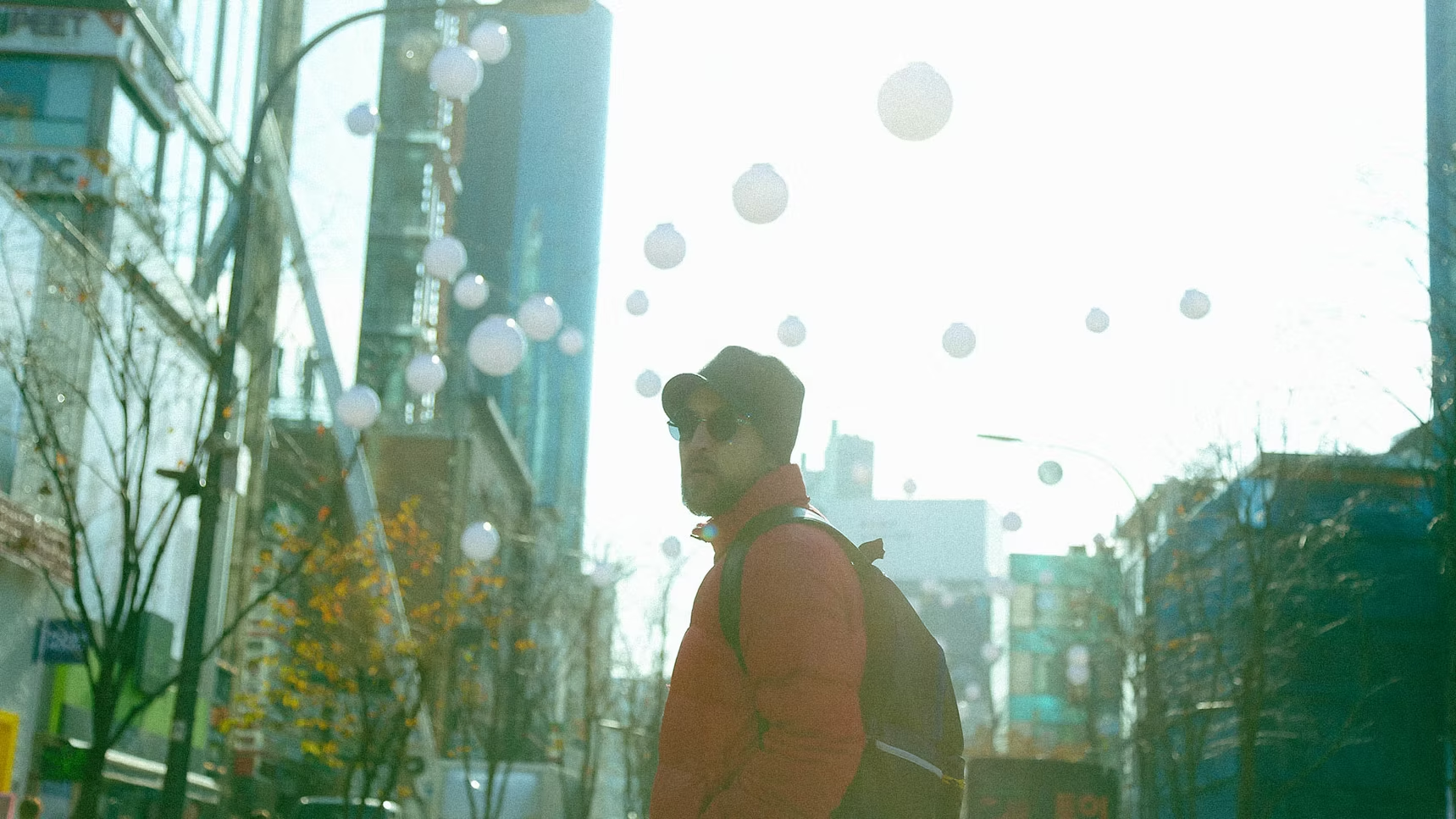
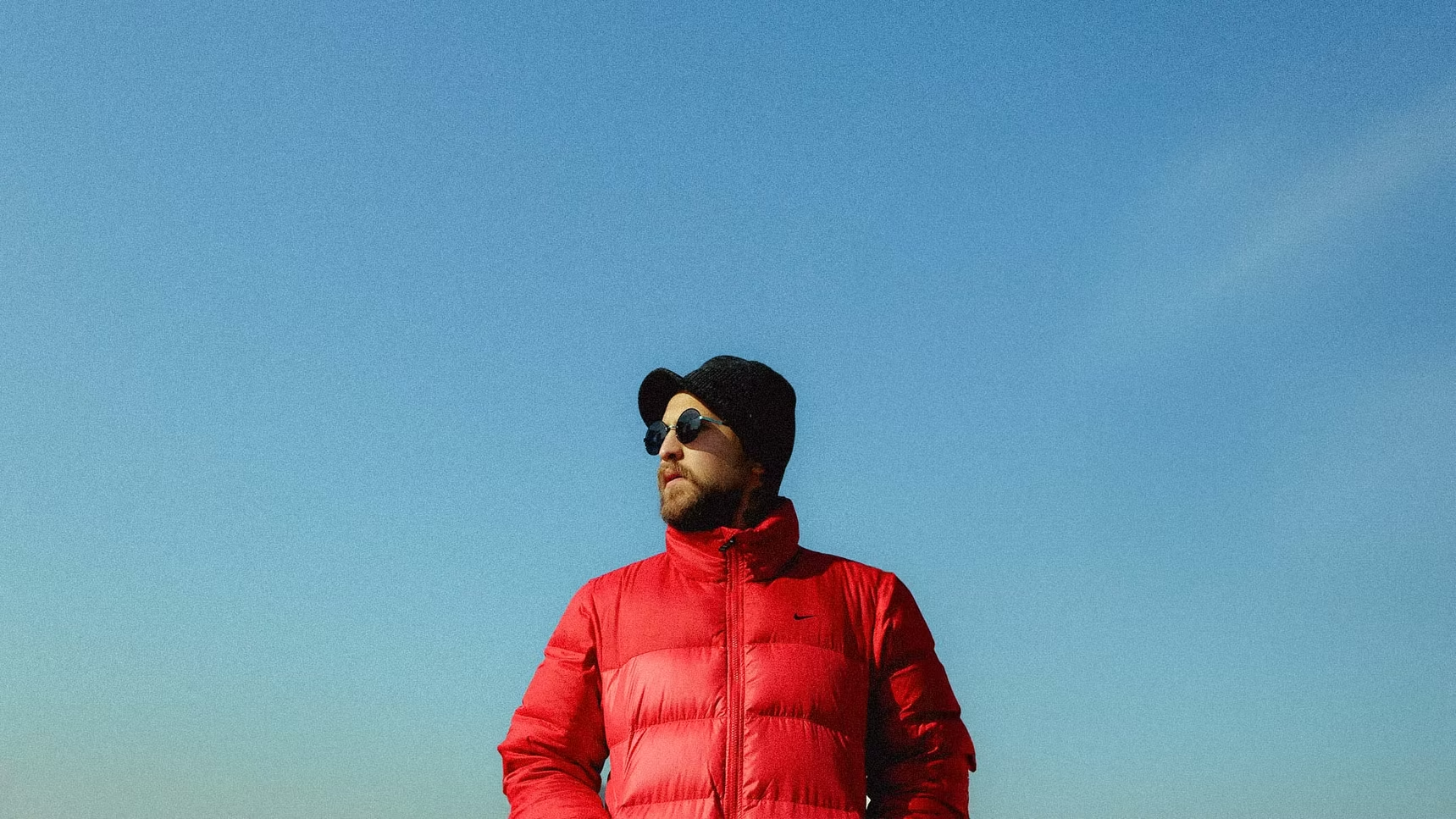
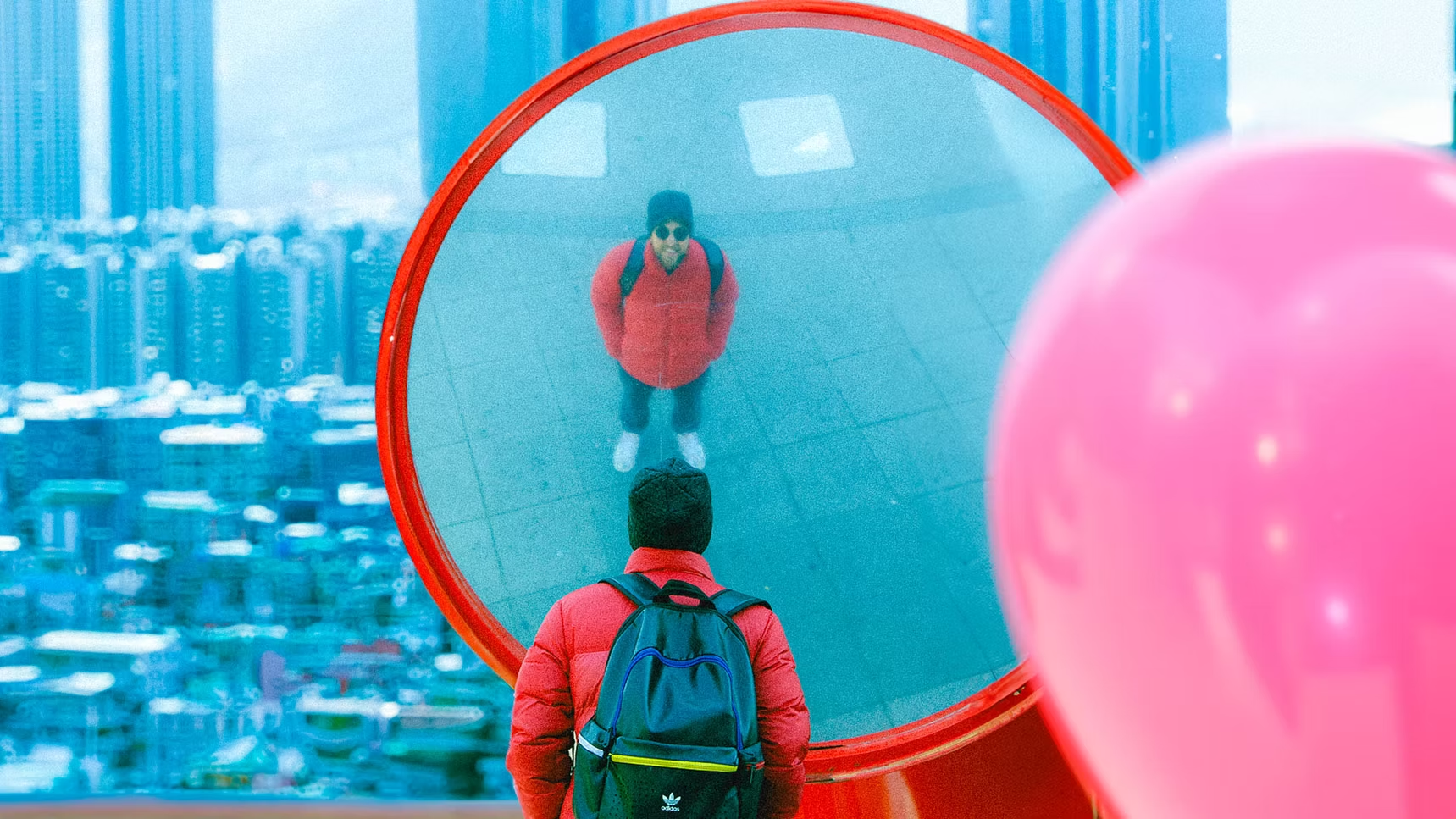
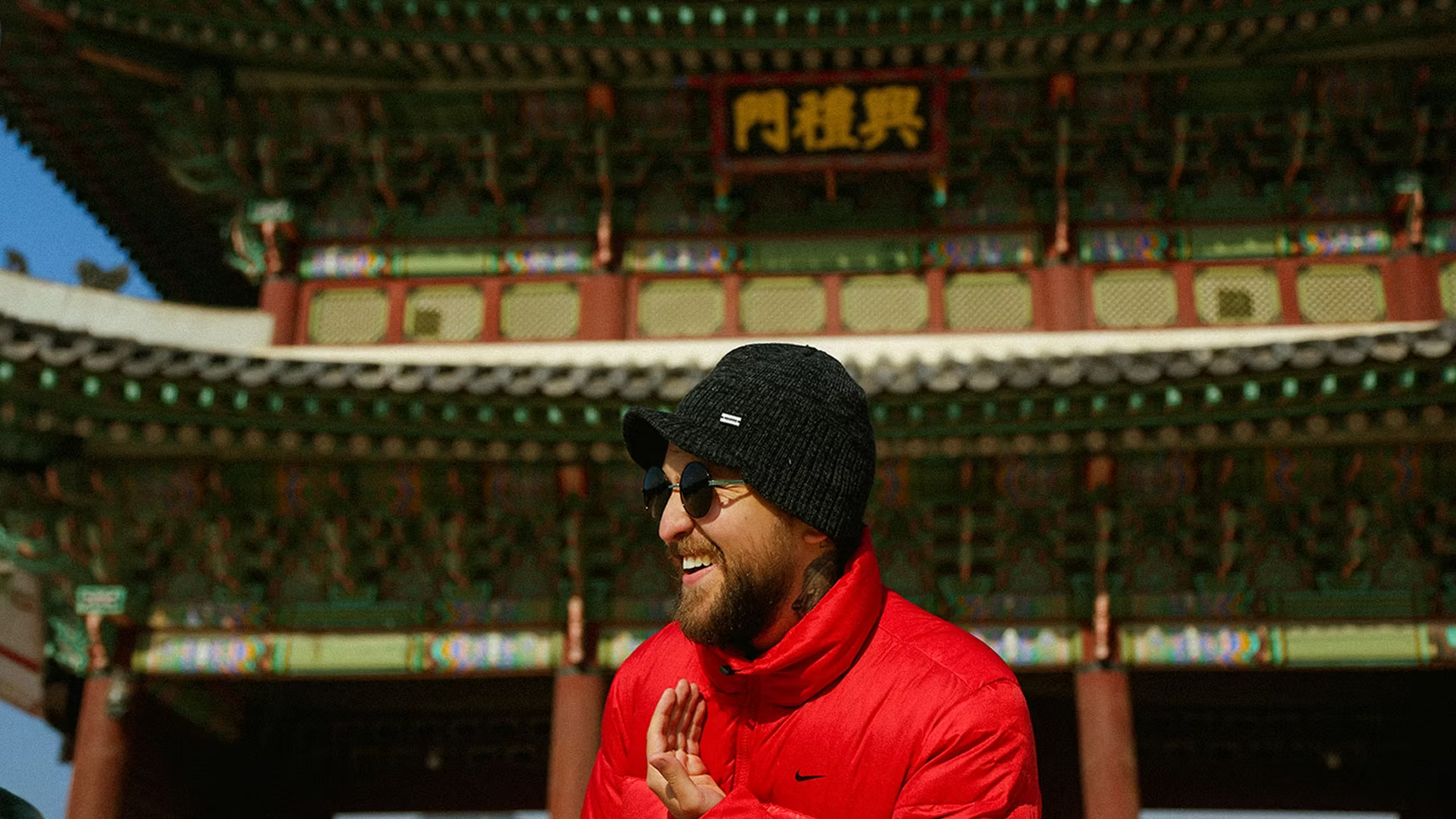
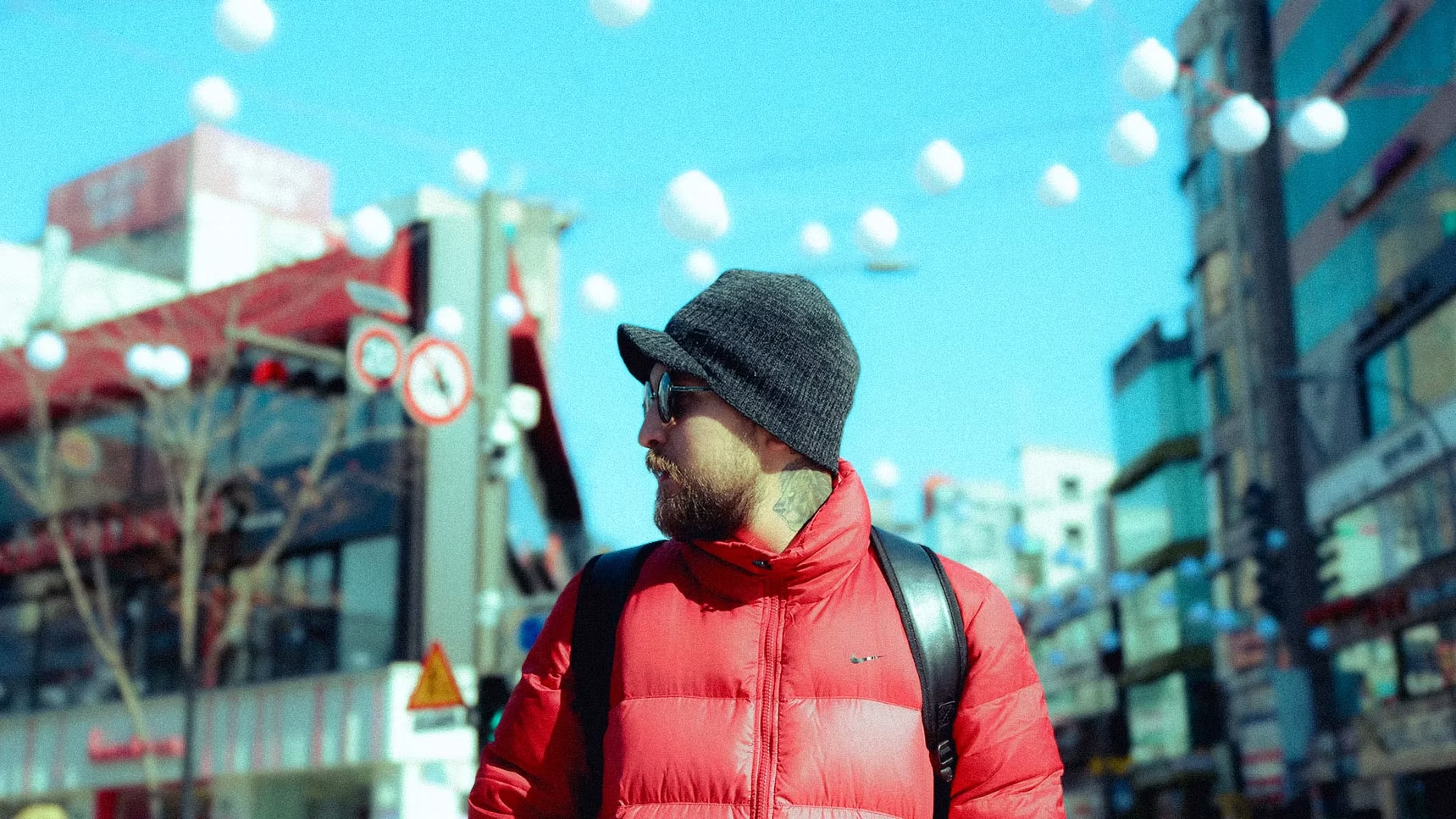
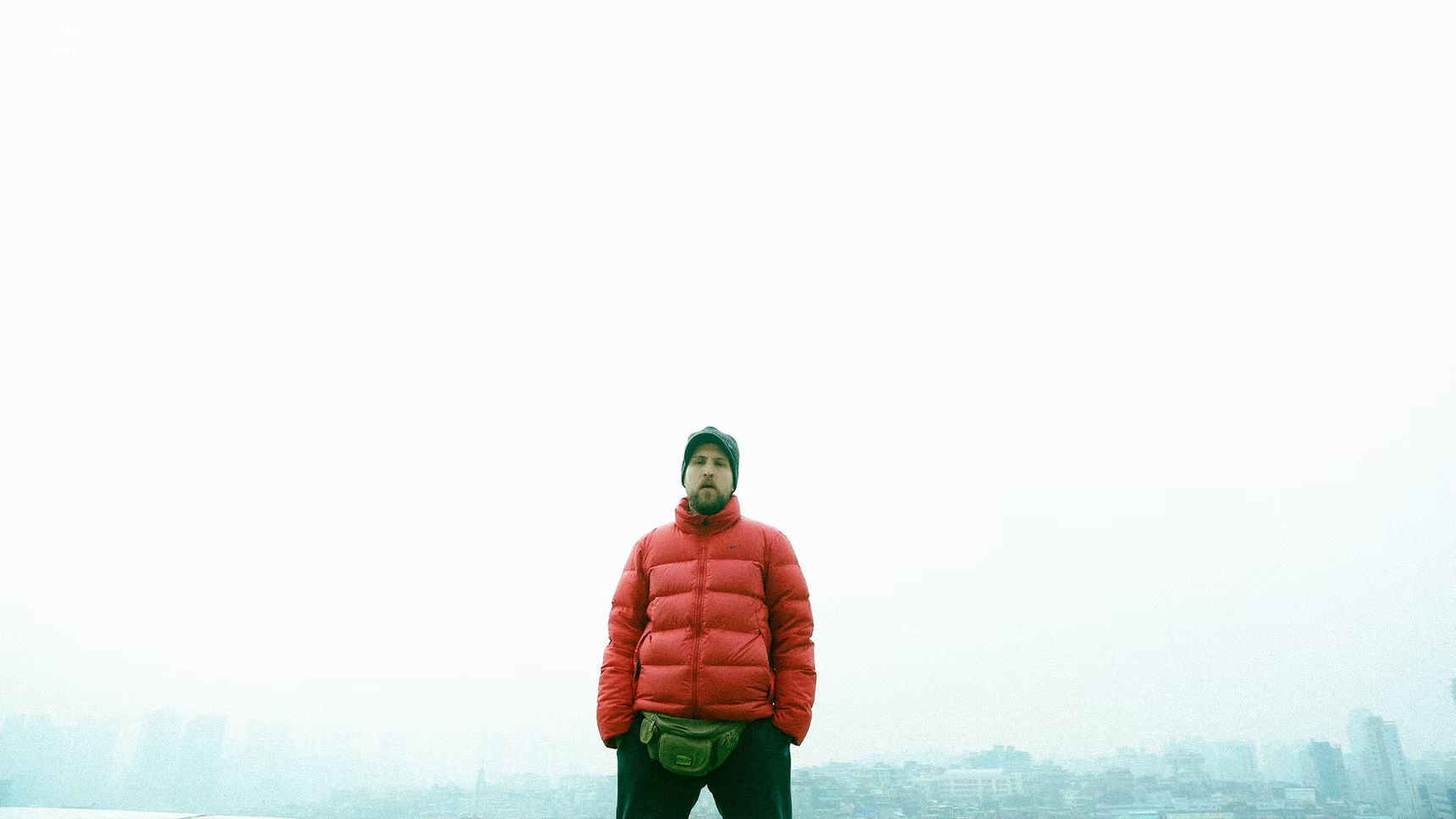
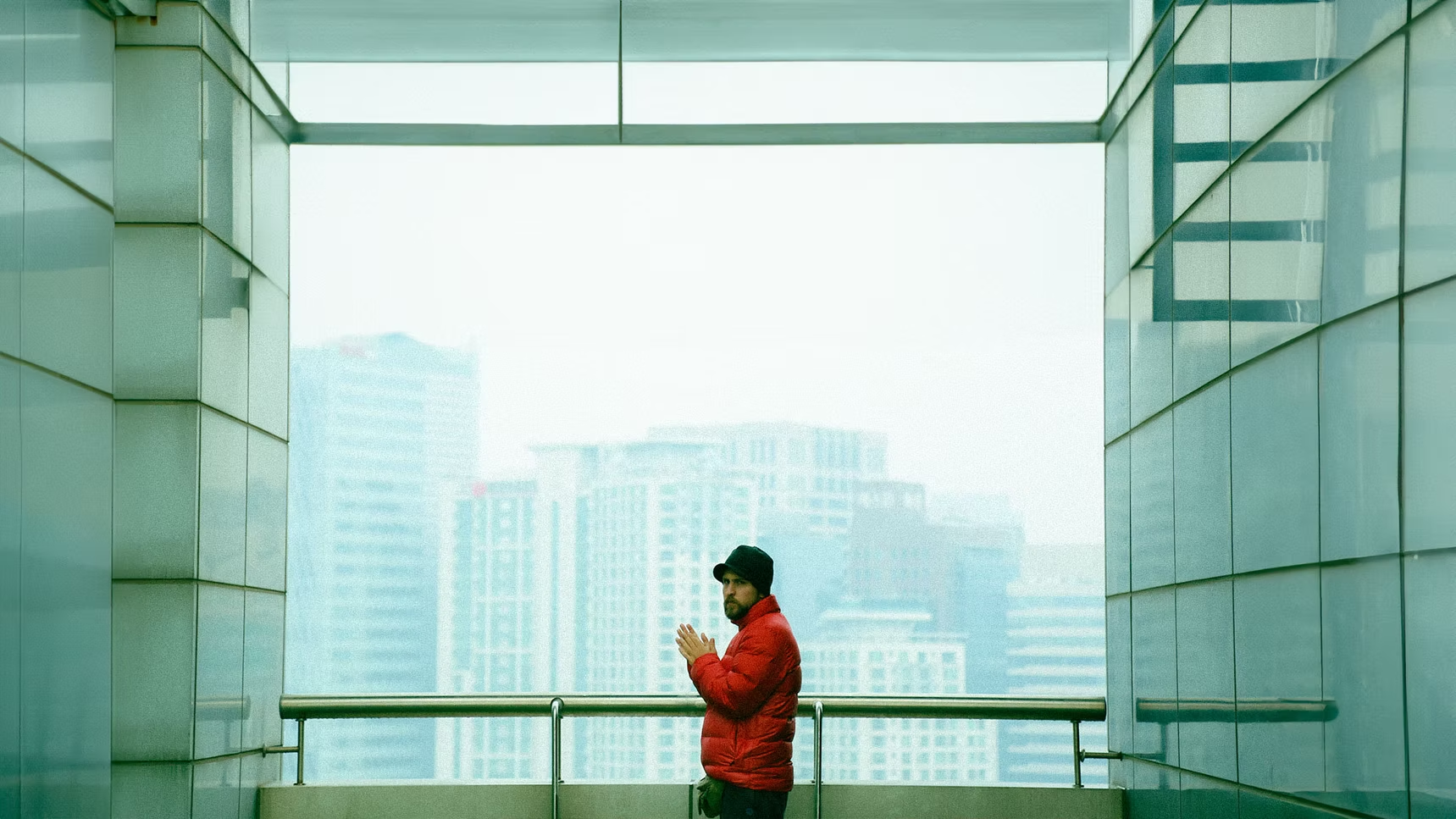
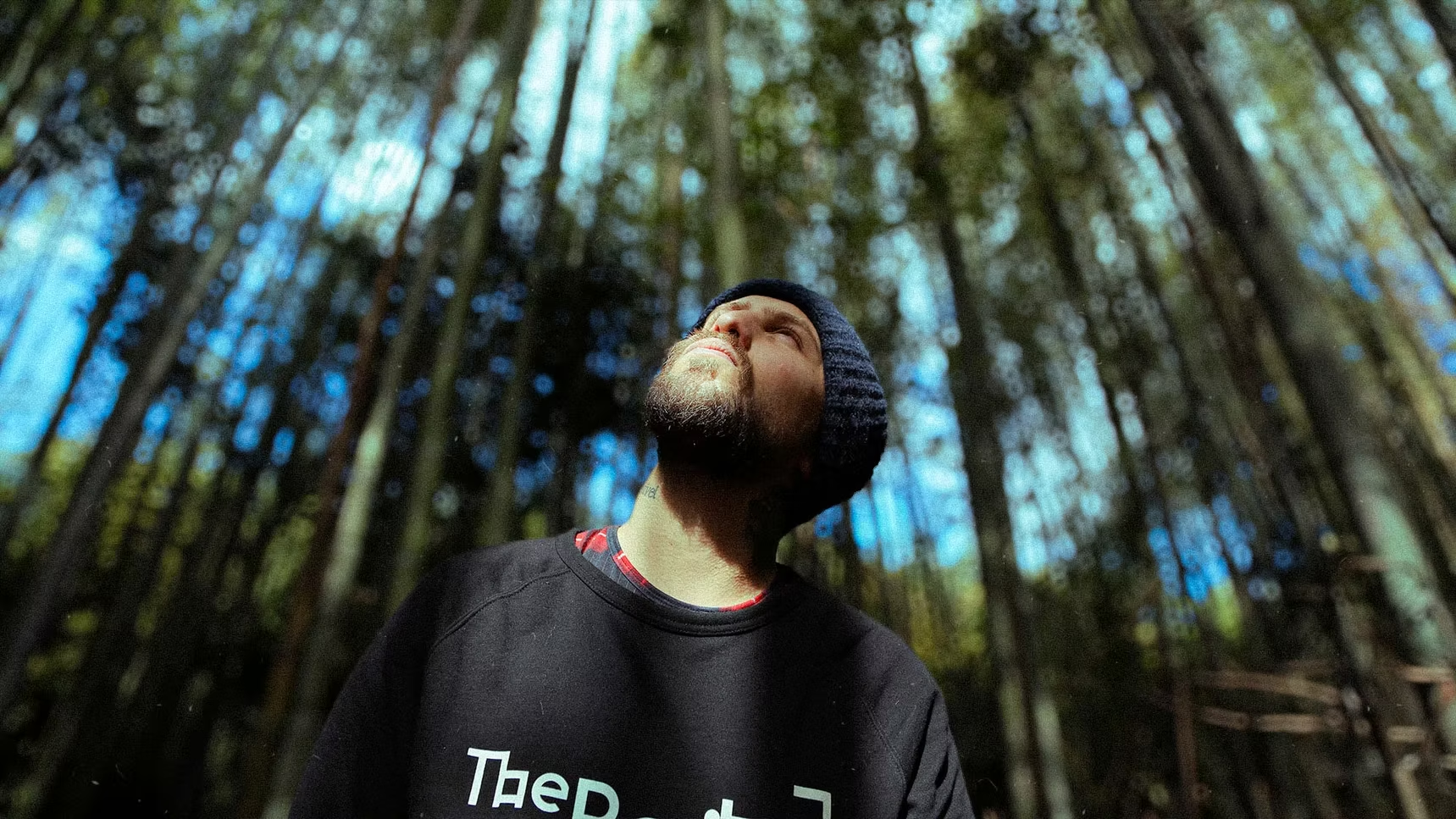
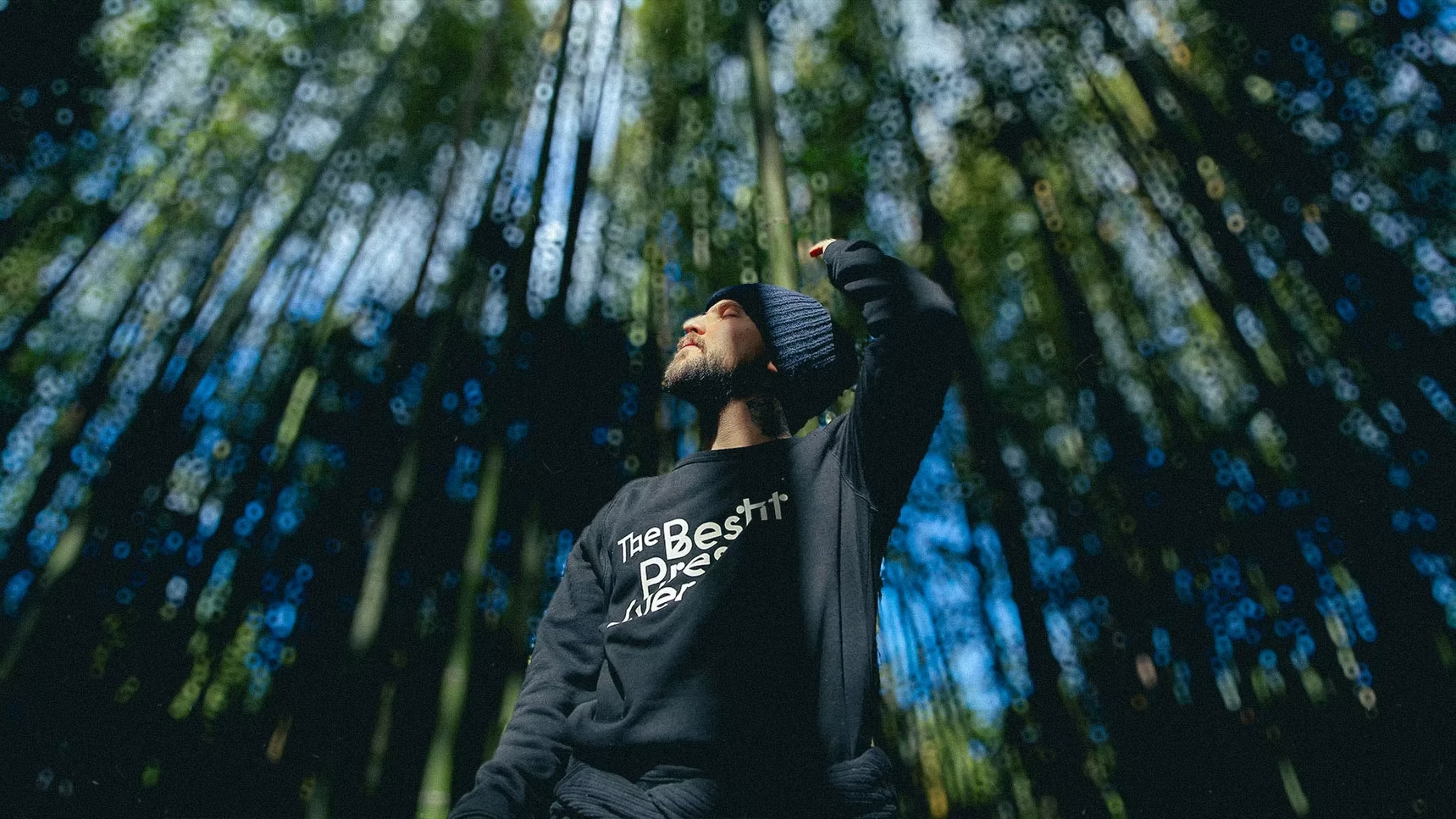

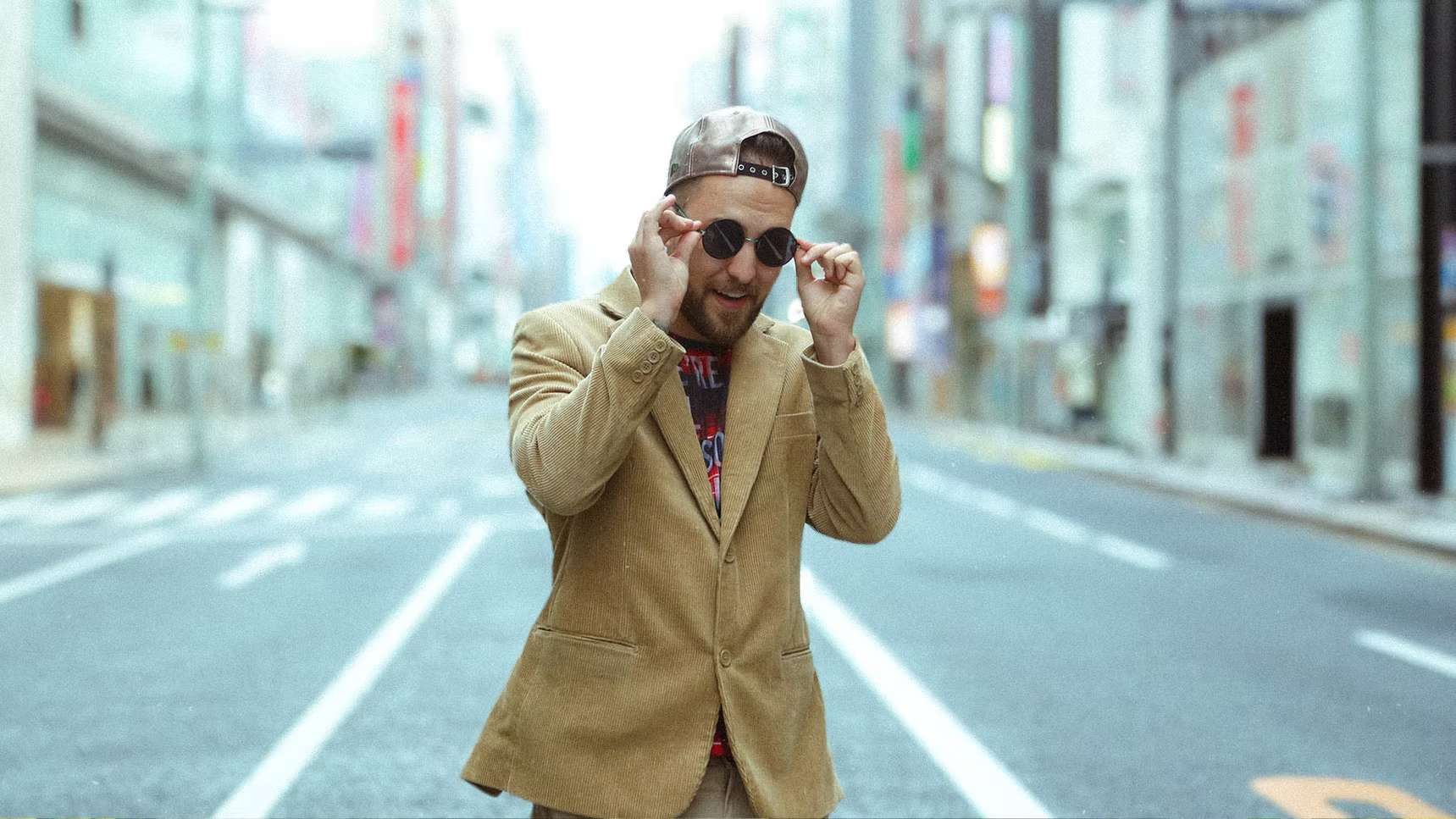
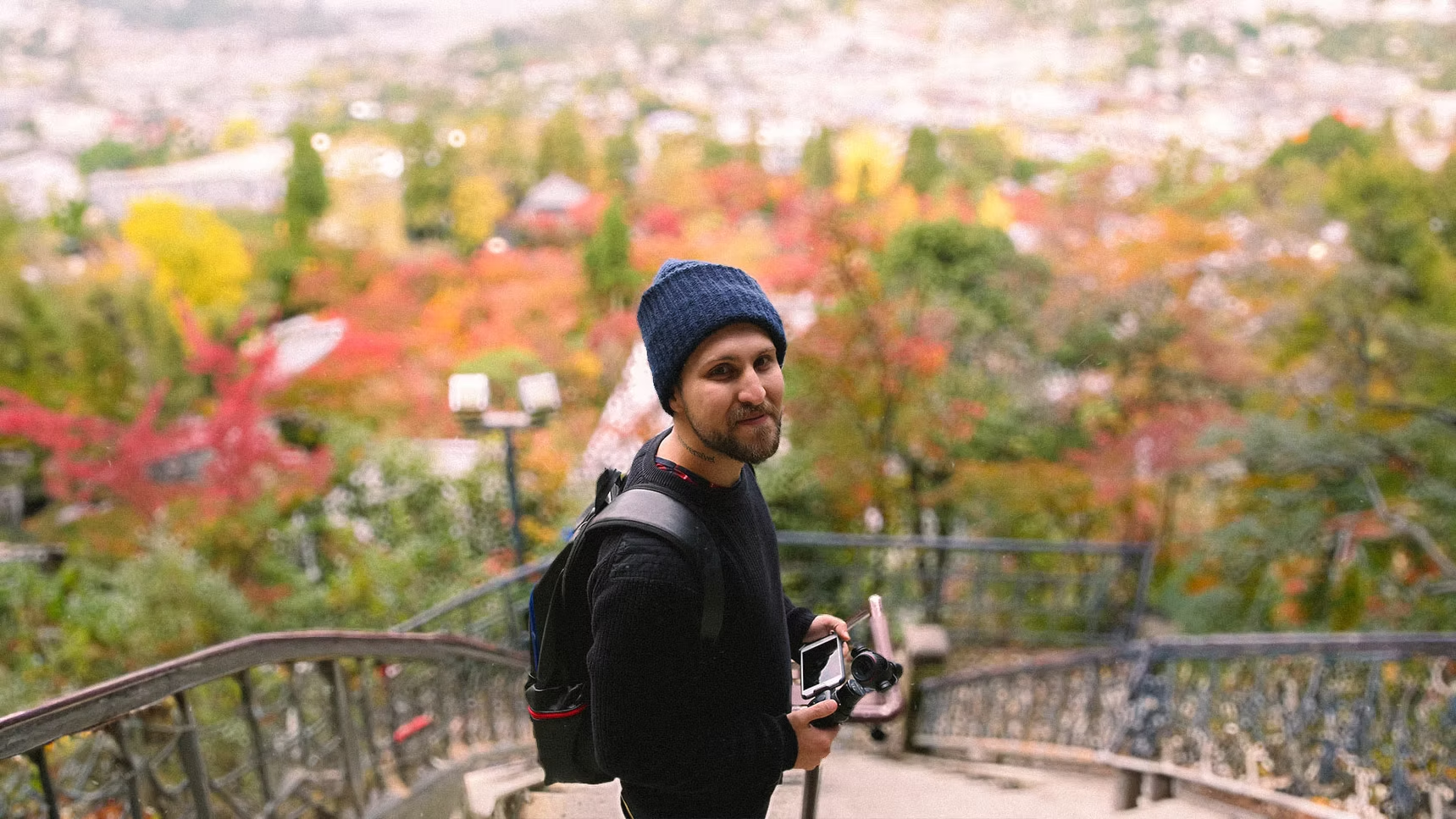

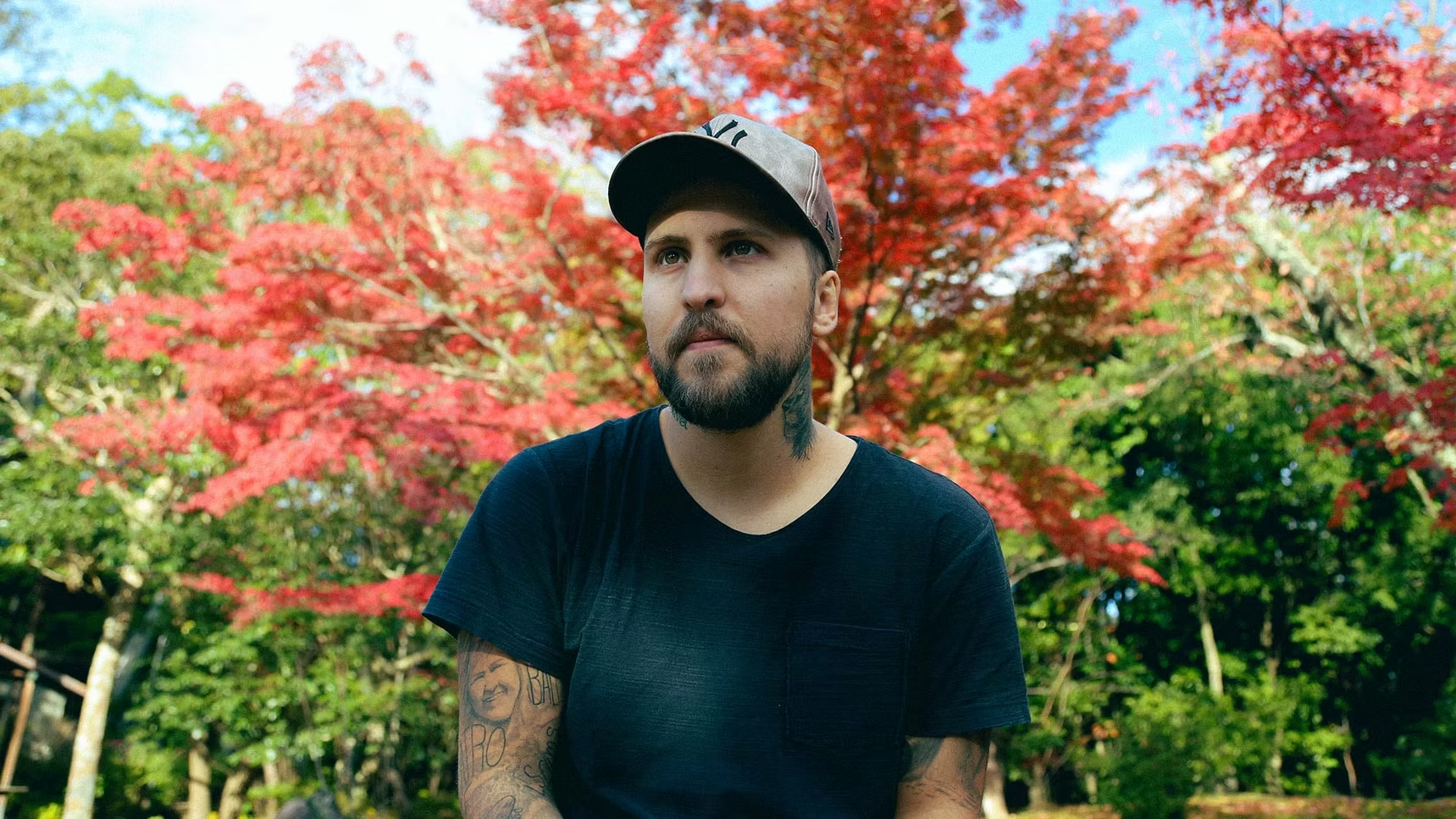
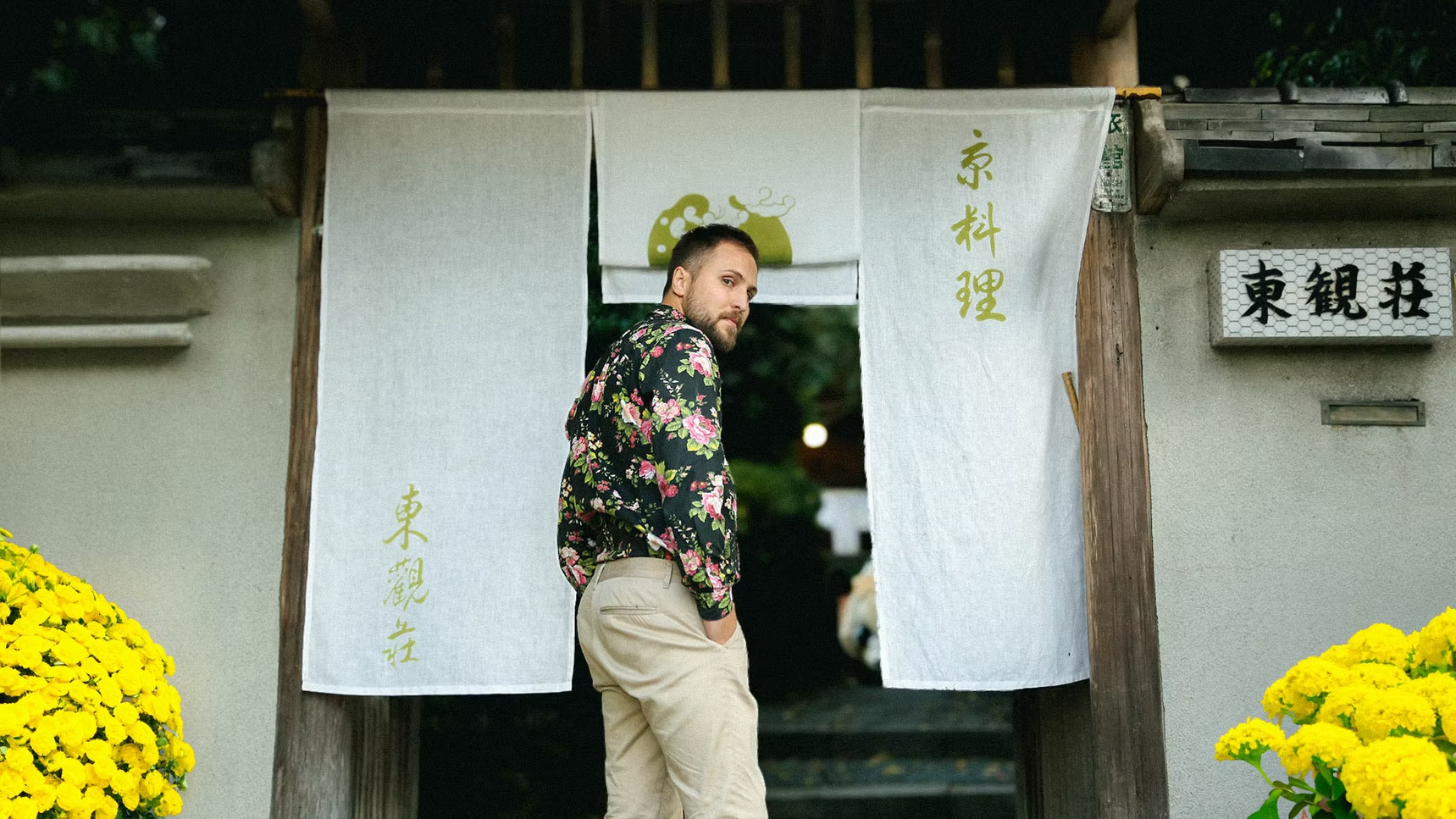
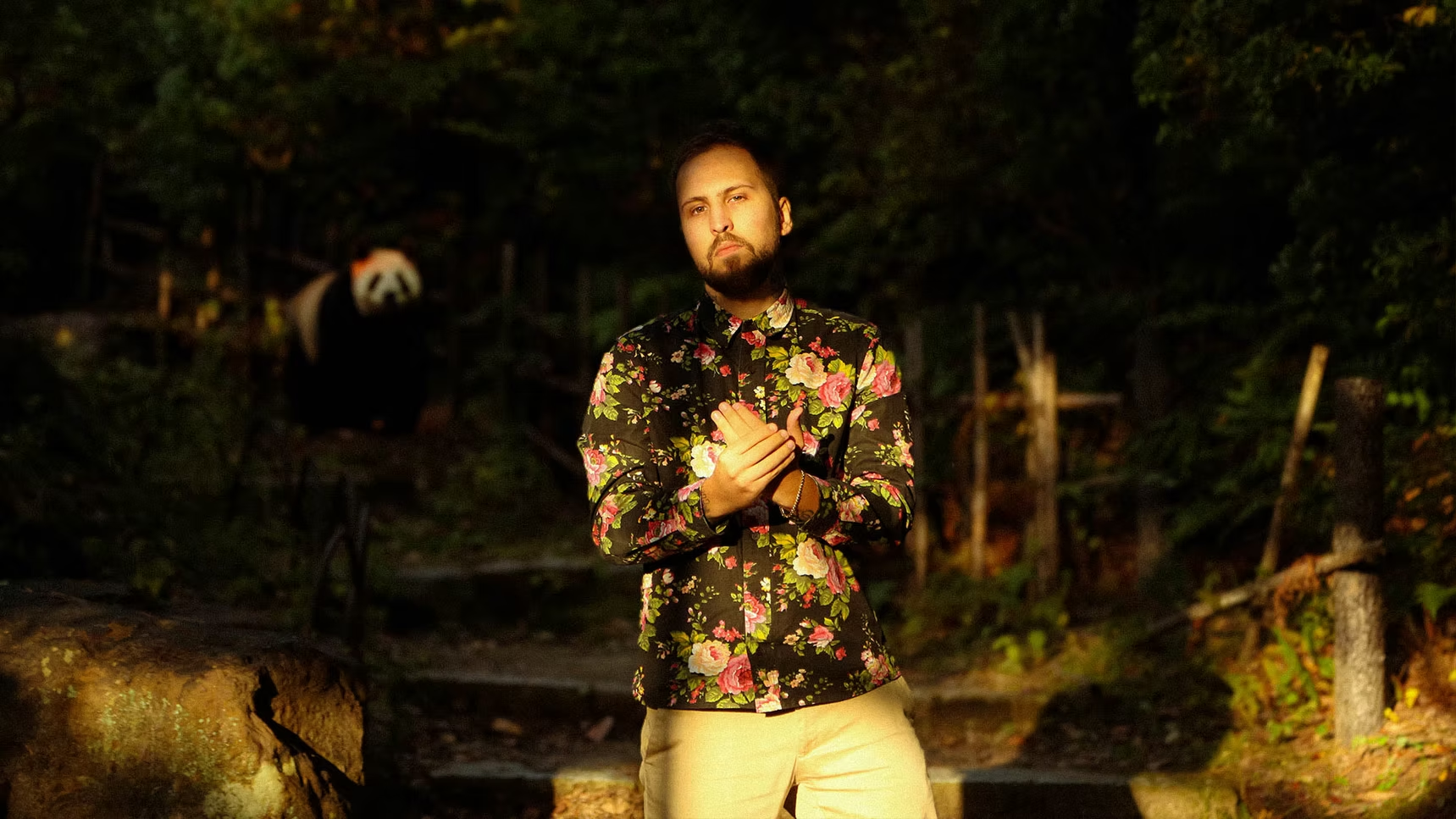
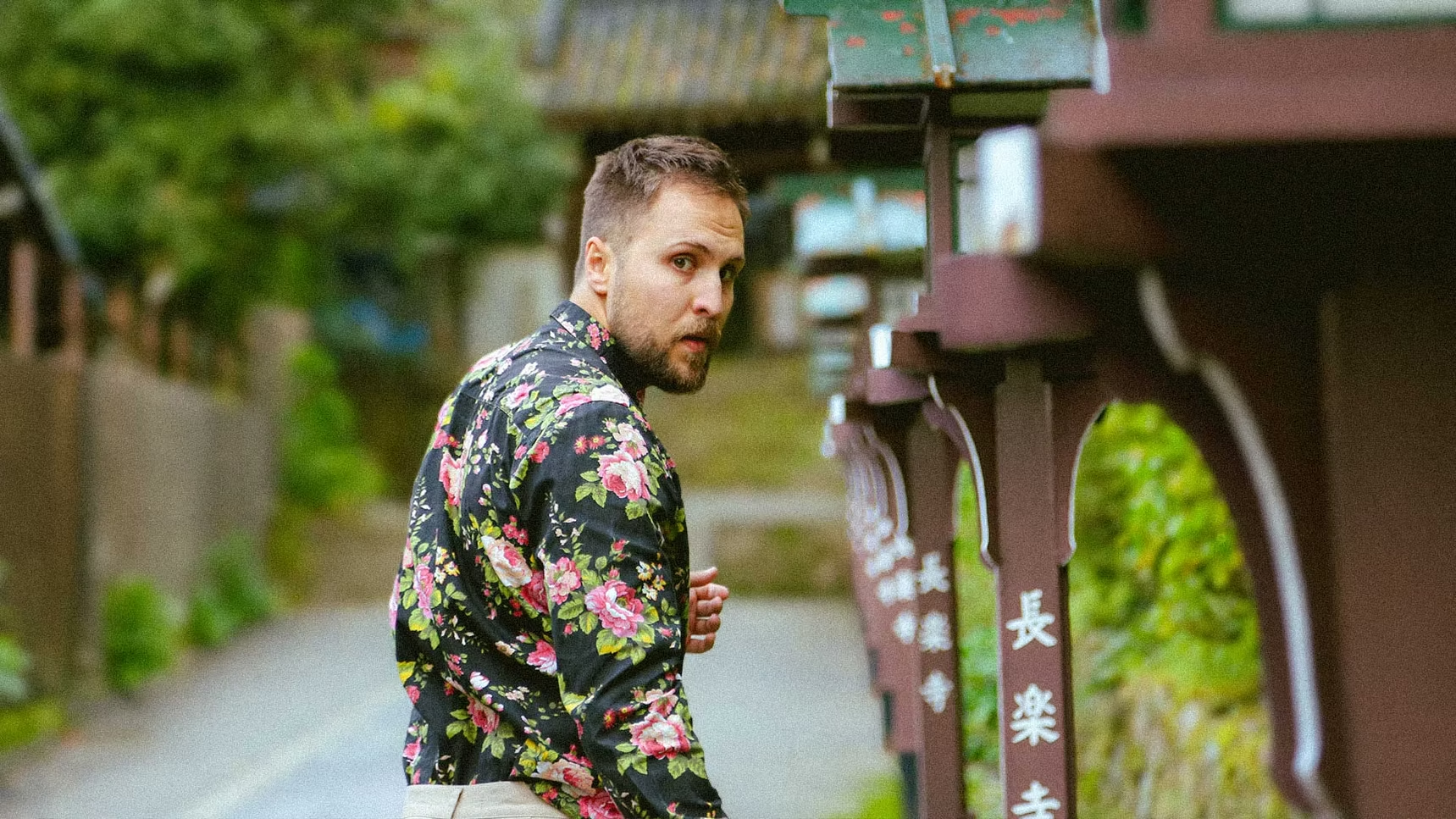
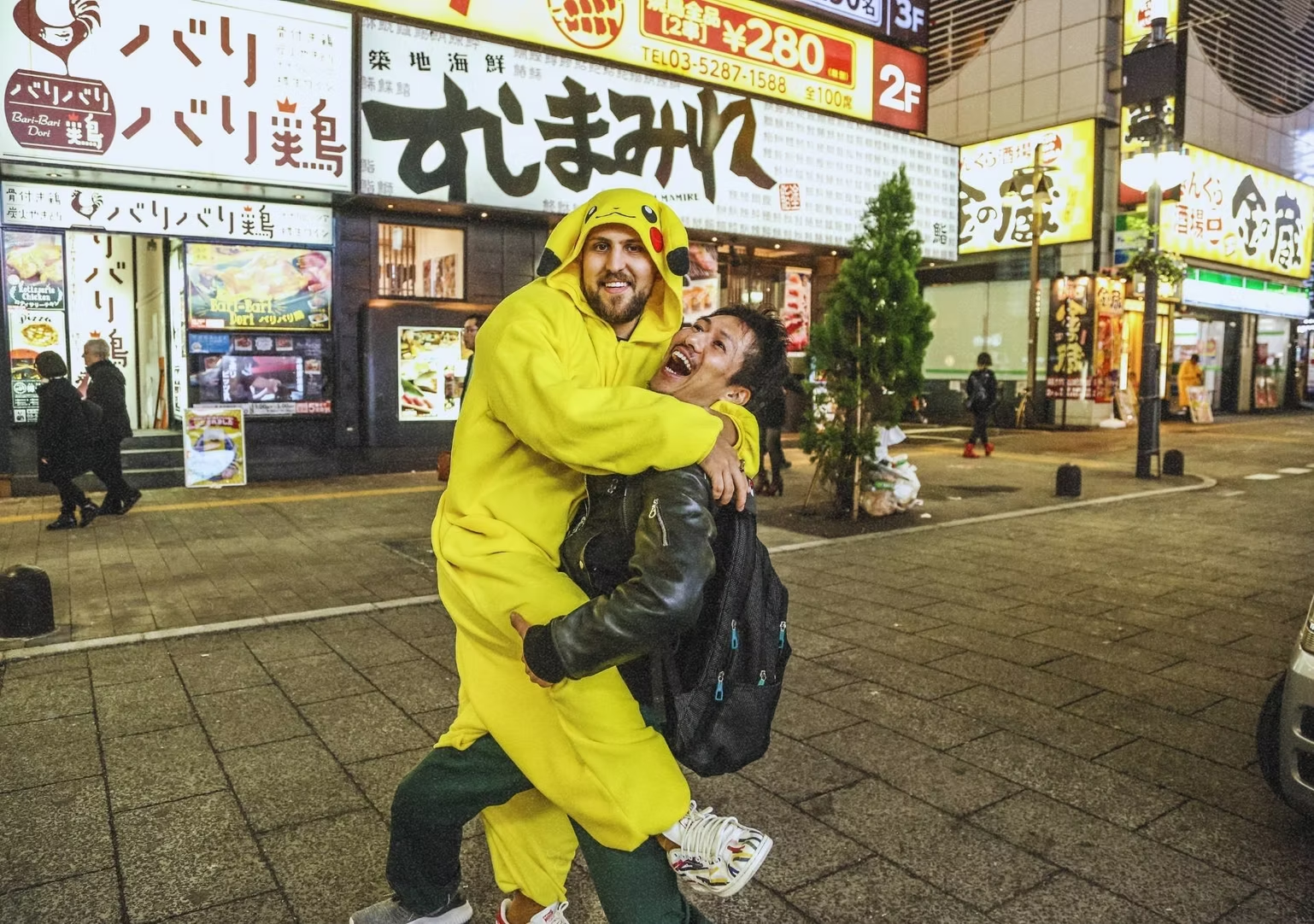


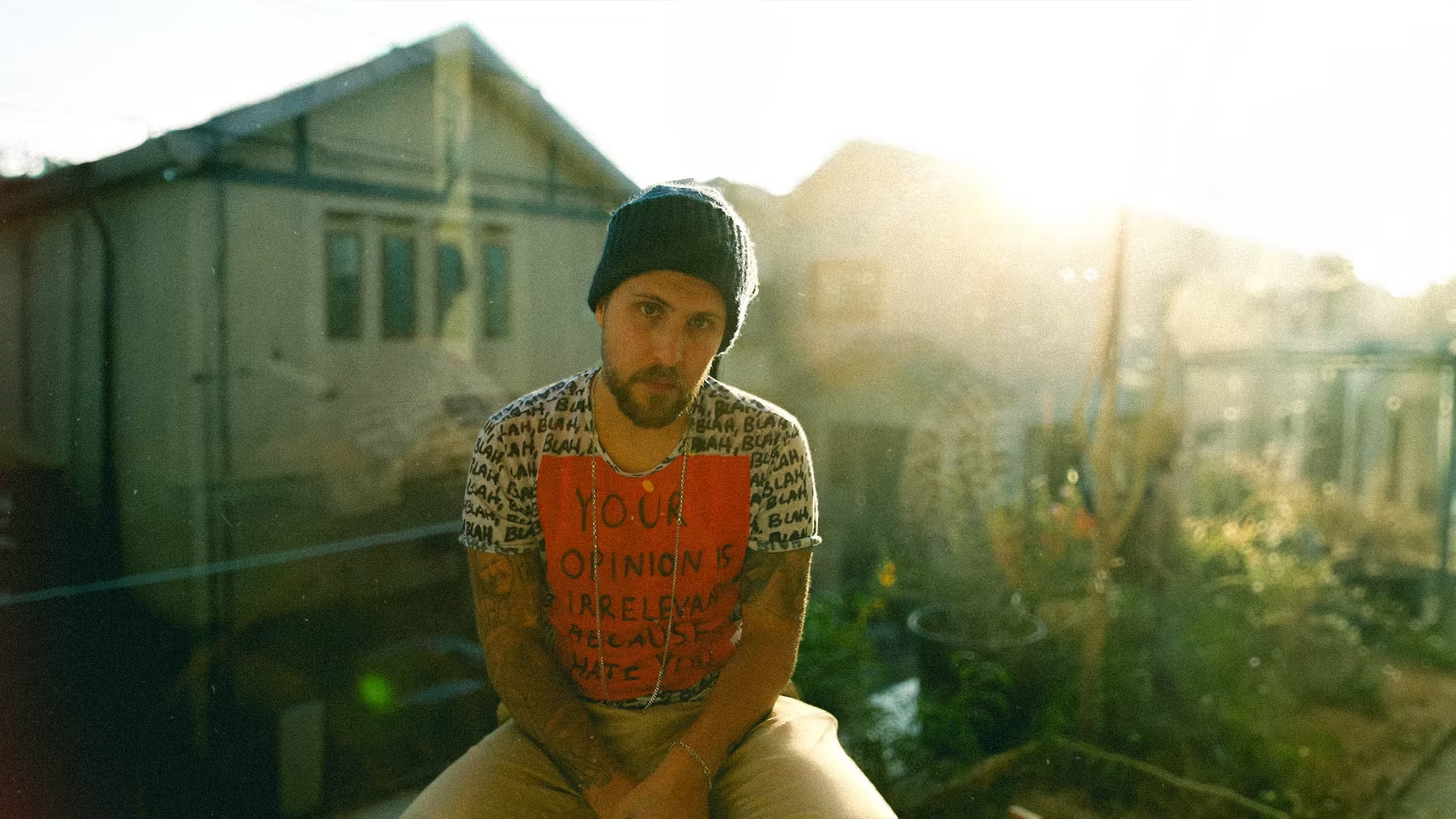
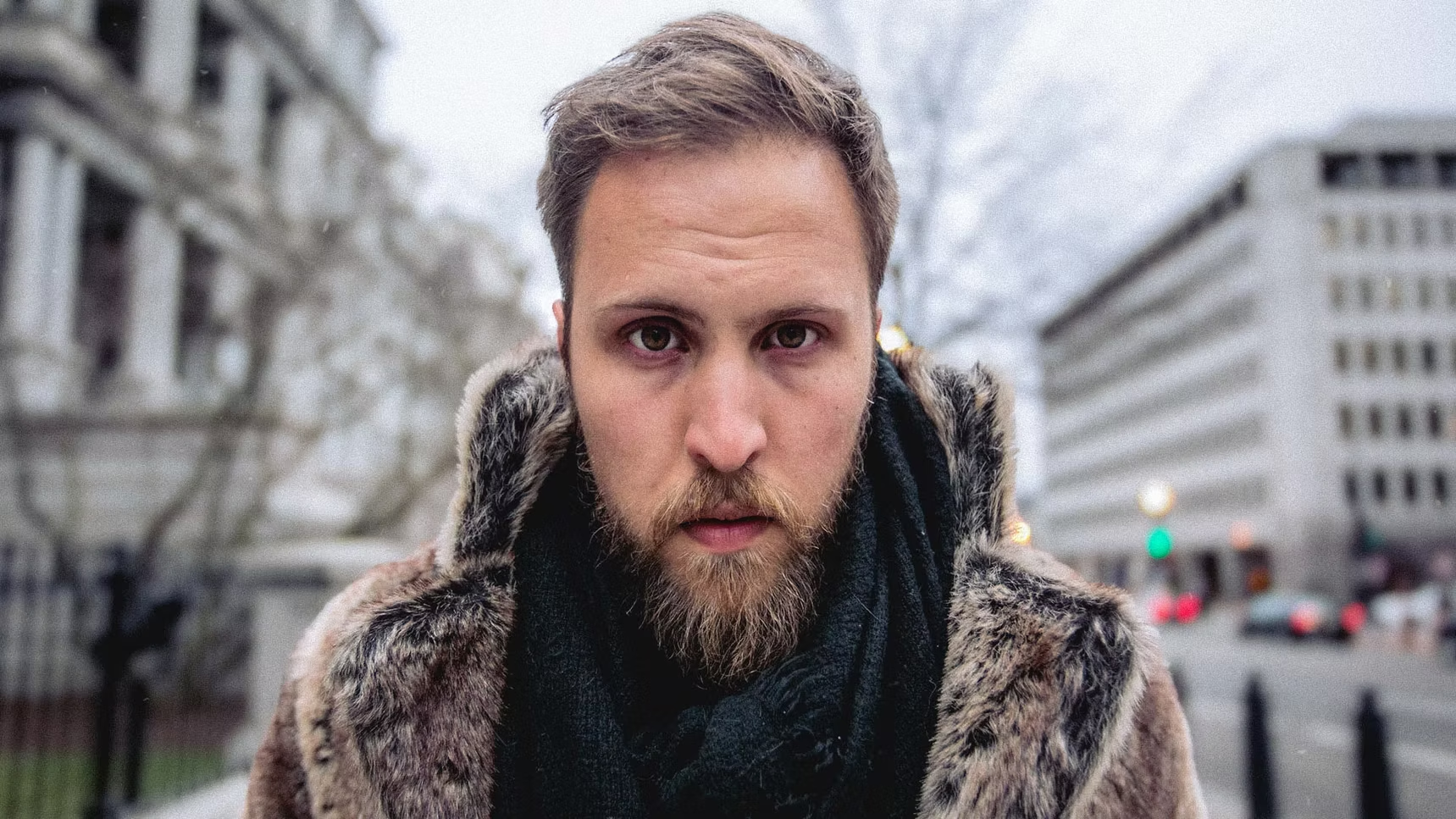
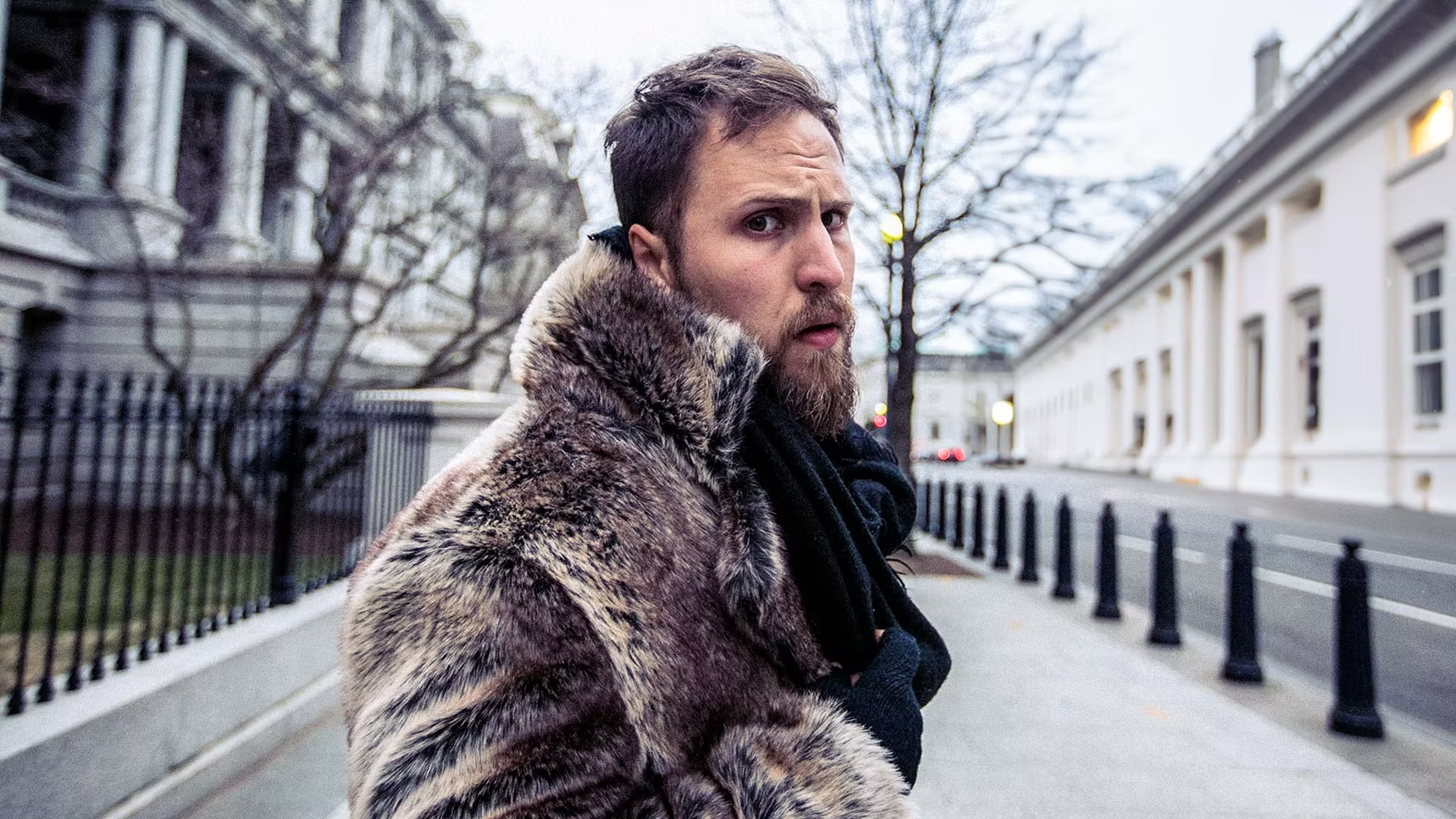
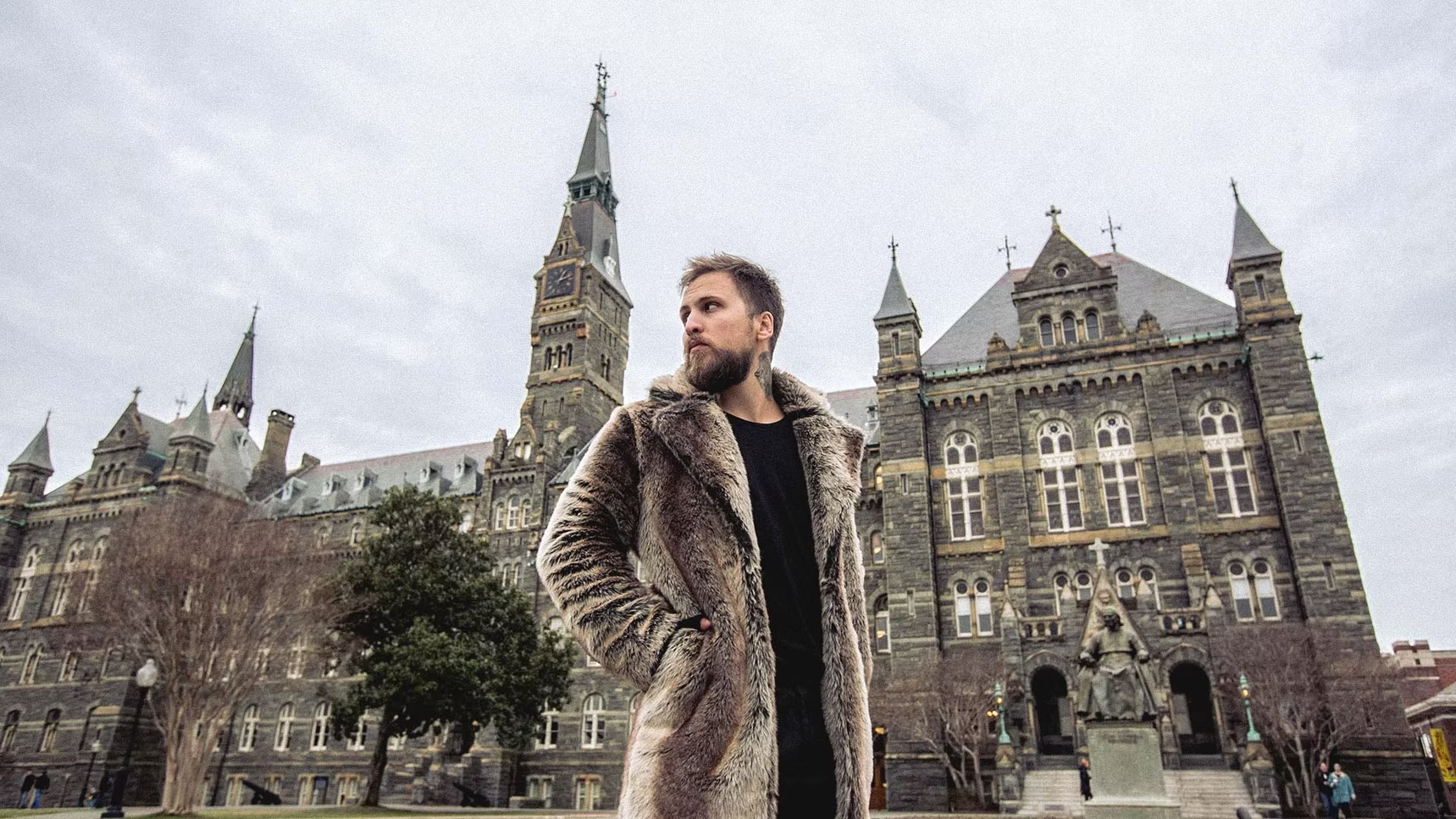
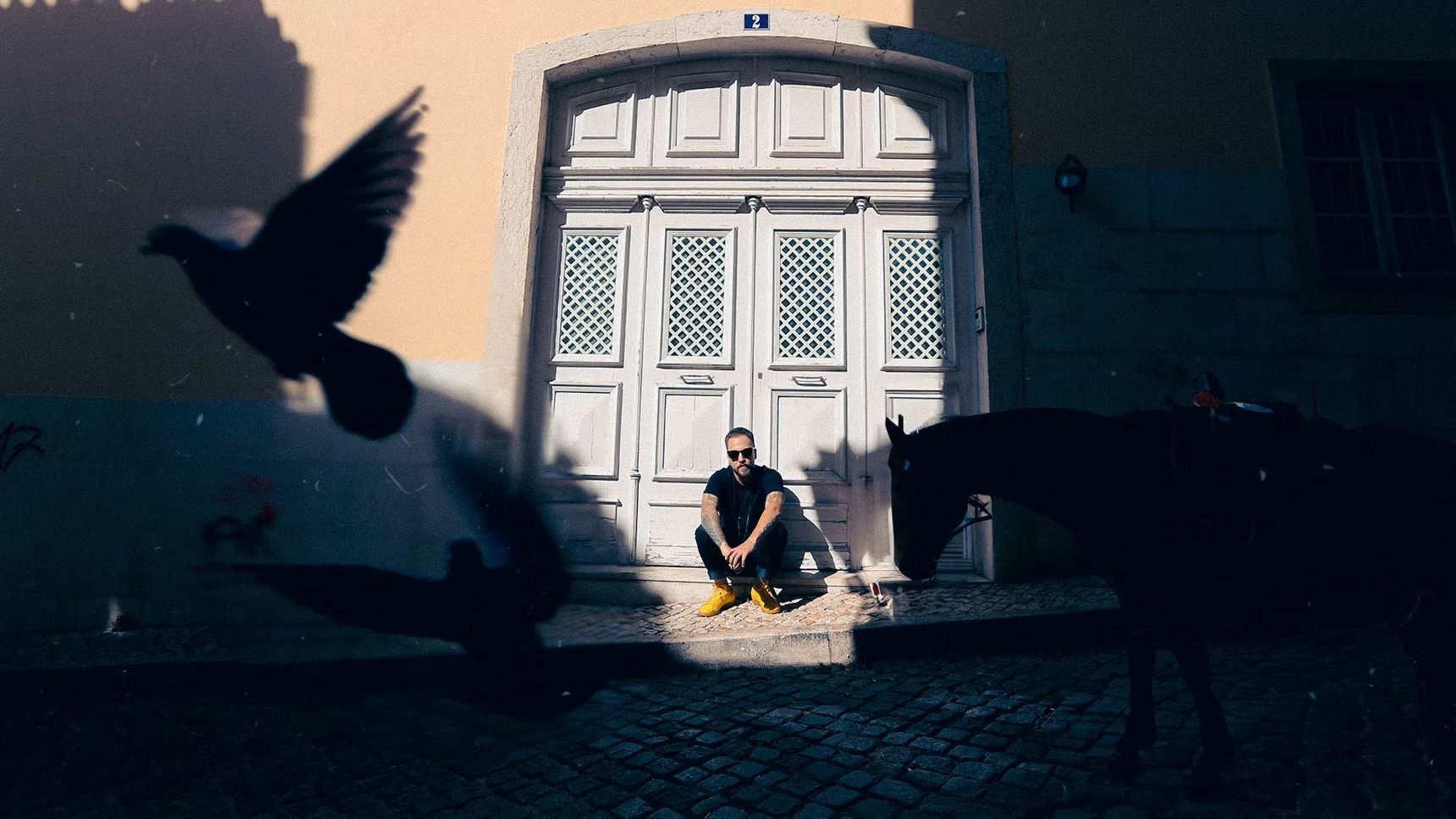
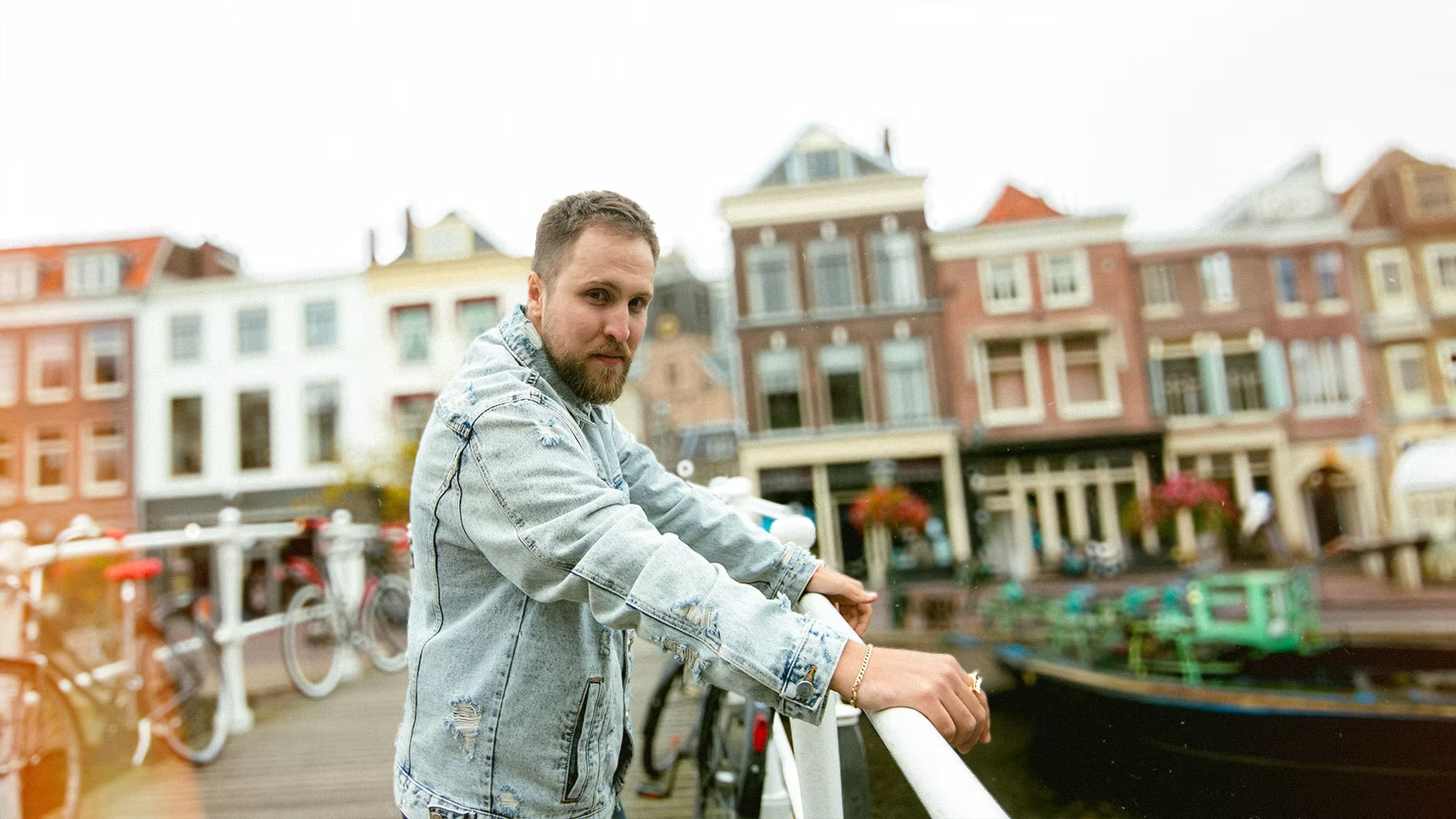
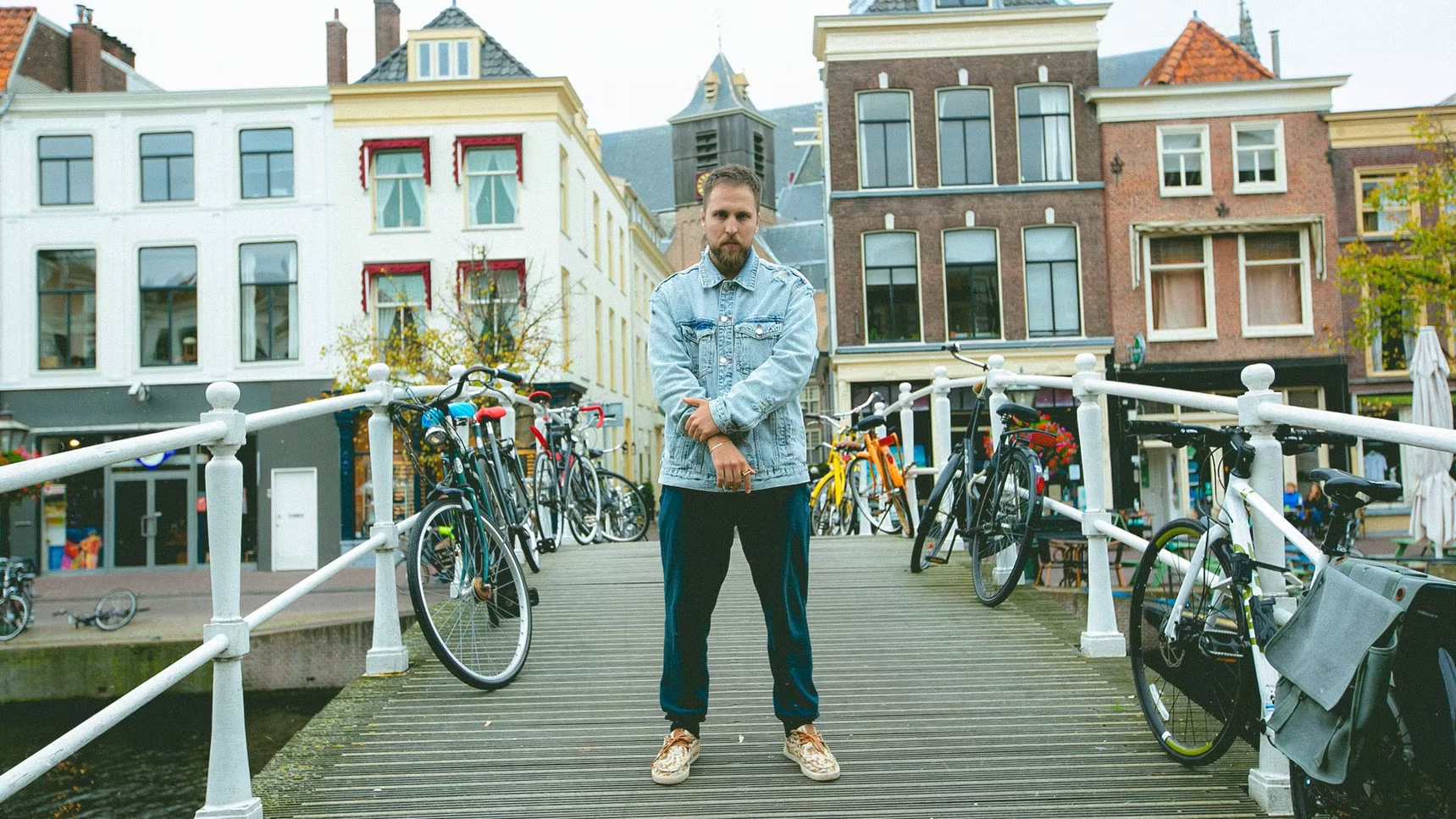
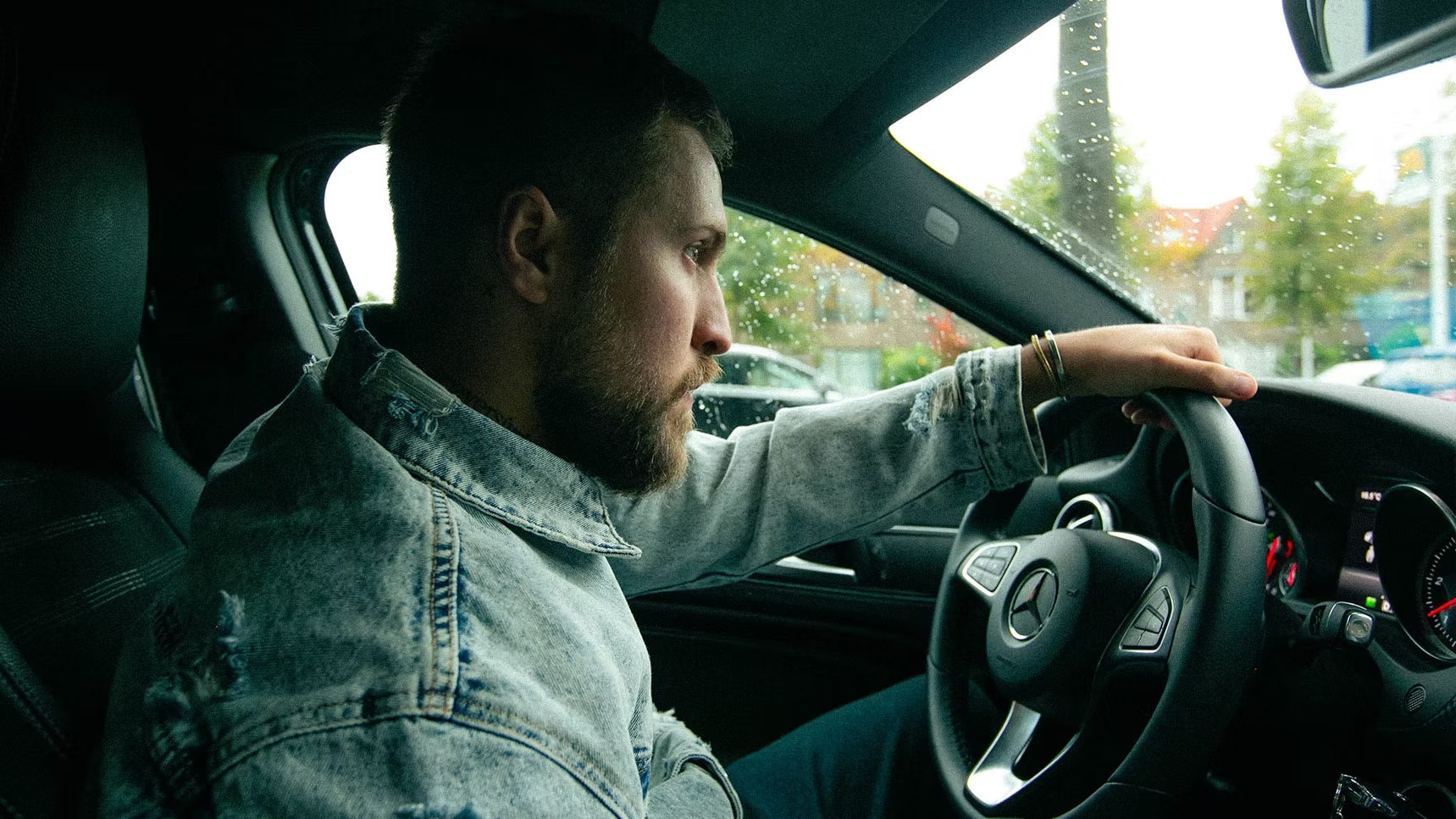

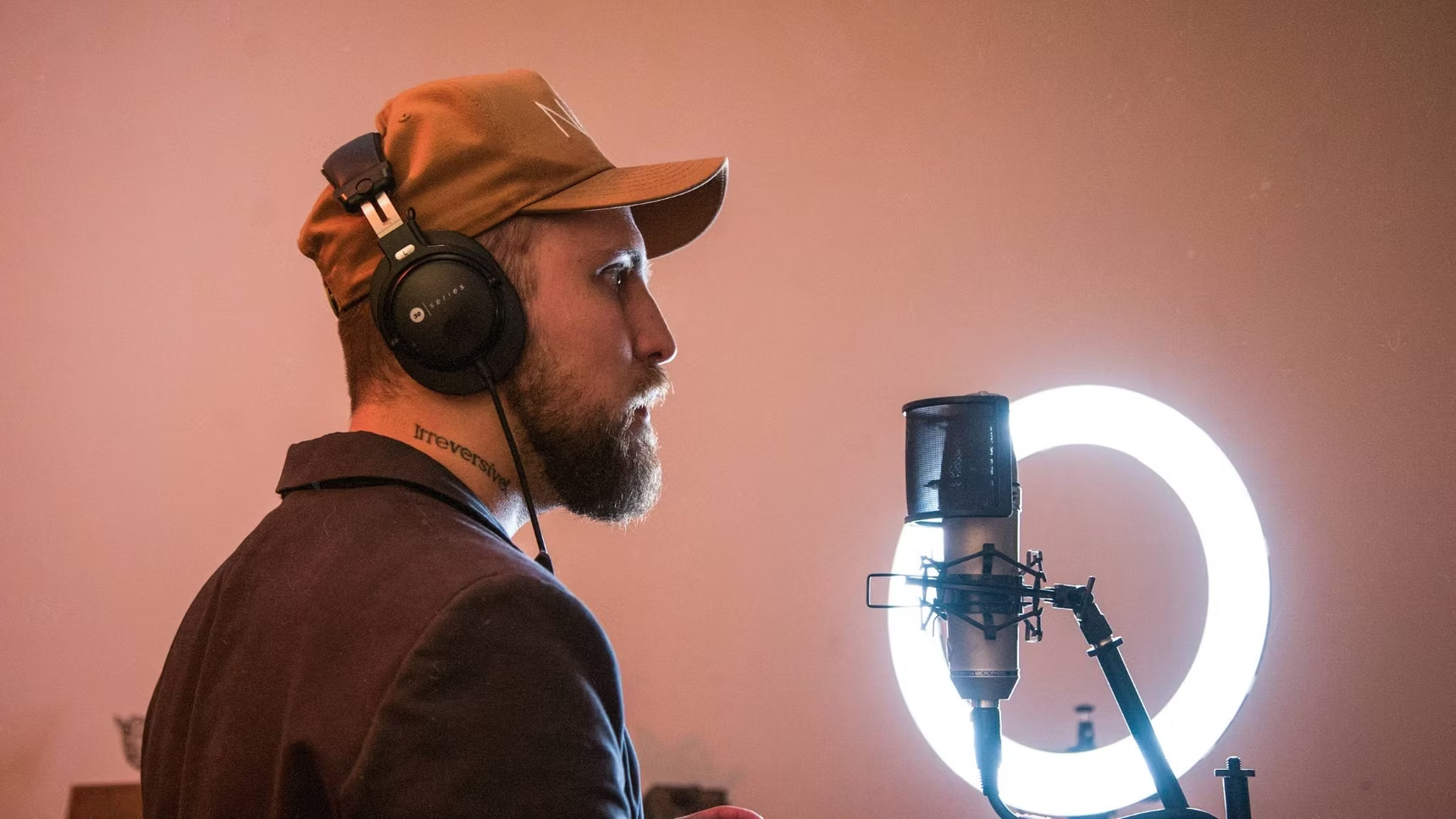
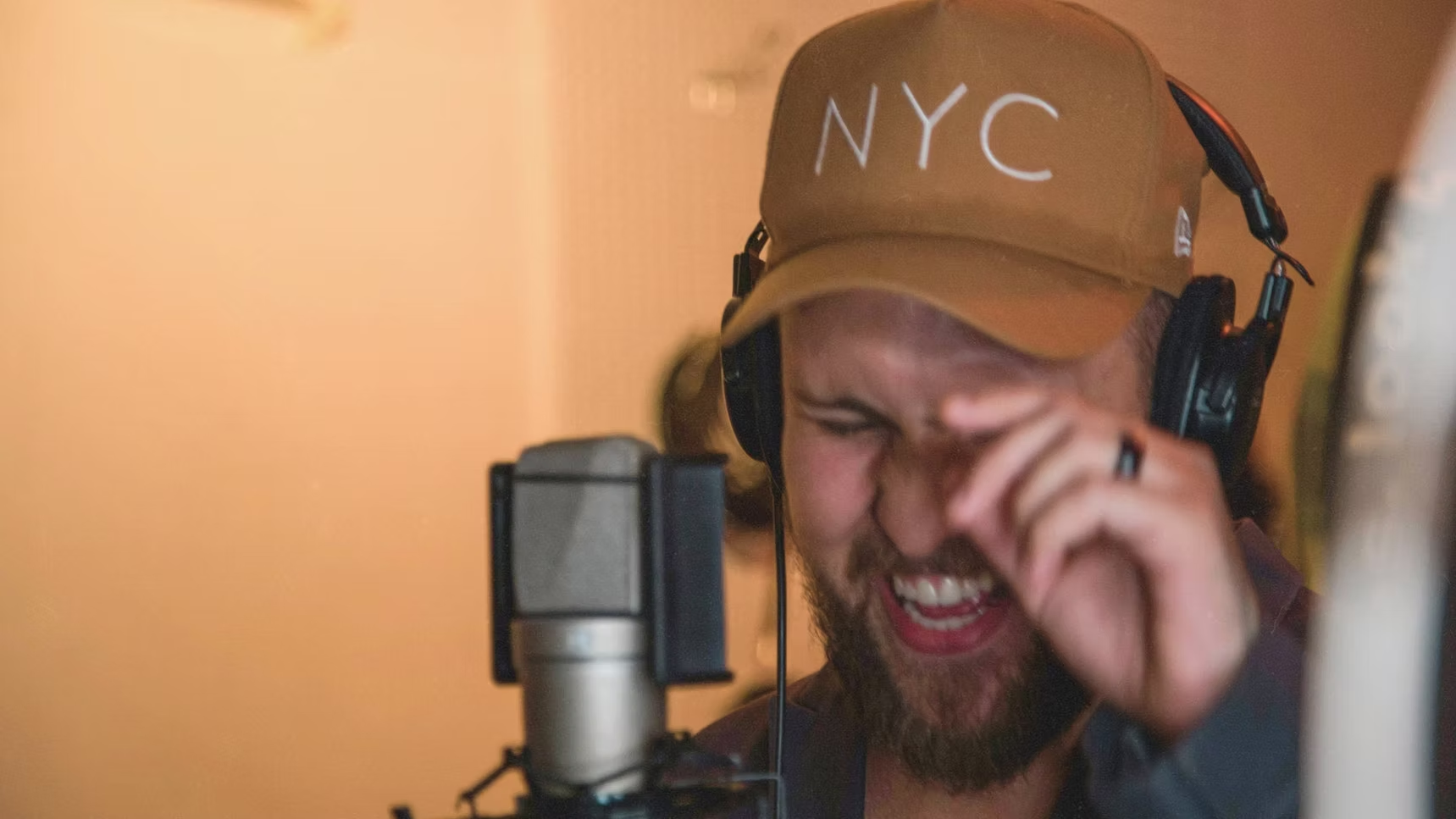
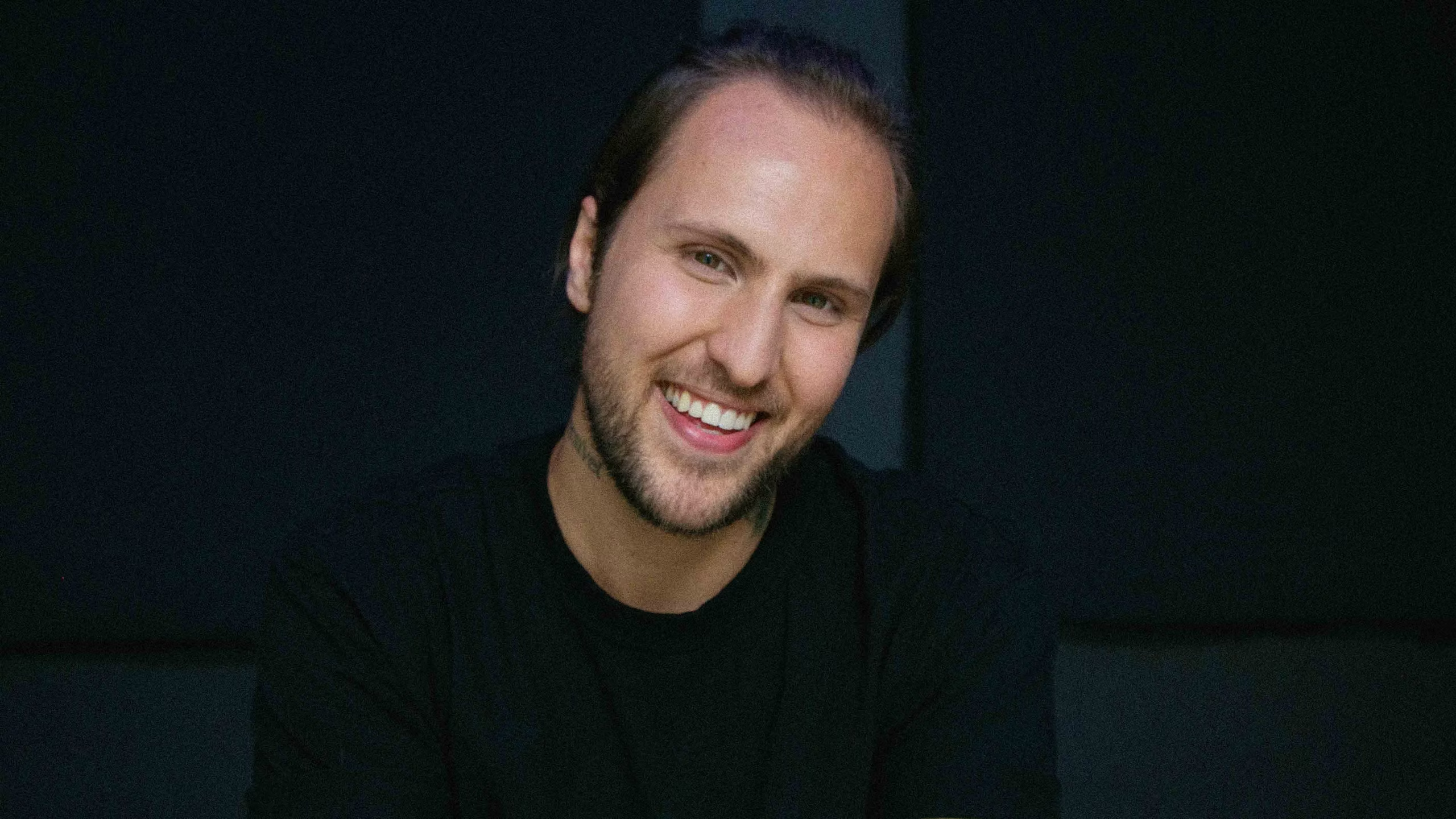
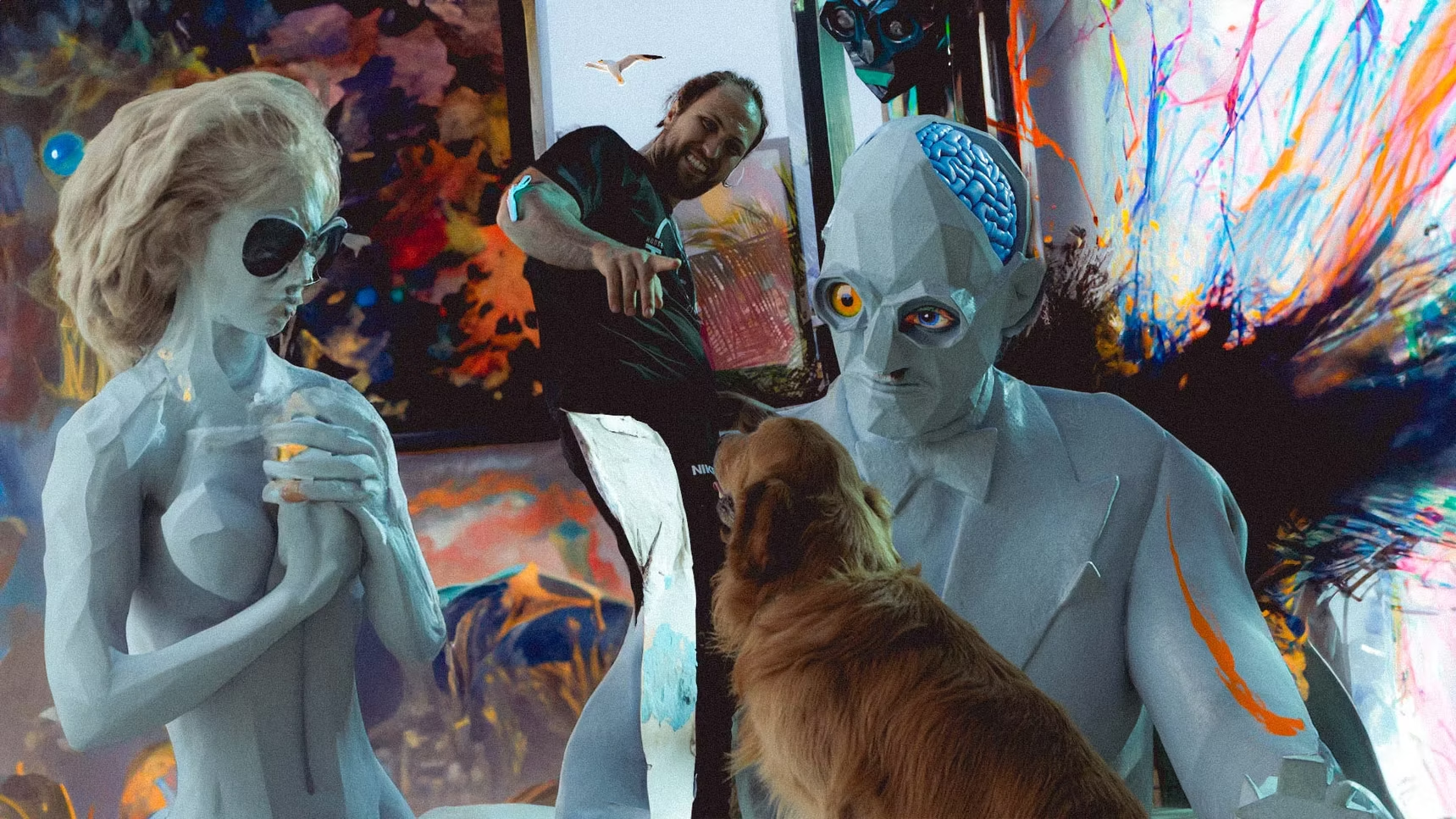
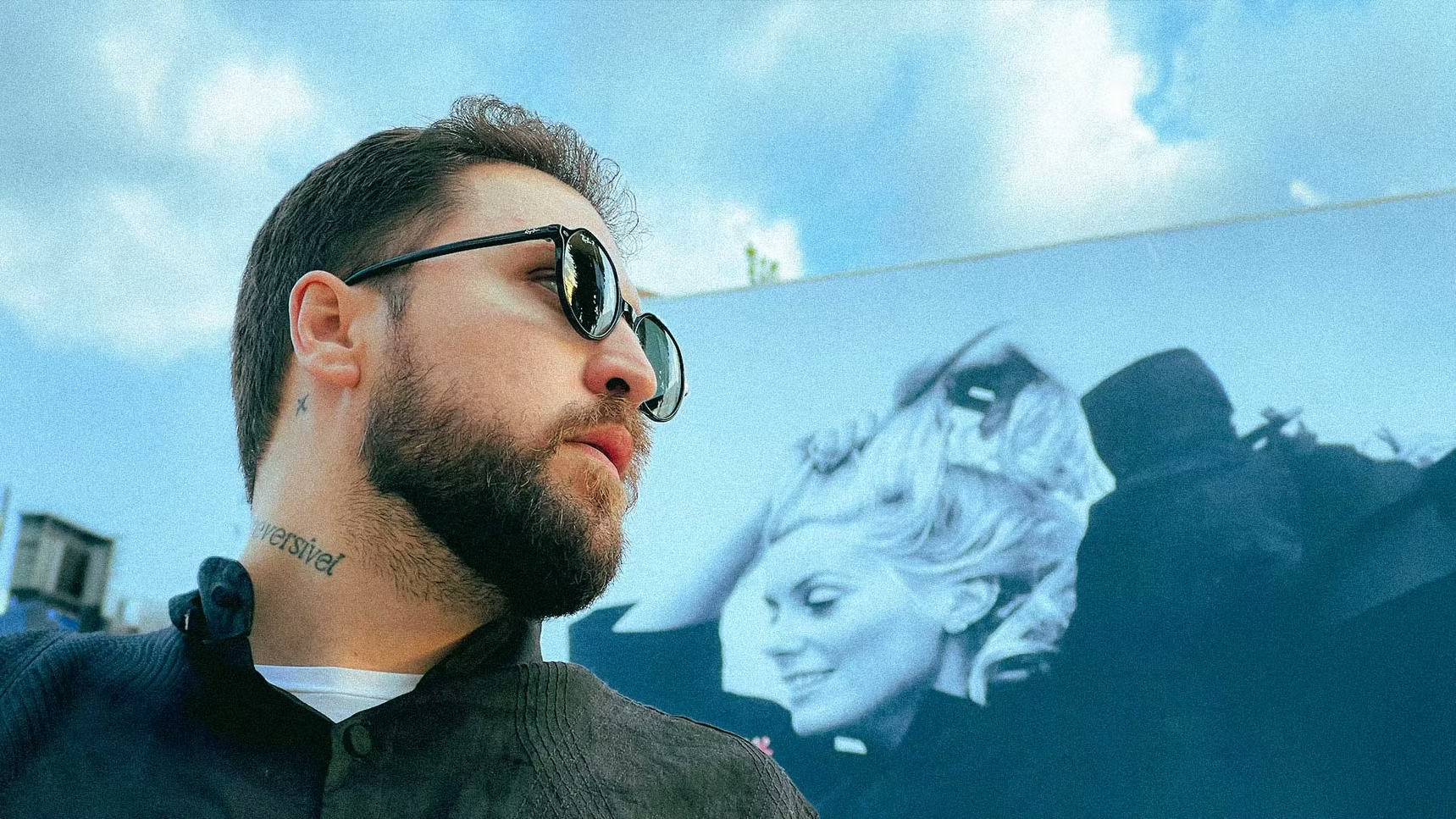
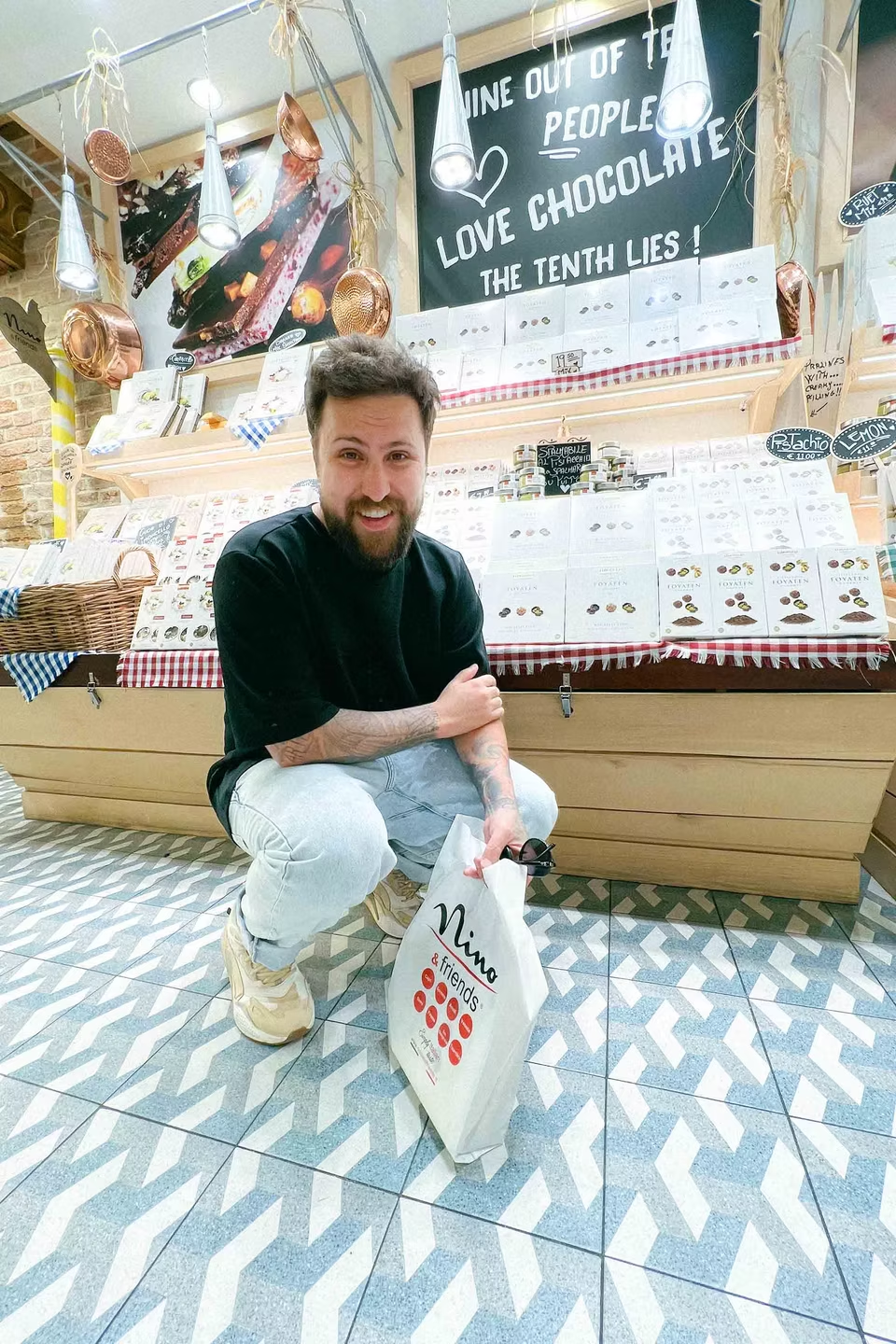
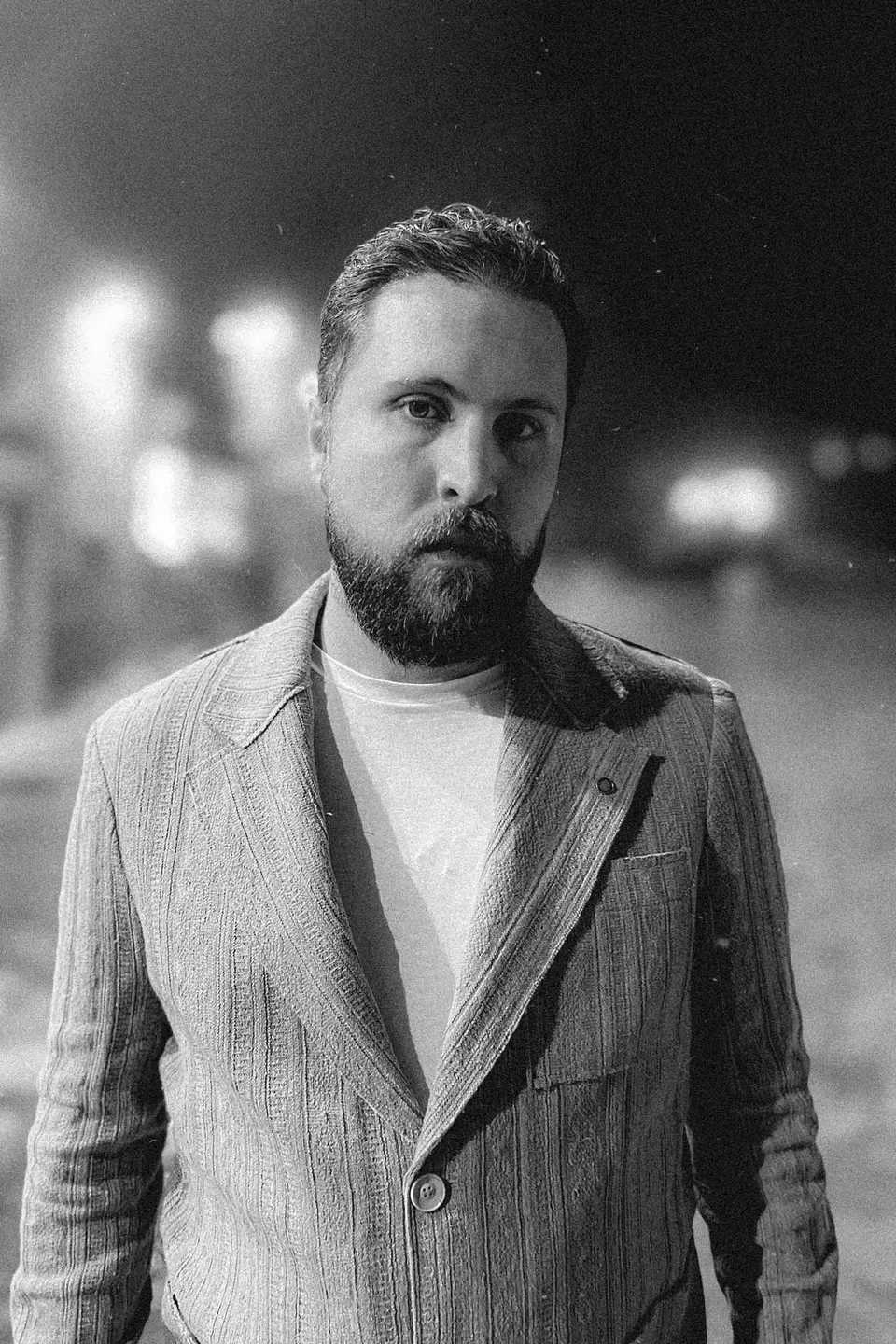
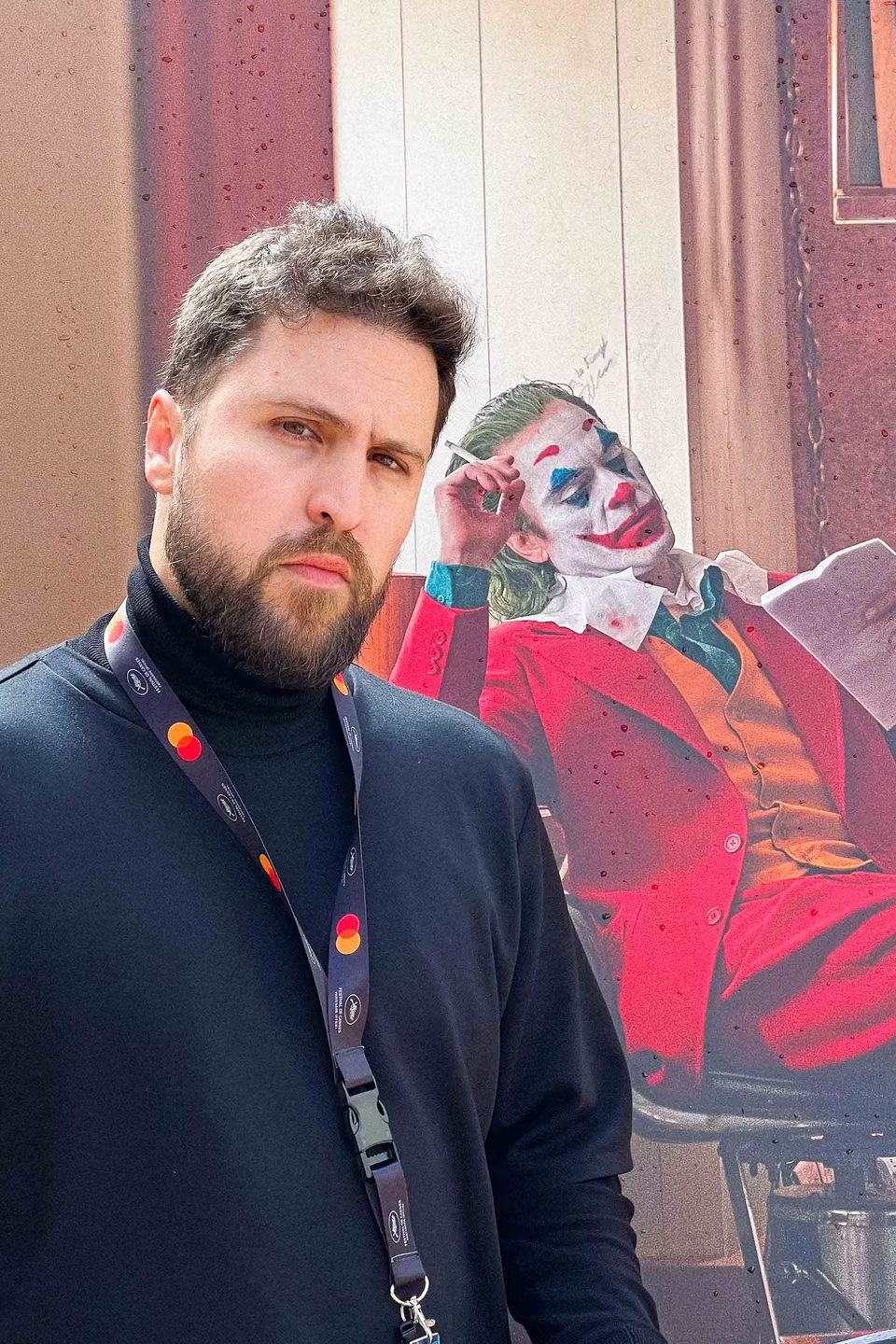
"I never asked for permission to make a film. I just made it."
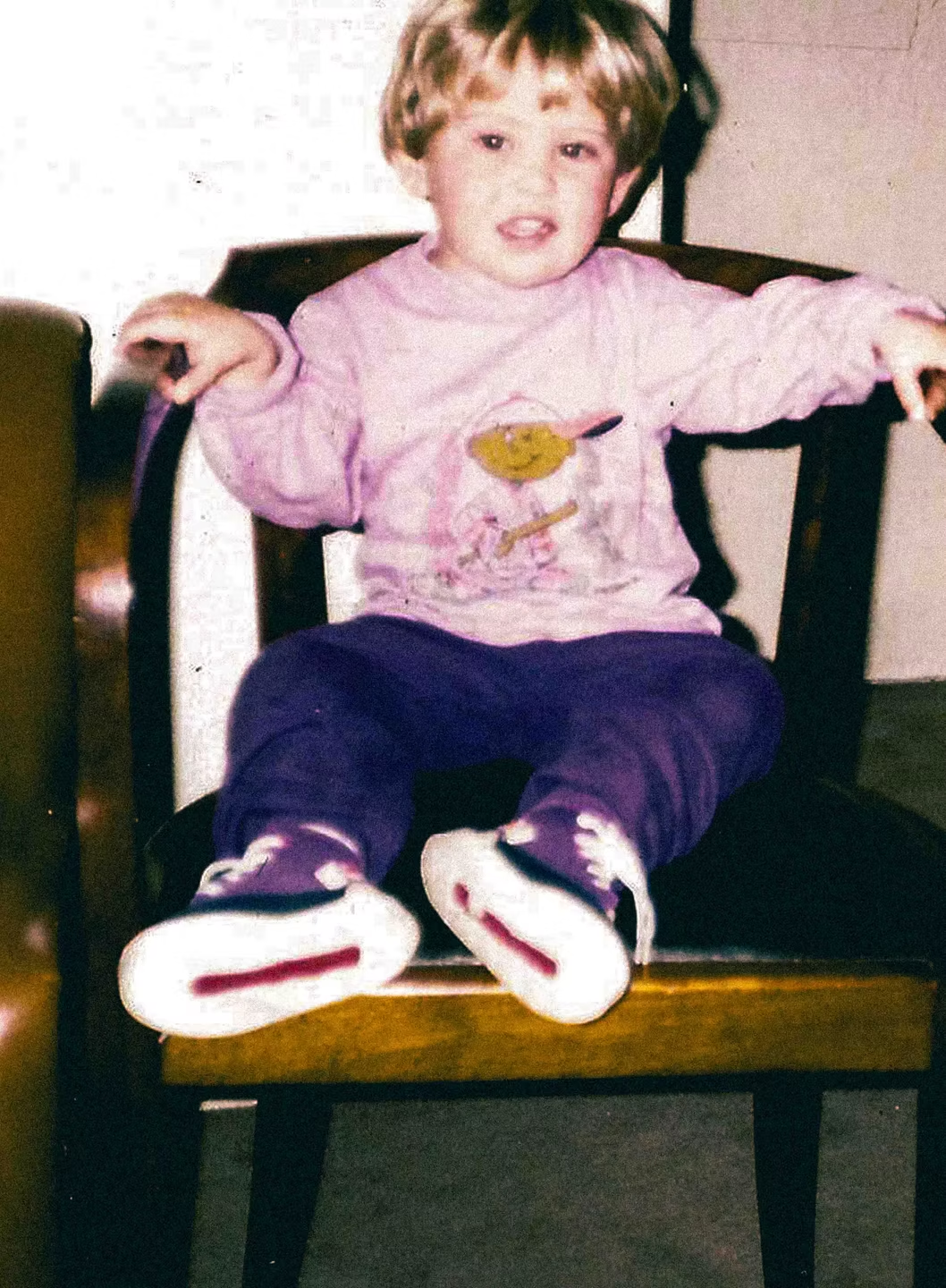
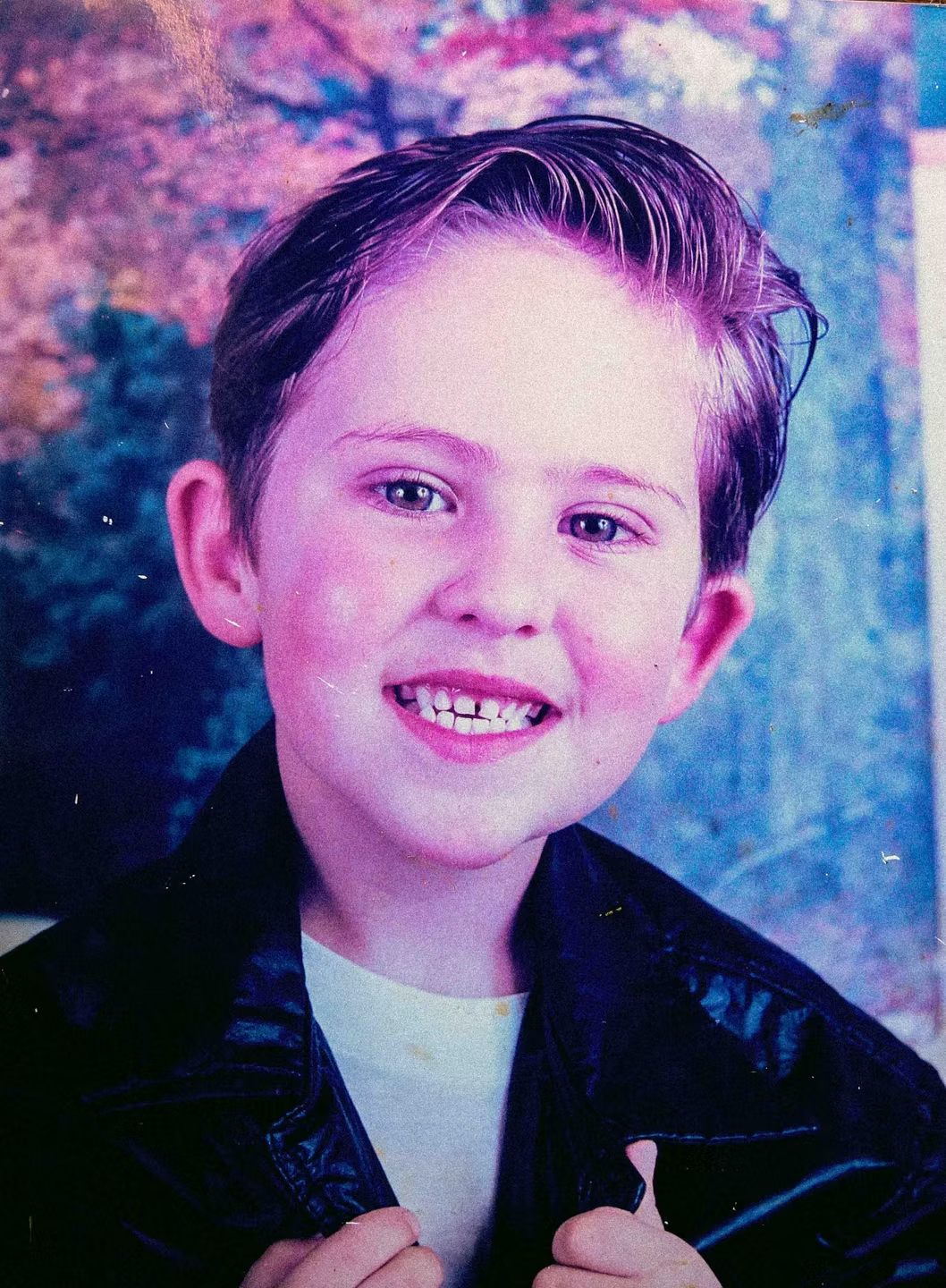
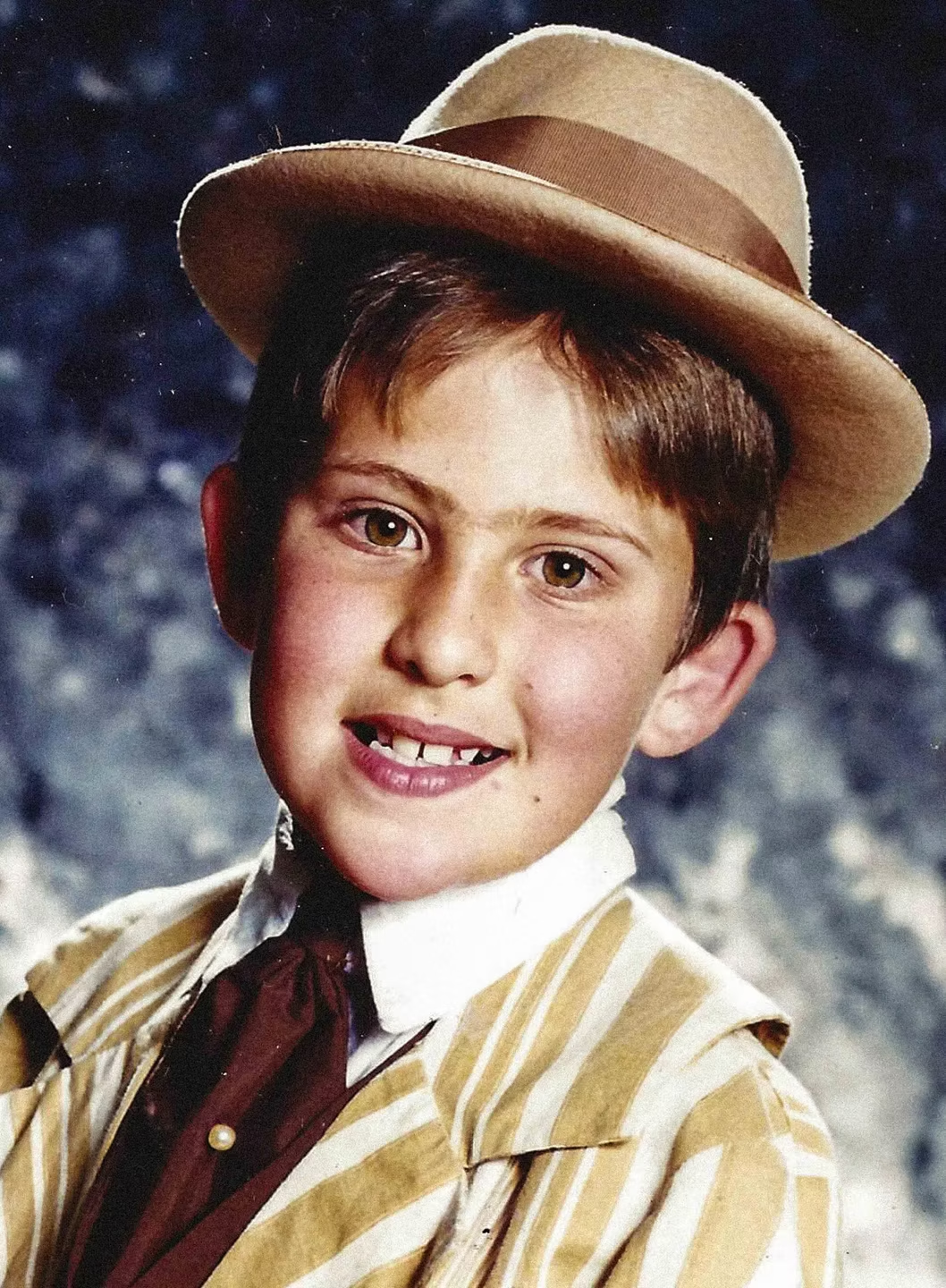
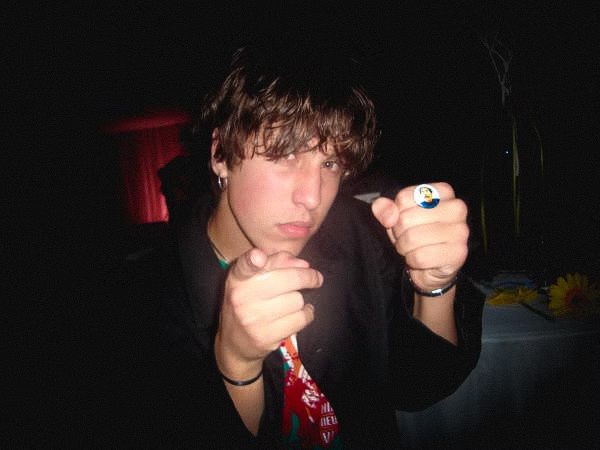
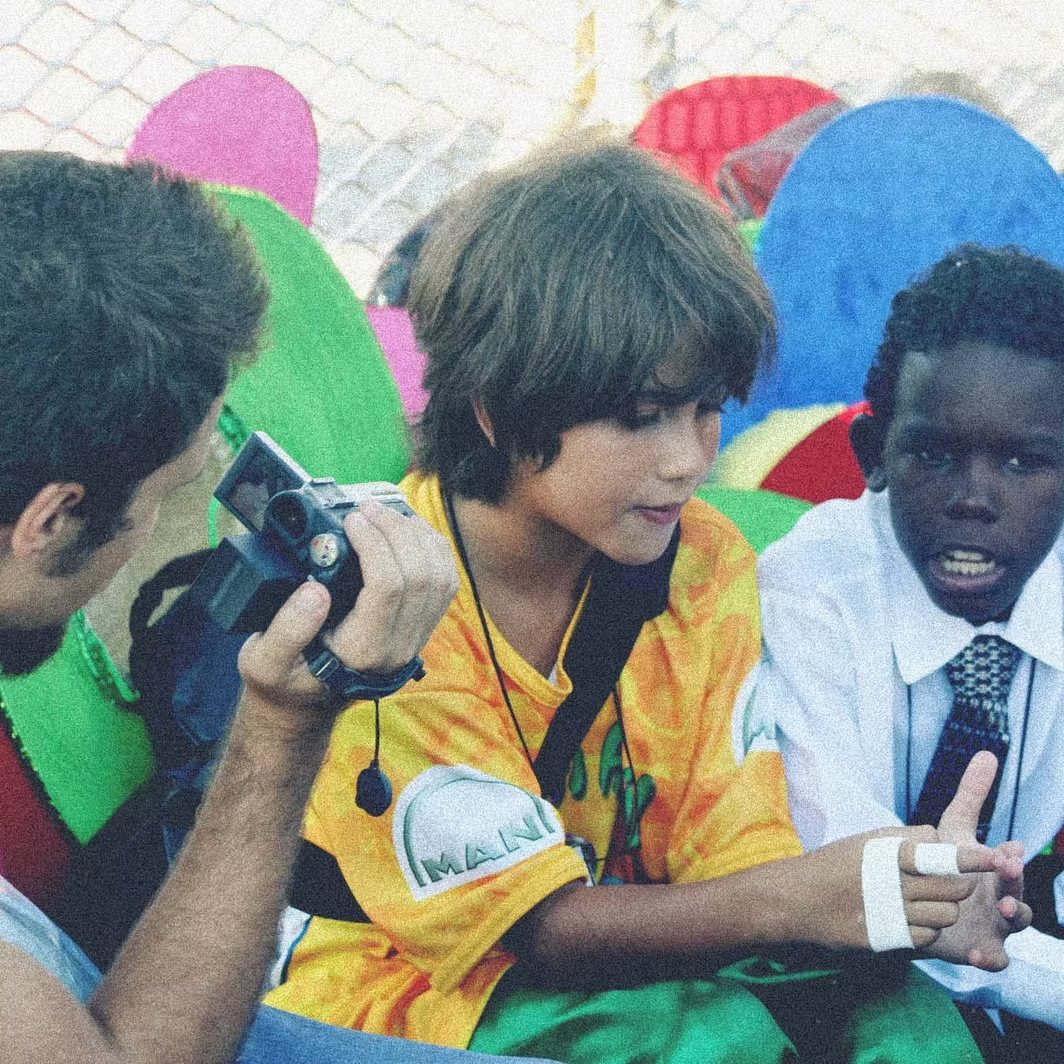
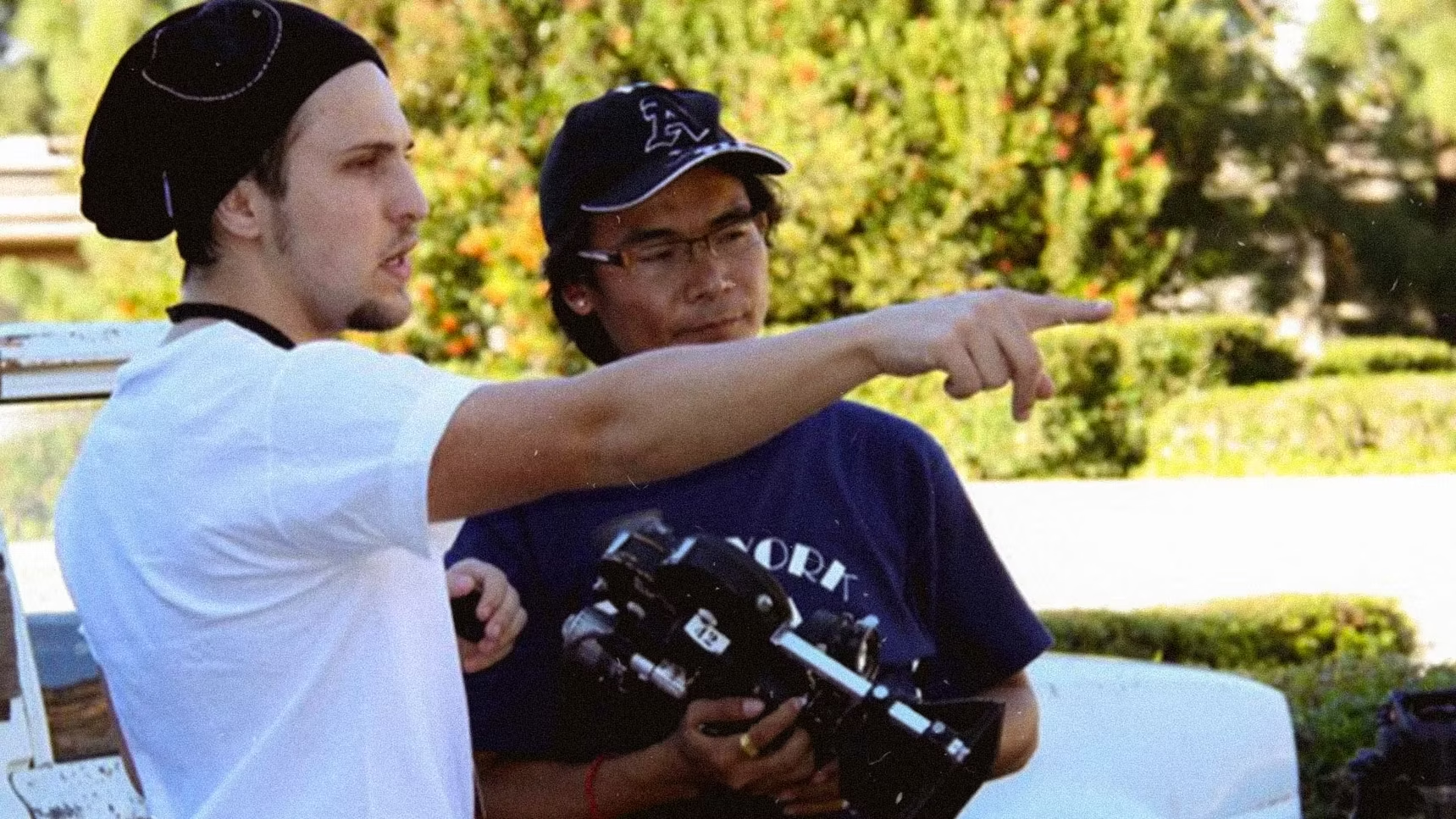
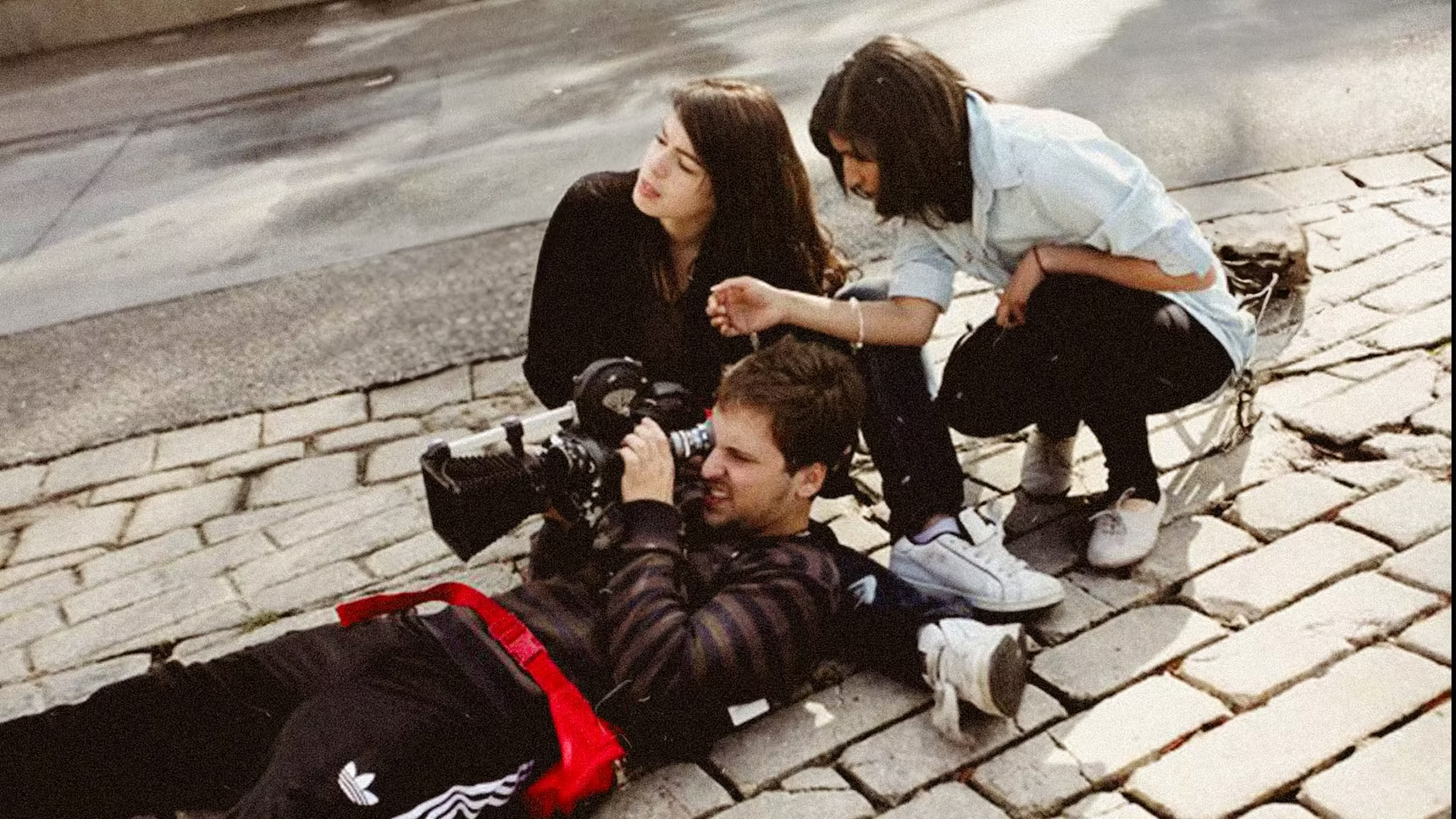
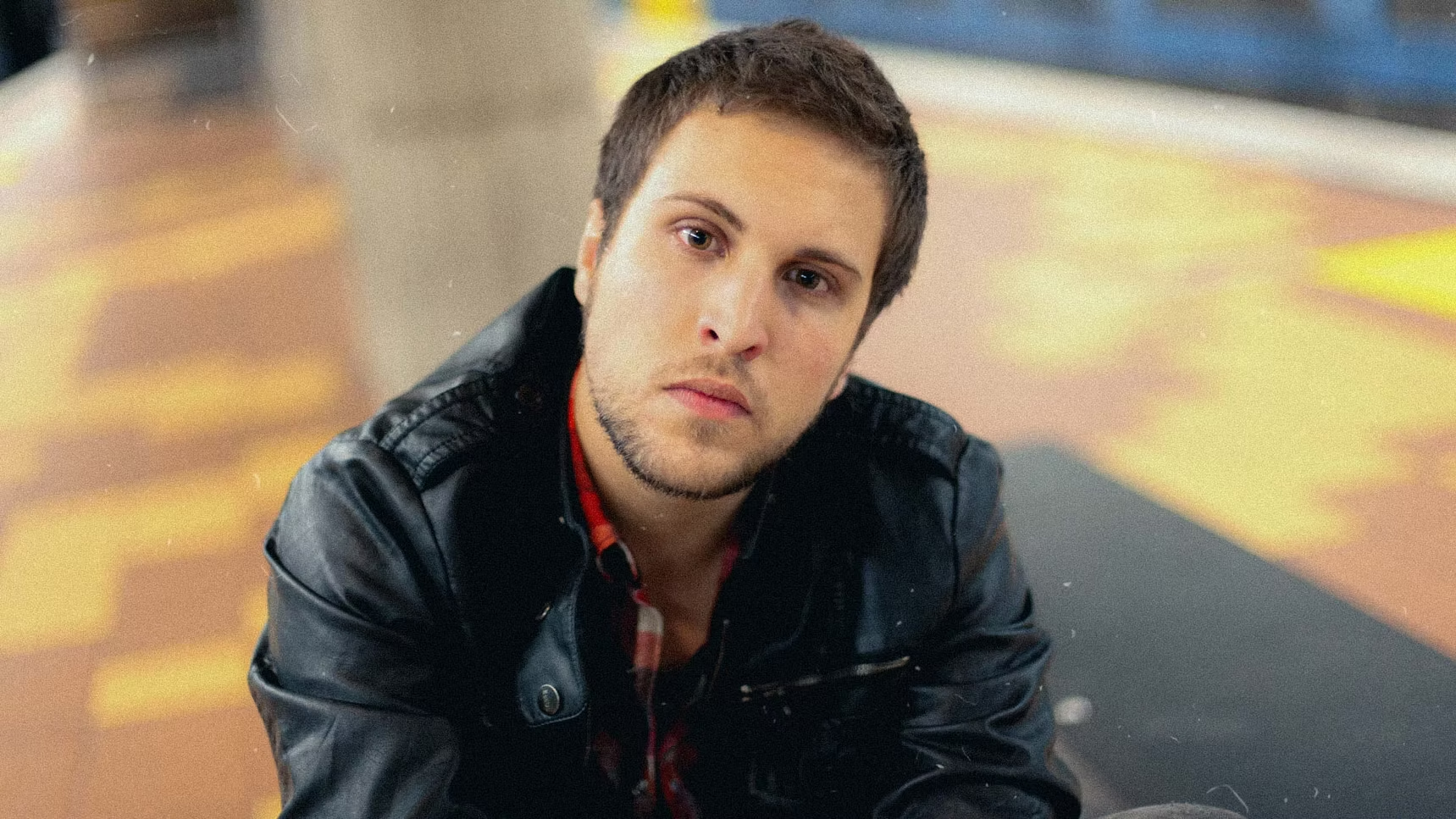
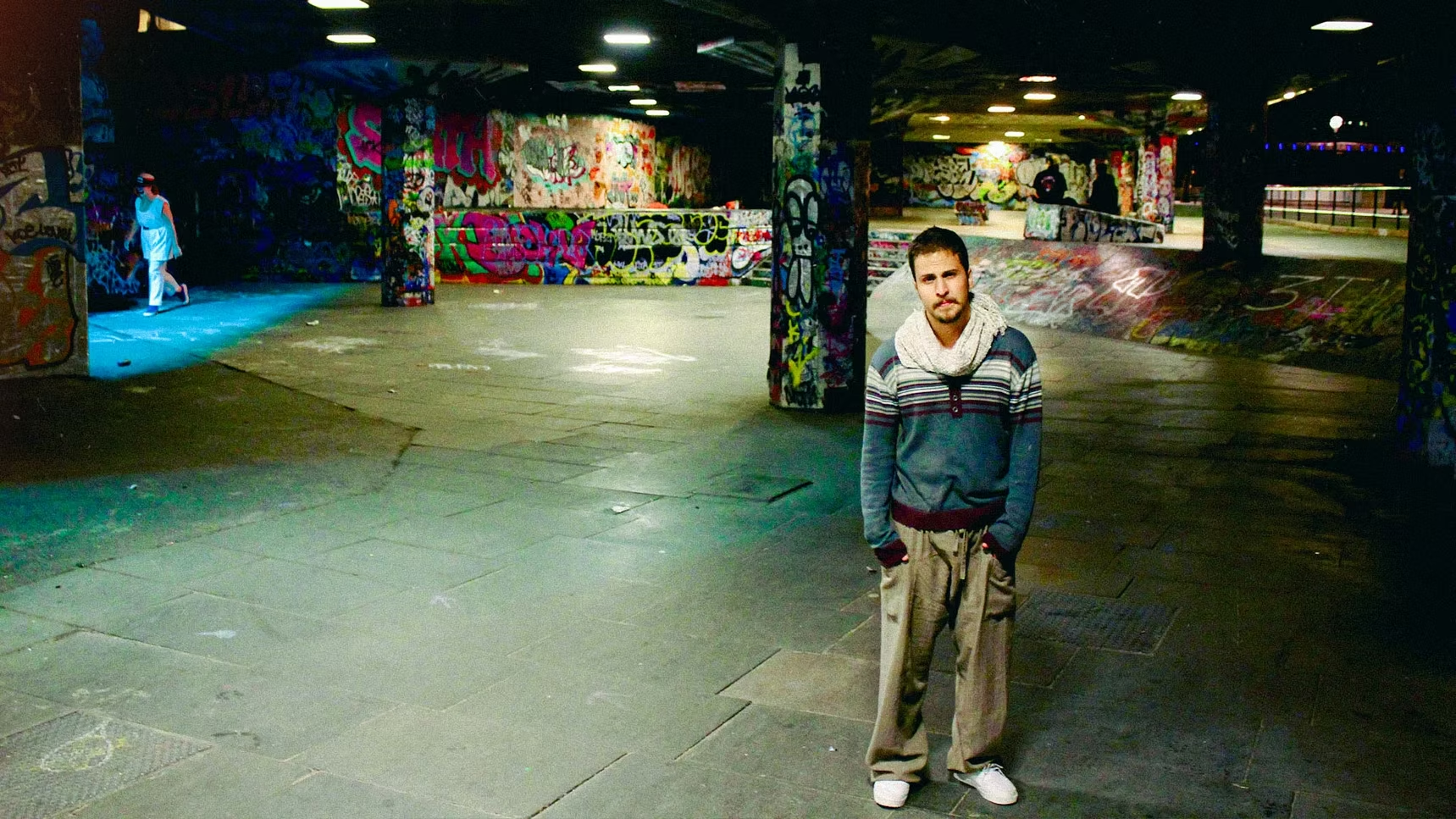
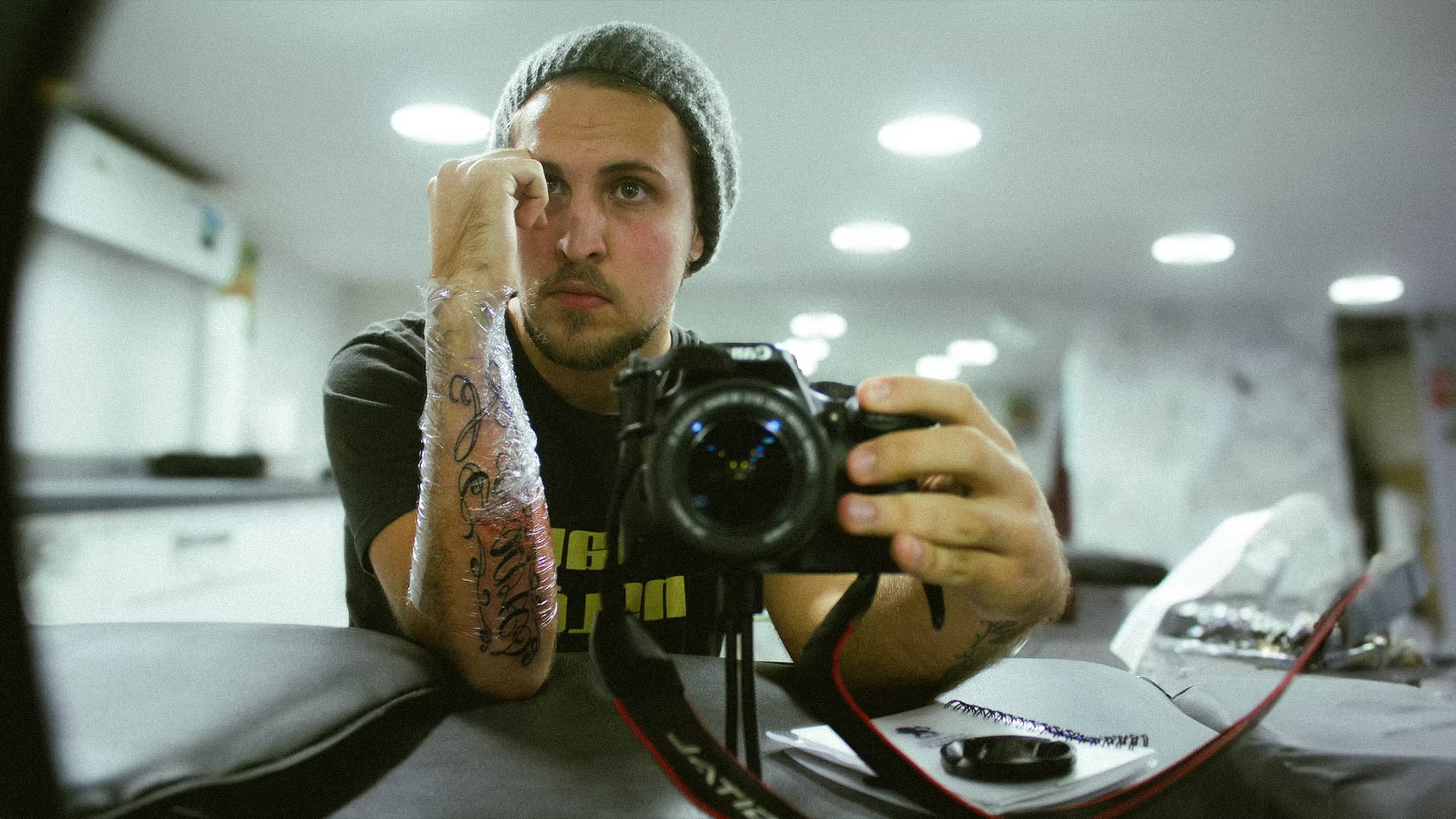
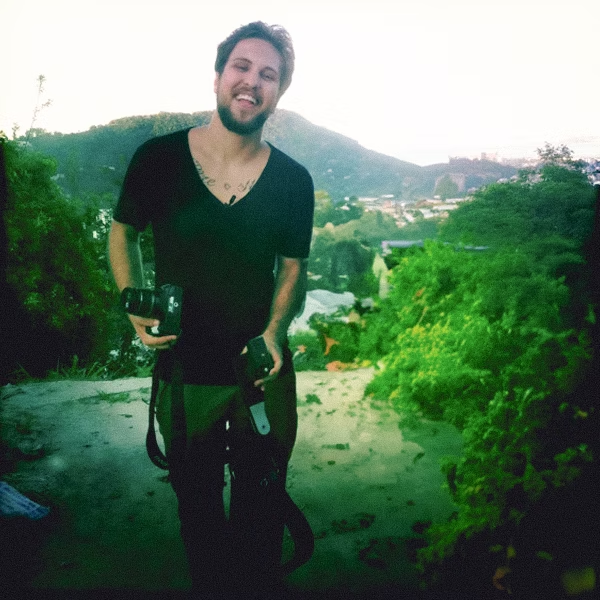
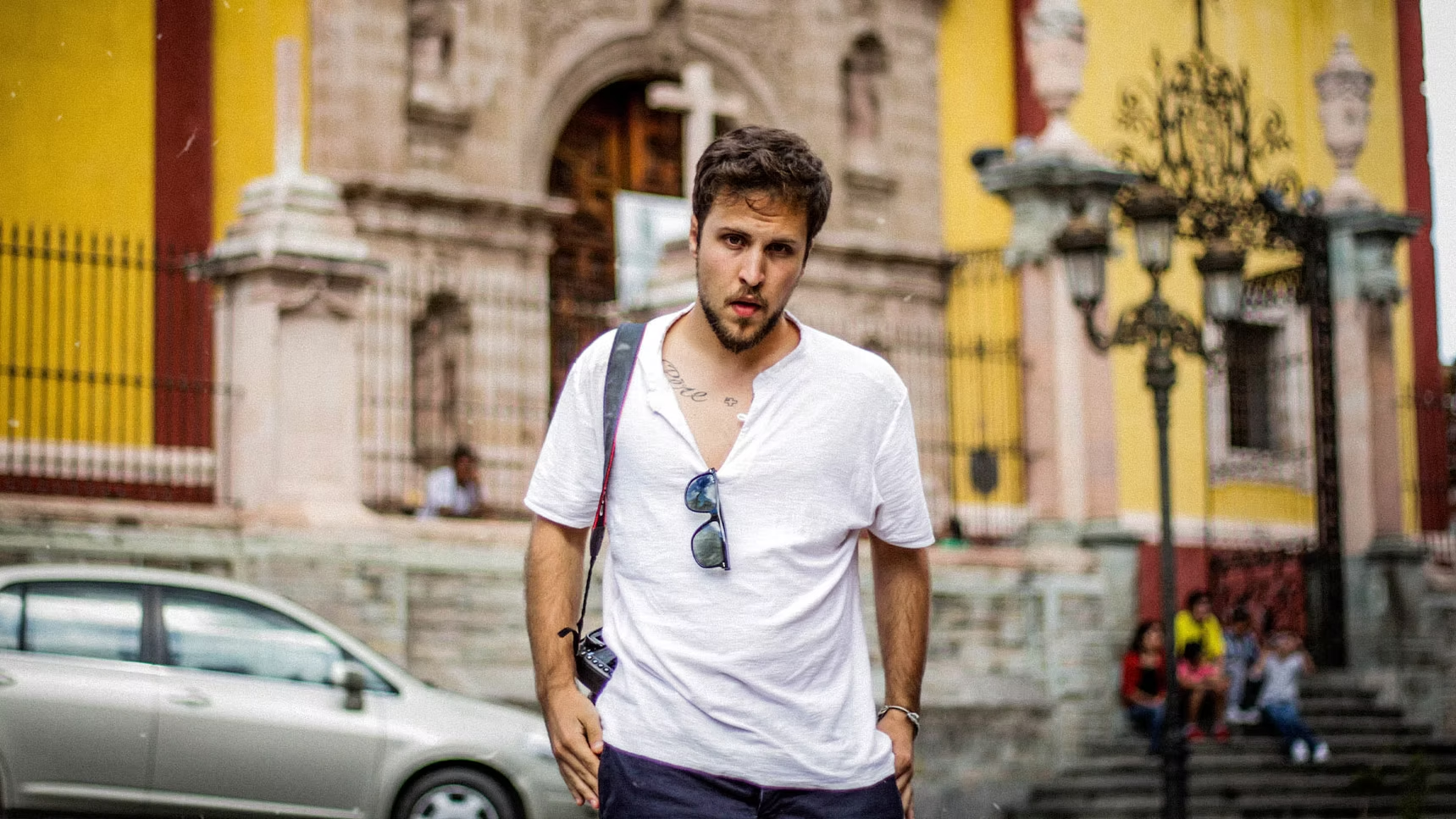
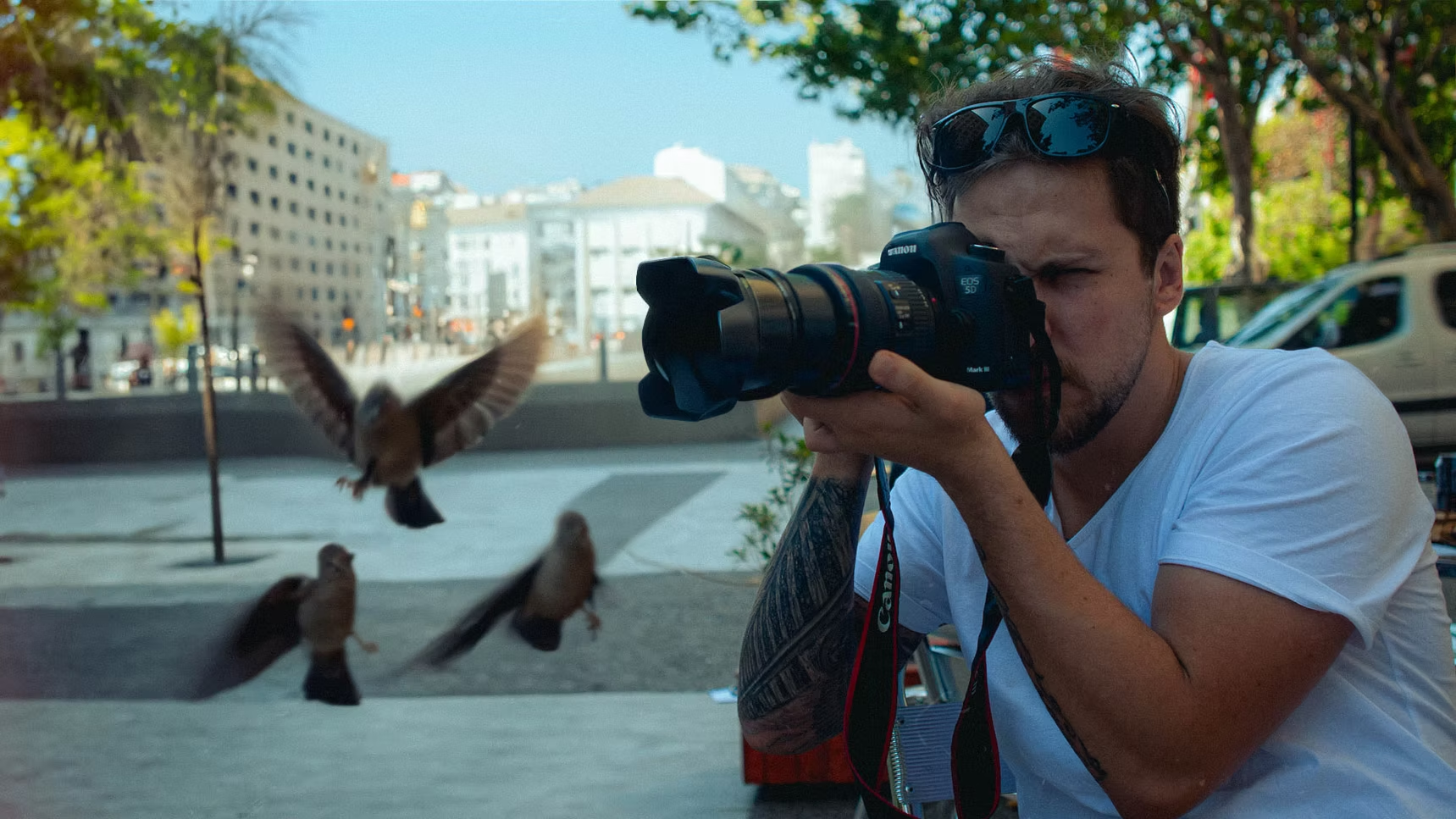
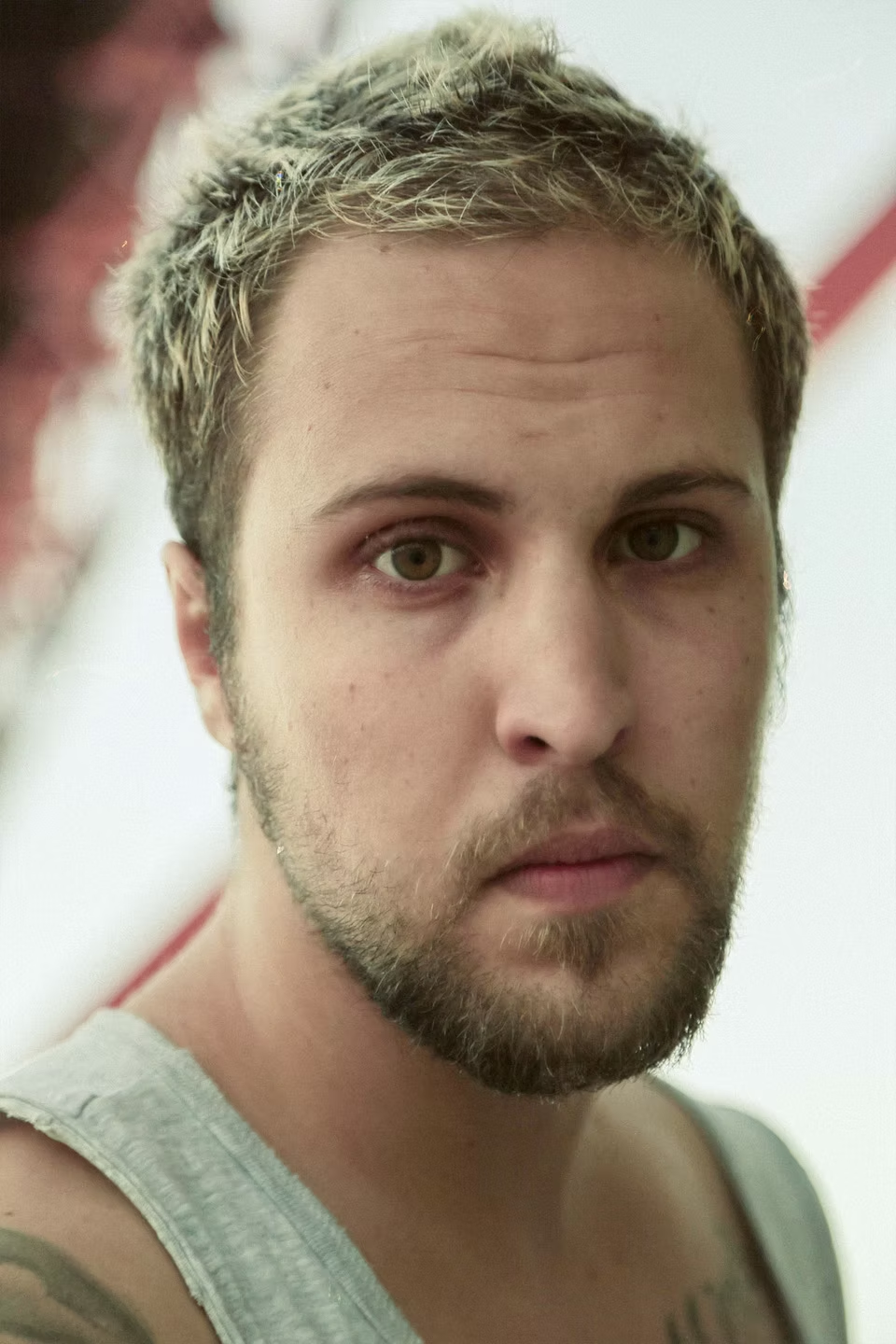
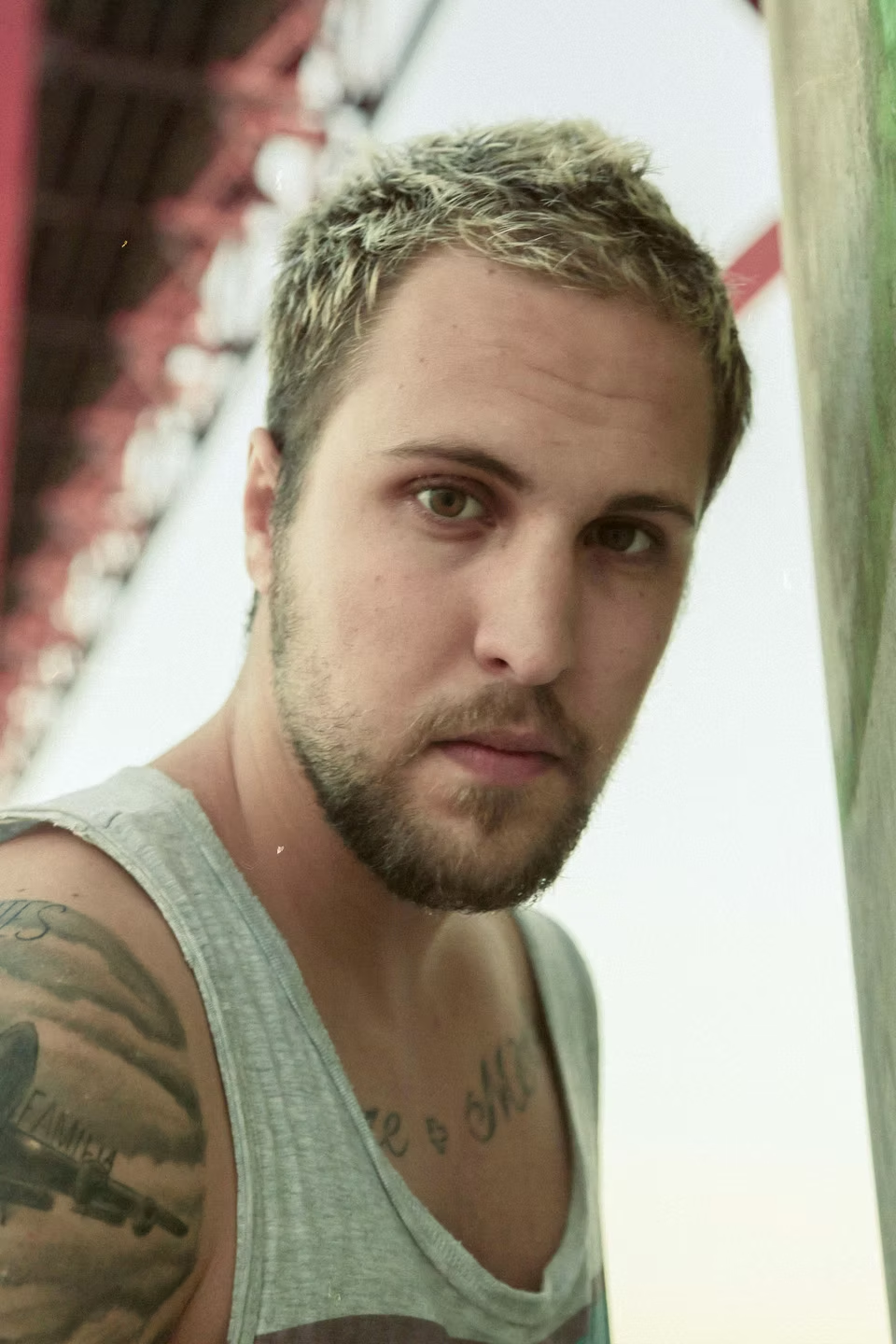
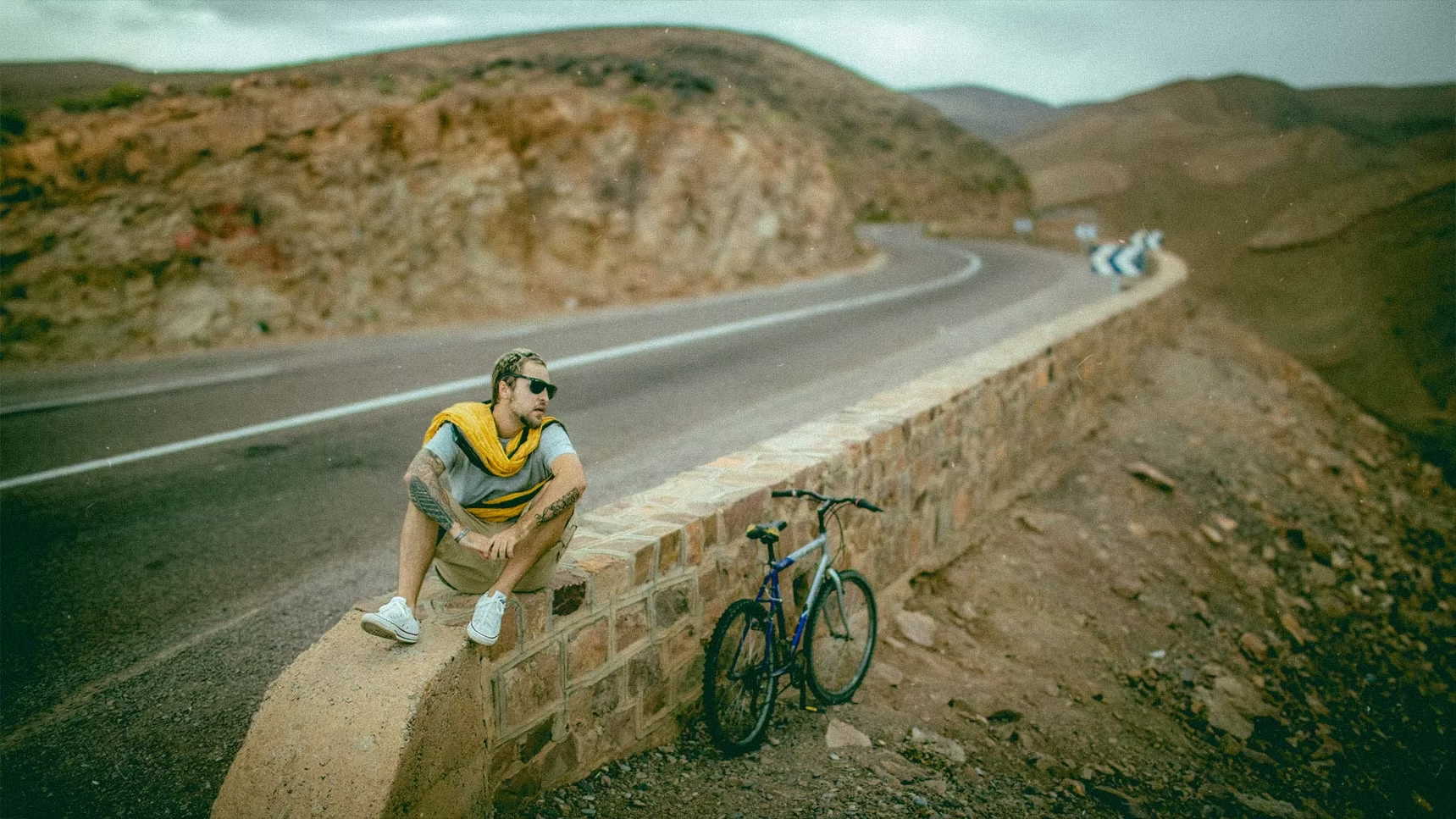
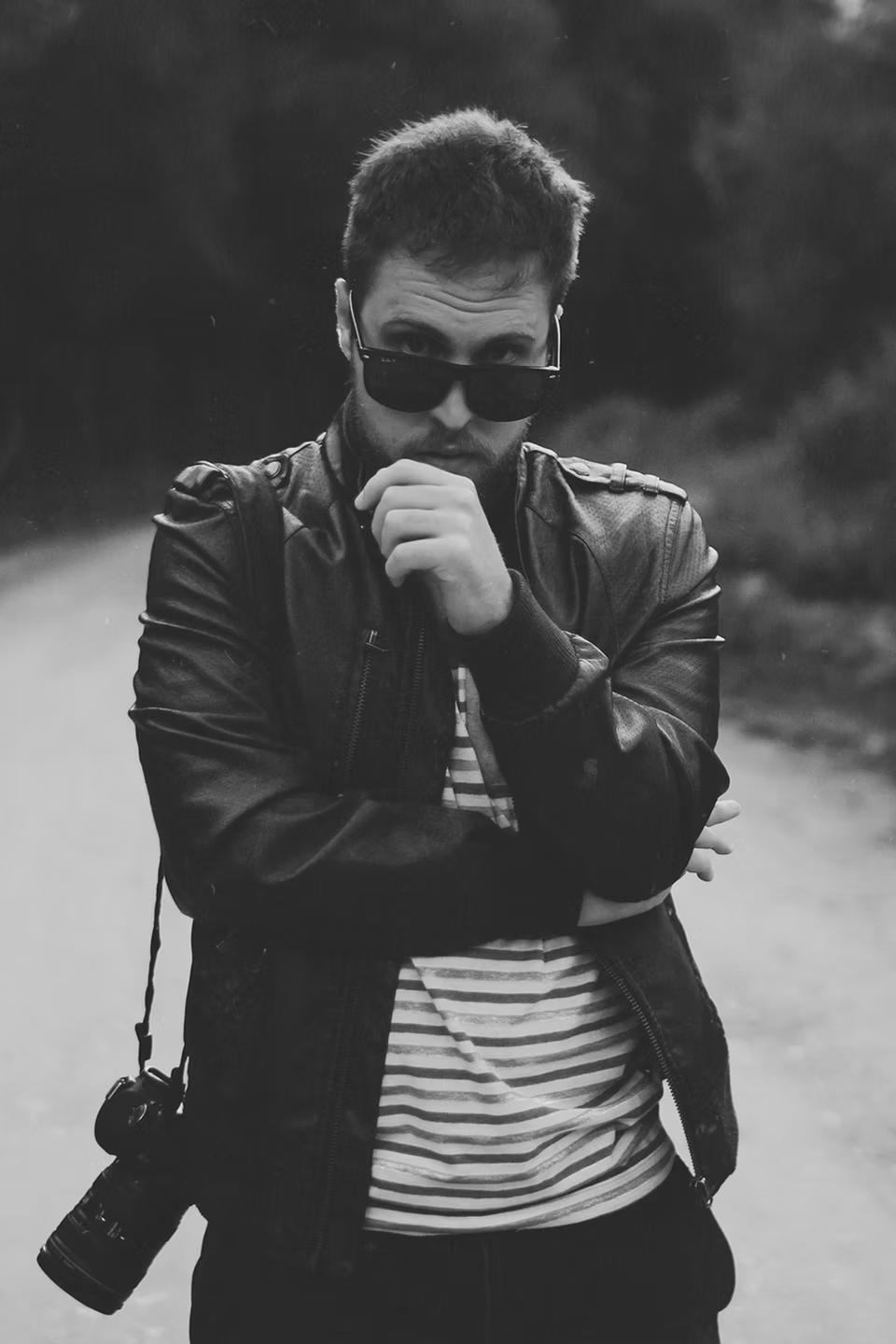
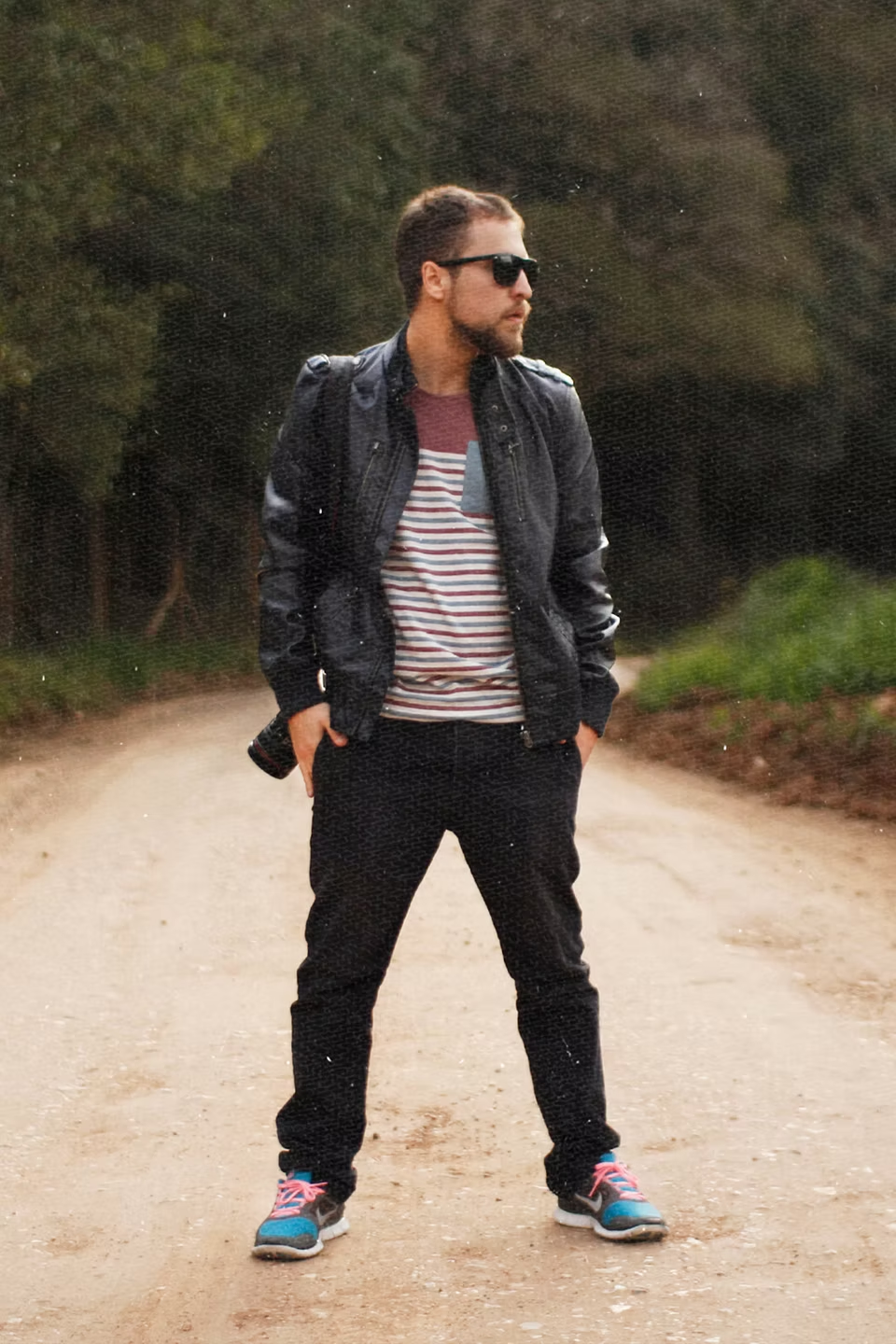
Lucas Estevan Soares was born in 1990 in Boqueirão, one of the largest and most working-class neighborhoods in Curitiba, Brazil. At 16 he discovered theater and spent the next two years crossing the city to rehearse. At 18 he moved to Rio de Janeiro to try to make it as an actor. There, he discovered filmmaking. By 19, with a camera his father gave him as a gift, he had already directed his first films. Am I an actor or a filmmaker? He lived for years with that question, without a ready answer.
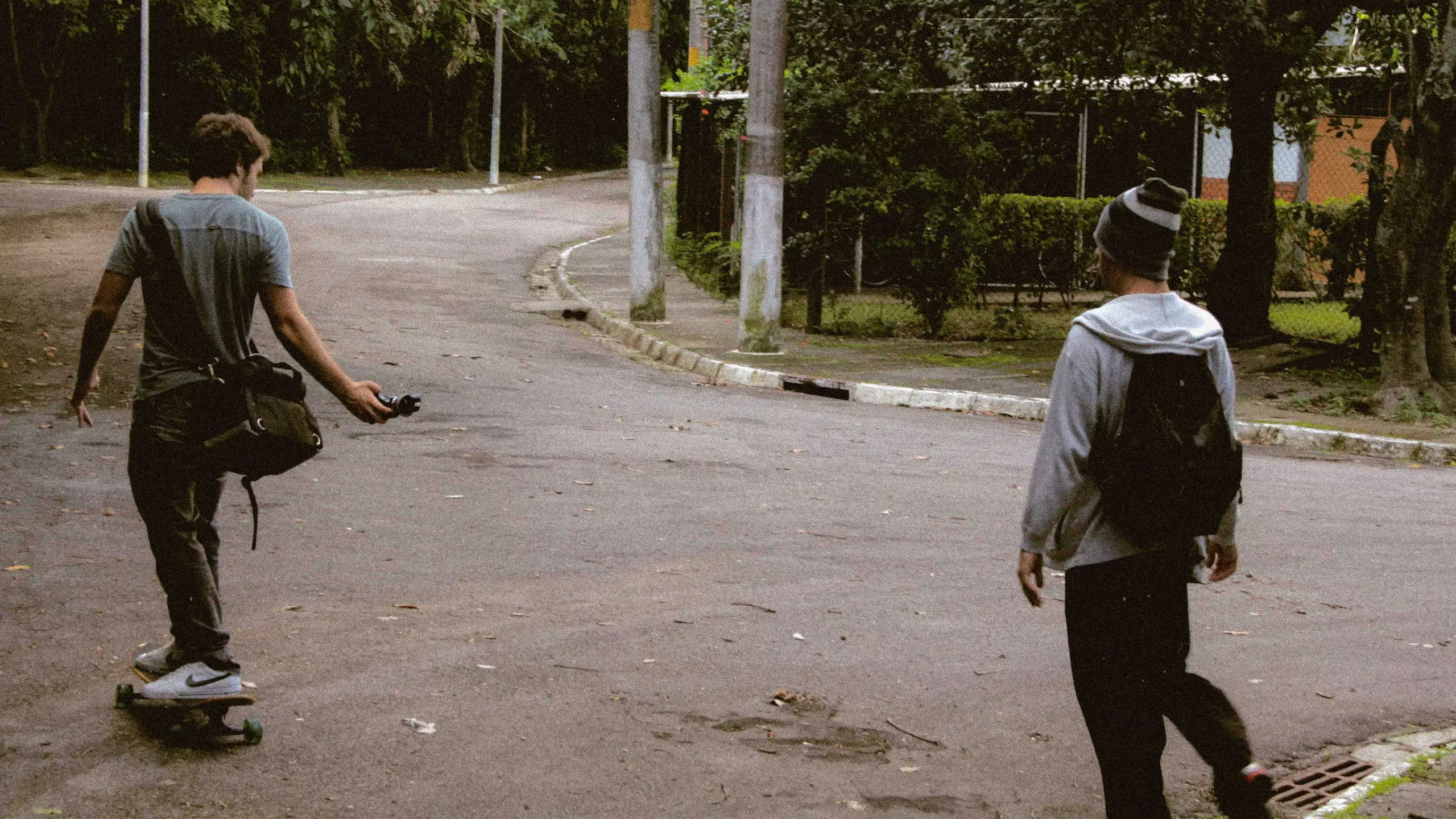
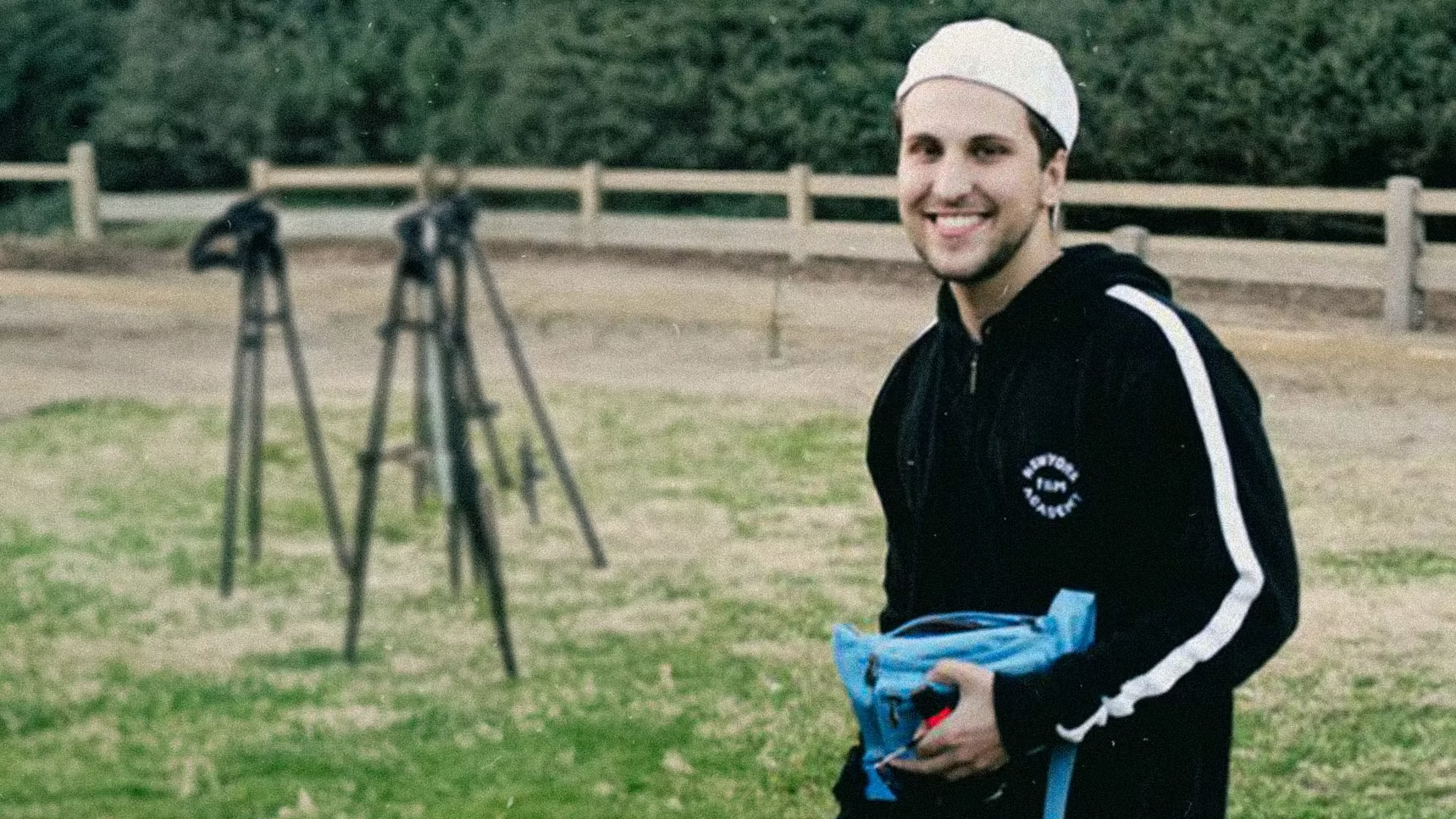
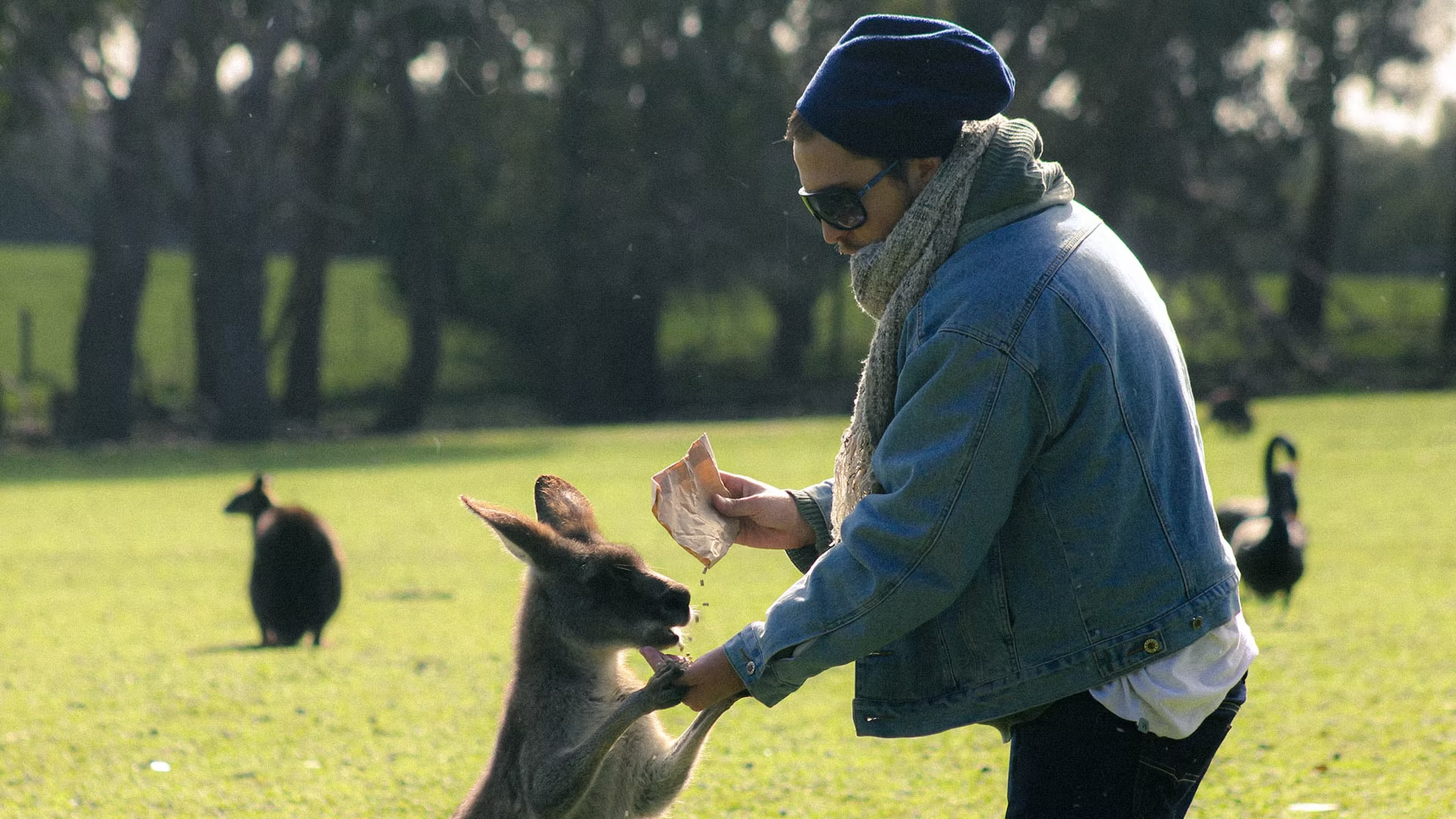
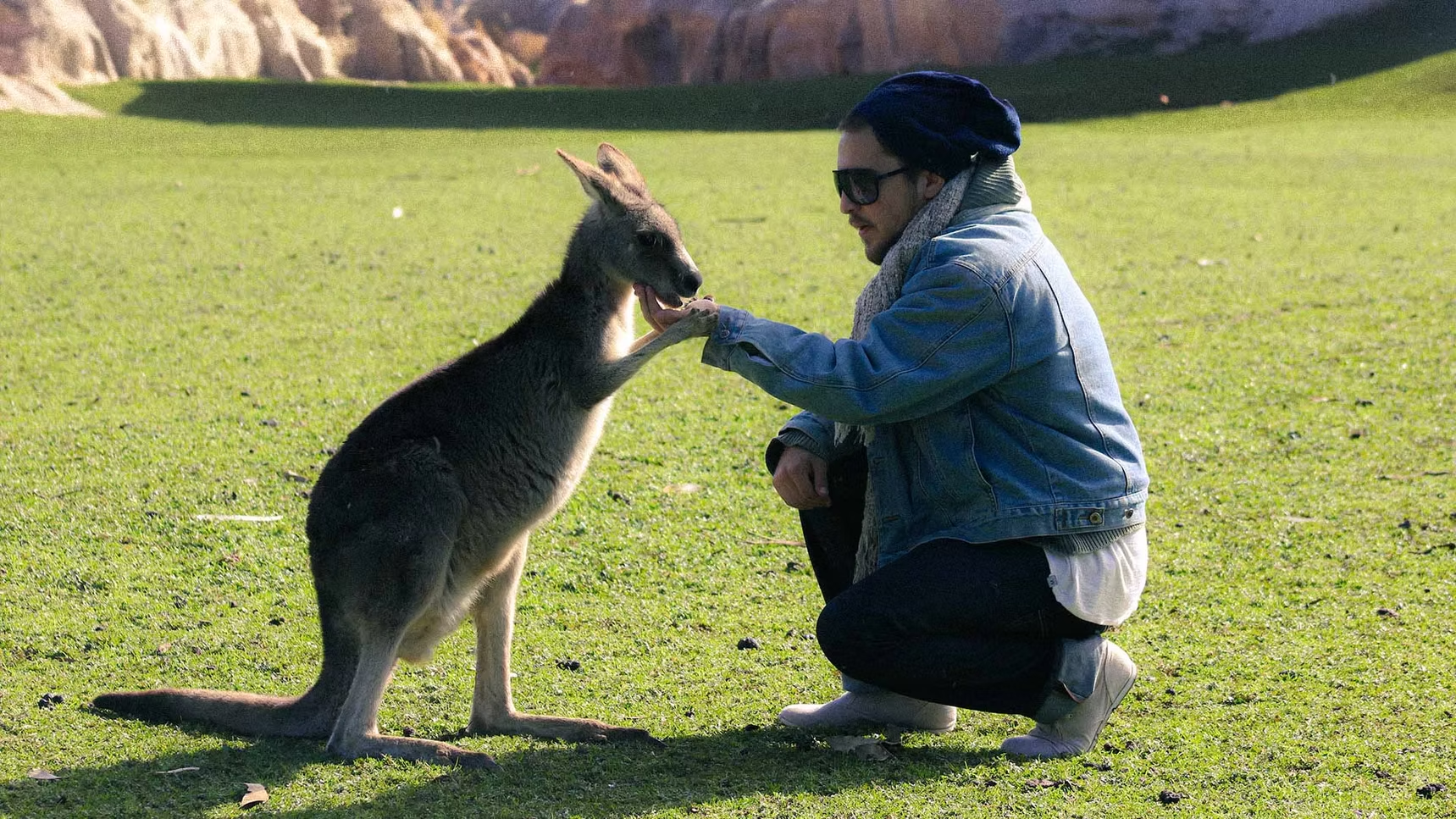
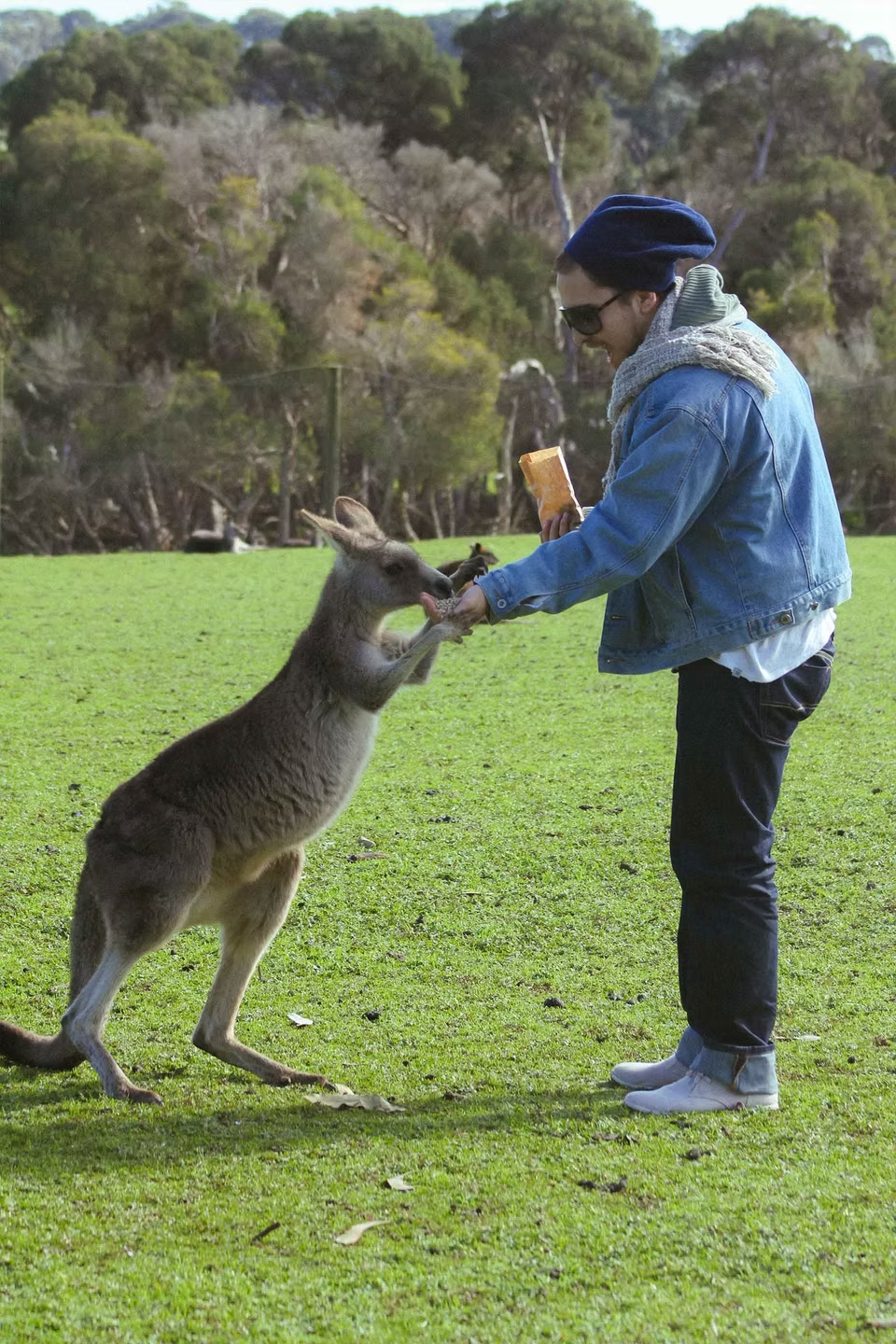
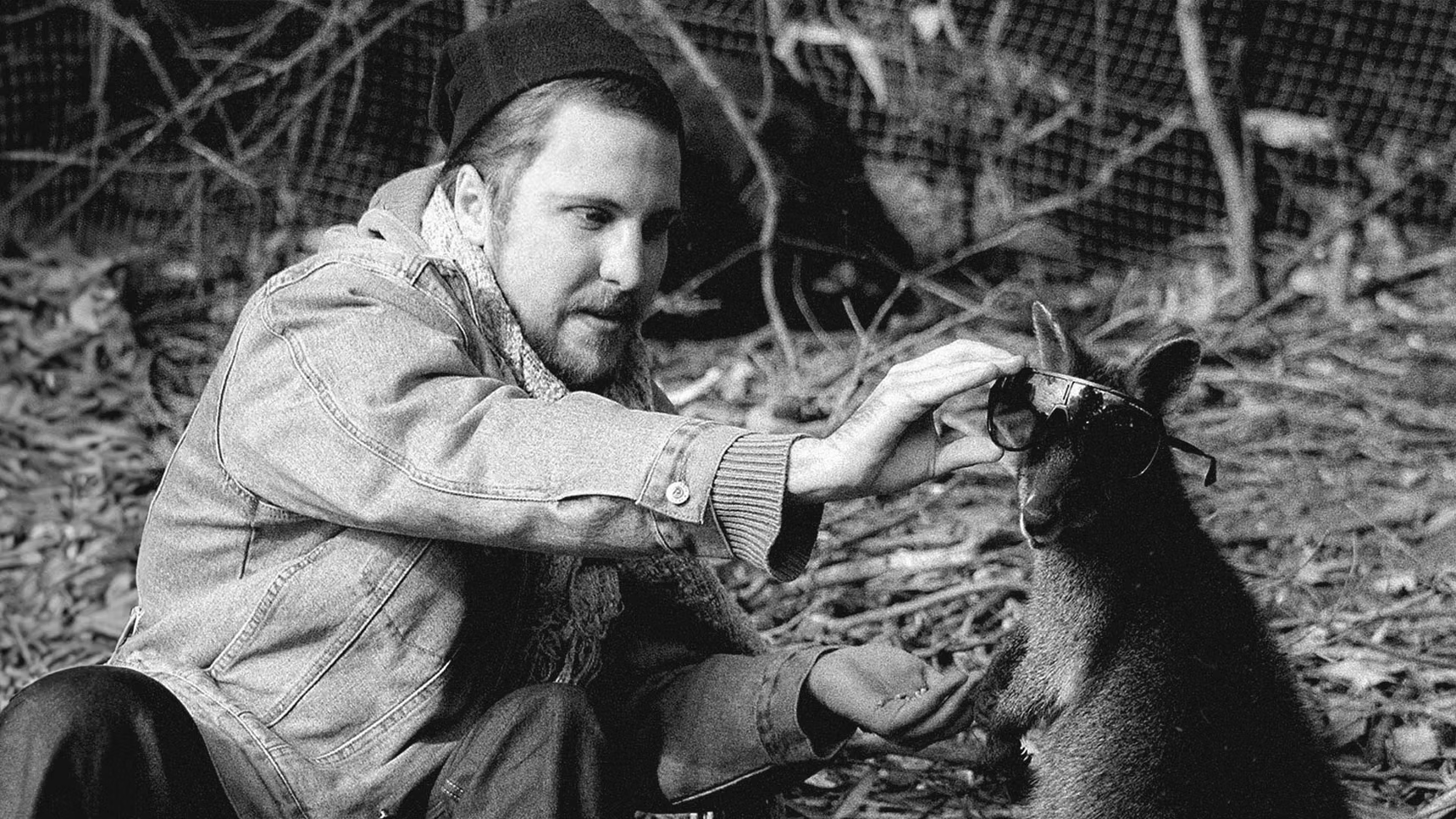
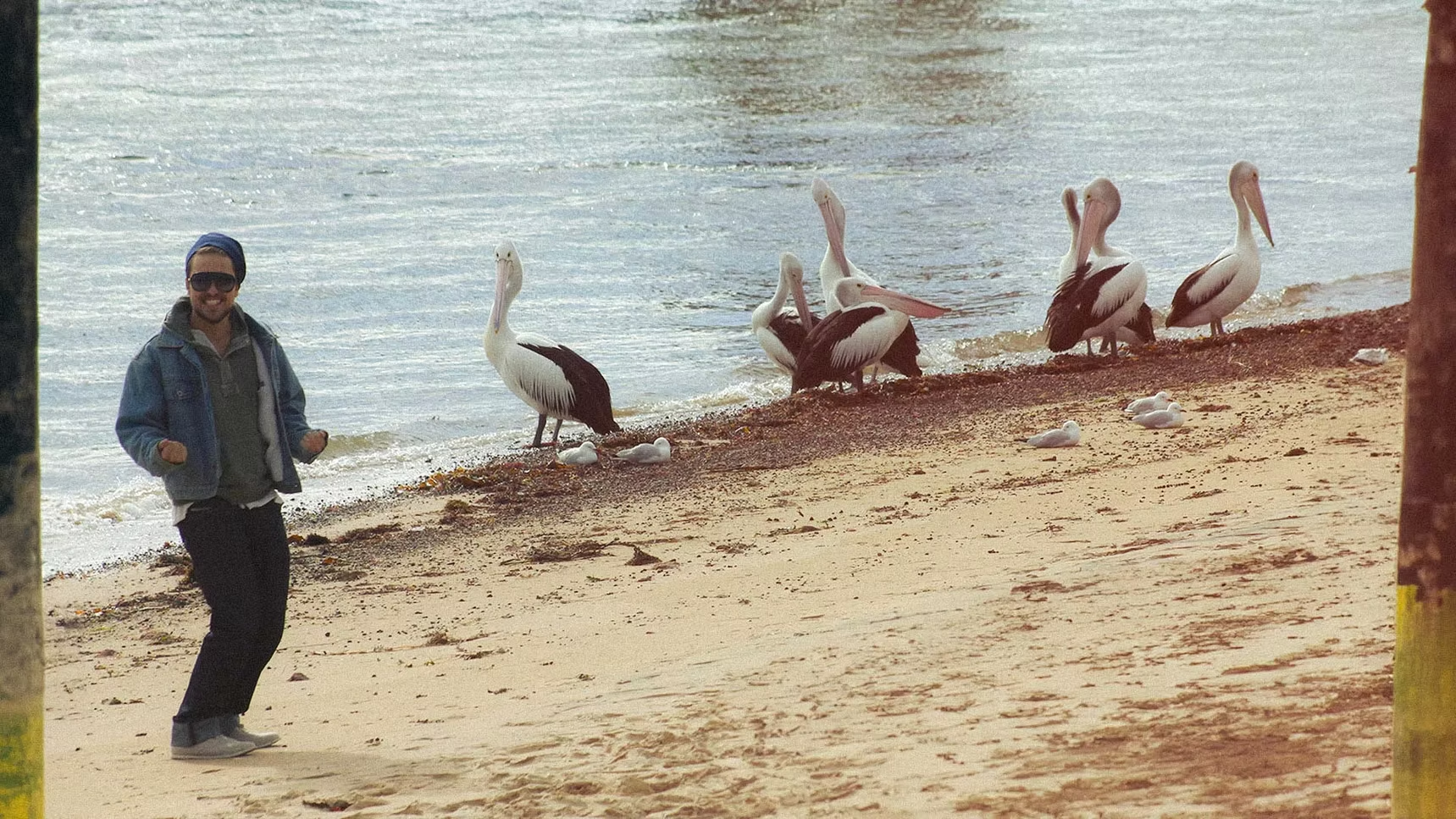
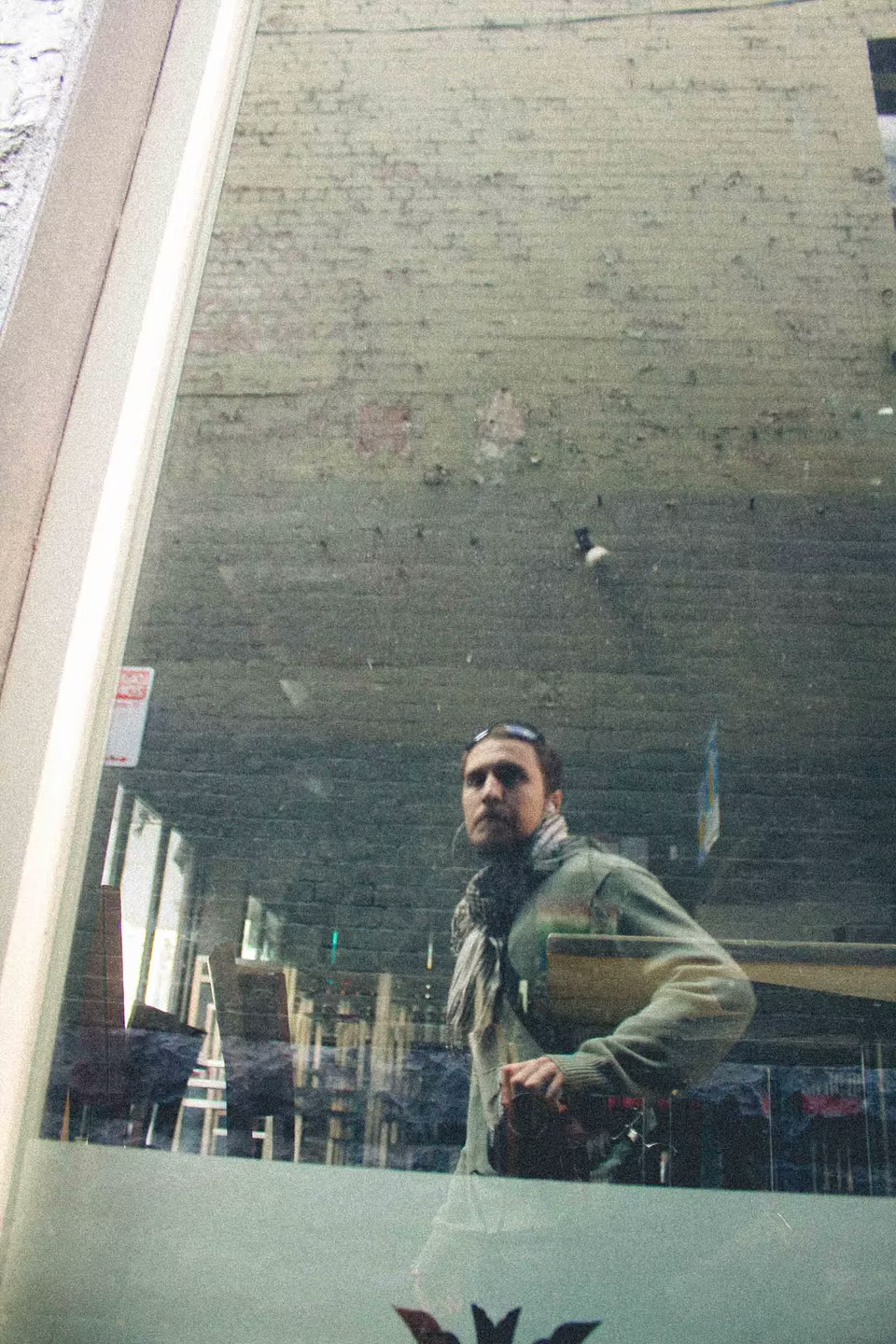
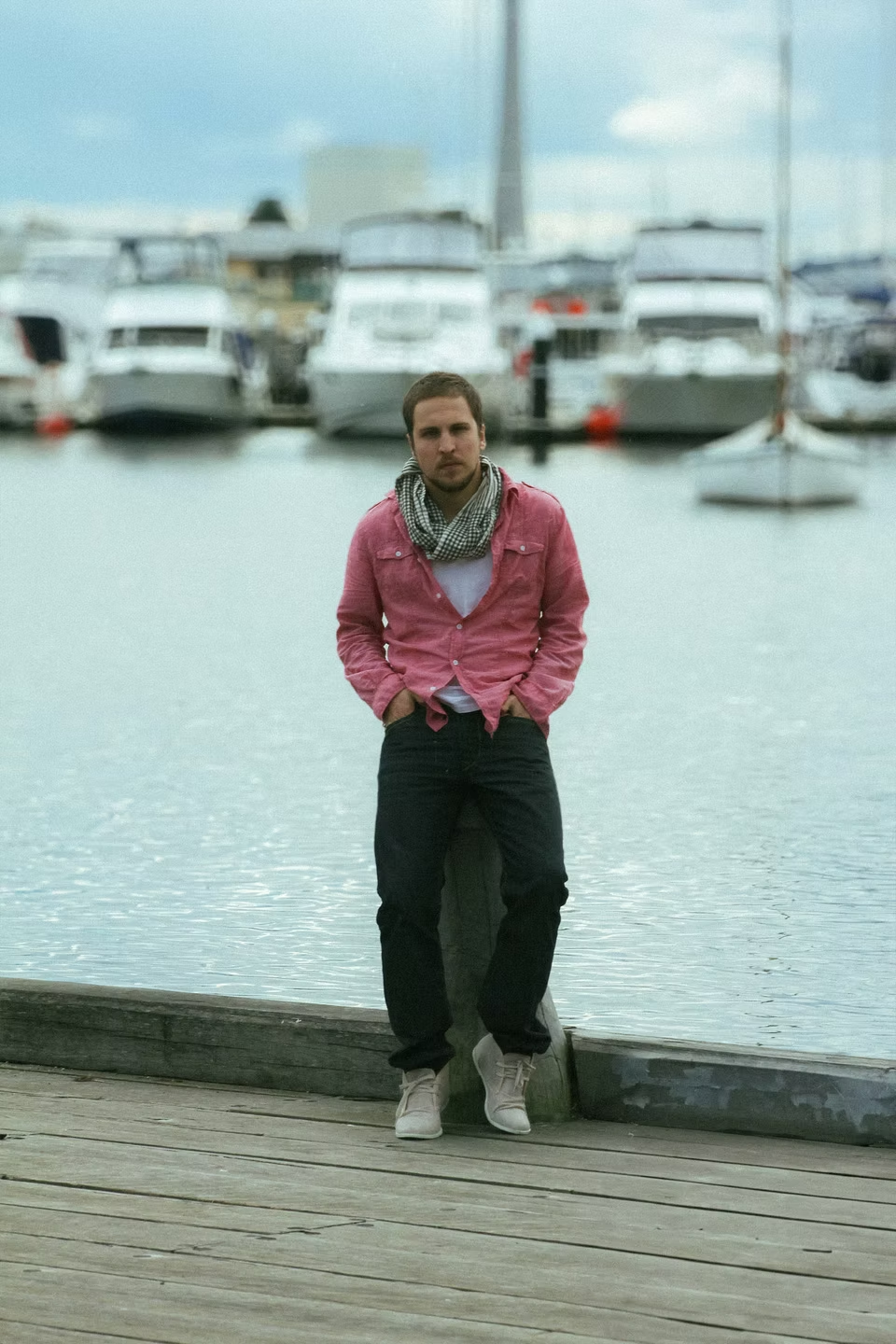
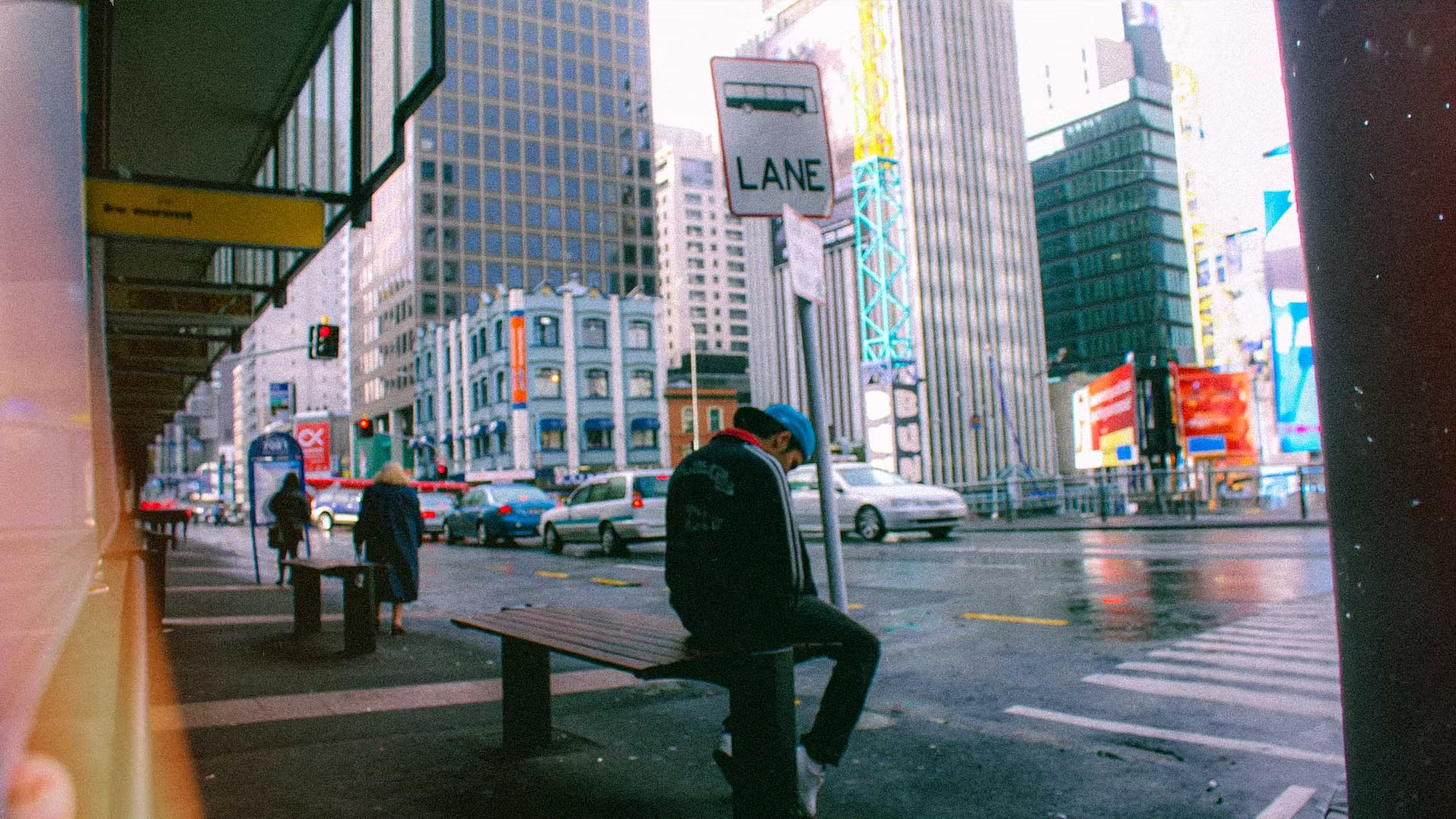
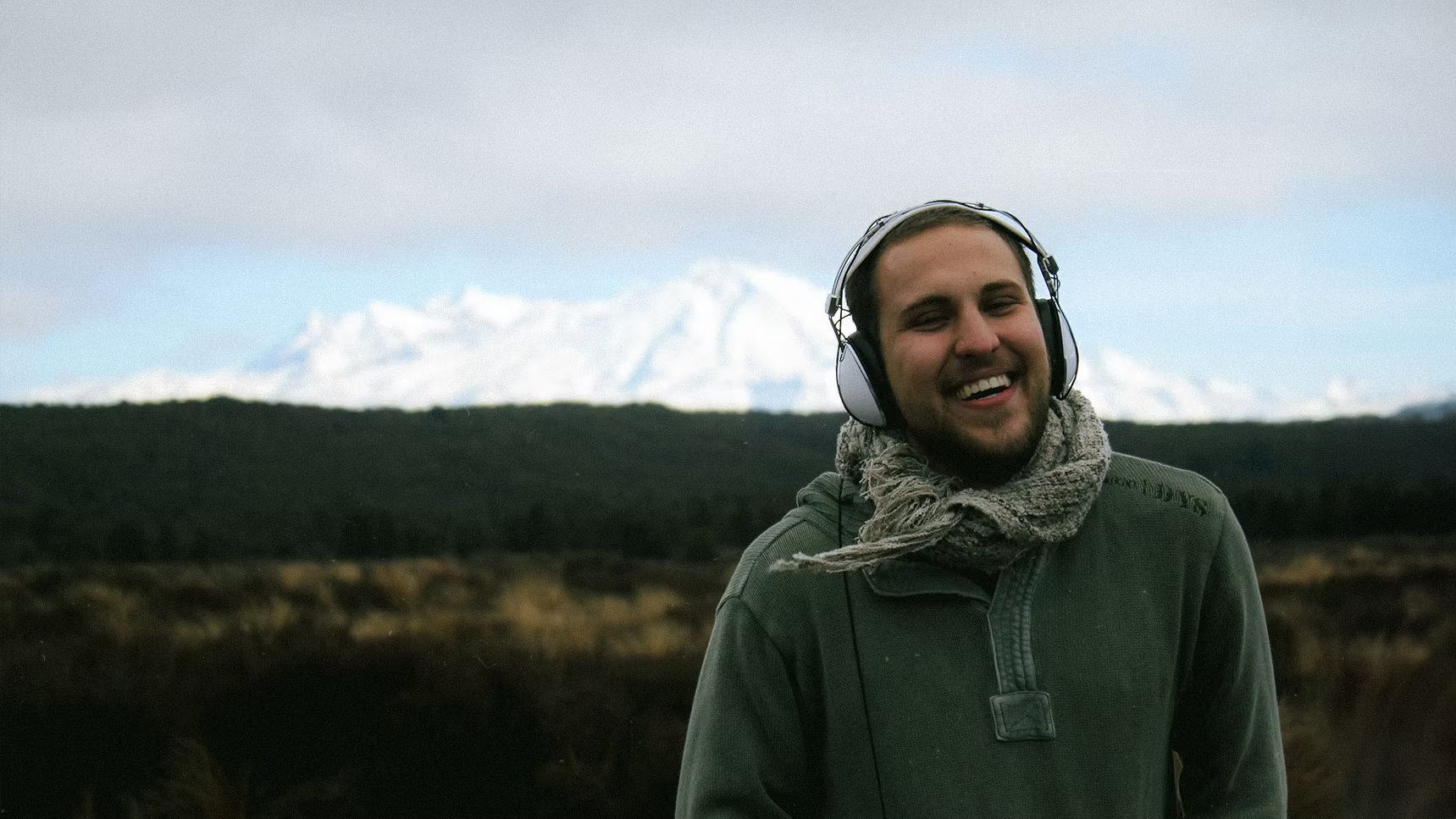
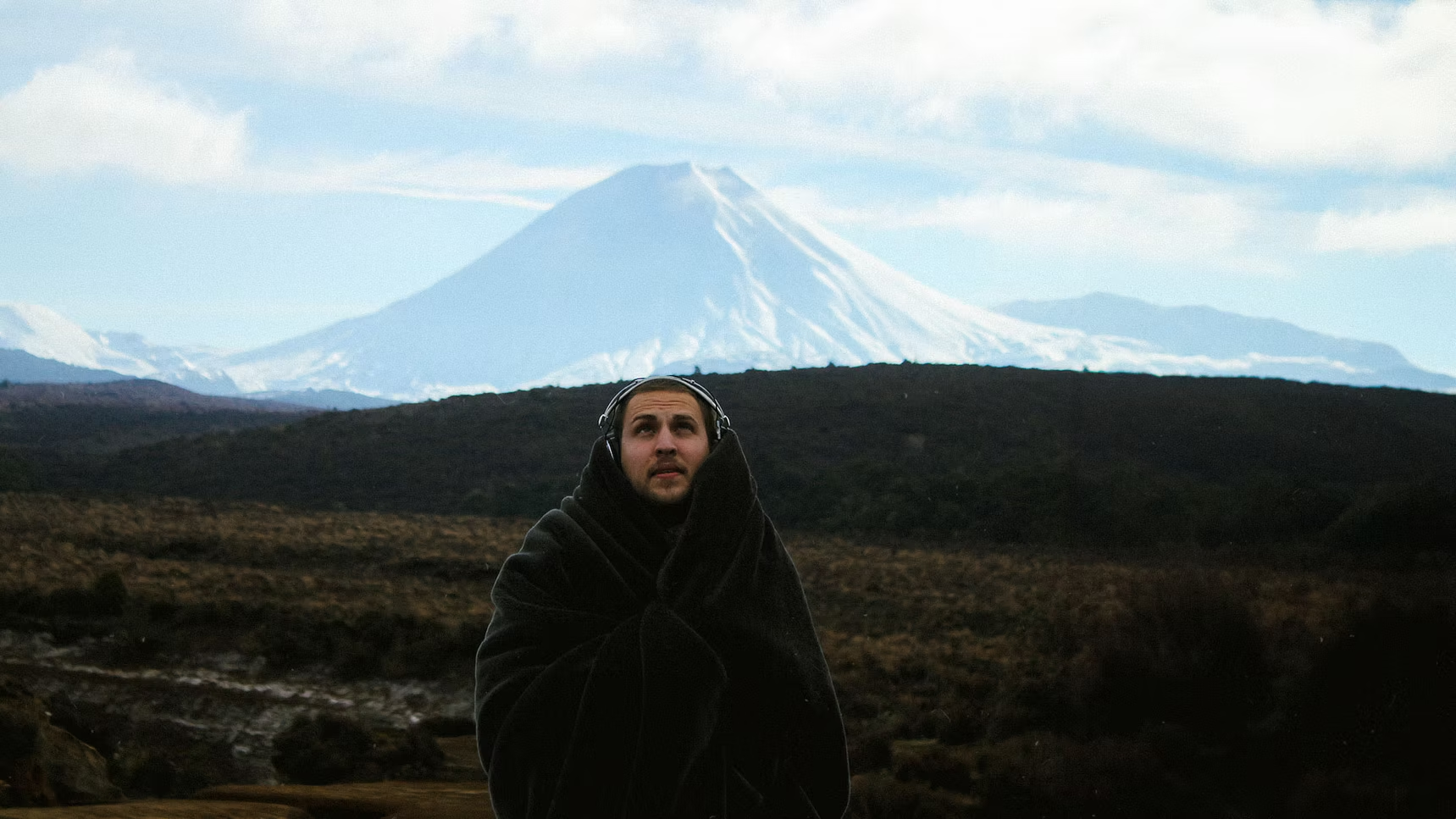
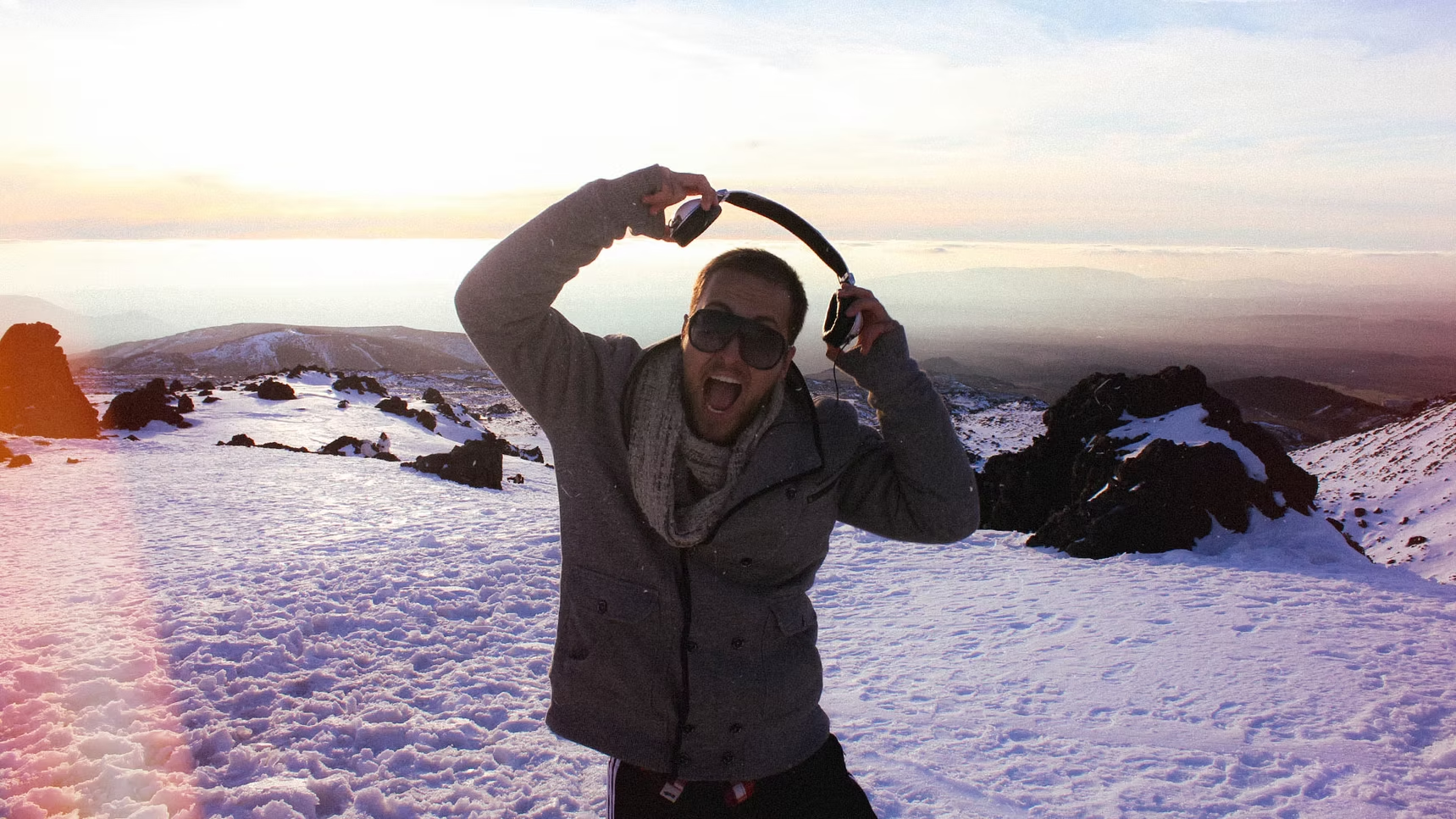
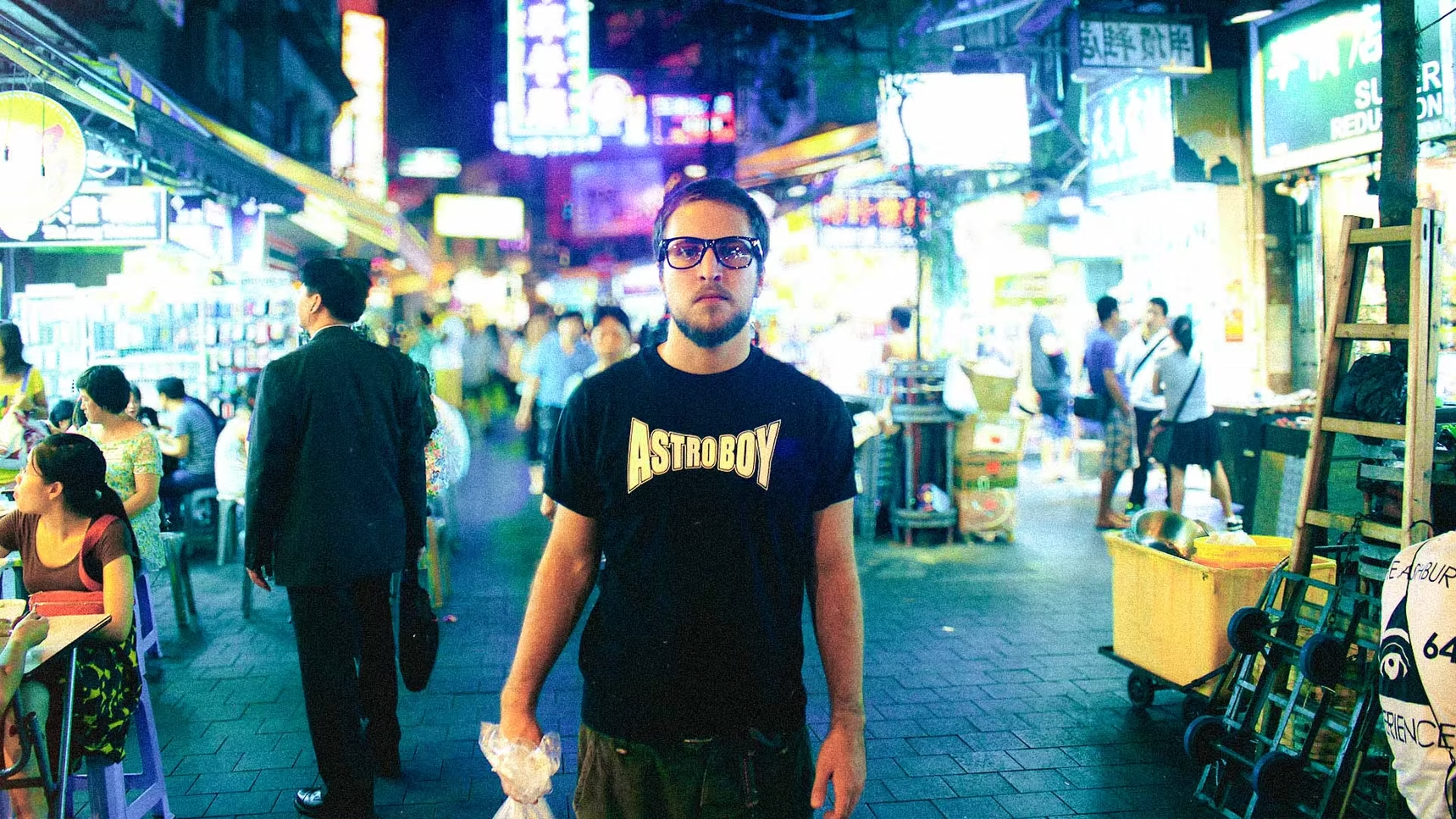
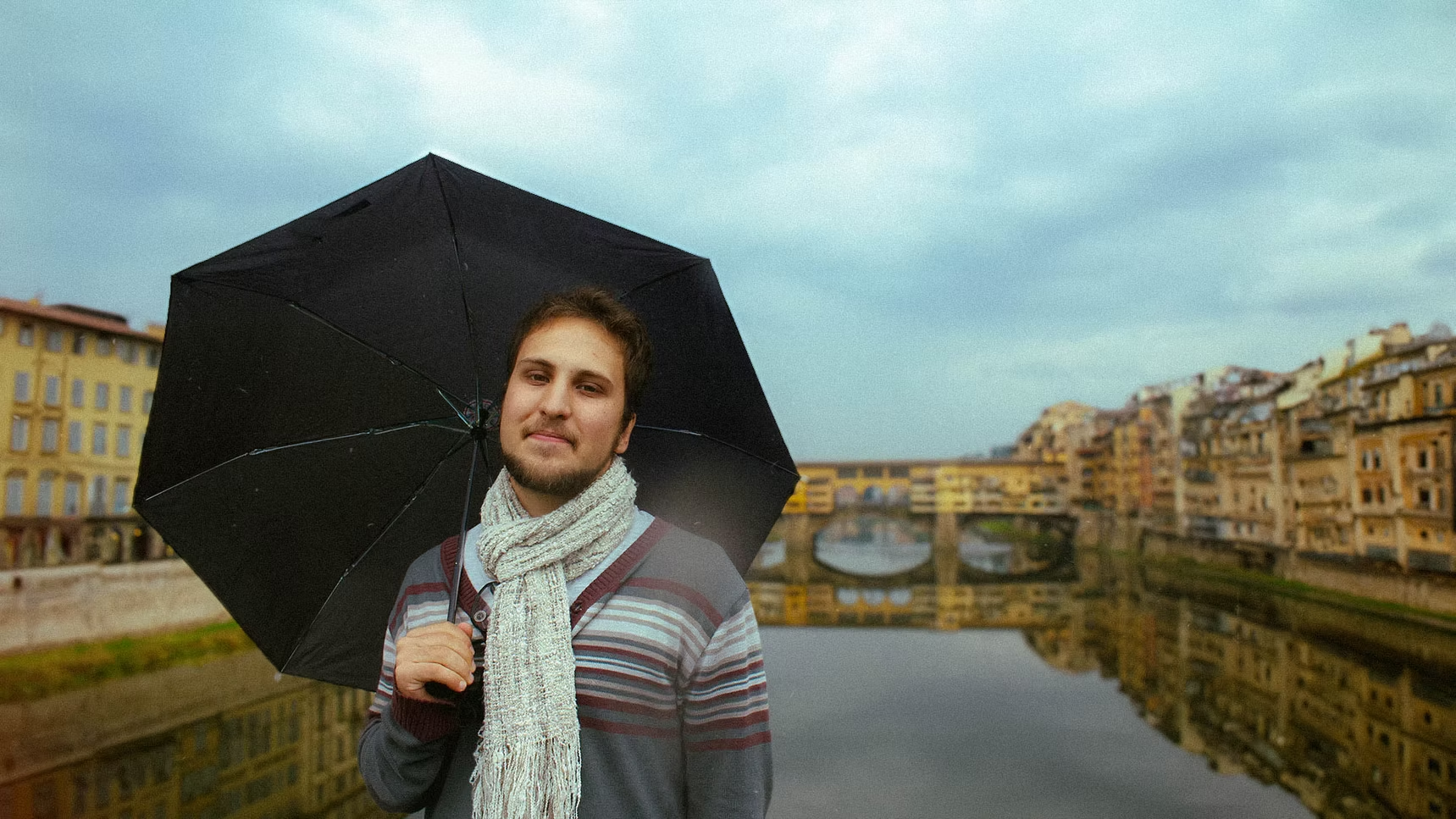
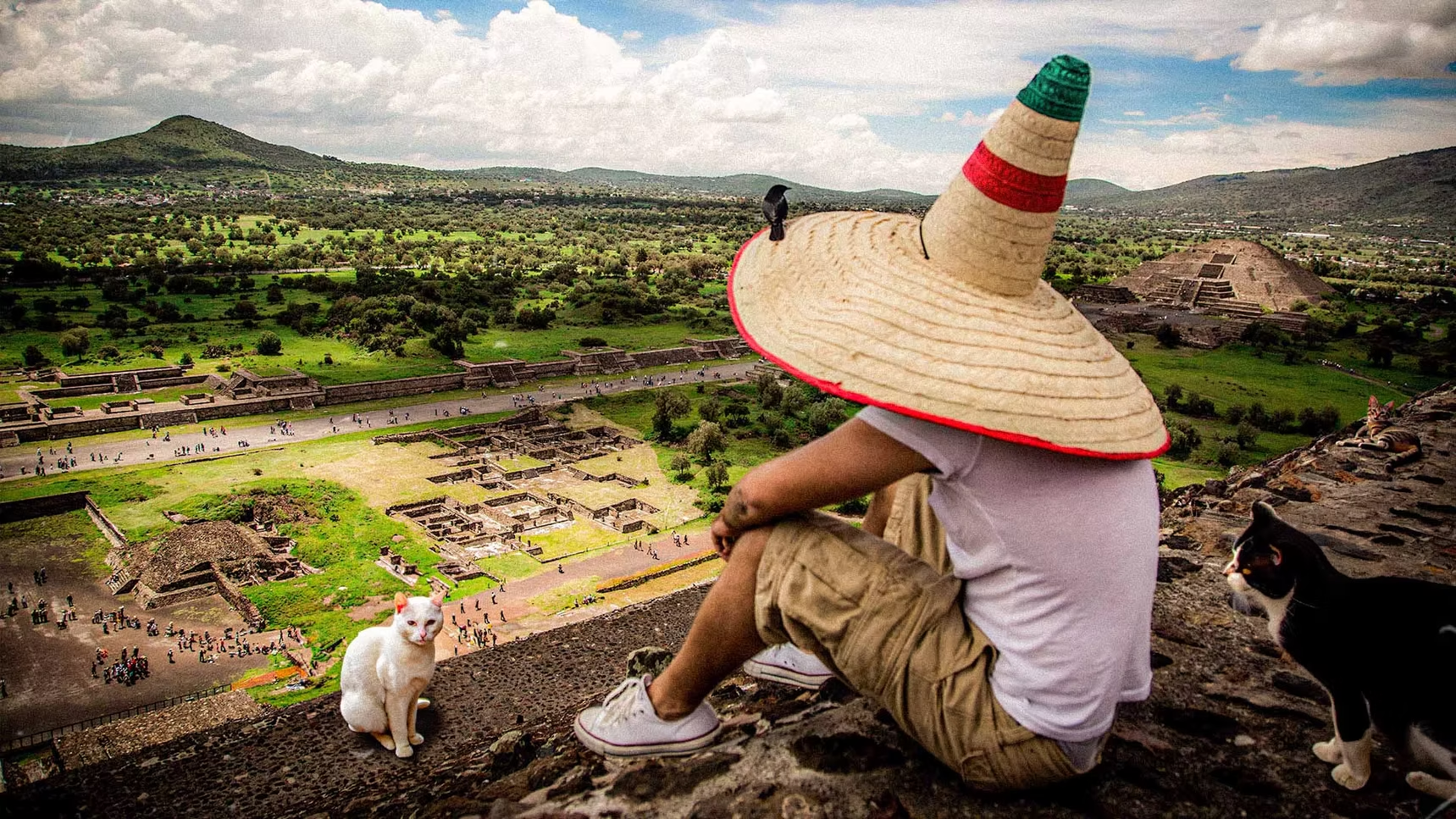
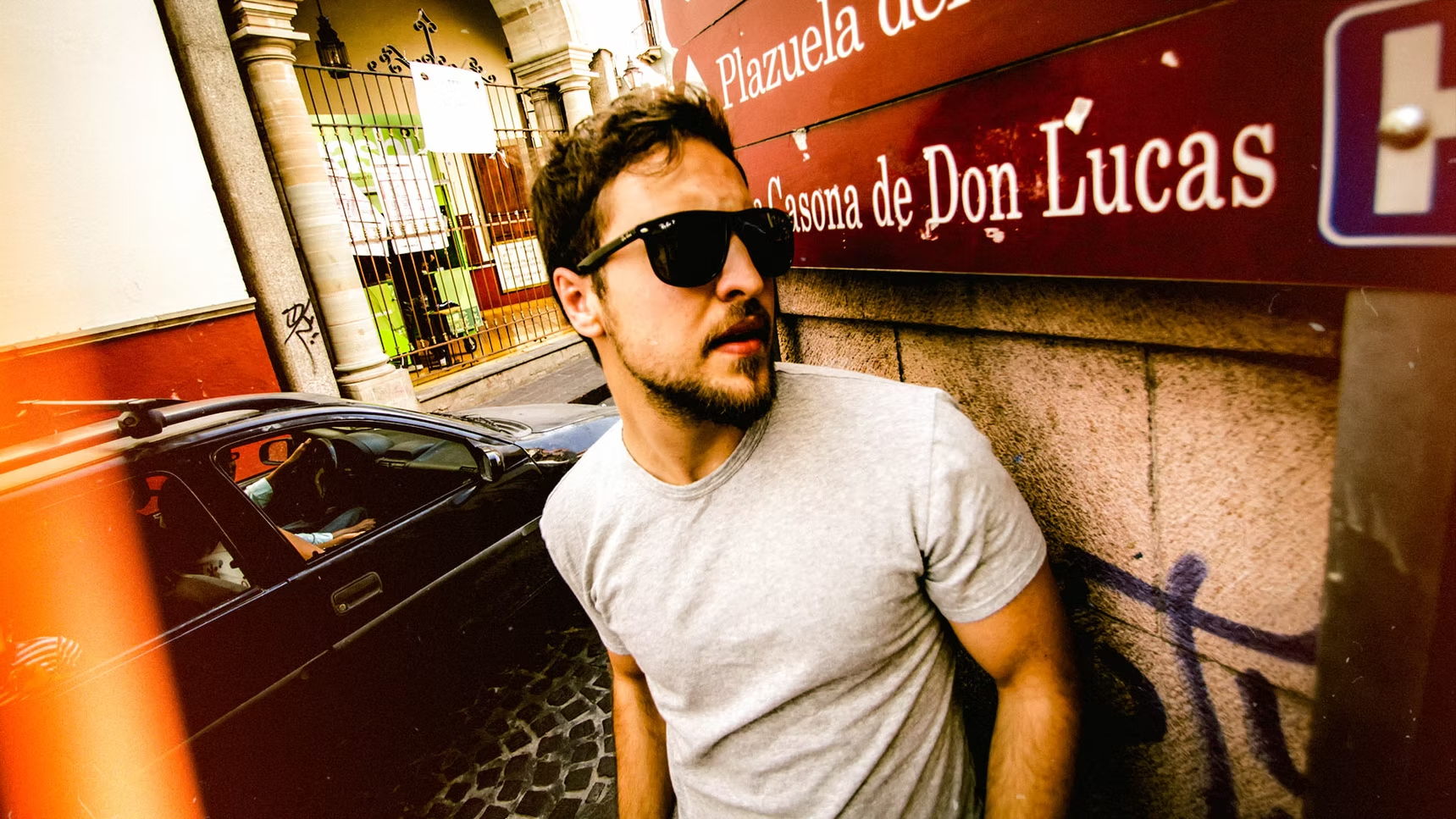
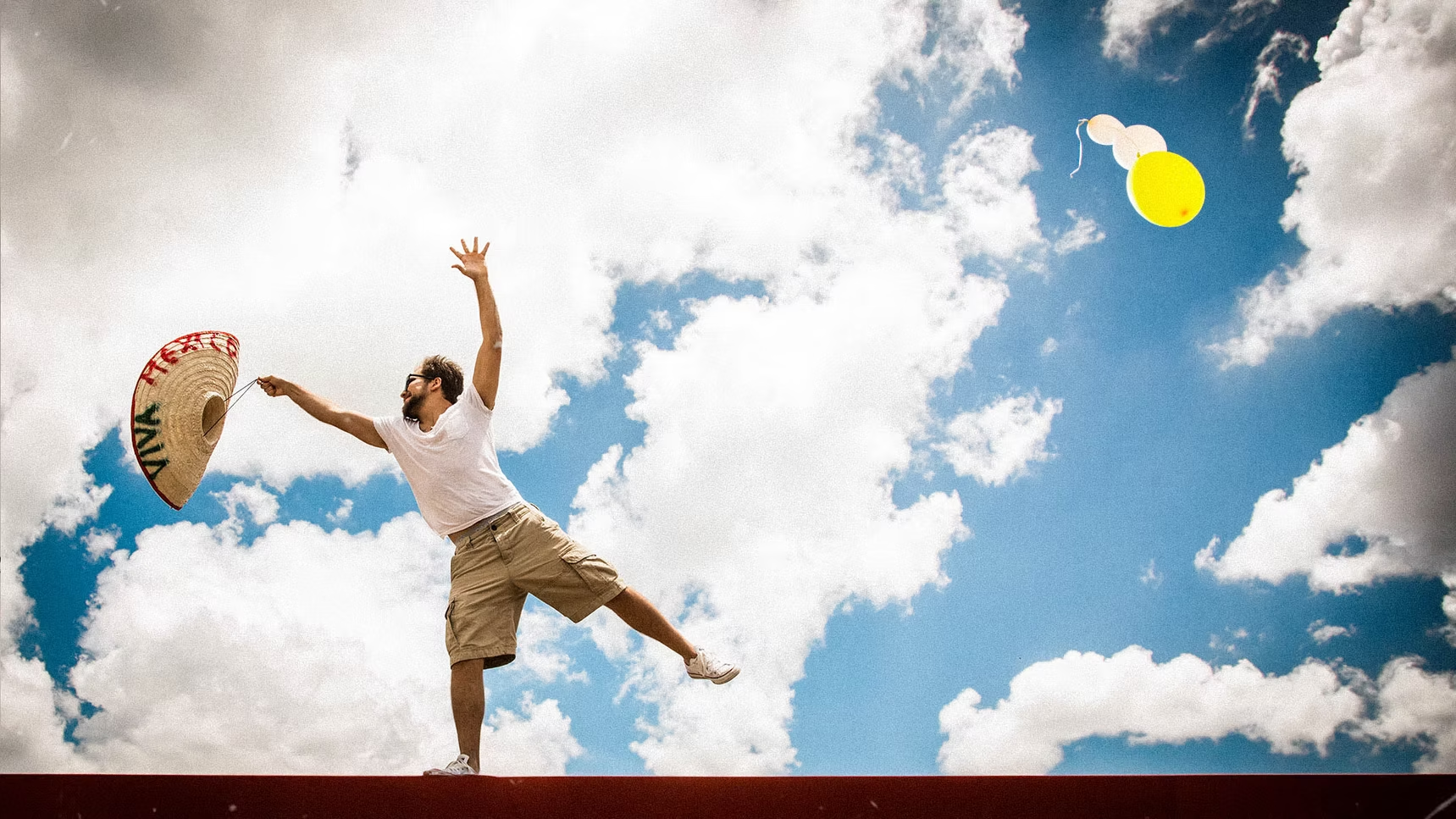
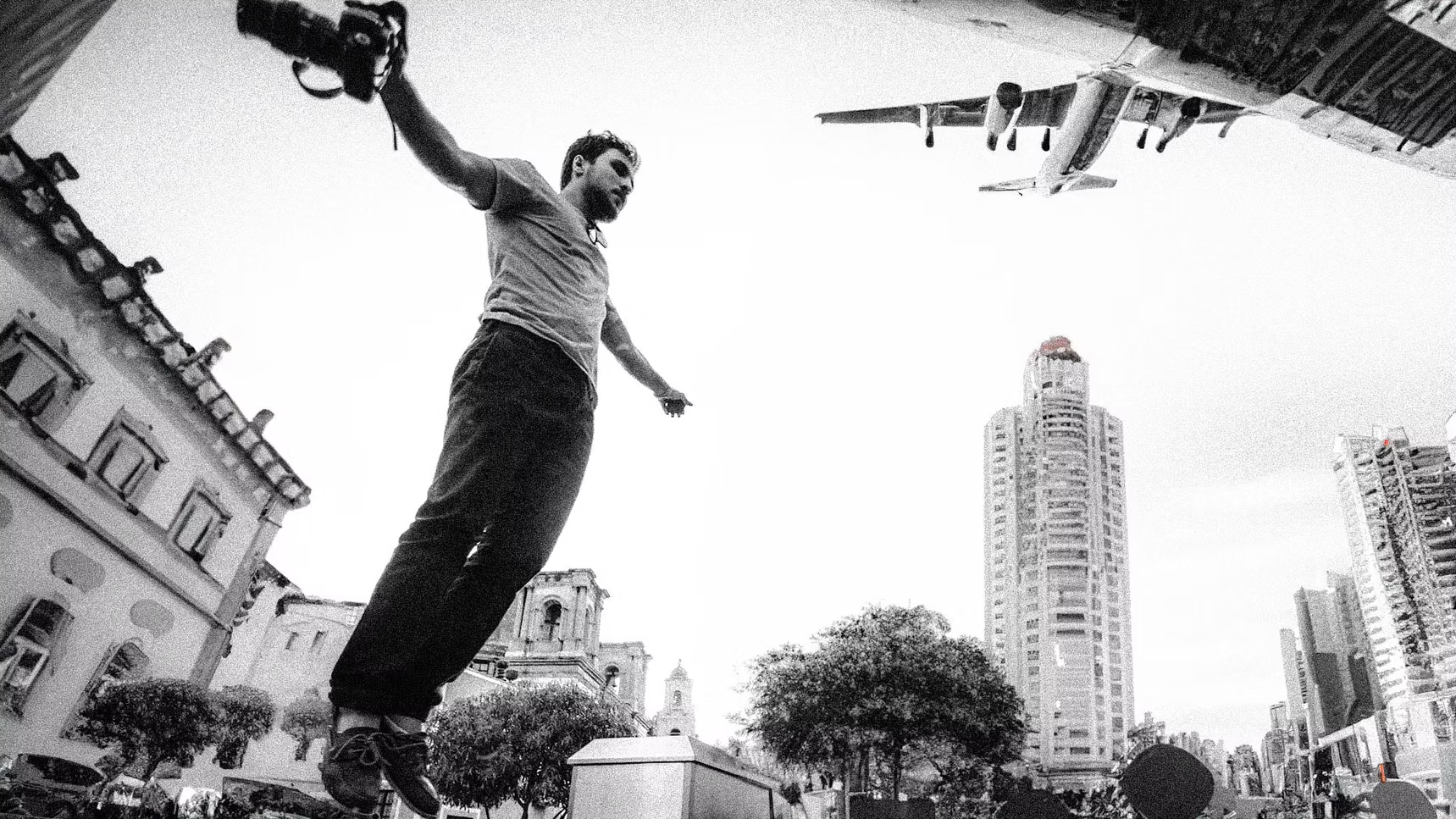
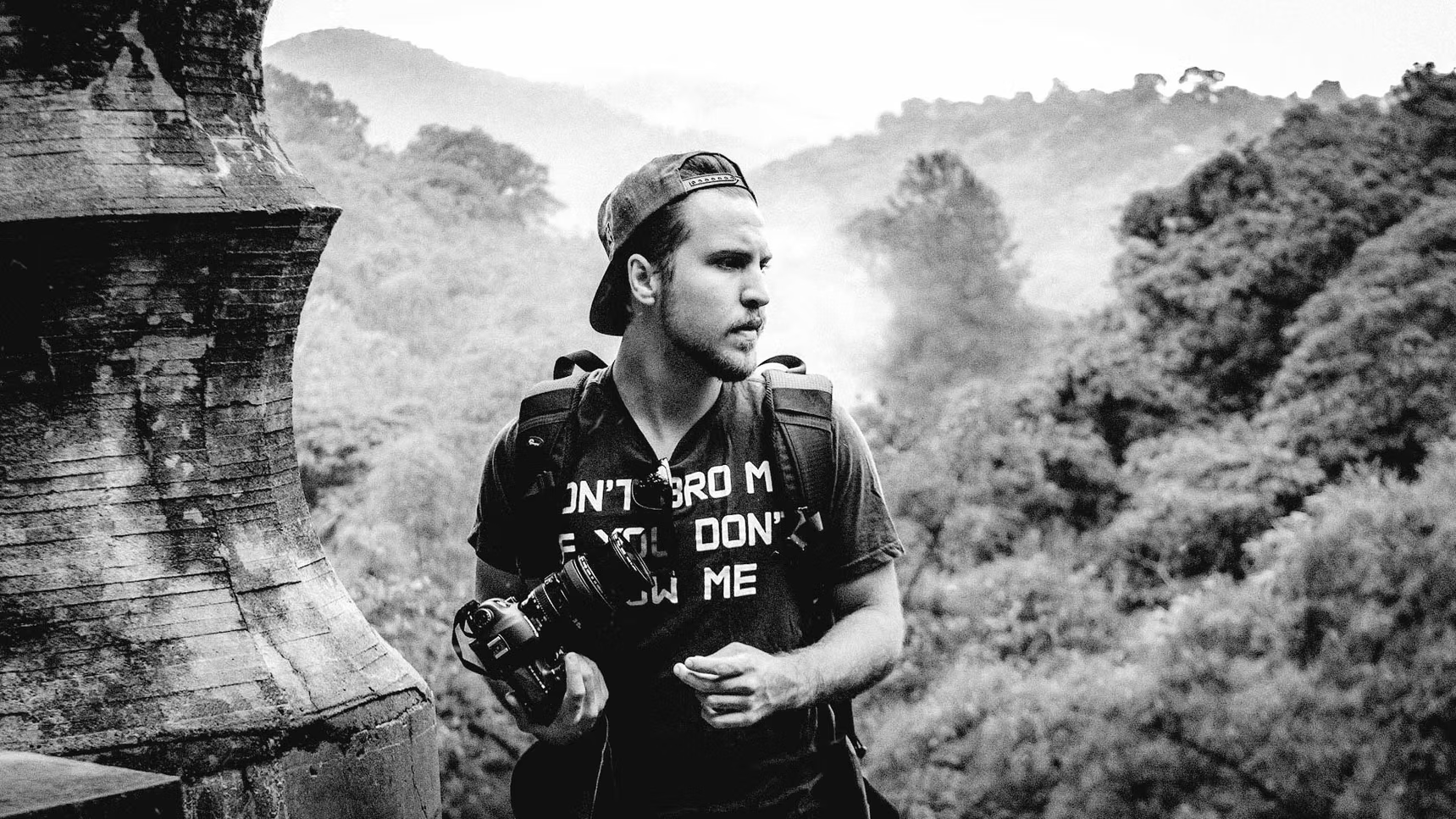
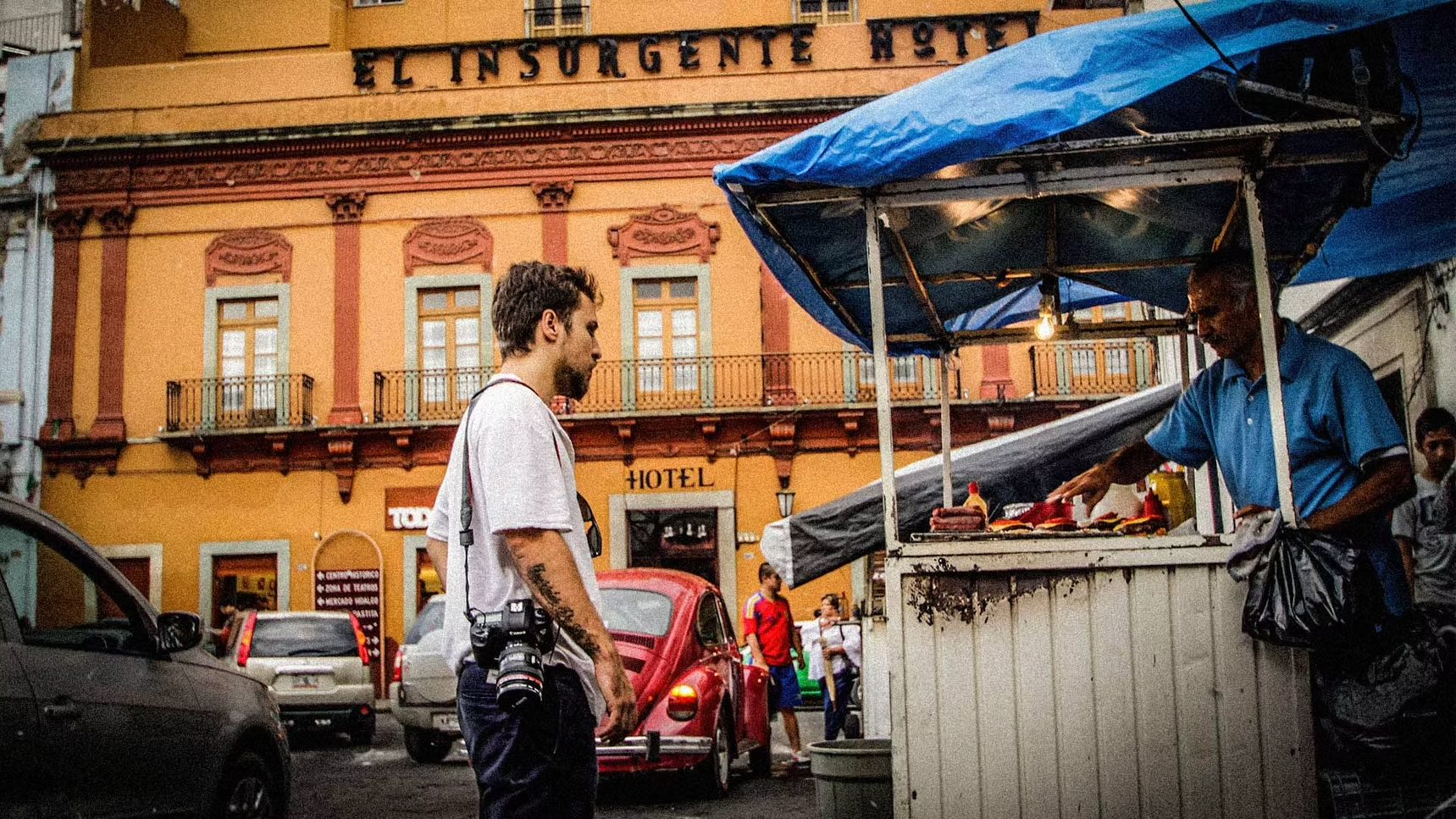
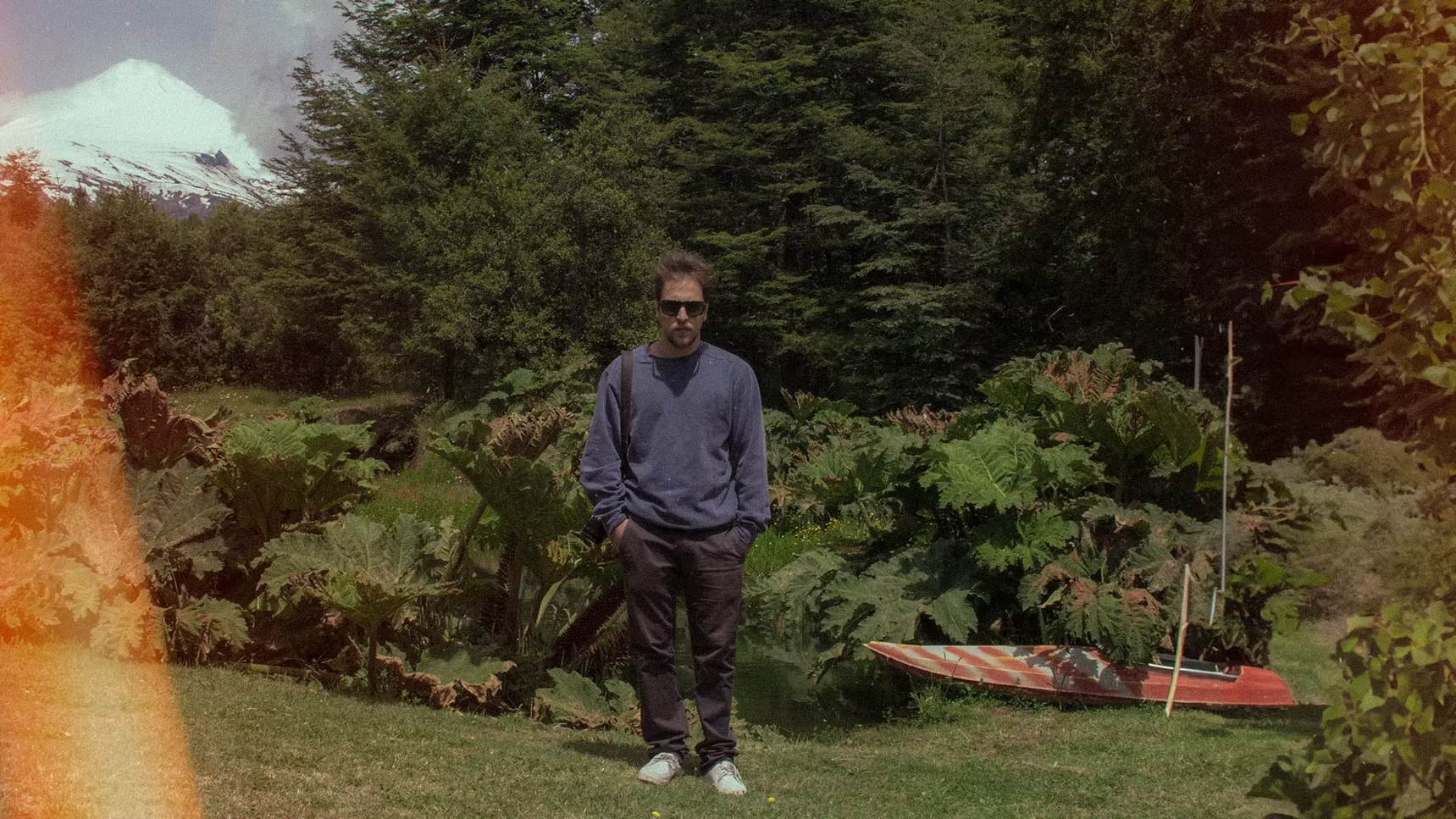
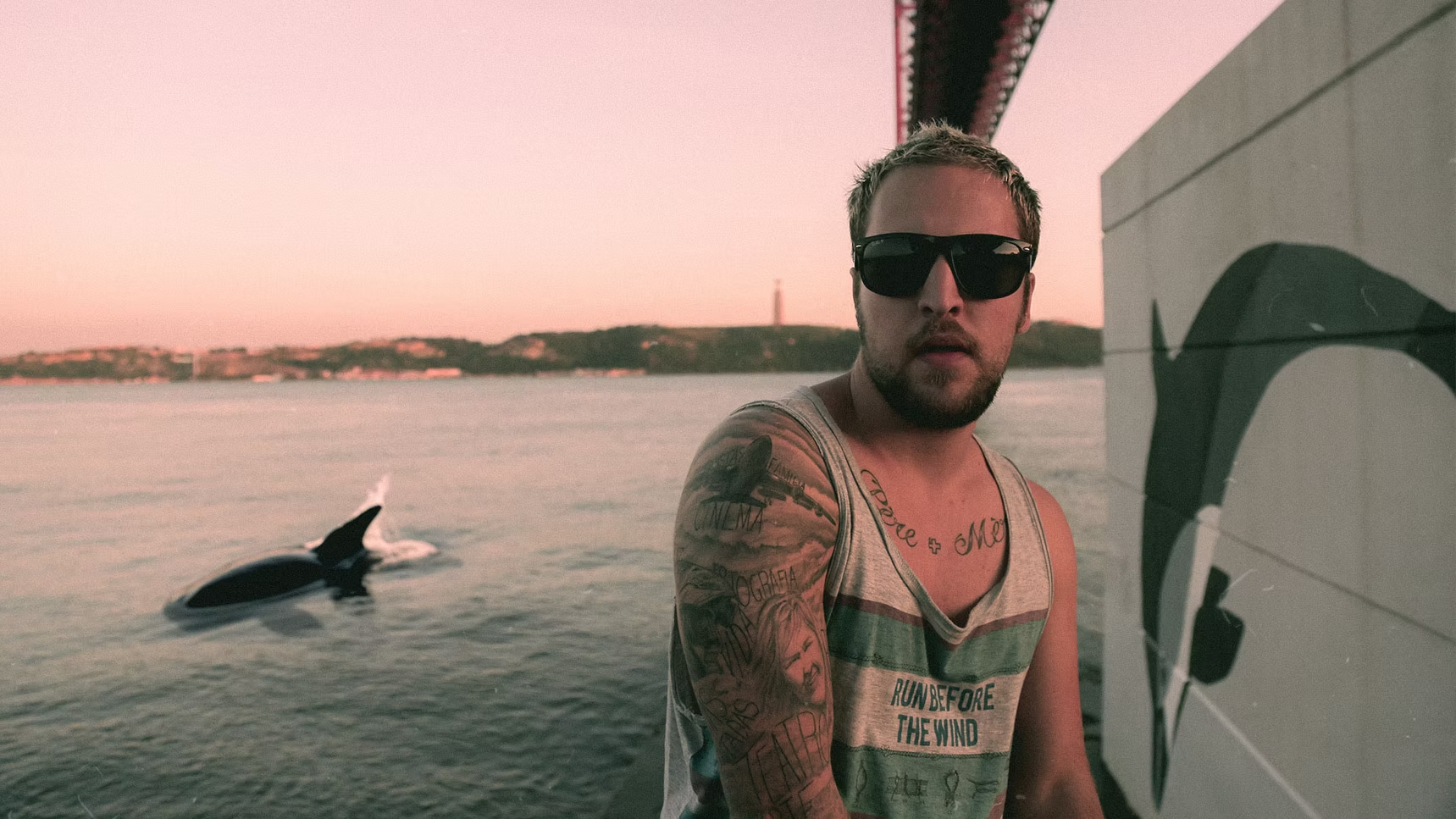
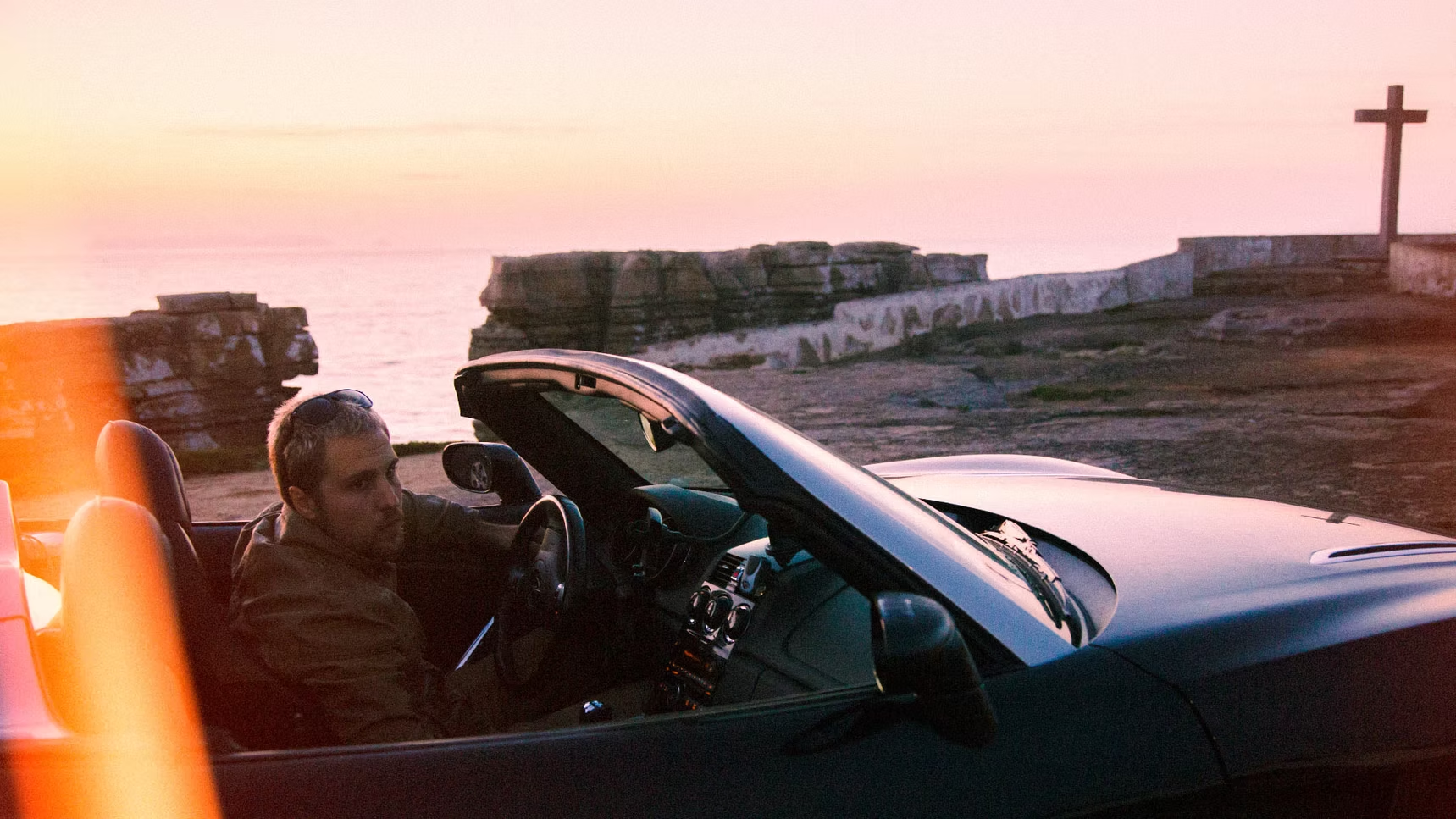
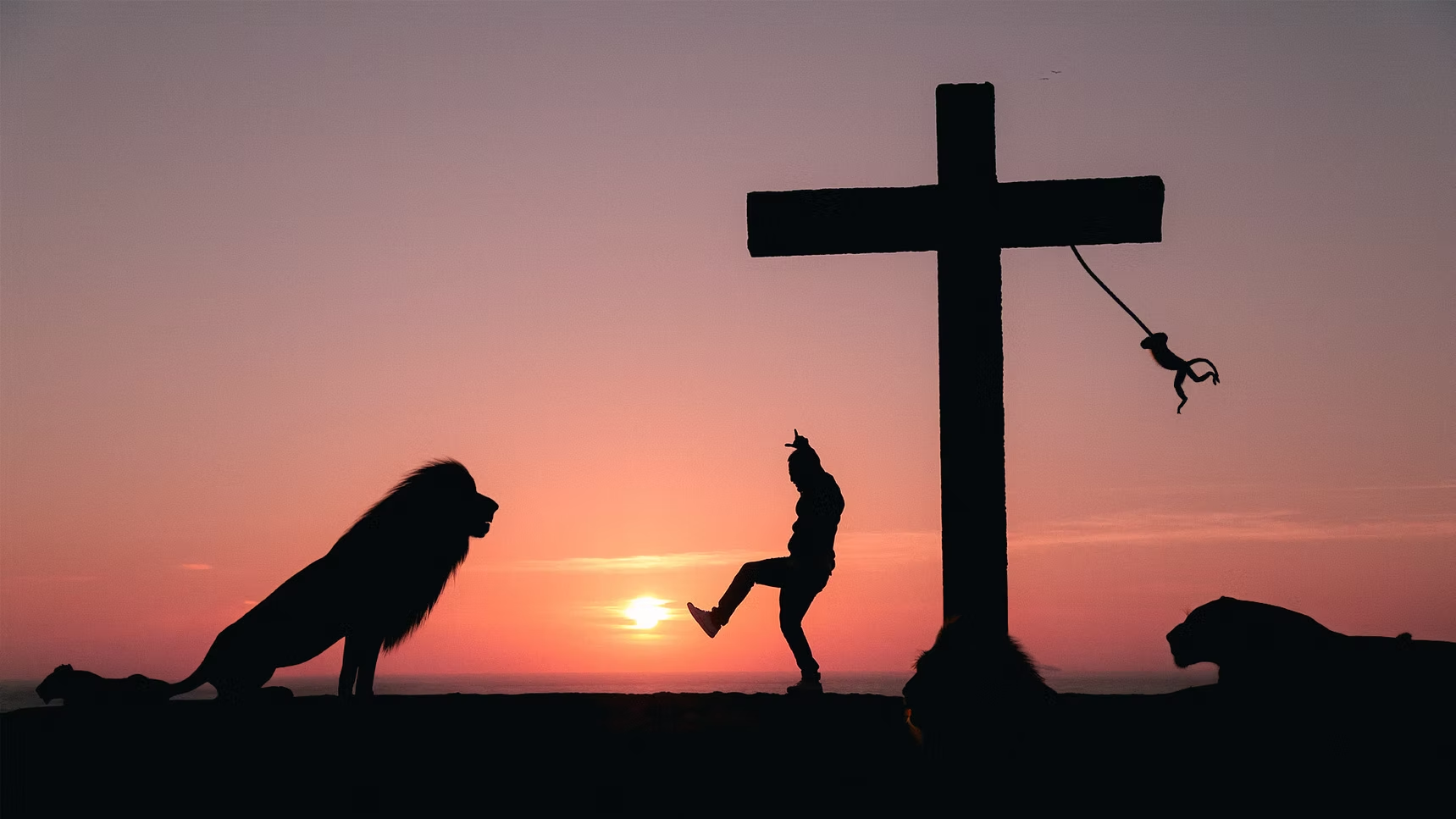
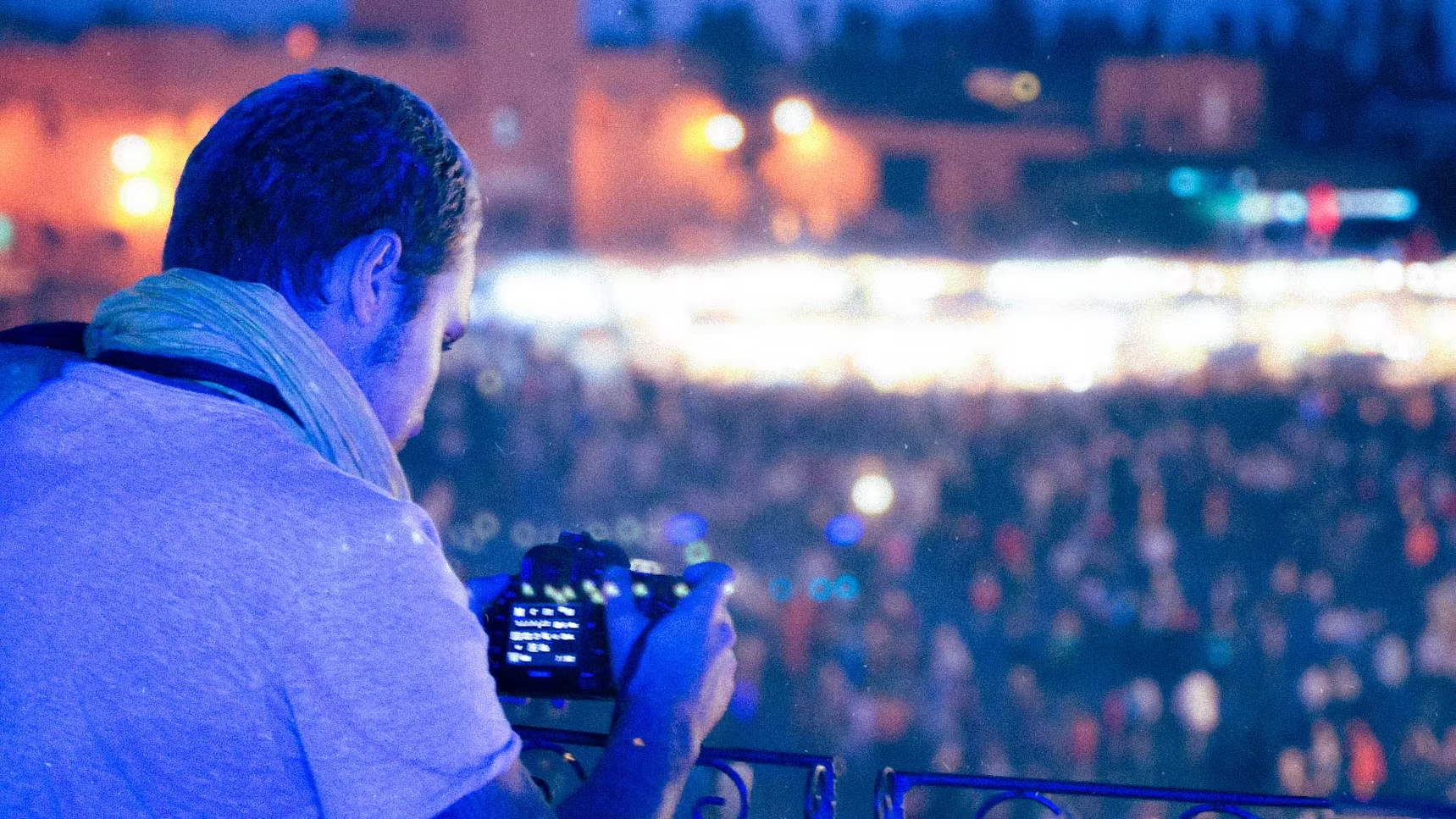
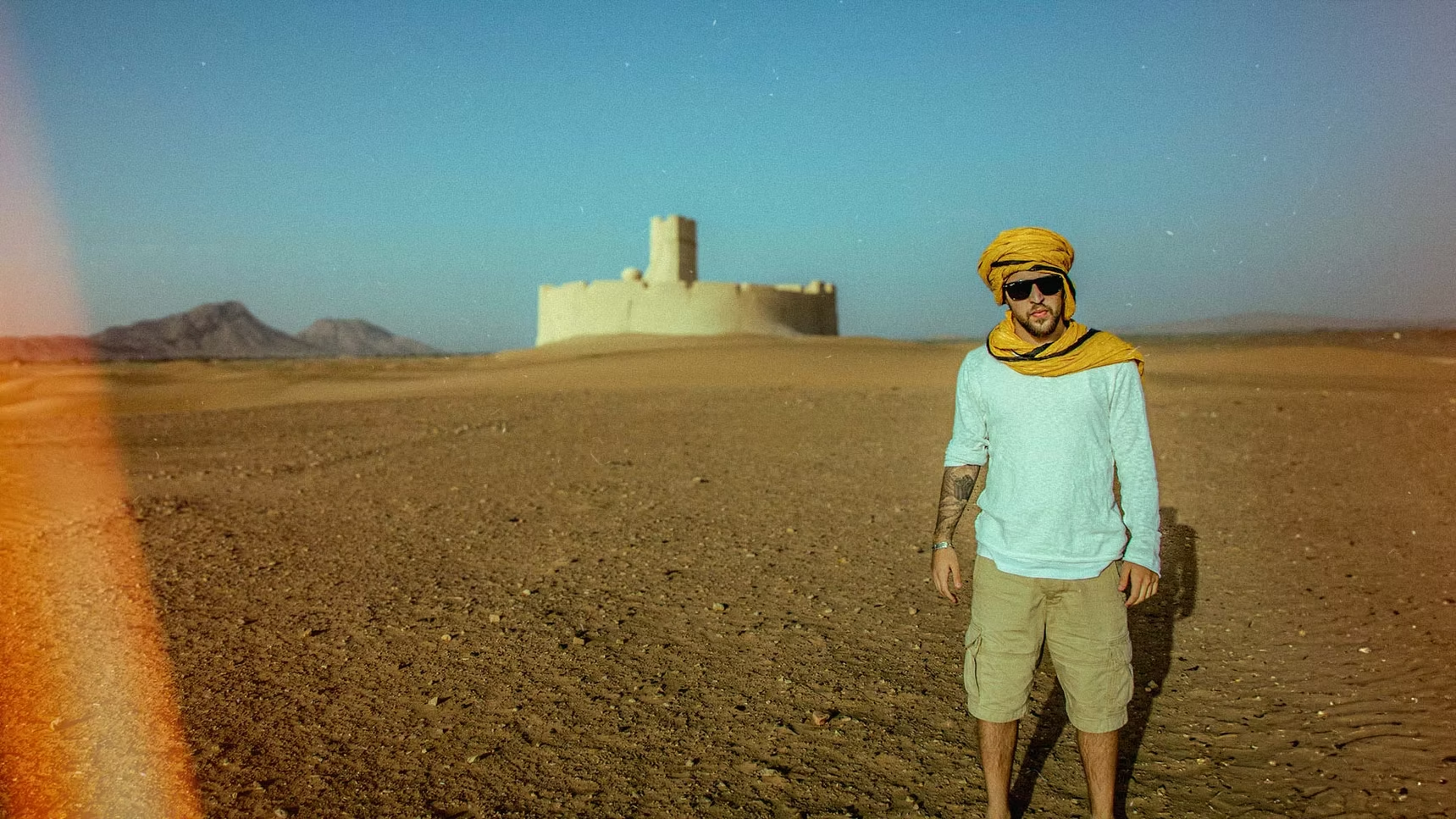
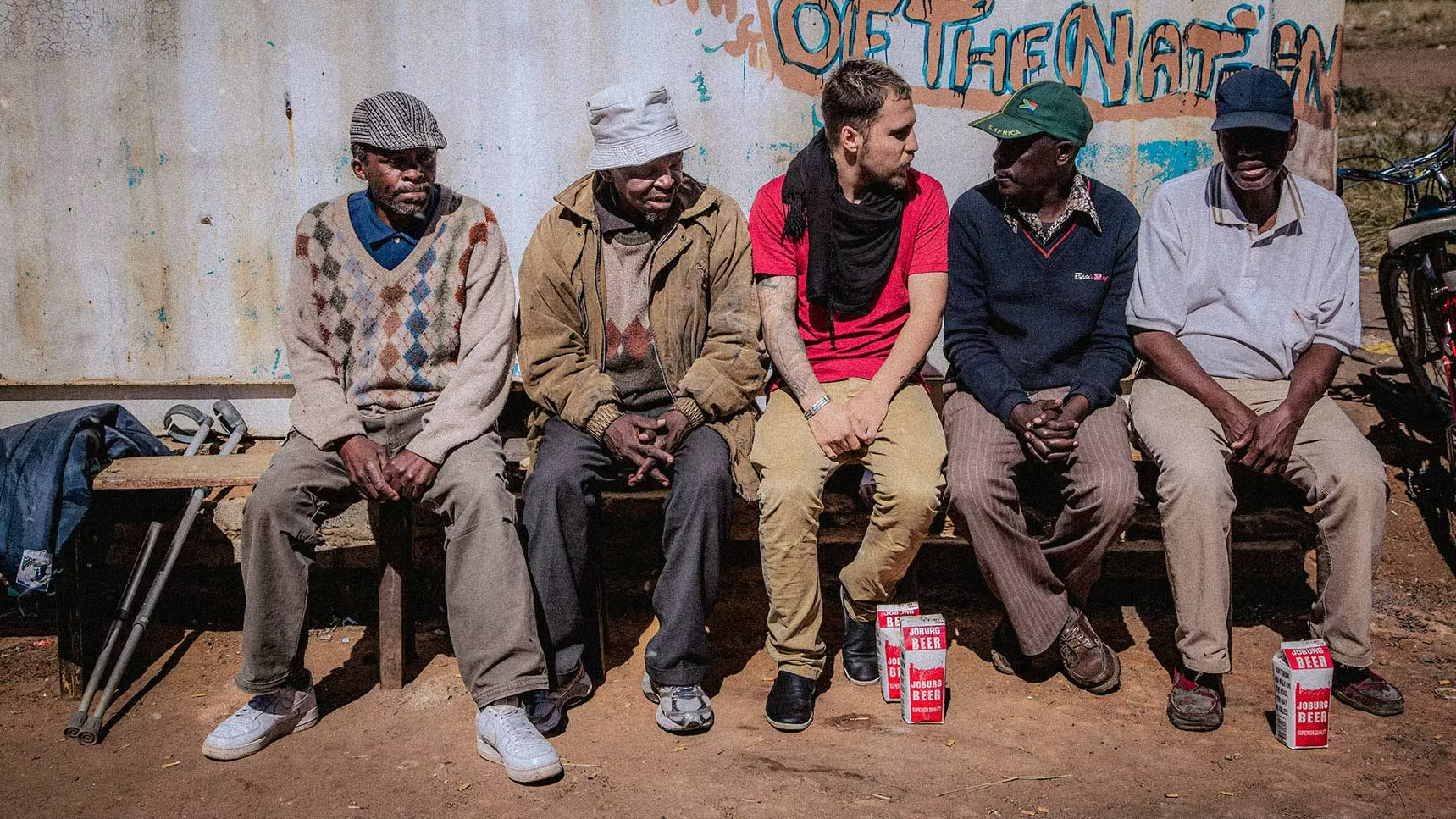
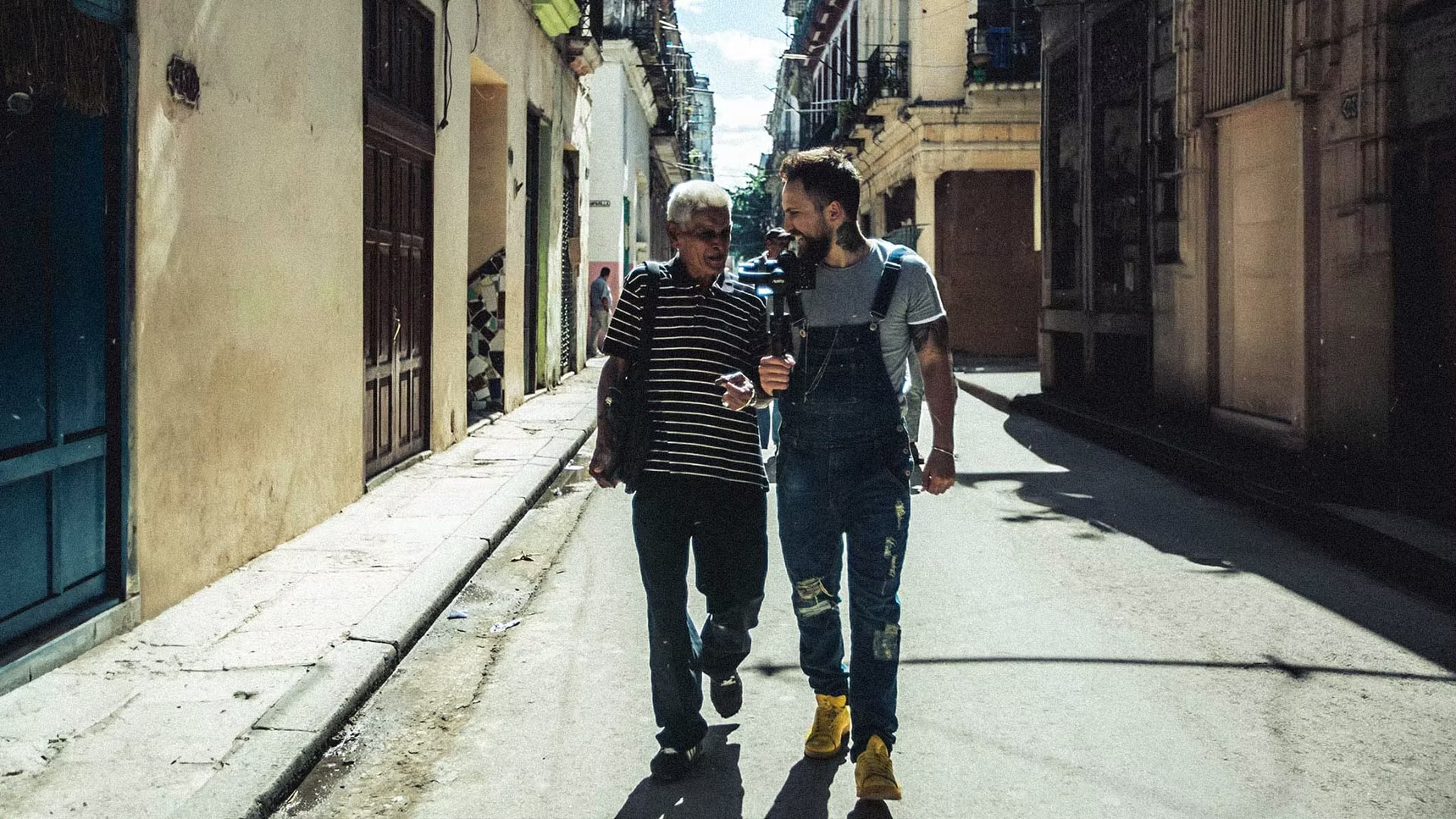
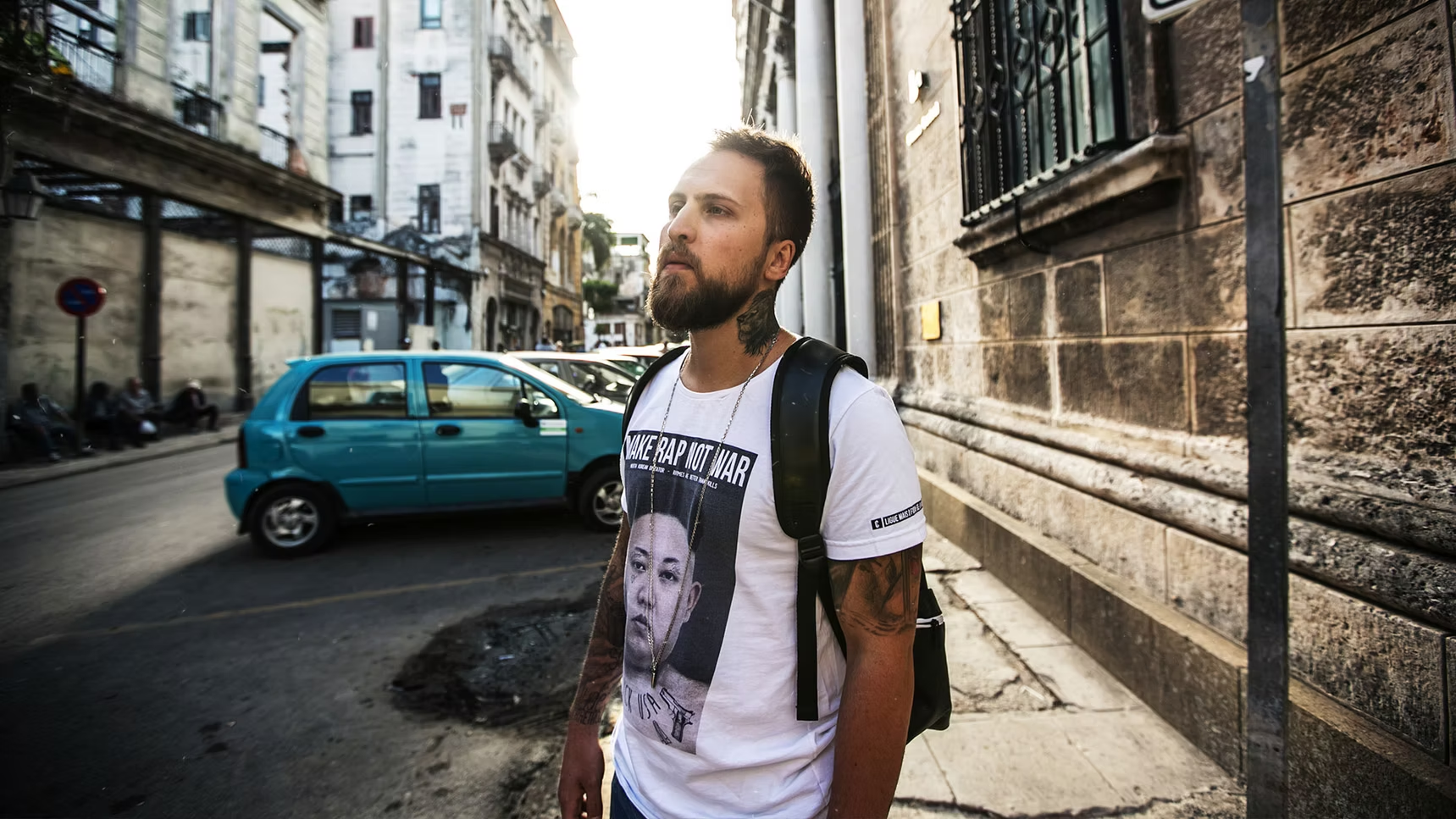
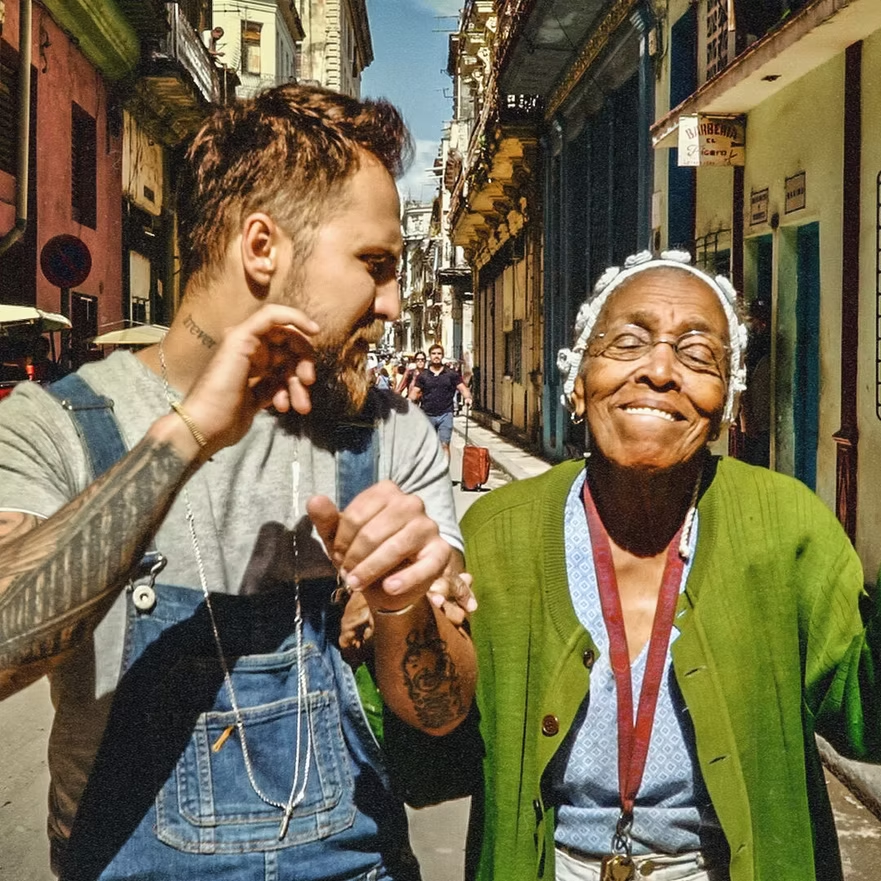
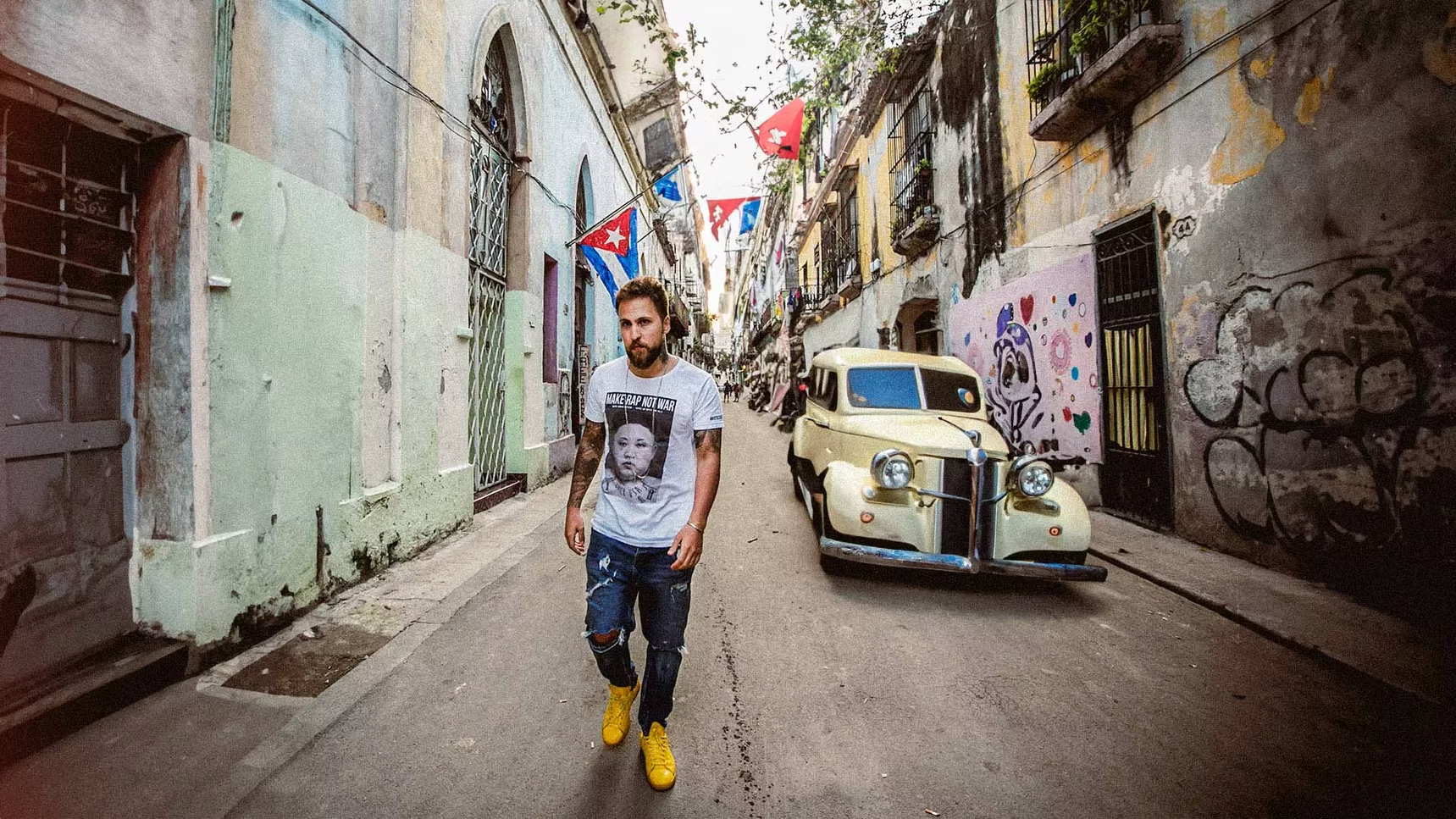
In 2011, at 21 years old, Lucas set out alone on a journey through 27 countries across 5 continents, carrying only a camera and no production budget. He funded his travels by working along the way, sleeping on couches, accepting whatever opportunity appeared next. The films he made in each place cost almost nothing to produce: no crew, no permits, no equipment rentals. Just him, the camera, and whoever was willing to be in front of it.
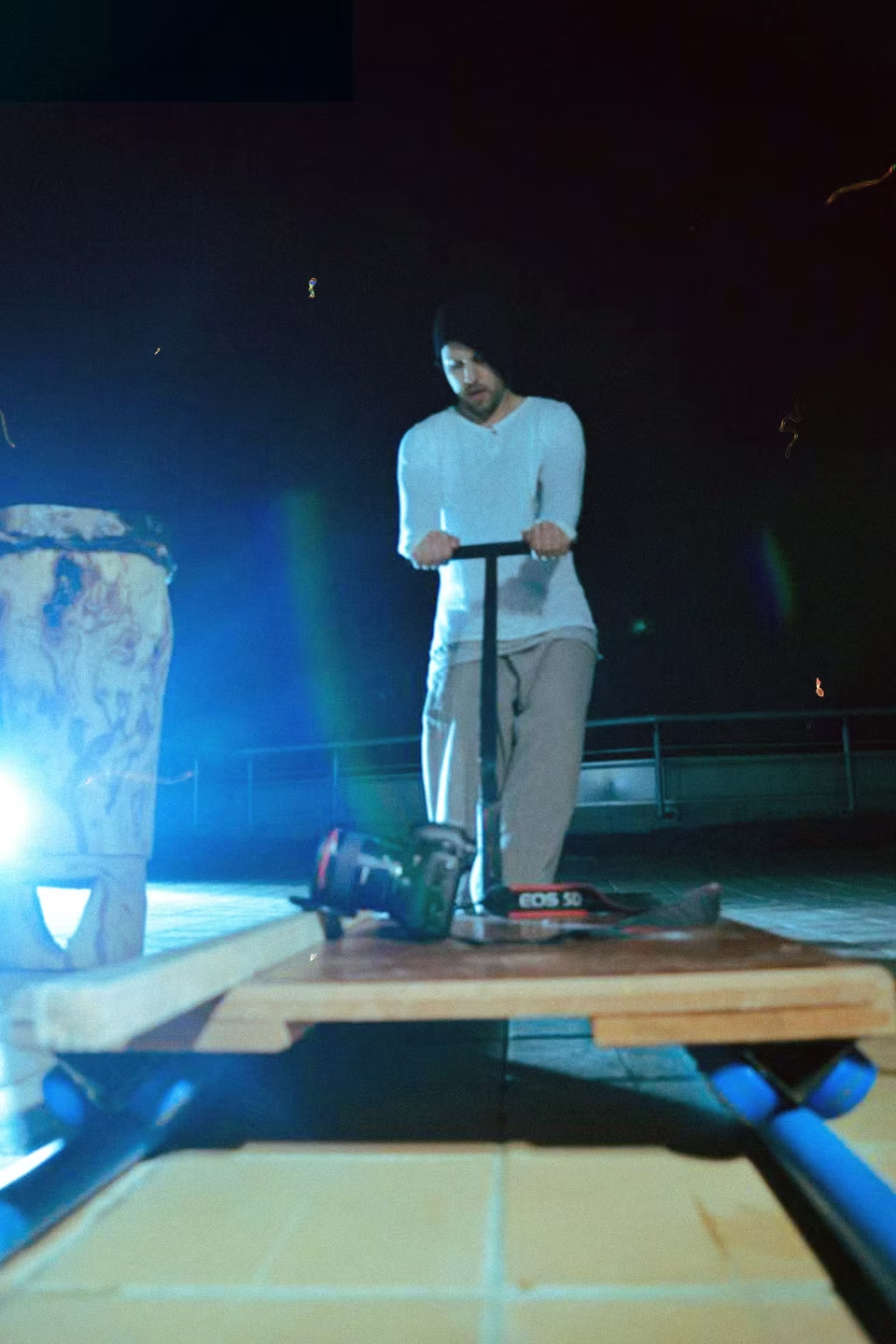
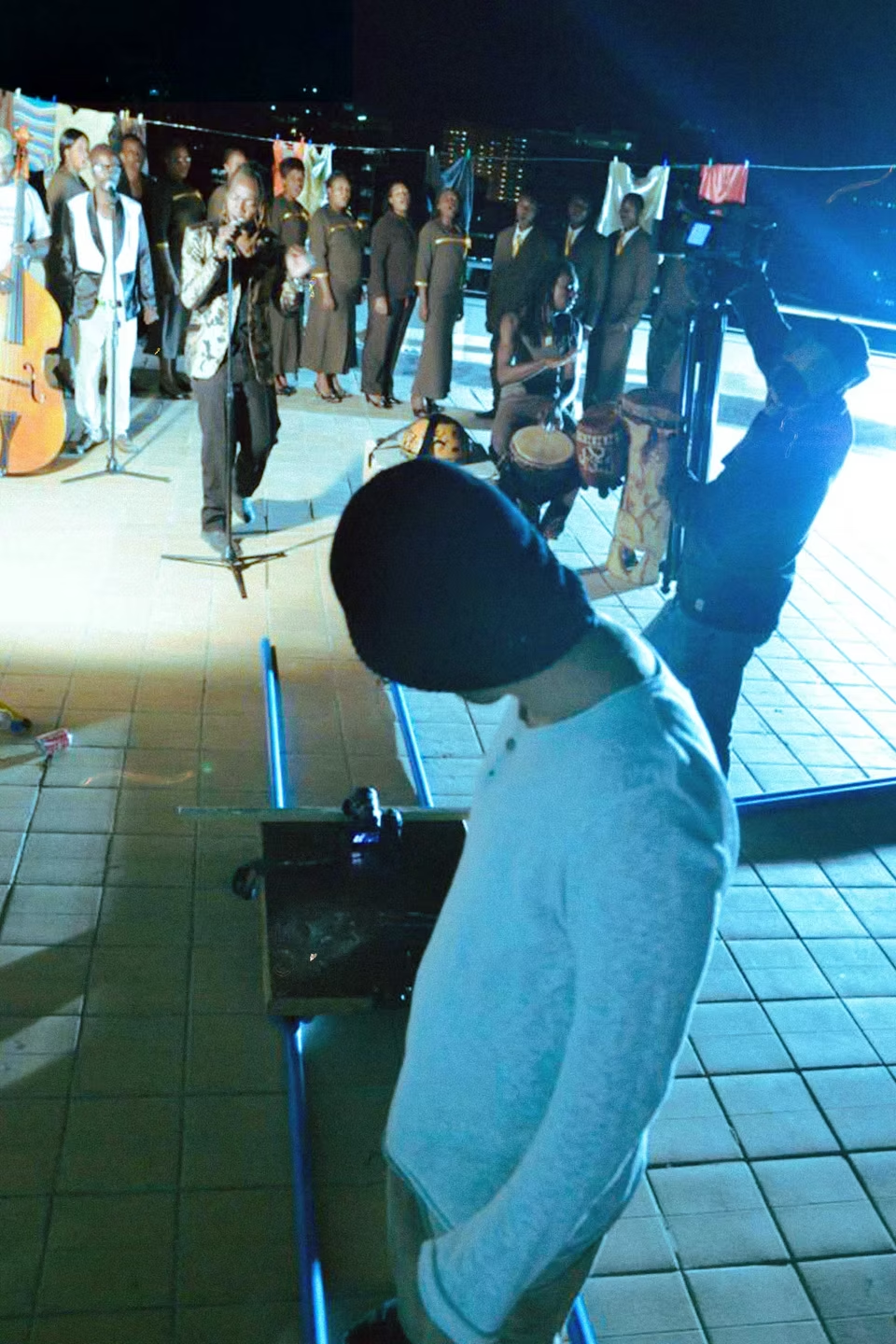
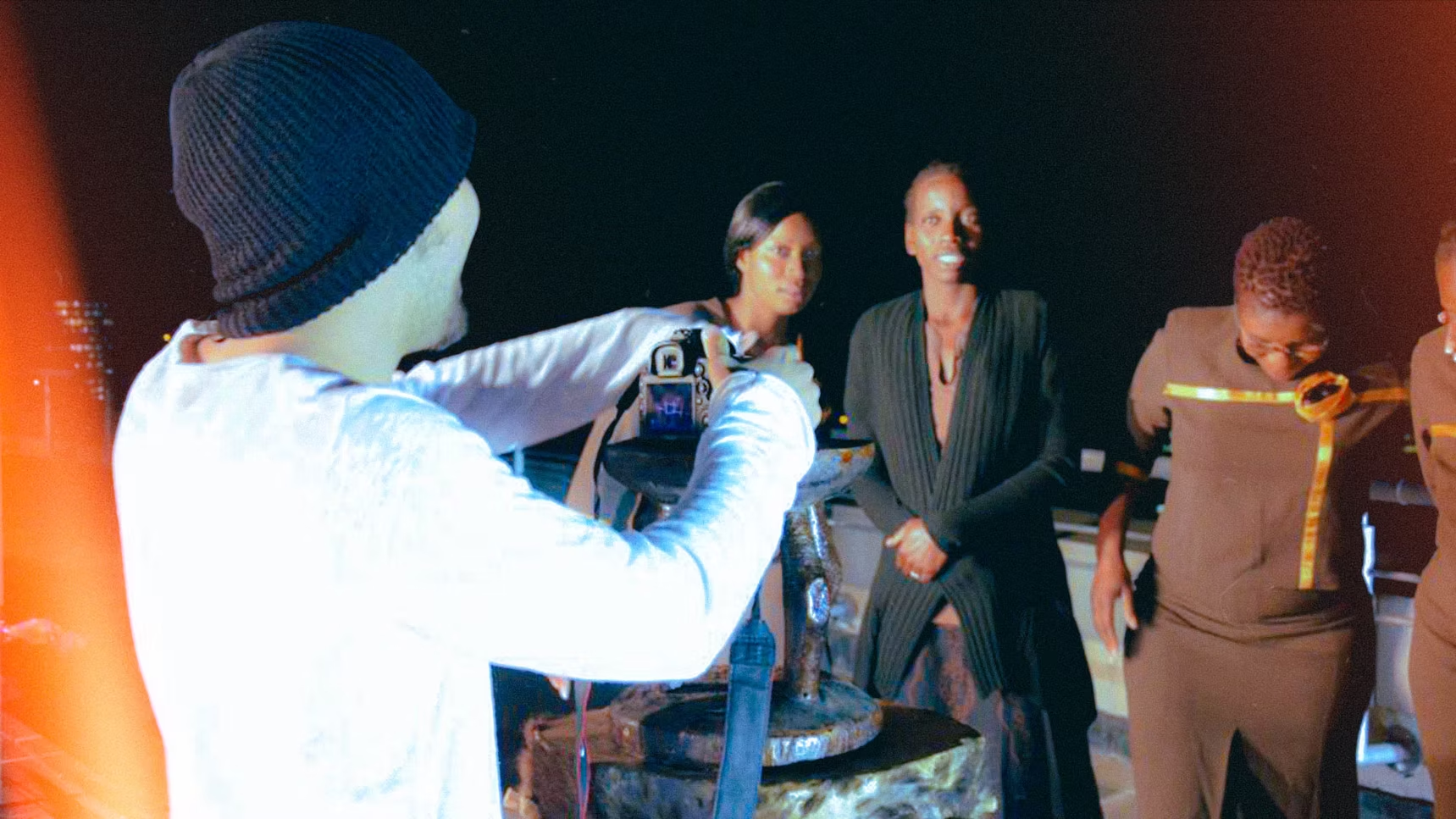
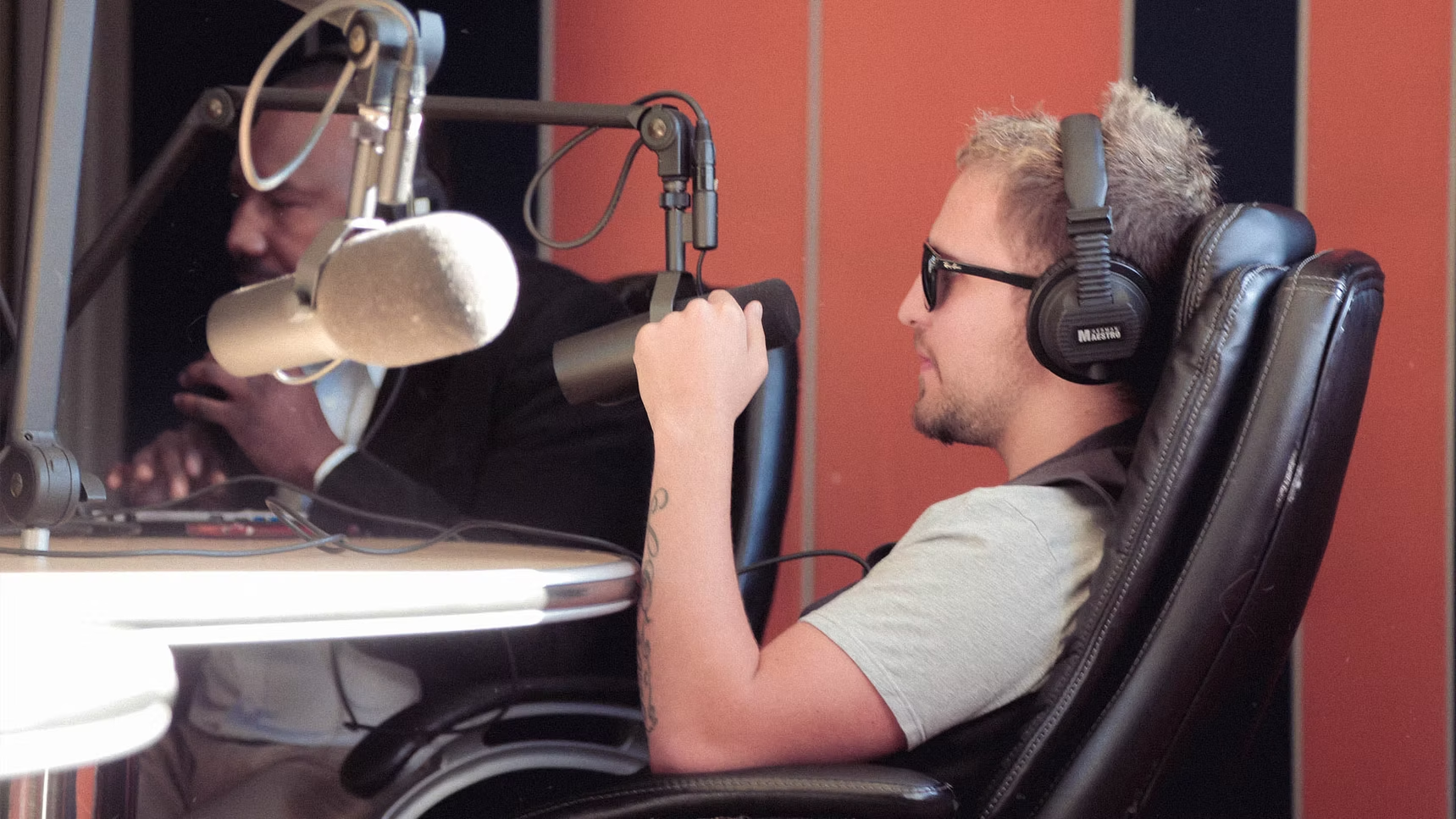
The result was Independent Roads: seven short films assembled into a traveling program, released through his first production company, LS Filmes, in 2012. In the following years, Lucas took the project on tour through universities, festivals, and cultural institutions in Brazil, Europe, Africa, and Latin America. He taught screenwriting at Unila, in Foz do Iguaçu. He was honored by Citroën Brasil with a photographic exhibition in Curitiba. He was interviewed on RTP's Janela Indiscreta program in Lisbon. He presented short films in Chile and Argentina. In 2013, he ran free guerrilla filmmaking workshops in Harare, Zimbabwe, for university students.
In October 2012, Lucas founded IHC (International House of Cinema) in Curitiba. The original idea was for IHC to be a film school. That is where the name came from: the studio would be home, a place where films get made and where you learn to make them. The school never materialized due to lack of resources, but the name stuck. In the beginning, it was a one-person operation. Out of necessity, Lucas did everything a project required: screenwriting, directing, producing, branding, visual identity, photography, website, marketing. Without realizing, he was creating a venture studio. And building himself into a filmmaker, entrepreneur, and image and communication professional.
The first IHC headquarters was a large warehouse in Curitiba, renovated with help from Lucas’s father. Too big to operate only as a studio, it also became a cultural events space. Between 2014 and 2015, it hosted “Lage Chic”: a monthly series of performances with artists from Parana on the rooftop. The project promoted the musicians while also building the networking the studio still lacked. Lucas had never run a company. Fixed costs were high, and every new idea became a project, every project became a way to generate income to keep the space and the team standing. That cycle lasted years, until the first major projects started coming in. It was a hands-on school of entrepreneurship.
Rhaissa Gonçalves joined as producer in 2014 and became co-founder the following year. Between 2014 and 2018, Lucas and Rhaissa literally lived inside the studio. IHC was home. Together, they consolidated a way of working where nothing leaves the house unfinished: screenwriting, directing, producing, soundtrack, color grading, distribution and marketing, all under one roof. In 2018, they left home and opened the second headquarters in Miami.
Over the years, IHC has produced work for global brands like Dolby, Tinder, Knight Foundation, Citroën, Adobe, Volvo Penta, and ELECOM (Japan), and for public institutions such as Miami DDA (United States), Invest Parana, EMATER, and Copel (Brazil).
In 2019, Lucas and Rhaissa faced the biggest decision of the studio's life. IHC had cash reserves for the first time. They could buy a house, start a family, or produce their first feature film. The film dream was more Lucas's than Rhaissa's. She got on board. The way she always got on board with his wild ideas.
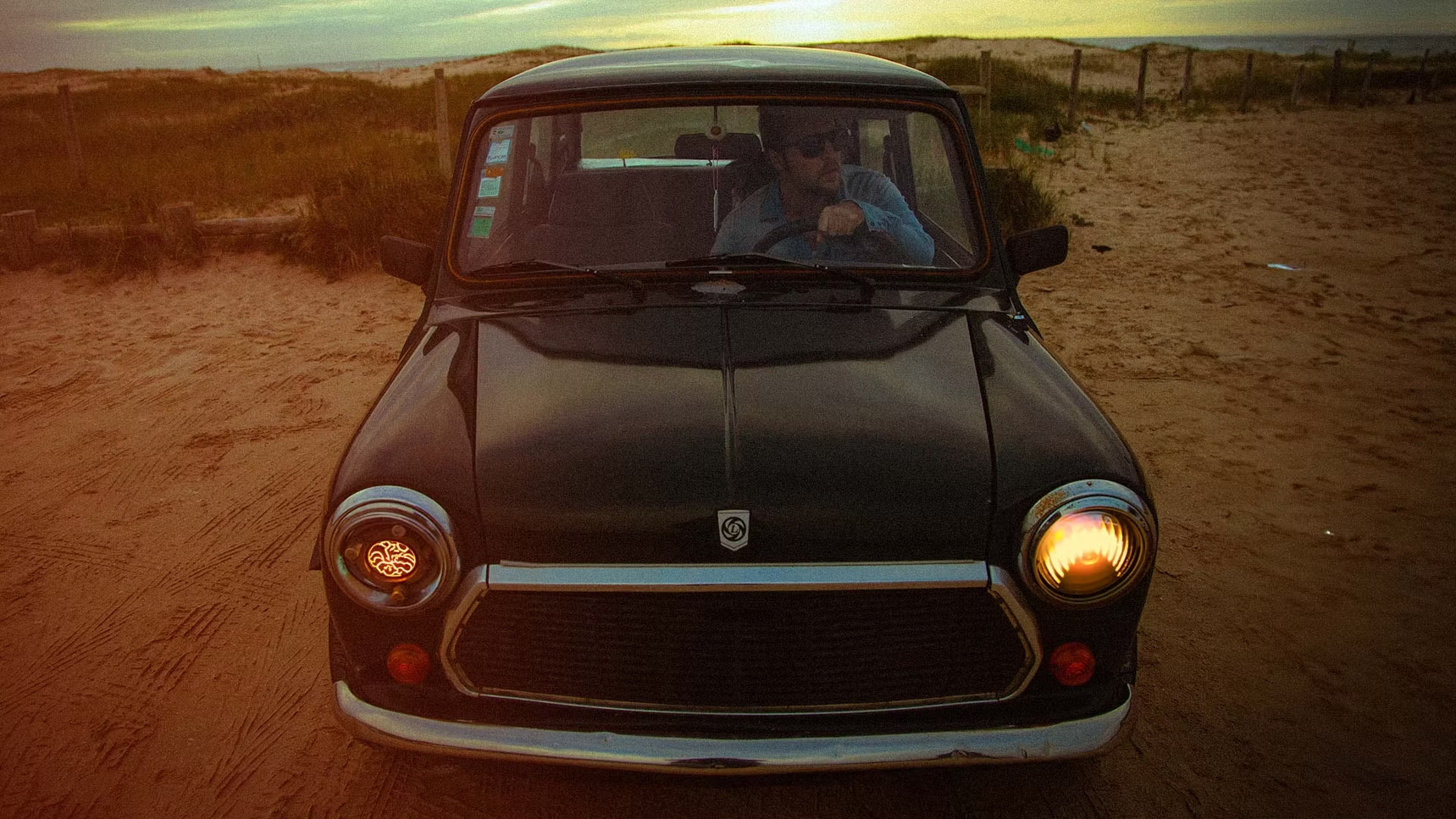
Without sponsors, without tax incentives, without any public funding, Lucas directed his first feature film entirely with IHC's own money. Neon Heart tells the story of Fernando, a young man who delivers romantic messages aboard a singing telegram car in the streets of Boqueirão.
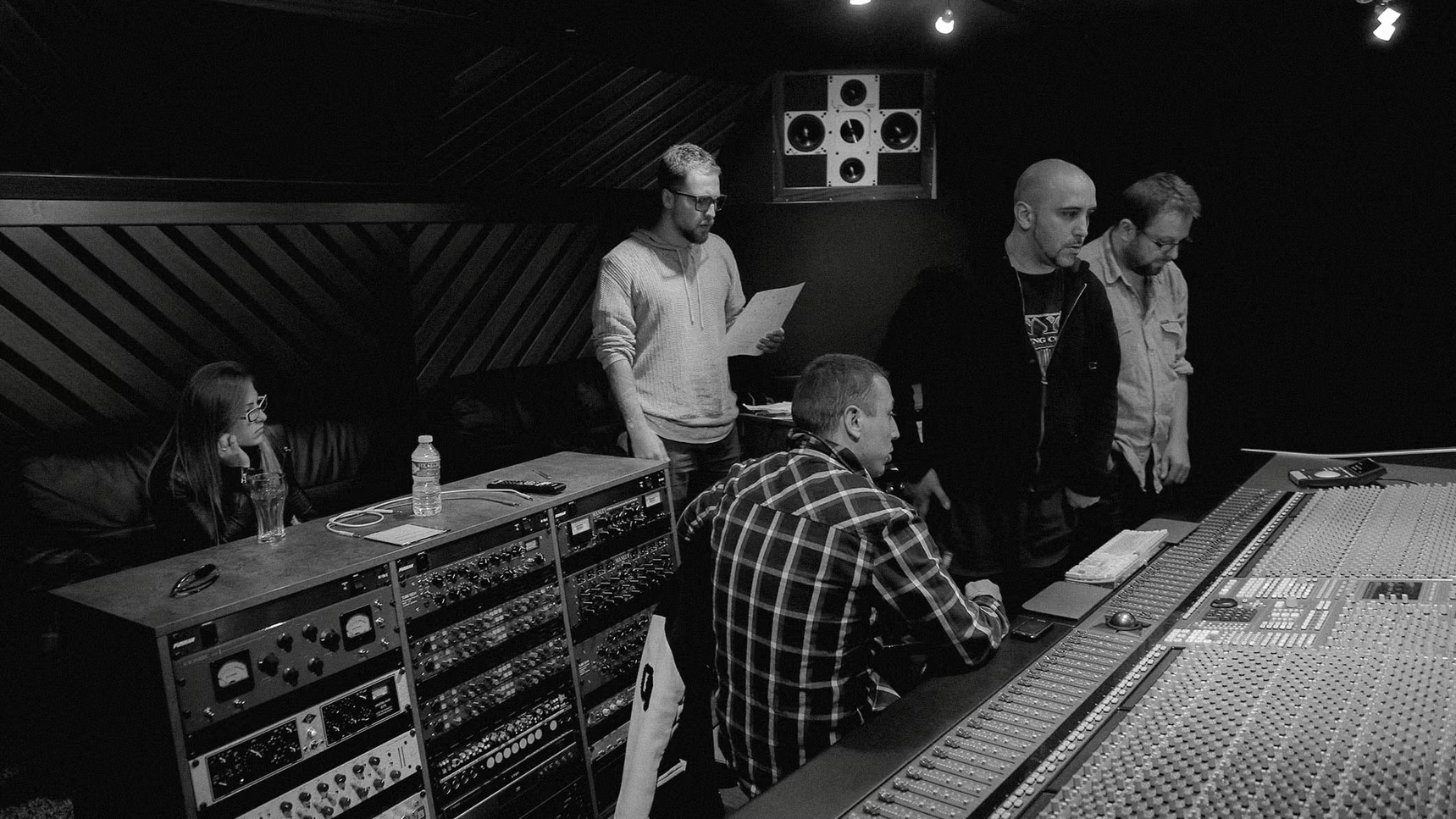
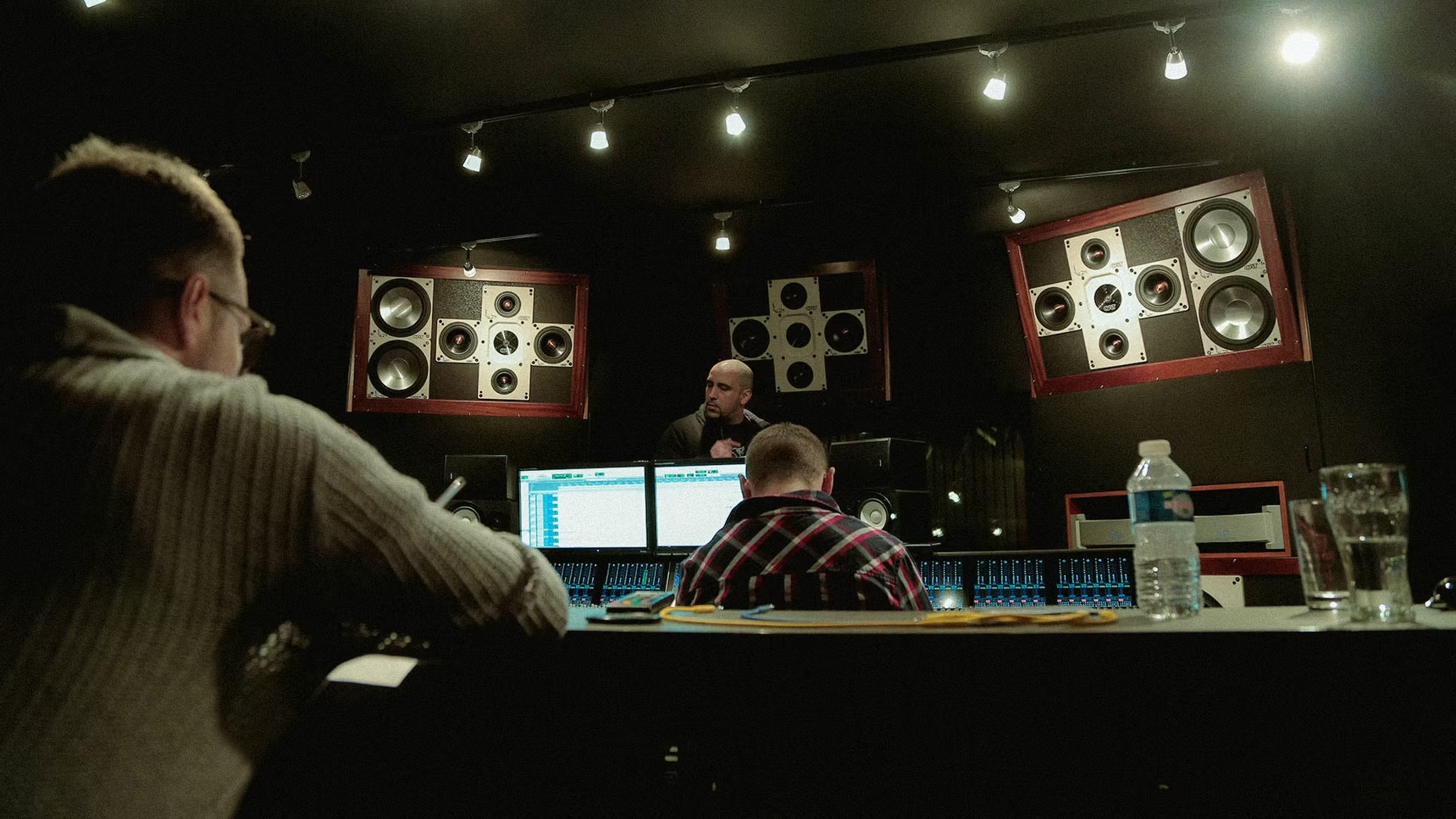
The film premiered at the Cannes Film Festival in 2022, where it was called "a great example of the new Brazilian popular cinema." It went on to screen in over 150 theaters across Brazil, Argentina, and Uruguay, and became the first Brazilian film mixed in Dolby Atmos 9.1. Awards followed in Houston, Moscow, and Brazil.
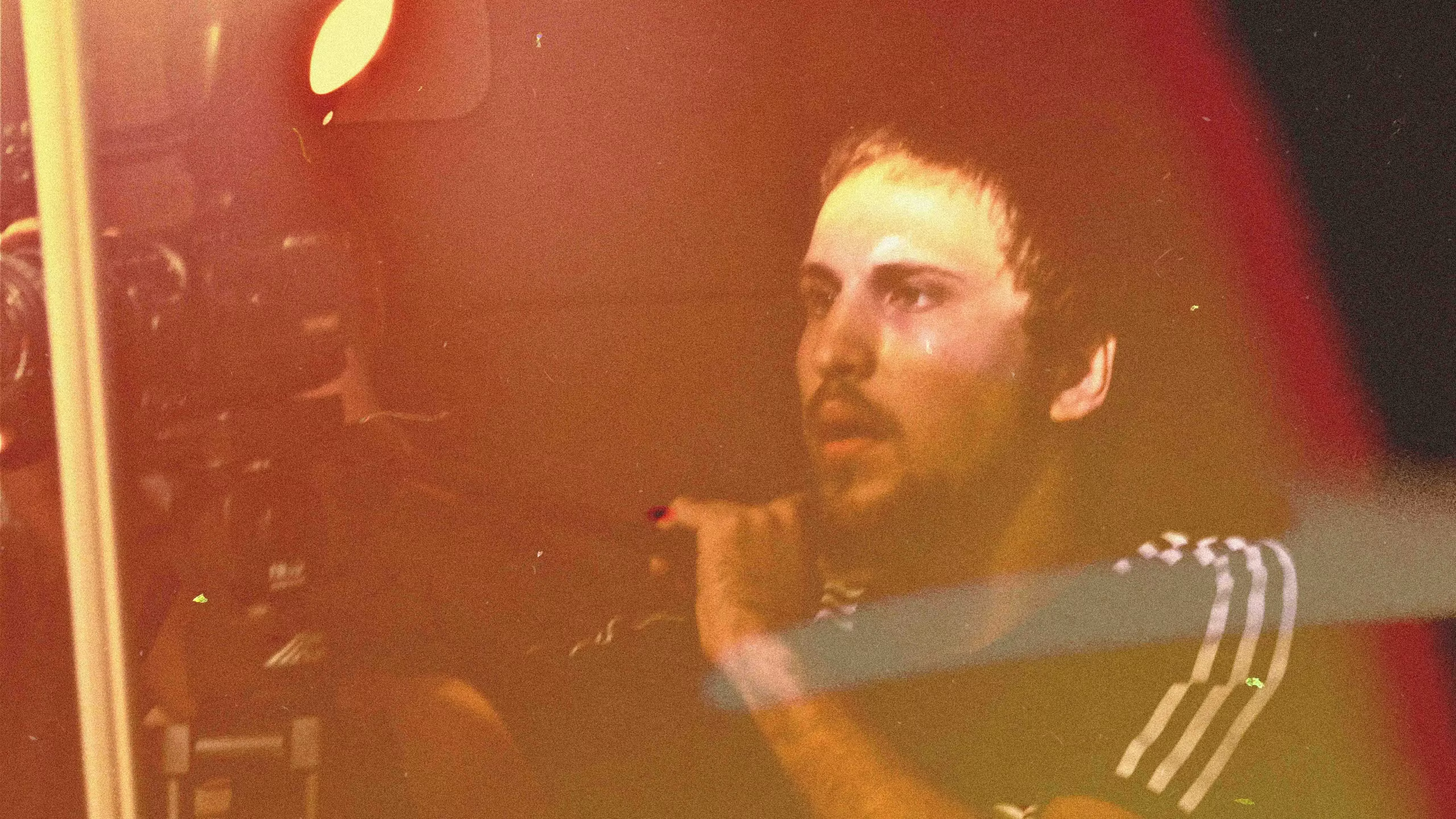
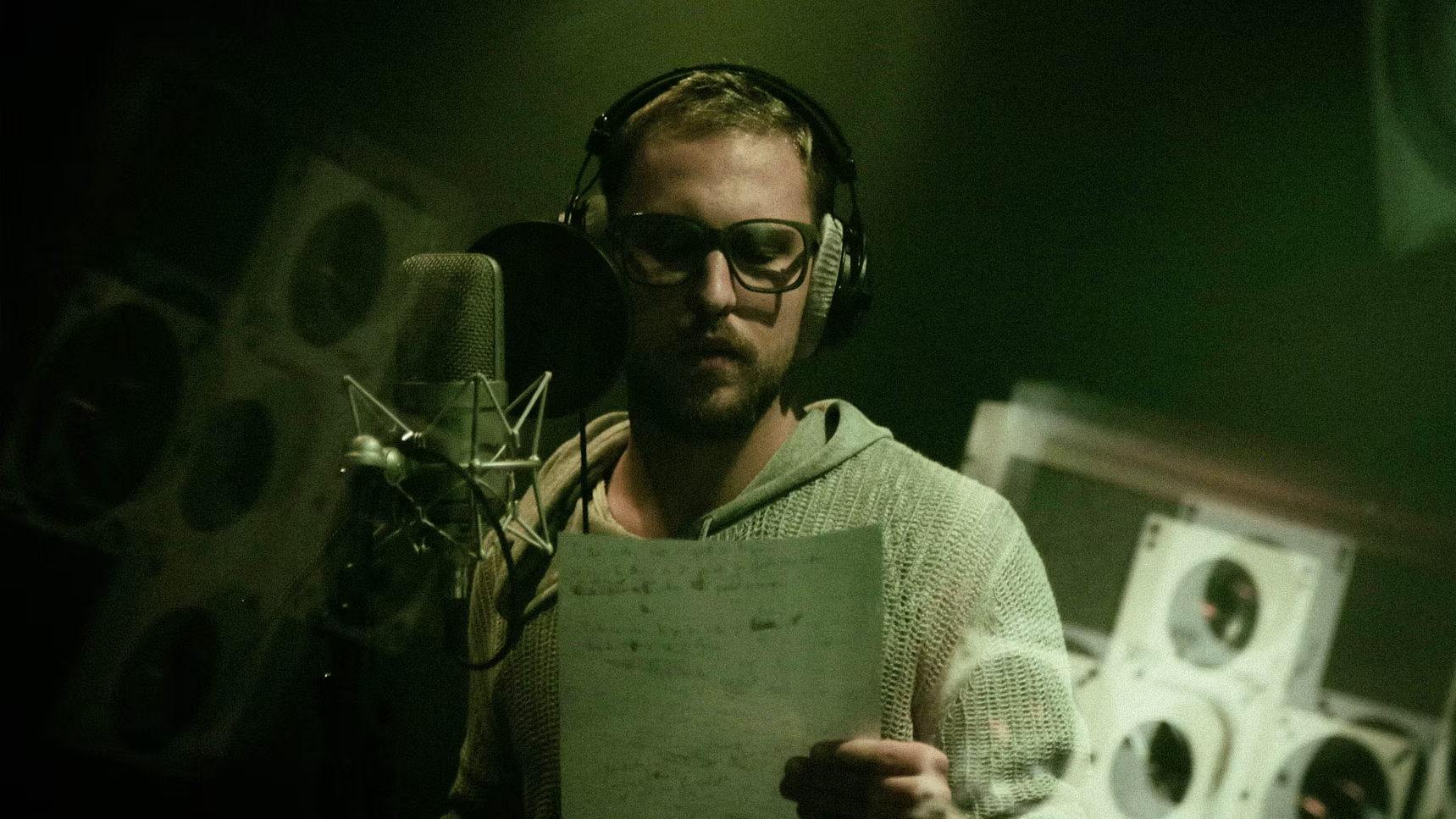
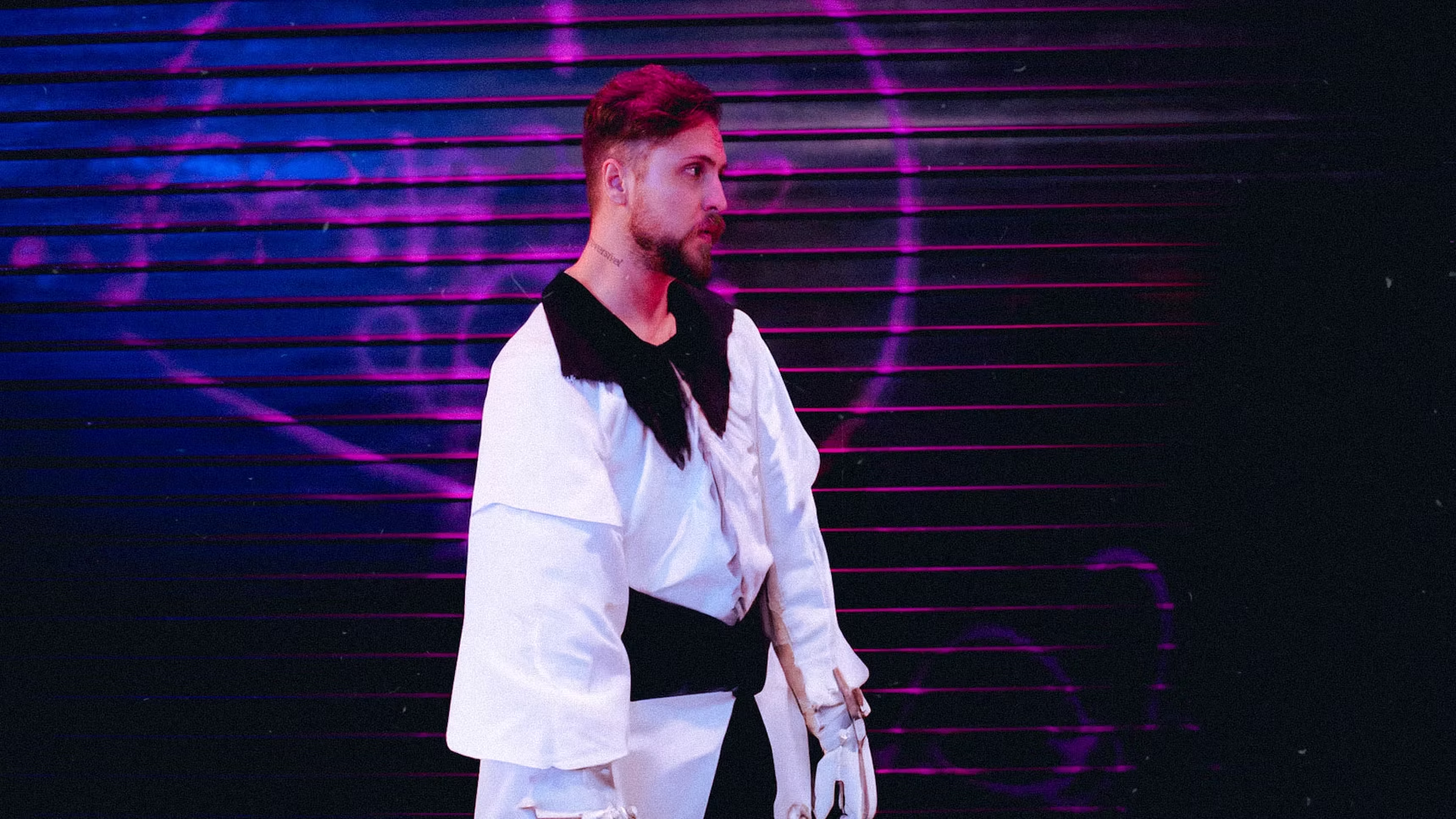
Neon Heart was the proof-of-career project for Lucas. He wrote, directed, produced, edited, composed the soundtrack, distributed and sold the film. And he starred in it: he created his own opportunity as an actor. It was the condensation of years of study and dedication into a single work.
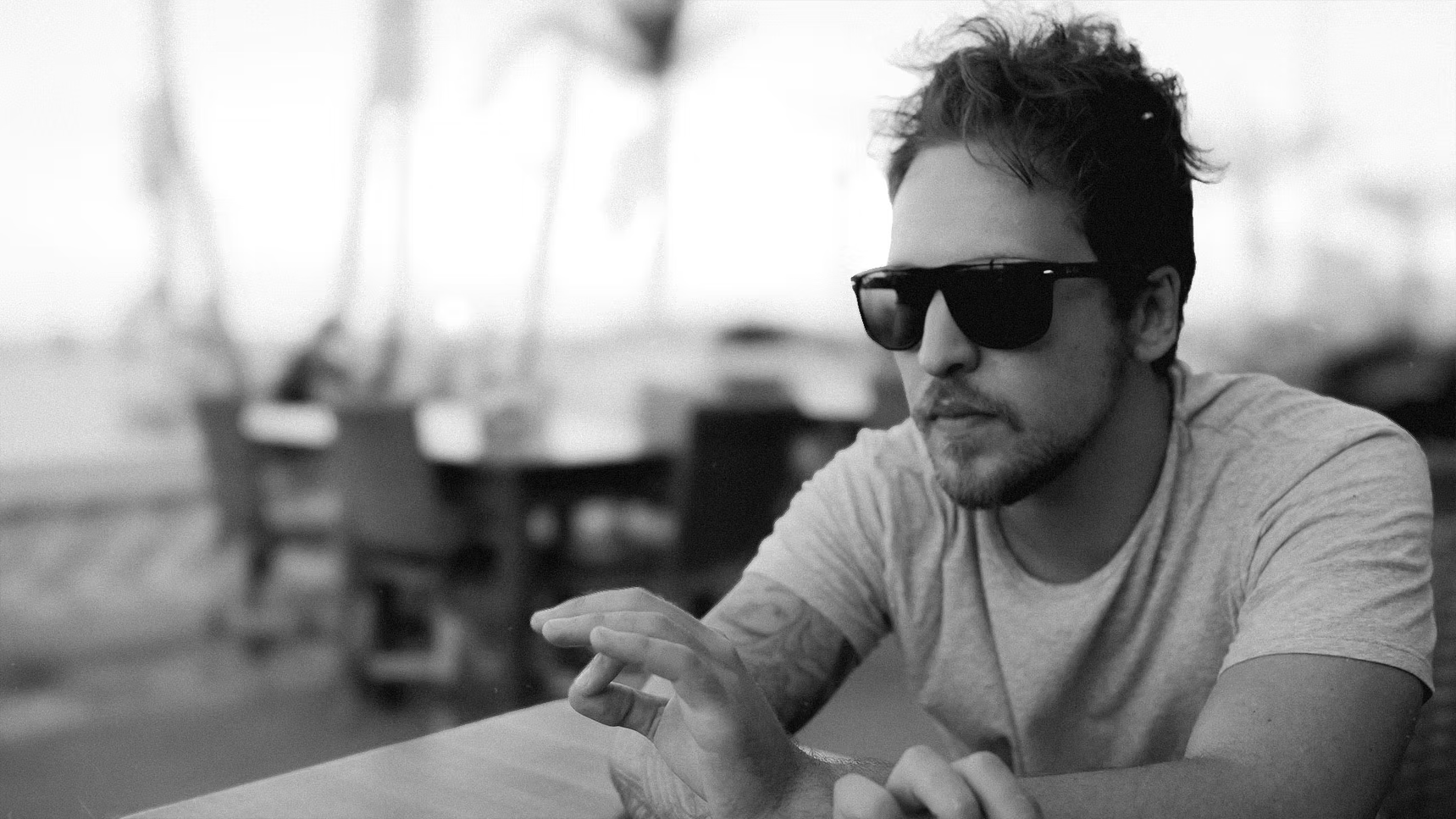
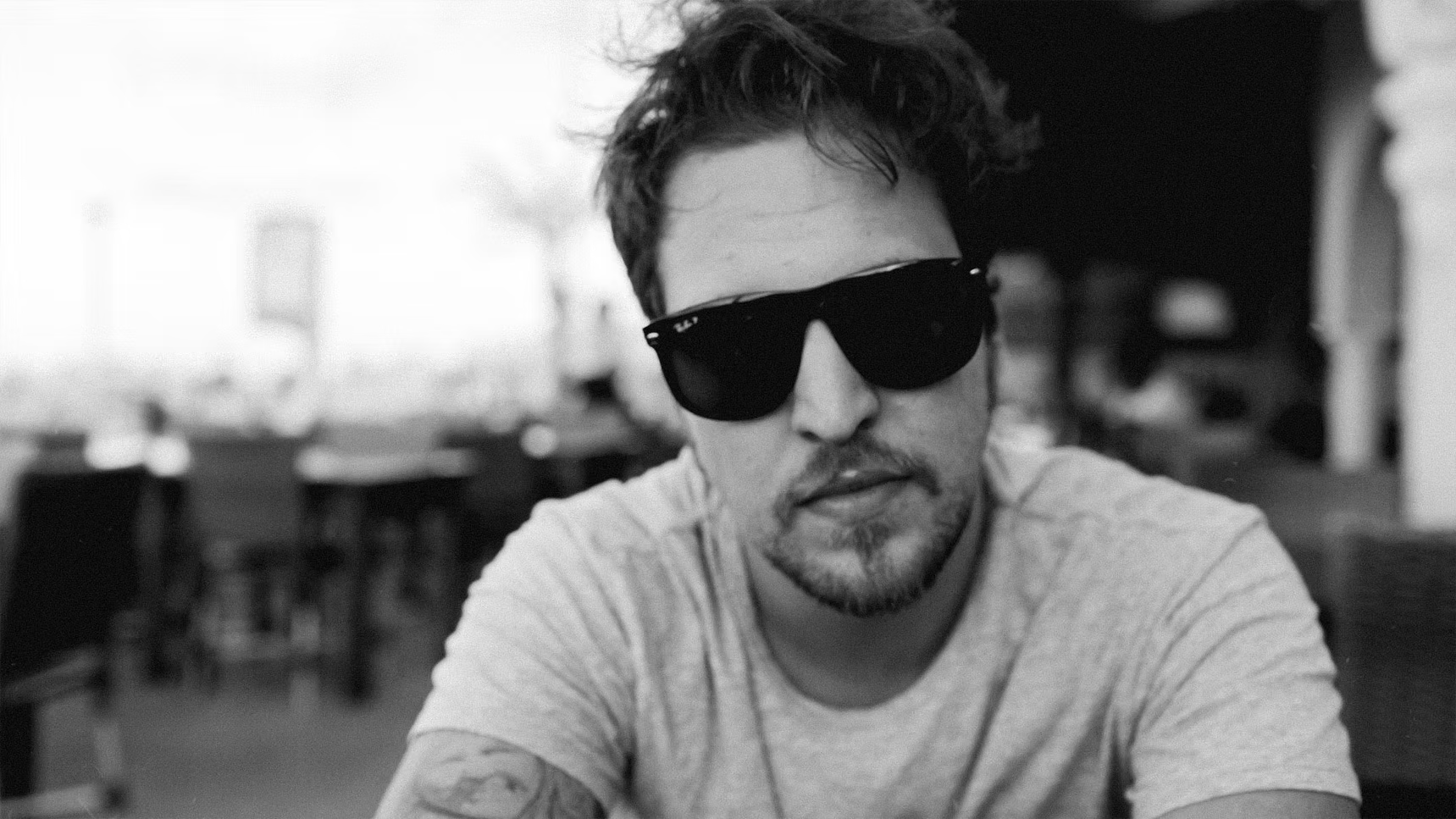
Today, Lucas works as a filmmaker, entrepreneur, and investor, with projects across film, music, technology, and new ventures. In parallel, he is developing "Diary of a Guerrilla Filmmaker", an ongoing audiovisual investigation into his own past. Not a memoir. Research into who he became while trying to become someone.
He composes music. He builds software. He writes. He raises his son Antoni Sol. He walks his Golden Retrievers. And he keeps making films the same way he always has: on his own terms.